
What We Know
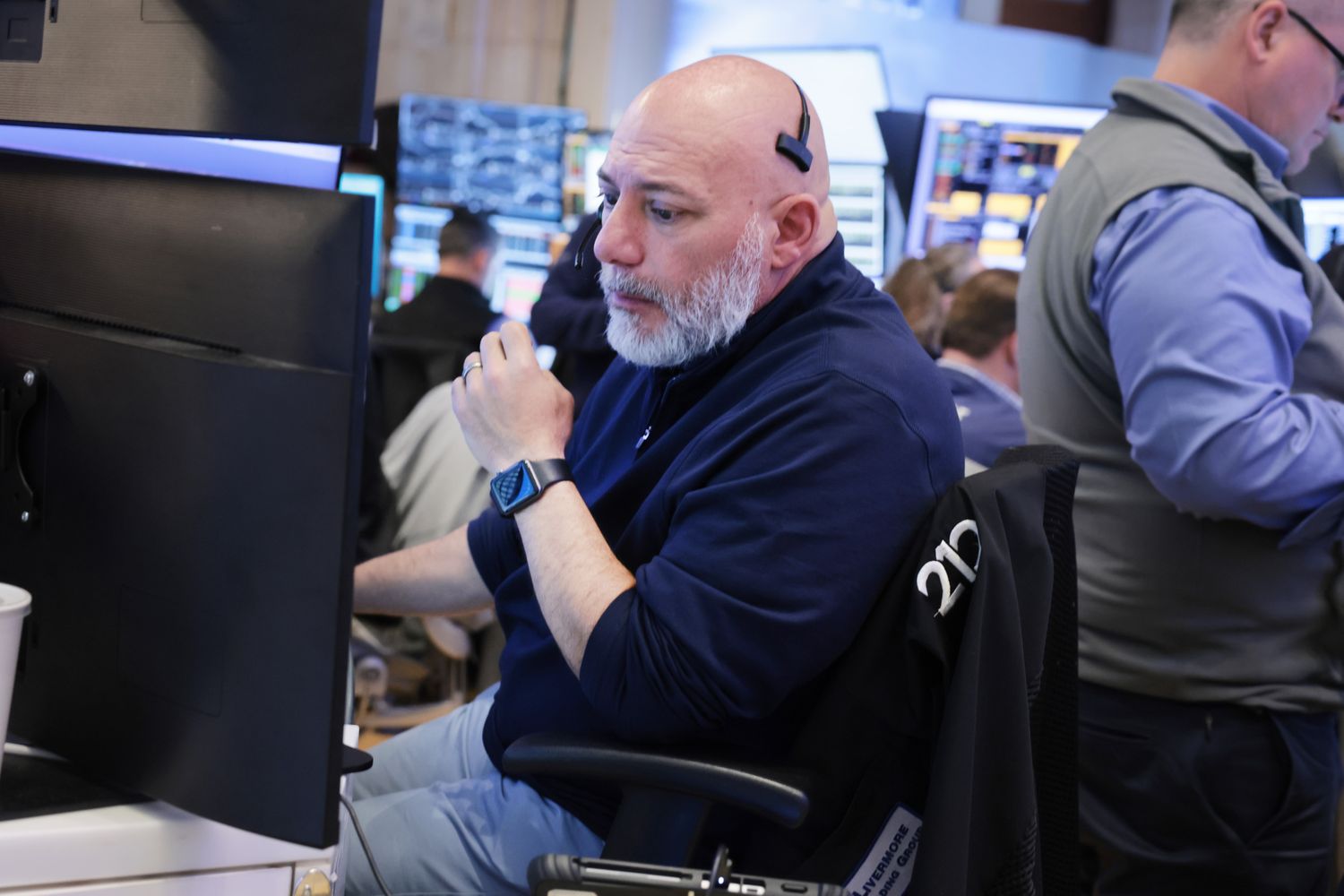
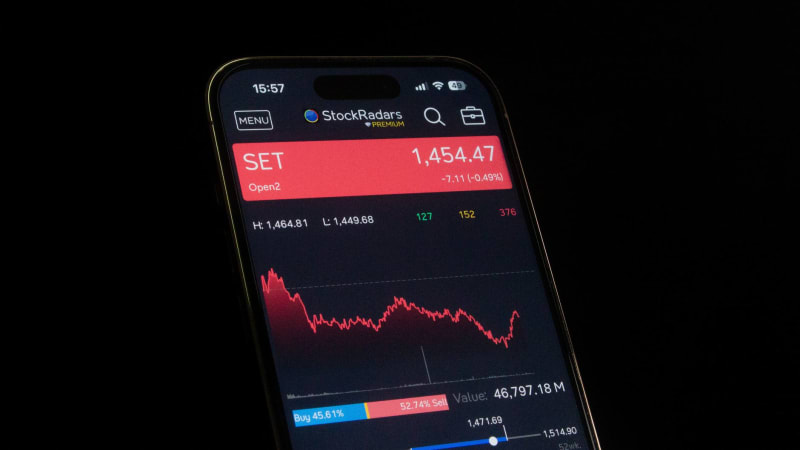
- Major U.S. stock indexes, including the S&P 500 and Nasdaq Composite, concluded the previous trading week at record highs, demonstrating sustained bullish momentum and strong investor confidence across the broader market landscape.
- Nvidia's exceptional performance was a significant driver of the recent market rally, with its shares surging and providing a powerful boost to the technology sector, which has been a leading performer in the current economic environment.
- Futures markets are indicating a positive start to the trading week and the month of June, suggesting that the upward trend is likely to continue, at least in the short term, as traders position themselves for further gains.
- The economic calendar for the upcoming week includes key data releases that could influence market sentiment, such as employment figures and inflation reports, which will be closely watched by investors seeking to gauge the health of the economy.
- Investor sentiment remains largely optimistic, buoyed by expectations of continued economic growth and a stable interest rate environment, although underlying concerns about inflation and geopolitical risks persist in the background.
- The market's ability to reach and sustain record levels indicates a healthy appetite for risk among investors, who are actively seeking opportunities in equities despite ongoing economic uncertainties and potential headwinds.
What We Do Not Know Yet
- The sustainability of Nvidia's explosive growth trajectory and whether its current valuation accurately reflects its long-term earnings potential remains a critical question for market participants.
- The precise impact of upcoming economic data, particularly inflation figures and employment reports, on the Federal Reserve's monetary policy decisions and potential interest rate adjustments is still uncertain.
- The extent to which the current market rally is broad-based or heavily concentrated in a few mega-cap technology stocks, and the implications for market diversification and risk management, are yet to be fully understood.
- The potential for unexpected geopolitical events or shifts in global economic conditions to disrupt the current positive market sentiment and trigger a significant correction is a constant unknown.
- The long-term effects of artificial intelligence adoption across various industries on corporate earnings, productivity, and overall economic growth are still unfolding and difficult to quantify precisely.
- Whether the current levels of consumer spending and business investment can be maintained in the face of persistent inflation and higher borrowing costs is a key factor that will shape future market performance.
Background
The stock market has experienced a remarkable period of growth, culminating in several major indexes hitting all-time highs. This ascent has been fueled by a confluence of factors, including robust corporate earnings, particularly within the technology sector, and a generally optimistic economic outlook. The Federal Reserve's monetary policy, characterized by a pause in interest rate hikes and the anticipation of potential cuts later in the year, has also provided a supportive backdrop for equities. Investor confidence appears to be high, as evidenced by the sustained buying pressure that has pushed valuations upward, even as some analysts express concerns about the market's rapid pace and concentration in a few dominant companies. The narrative surrounding artificial intelligence has become a particularly potent driver, with companies like Nvidia at the forefront, experiencing unprecedented demand for their products and services, which translates directly into soaring stock prices and significant market capitalization gains.
Historically, markets have often experienced periods of rapid expansion followed by corrections, and understanding the current environment requires looking at both the immediate drivers and the broader economic context. The current rally, while impressive, shares some similarities with past speculative bubbles, yet it is also underpinned by genuine technological advancements and strong underlying economic activity in certain sectors. The resilience of the U.S. economy, despite global challenges and inflationary pressures, has surprised many, contributing to the positive sentiment. Furthermore, the flow of capital into equity markets has been substantial, as investors seek higher returns than those offered by fixed-income assets in a potentially declining interest rate environment. This dynamic creates a fertile ground for growth stocks, especially those perceived to be leaders in transformative technologies.
The performance of technology stocks, particularly those involved in artificial intelligence and semiconductor manufacturing, has been a standout feature of the market's recent strength. Nvidia, in particular, has become a bellwether for the AI revolution, with its GPUs being essential components for training and deploying advanced AI models. The company's consistent ability to beat earnings expectations and provide strong forward guidance has captivated investors, leading to a dramatic increase in its stock price and market value. This surge has not only benefited Nvidia shareholders but has also lifted the broader tech sector and contributed significantly to the overall market indexes reaching new peaks. The ripple effect of Nvidia's success underscores the immense potential and current investor enthusiasm surrounding AI technologies and their commercial applications.
Why It Matters
The current market surge, marked by record highs and driven by technological innovation, has profound implications for individual investors, retirement savers, and the broader economy. For those with investments in stocks, especially in technology-focused funds or individual tech companies, the recent performance translates into significant wealth creation and portfolio growth. This can bolster confidence and encourage further investment, potentially creating a virtuous cycle. However, the concentration of gains in a few large-cap stocks, particularly in the tech sector, also raises concerns about market stability and the potential for a sharp downturn if these leaders falter. Understanding the underlying drivers of this rally is crucial for making informed investment decisions and managing risk effectively in an increasingly dynamic financial landscape.
The record-breaking performance of the stock market is not merely a statistical anomaly; it reflects underlying economic trends and investor sentiment that can have tangible effects on economic activity. A strong stock market can boost consumer confidence, leading to increased spending, which in turn supports business growth and job creation. Furthermore, companies that are performing well in the market often have greater access to capital, enabling them to invest in research and development, expand operations, and hire more employees. This positive feedback loop can contribute to overall economic expansion, but it also carries the risk of overheating if growth becomes unsustainable or if asset bubbles begin to form, potentially leading to future instability and economic disruptions.
The dominance of technology stocks, particularly those involved in artificial intelligence, in driving market gains highlights a significant shift in the economic landscape. This concentration of growth suggests that innovation in AI and related fields is currently a primary engine of economic value creation. For businesses across all sectors, understanding and adapting to these technological advancements is becoming increasingly critical for competitiveness and survival. Companies that fail to embrace AI and digital transformation risk falling behind, while those that successfully integrate these technologies may unlock new efficiencies, develop innovative products, and capture significant market share, reshaping industries and the global economy.
Timeline of Events
- Late 2023 - Early 2024: The stock market began a sustained upward trend, with major indexes showing consistent gains driven by optimism around AI and a potential easing of monetary policy.
- Q1 2024: Nvidia reported exceptionally strong earnings, significantly exceeding analyst expectations and further accelerating its stock price surge, which began to heavily influence the Nasdaq and S&P 500.
- Spring 2024: Several key economic indicators, including inflation data and employment reports, suggested a resilient U.S. economy, reinforcing investor confidence and supporting the market's upward trajectory.
- May 2024: The S&P 500 and Nasdaq Composite indexes repeatedly closed at record highs, reflecting broad market strength and the significant impact of technology sector performance.
- Late May 2024: Nvidia announced another stellar earnings report, surpassing forecasts and providing forward guidance that indicated continued strong demand for its AI-focused products, solidifying its role as a market leader.
- End of May 2024: Futures markets began to price in a positive opening for June, building on the momentum from the previous week's record closes and signaling continued bullish sentiment as the new month commenced.
Rapid-Fire Q&A
What Is Coming
- Upcoming economic data releases, including inflation metrics and labor market reports, will be scrutinized for their potential impact on Federal Reserve policy and market sentiment.
- Further earnings reports from major technology companies, especially those involved in AI and semiconductors, will be crucial in determining if the current sector strength is sustainable.
- Investor focus will remain on the Federal Reserve's forward guidance regarding interest rates, as any indication of future policy shifts could significantly influence market direction.
- The ongoing development and deployment of artificial intelligence technologies across various industries will continue to be a key theme, potentially driving further investment and innovation.
- Geopolitical developments and global economic trends will continue to pose potential risks or opportunities that could impact market performance and investor confidence.
- Analysts will be closely evaluating market breadth and valuation metrics to assess whether the current rally is healthy and sustainable or if it shows signs of overheating and potential correction.


















Comments
No comments yet. Be the first to comment!