
The Numbers
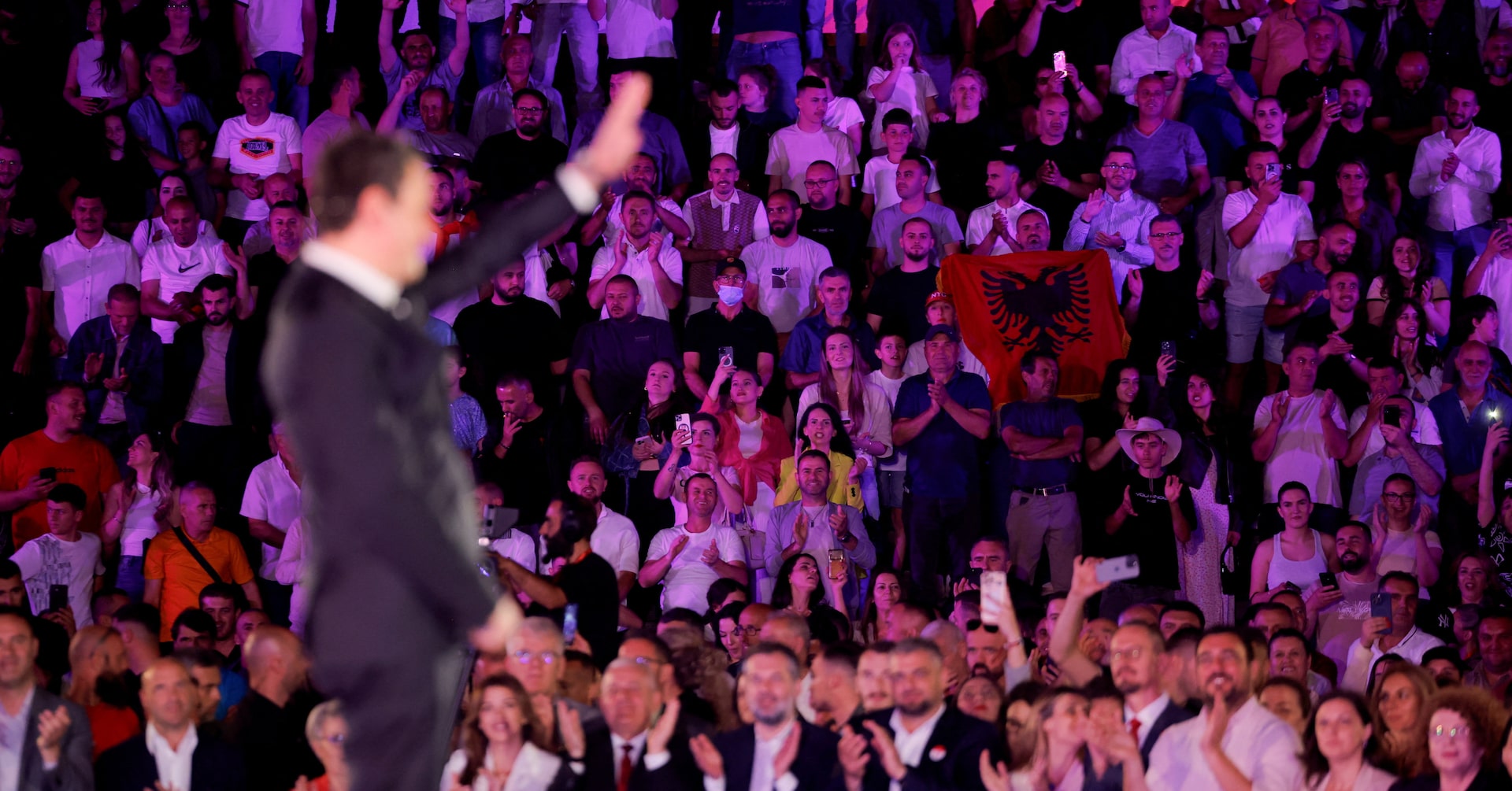
- Kosovo has experienced an average of one snap election every 2.5 years since its declaration of independence in 2008, highlighting a chronic instability in its political landscape.
- Over 70% of eligible voters have historically participated in parliamentary elections, demonstrating a high level of public engagement despite the recurring political turmoil and frequent electoral cycles.
- The current parliamentary term, which began in 2021, has been marked by significant legislative challenges and coalition disputes, leading to its premature dissolution and the call for new elections.
- At least five major political parties are expected to contest the upcoming election, vying for a majority in the 120-seat assembly, with several smaller parties also seeking representation.
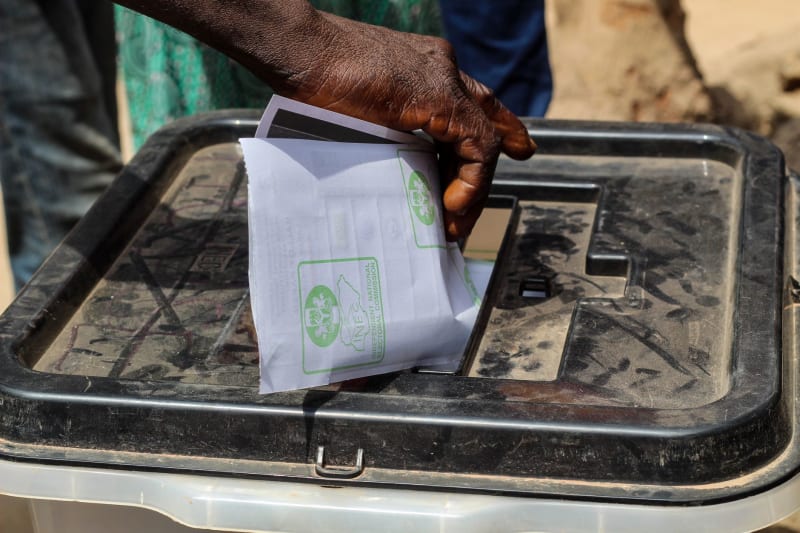
- International monitoring missions, including those from the OSCE and the EU, will deploy hundreds of observers to ensure the fairness and transparency of the electoral process, a standard practice given past concerns.
- The cost of repeated elections places a significant financial burden on Kosovo's economy, diverting resources that could otherwise be allocated to essential public services and development projects.
Context Check
Kosovo's political scene is characterized by a persistent cycle of governmental instability, often triggered by internal coalition disagreements or external pressures related to international relations, particularly with Serbia. The country's complex electoral system, designed to ensure representation for minority communities, can sometimes lead to fragmented parliaments where forming stable governing majorities becomes exceedingly difficult. This inherent challenge is exacerbated by deep-seated political rivalries and a lack of consensus on critical national issues, creating an environment ripe for frequent political crises and early elections. The recurring need for voters to return to the polls disrupts governance, delays crucial reforms, and can erode public trust in democratic institutions, painting a picture of a young nation grappling with the complexities of state-building.
The international community plays a significant role in Kosovo's political dynamics, with ongoing efforts to mediate dialogue between Kosovo and Serbia, and support for institutional development. However, differing geopolitical interests and the slow pace of EU integration can add layers of complexity to domestic politics. The unresolved status of Kosovo in some international forums, coupled with the presence of international missions like EULEX, means that external actors often have a considerable influence on political decision-making. This external dimension, while sometimes providing a stabilizing force, can also be perceived as interference, further complicating the efforts of local politicians to forge independent paths and address the nation's pressing needs effectively. The interplay between domestic aspirations and international expectations remains a delicate balancing act.
Economic challenges and high unemployment rates, particularly among the youth, continue to be significant underlying factors fueling public discontent and political volatility. When governments struggle to deliver tangible improvements in living standards or create economic opportunities, public frustration often translates into demands for change, contributing to the downfall of ruling coalitions and the impetus for new elections. The promise of a better future, often tied to EU accession and economic development, remains a potent political narrative, but the slow progress in these areas leaves many citizens disillusioned. This economic backdrop is crucial for understanding why political stability remains so elusive and why voters are frequently called upon to express their dissatisfaction at the ballot box.
Background
Kosovo declared independence from Serbia in 2008, a move recognized by numerous countries but not by Serbia or its allies. Since then, the nation has navigated a complex path toward statehood, marked by efforts to build robust democratic institutions and foster economic development. However, the journey has been fraught with challenges, including ethnic tensions, corruption allegations, and a persistent political deadlock that has hampered progress. The intricate parliamentary system, designed to ensure representation for all communities, often results in fragile coalitions that struggle to maintain a stable majority, leading to frequent government collapses and early elections. This recurring instability has become a defining feature of Kosovo's post-independence political landscape, impacting its ability to implement necessary reforms and secure its international standing.
The current political crisis stems from a deep rift within the ruling coalition, exacerbated by disagreements over key policy decisions and leadership challenges. The government, formed after the last elections in 2021, has struggled to maintain unity, with coalition partners frequently clashing on issues ranging from economic policy to foreign relations. These internal divisions have paralyzed legislative action and created an environment of uncertainty, ultimately leading to the dissolution of parliament and the necessity of new elections. The inability of political actors to compromise and find common ground underscores the fragility of Kosovo's governing structures and the ongoing struggle to establish consistent and effective governance. This perpetual state of flux raises serious questions about the country's long-term stability and its capacity to address pressing national issues.
The international community, including the European Union and the United States, has consistently urged Kosovo's political leaders to prioritize stability and focus on reforms necessary for EU integration and economic growth. However, persistent political infighting and a lack of decisive leadership have often undermined these efforts. The ongoing dialogue with Serbia, facilitated by the EU, remains a critical but contentious issue, with differing approaches within Kosovo's political spectrum often leading to further division. The complex geopolitical context, including regional rivalries and the differing stances of global powers, adds another layer of difficulty to Kosovo's quest for consolidation and development. Navigating these internal and external pressures requires a level of political maturity and consensus that has proven difficult to achieve consistently.
Winners and Losers
In the context of recurring snap elections, the primary 'winners' are often the political parties that can effectively mobilize their base and capitalize on public dissatisfaction, regardless of their ability to govern effectively. Parties adept at nationalist rhetoric or populist promises may see short-term gains by appealing to voters' frustrations with the status quo. Conversely, parties advocating for more pragmatic, reform-oriented agendas can struggle to gain traction in an environment dominated by immediate grievances and political maneuvering. The constant electoral cycle benefits those who thrive on campaigning and political spectacle, potentially at the expense of long-term policy development and stable governance. This dynamic can perpetuate a cycle of short-term political gains over sustainable national progress.
The citizens of Kosovo are often the ultimate 'losers' in this recurring scenario. Each snap election signifies a period of governmental paralysis, delayed reforms, and uncertainty about the future. This instability hinders economic development, discourages foreign investment, and can lead to a decline in public services. The constant need to vote, while a democratic right, becomes a burden when it doesn't translate into effective governance or improved living standards. Furthermore, the political fragmentation that often results from these elections means that even successful governments struggle to implement comprehensive policies, leaving citizens bearing the brunt of unresolved national challenges and a stalled progress trajectory.
International actors, while often striving for stability, can also be seen as having mixed outcomes. While they may succeed in facilitating dialogue or providing aid, the lack of consistent local political will to implement reforms can lead to frustration and a sense of wasted effort. The repeated need to engage with new electoral cycles and potentially new, inexperienced governments consumes diplomatic resources and can slow down progress on critical issues like EU integration and regional cooperation. The effectiveness of international engagement is heavily reliant on the internal political stability and commitment of Kosovo's leadership, which has proven to be a significant challenge.
Analyst Perspectives
Dr. Arta Hoxha, a political scientist specializing in Balkan affairs, notes that 'Kosovo's persistent electoral instability is a symptom of deeper structural issues, including a fragmented party system and a lack of robust mechanisms for political accountability. The constant campaigning diverts attention from essential state-building tasks, creating a governance deficit that impacts everything from economic development to the rule of law.' She emphasizes that without significant electoral reform or a fundamental shift in political culture towards compromise, these cycles are likely to continue, further entrenching instability.
International relations expert, Mr. Besnik Krasniqi, points to the external dimension: 'The unresolved status of Kosovo and the complex regional dynamics, particularly the dialogue with Serbia, create an environment where domestic politics are constantly influenced by external factors. Political actors often use these external issues to rally support or deflect criticism, further complicating efforts to establish stable, issue-focused governance. The international community's role, while crucial, must be carefully calibrated to empower local solutions rather than impose them.'
Economist Liridon Ahmeti expresses concern over the economic consequences: 'Each snap election means delayed investment, stalled reforms, and a continued brain drain as young, skilled individuals seek opportunities elsewhere. The perception of instability deters foreign direct investment, which is critical for Kosovo's economic growth and job creation. The resources spent on repeated elections could be better utilized for infrastructure, education, or healthcare, areas where the population desperately needs improvements.'
Key Questions Explained
The Outlook
The upcoming election offers a potential, albeit uncertain, path towards resolving Kosovo's current political paralysis. The outcome will likely depend on voters' appetite for change versus their desire for stability, and whether any single party or coalition can command a strong enough majority to govern effectively. Given the historical fragmentation of the political landscape, the formation of a stable government remains a significant challenge, and the possibility of yet another premature end to the parliamentary term cannot be entirely dismissed. The election results will set the immediate direction for policy-making and Kosovo's engagement with both domestic and international challenges.
Looking ahead, the focus will inevitably shift to the ability of the newly formed government to deliver on its promises and address the pressing issues facing the country. Success will require strong leadership, a commitment to reform, and a willingness to engage in constructive dialogue with political opponents and civil society. Failure to achieve stability and progress could further erode public trust and exacerbate the economic and social challenges that plague Kosovo, potentially leading to continued cycles of political uncertainty and public discontent.
The international community will continue to closely monitor Kosovo's political developments, particularly concerning the dialogue with Serbia and the implementation of reforms necessary for European integration. The ability of Kosovo's political actors to demonstrate maturity, consensus-building, and a clear vision for the country's future will be crucial in shaping its long-term trajectory and its standing on the global stage. The path forward remains complex, demanding resilience and strategic foresight from all stakeholders involved in Kosovo's governance.








Comments
No comments yet. Be the first to comment!