

Policy Snapshot
- The international community has largely maintained a policy of targeted sanctions against Iran, primarily aimed at its nuclear program and support for regional proxies, seeking to curtail its destabilizing activities without direct military confrontation.
- Israel's long-standing policy involves preemptive and retaliatory strikes against Iranian-backed groups and infrastructure, particularly in Syria and Lebanon, designed to degrade capabilities and deter further aggression on its borders.
- Major global powers, including the United States and European Union, continue to advocate for diplomatic solutions and de-escalation, often through multilateral frameworks, while simultaneously bolstering regional security alliances to counter Iranian influence.
- Iran's strategic doctrine centers on "forward defense" and asymmetric warfare, utilizing a network of proxies across the Middle East to project power and deter direct attacks on its homeland, complicating conventional military responses.
- Economic sanctions, while impacting Iran's oil exports and financial sector, have also spurred a degree of economic resilience and a pivot towards non-Western trade partners, challenging the efficacy of purely economic pressure.
- Debates persist within international policy circles regarding the optimal balance between punitive measures, diplomatic engagement, and regional security cooperation to effectively address Iran's dual-front challenges.
The Policy History
Iran's geopolitical strategy has long been characterized by a complex interplay of ideological objectives, national security concerns, and regional power projection. Following the 1979 revolution, the Islamic Republic established a foreign policy rooted in anti-imperialism and support for "resistance movements," directly leading to its deep-seated animosity towards Israel and its robust backing of groups like Hezbollah in Lebanon and various militias in Iraq and Syria. This foundational ideological stance has shaped decades of proxy warfare, intelligence operations, and a relentless pursuit of strategic depth across the Middle East, fundamentally altering the region's security landscape and driving persistent tensions.
The economic dimension of Iran's "dual-front war" is intrinsically linked to its geopolitical ambitions. Facing extensive international sanctions, particularly those targeting its oil industry and financial institutions, Iran has been forced to adapt, developing a "resistance economy" focused on self-sufficiency and diversification away from Western markets. This economic pressure, while significant, has not entirely crippled Iran's ability to fund its regional proxies or its missile and drone programs. Instead, it has fostered illicit trade networks and strengthened ties with non-Western partners, demonstrating a resilience that often confounds policymakers seeking to leverage economic tools for behavioral change.
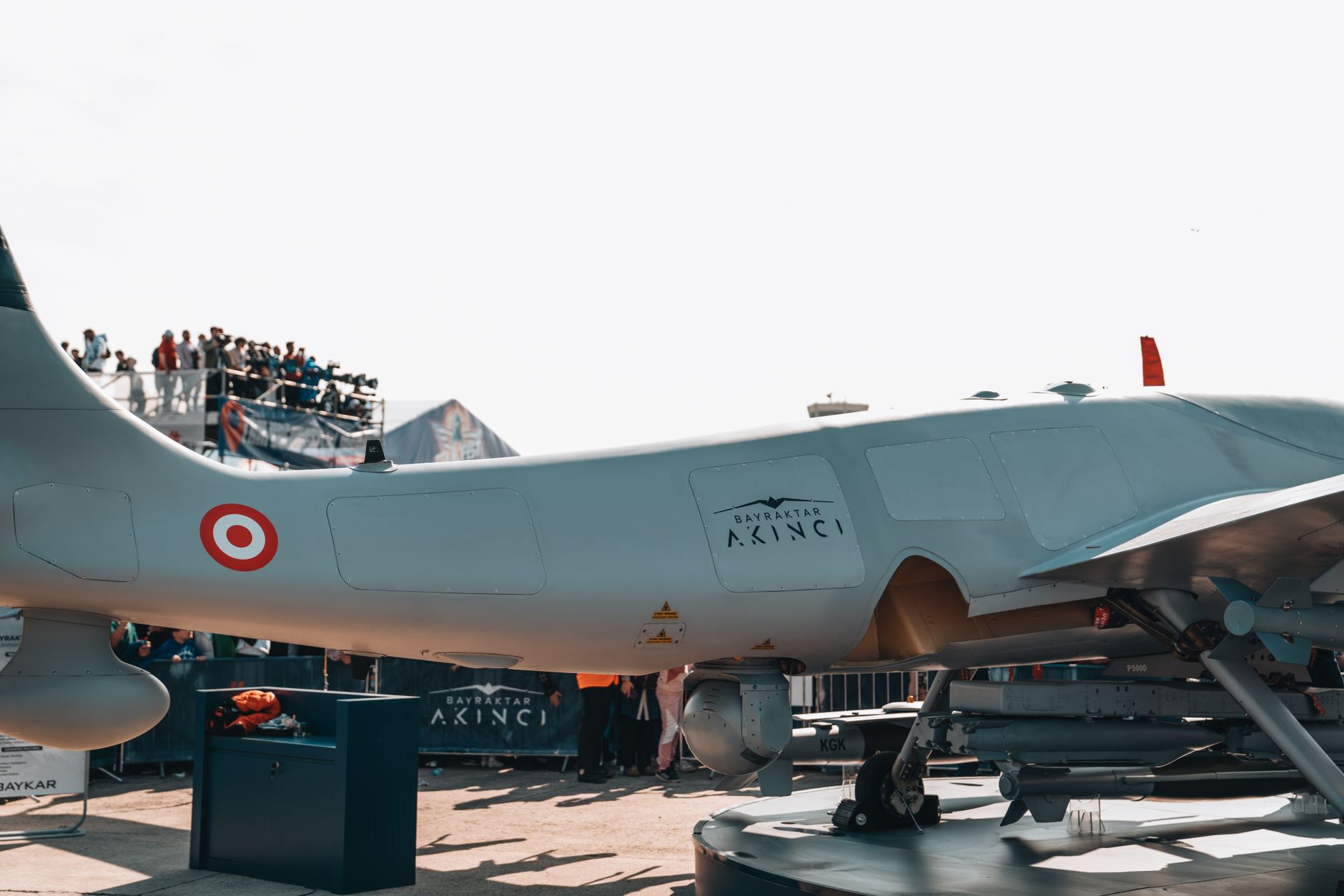
The conflict with Israel has evolved significantly, moving beyond traditional state-on-state confrontation to encompass cyber warfare, covert operations, and the strategic deployment of advanced weaponry to proxy forces. This "shadow war" minimizes direct engagement while maximizing deniability and asymmetric advantage. Concurrently, Iran's economic strategies, including circumventing sanctions and fostering regional trade blocs, aim to insulate its economy from external pressure, allowing it to sustain its geopolitical agenda. Understanding this intricate dance between military and economic fronts is crucial for comprehending the full scope of Iran's regional and global impact.
Who Is Affected
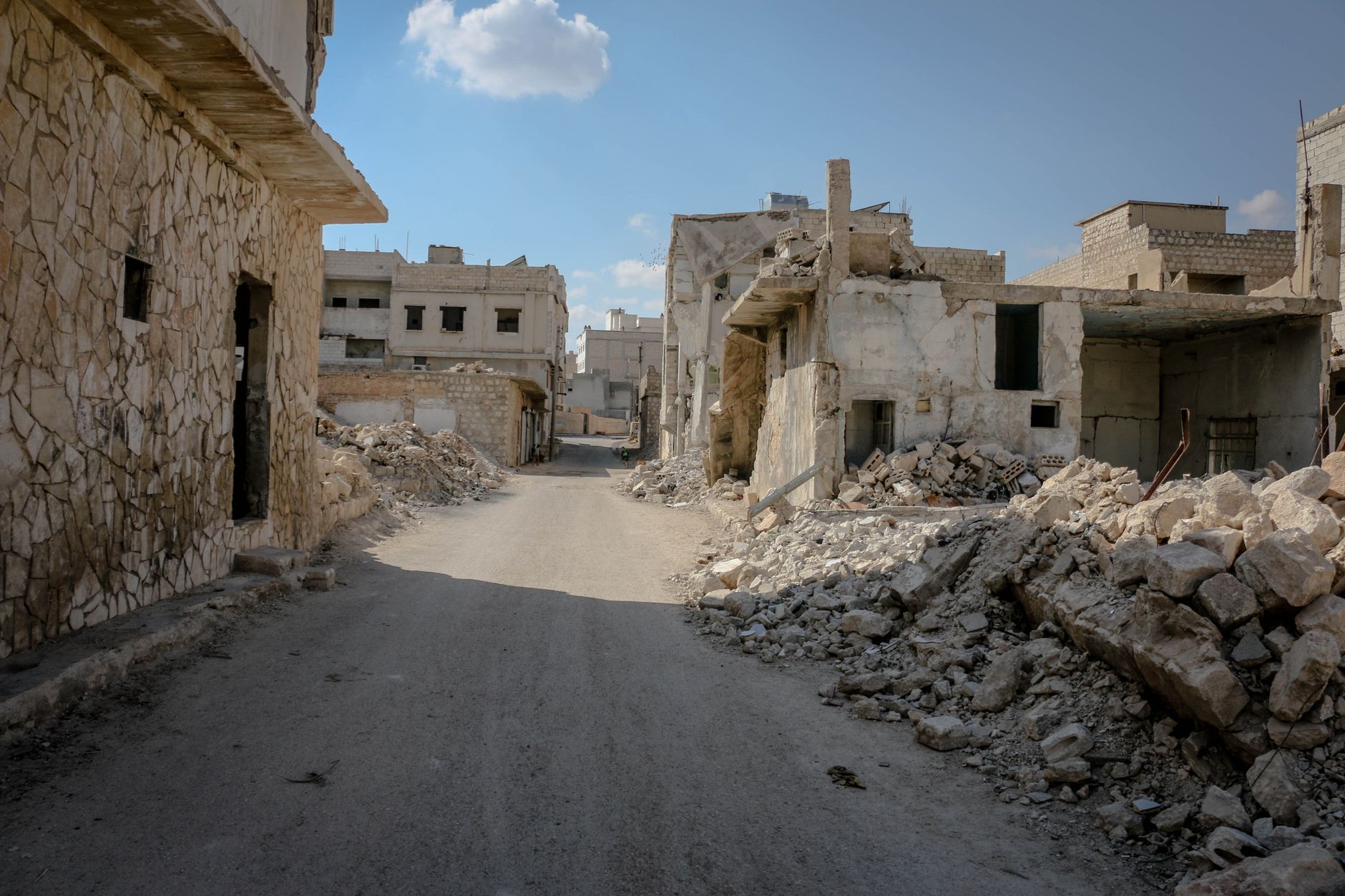
The most immediate and profoundly affected populations are those living in Israel and in neighboring countries like Lebanon, Syria, and Iraq, where Iranian-backed militias operate or where Israeli retaliatory strikes occur. Israeli citizens face constant threats from missile and drone attacks, necessitating extensive air defense systems and frequent evacuations, disrupting daily life and fostering a pervasive sense of insecurity. In countries like Lebanon, the presence and actions of groups like Hezbollah, heavily supported by Iran, lead to internal political instability, economic stagnation, and the constant risk of being drawn into larger regional conflicts, directly impacting civilian safety and livelihoods.
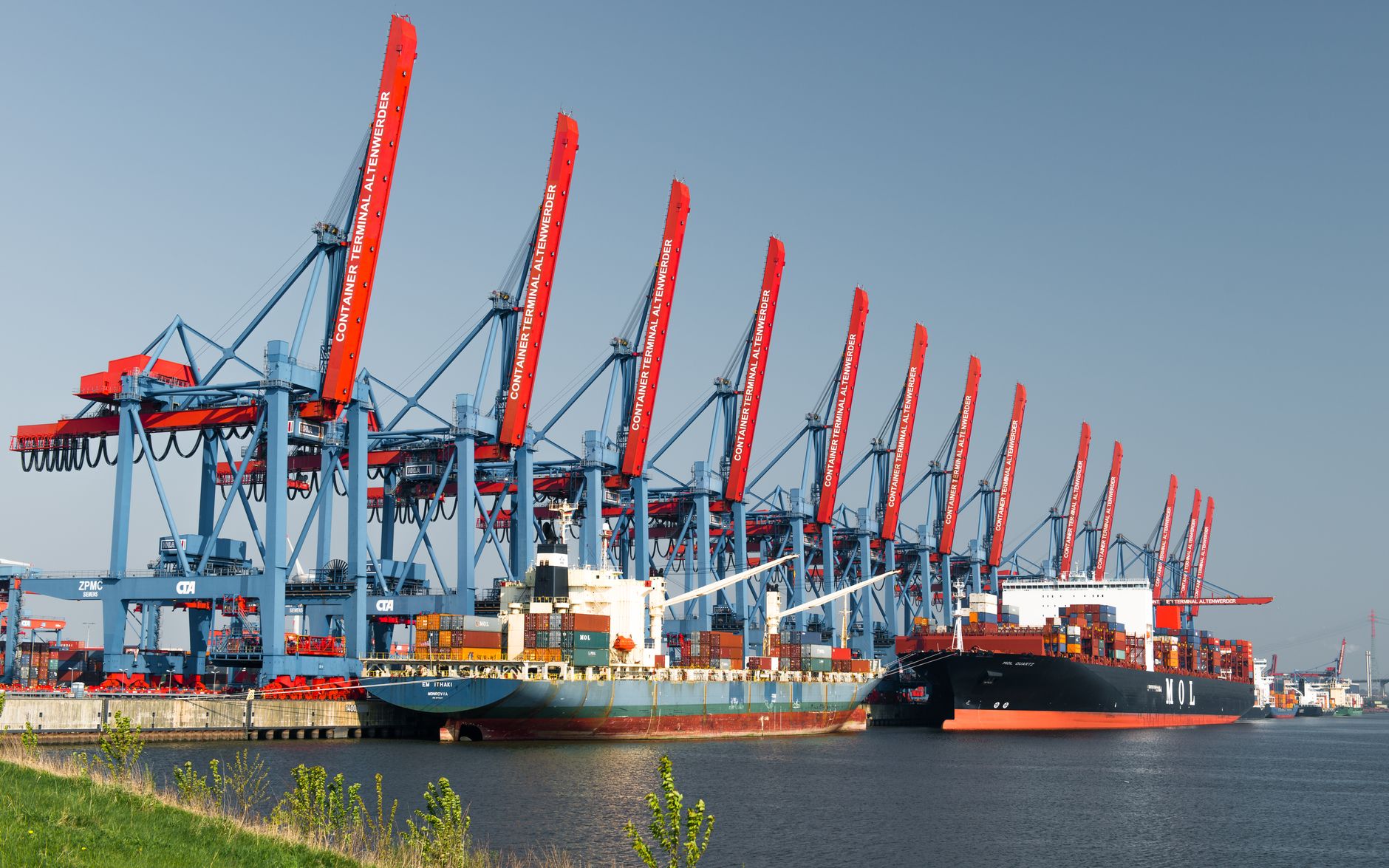
Beyond the immediate conflict zones, the global economy bears significant repercussions. Iran's actions, particularly those affecting oil shipping lanes in the Persian Gulf and the Red Sea, introduce volatility into global energy markets, leading to unpredictable price spikes and supply chain disruptions. This instability directly impacts consumers worldwide through higher fuel costs and increased inflation, hindering economic growth and creating uncertainty for international trade and investment. The geopolitical risks associated with a major oil-producing region in flux deter foreign investment and force businesses to re-evaluate their operational strategies, adding a layer of systemic risk to the global financial system.
International diplomacy and security frameworks are also severely strained. The ongoing tensions complicate efforts to achieve broader regional stability, diverting resources and attention from other critical global challenges. Nations attempting to mediate or enforce international law find their efforts undermined by the persistent shadow war and the intricate web of alliances and rivalries. Furthermore, the proliferation of advanced weaponry and drone technology, often supplied by Iran to its proxies, poses a significant threat to global security, potentially inspiring similar tactics in other conflict zones and making future de-escalation efforts increasingly complex and perilous.
The Case For
Proponents of a robust international response argue that Iran's dual-front strategy, targeting both Israel's security and the global economic order, necessitates a firm and coordinated counter-strategy. They contend that appeasement or insufficient pressure only emboldens Tehran, allowing it to further develop its nuclear program, expand its regional proxy network, and destabilize critical trade routes. A strong stance, encompassing enhanced sanctions, diplomatic isolation, and credible military deterrence, is seen as essential to prevent Iran from achieving regional hegemony and to protect the interests of allied nations and the stability of global markets.
Furthermore, advocates emphasize the moral imperative to support Israel's right to self-defense against state-sponsored terrorism and aggression. They highlight the humanitarian costs of Iran's proxy wars, which have fueled civil conflicts, displaced millions, and contributed to widespread suffering across the Middle East. A decisive international effort is therefore presented not just as a strategic necessity but also as a commitment to upholding international law and protecting vulnerable populations from the destructive consequences of unchecked Iranian influence. This perspective often calls for increased intelligence sharing and military cooperation among like-minded nations.
From an economic standpoint, the argument for decisive action centers on safeguarding global energy security and supply chains. Iran's threats to shipping in the Strait of Hormuz and its alleged involvement in attacks on oil infrastructure pose direct risks to the world economy. Proponents argue that allowing such actions to continue unchecked would set a dangerous precedent, encouraging other actors to exploit critical choke points for political leverage. Therefore, they advocate for measures that ensure freedom of navigation, deter economic coercion, and stabilize international markets, thereby protecting global prosperity from geopolitical manipulation.
The Case Against
Critics of an overly aggressive international response warn that escalating pressure on Iran, particularly through military means or excessively punitive sanctions, risks unintended consequences and a broader regional conflagration. They argue that direct military intervention or a significant increase in covert operations could provoke Iran into more direct and widespread retaliation, potentially drawing major global powers into a protracted and devastating conflict that would dwarf current regional tensions. Such an escalation would have catastrophic human and economic costs, destabilizing the entire Middle East and sending shockwaves through global markets far beyond current disruptions.
Furthermore, opponents of escalation contend that extreme pressure tactics often backfire, strengthening hardliners within Iran and undermining any potential for internal reform or diplomatic engagement. They suggest that a more nuanced approach, focusing on de-escalation, targeted diplomacy, and humanitarian considerations, might be more effective in the long run. This perspective advocates for re-opening channels of communication, exploring pathways for mutual security guarantees, and addressing Iran's legitimate security concerns, rather than pushing it further into isolation and belligerence, which could lead to unpredictable and dangerous outcomes.
Economically, a full-scale confrontation with Iran would devastate global energy supplies, sending oil prices soaring and triggering a severe worldwide recession. The interconnectedness of the global economy means that even localized conflicts can have far-reaching effects, and a major war involving Iran, a significant oil producer and controller of vital shipping lanes, would be catastrophic. Therefore, those against escalation emphasize the need for caution, prioritizing diplomatic solutions and economic stability over actions that could inadvertently trigger a global economic crisis and exacerbate humanitarian suffering across an already fragile region.
Policy Questions Answered
Implementation Watch
Monitoring the implementation and effectiveness of international policies aimed at curbing Iran's dual-front strategy reveals a complex and often contradictory landscape. Sanctions, while causing significant economic strain within Iran, have not fundamentally altered its strategic calculus or its support for regional proxies. Instead, they have spurred Tehran to develop more sophisticated methods of circumvention, including reliance on cryptocurrency, illicit oil transfers, and strengthening trade ties with countries less aligned with Western policy. This adaptive capacity suggests that the current sanction regime, while impactful, may not be sufficient on its own to achieve desired behavioral changes without complementary diplomatic or security initiatives.
On the military and security front, the "shadow war" continues with varying intensity, marked by cycles of escalation and de-escalation. Israel's ongoing efforts to degrade Iranian and proxy capabilities in Syria and Lebanon demonstrate a persistent commitment to its security doctrine. However, these actions often risk broader regional conflict, as evidenced by recent direct exchanges. The challenge lies in maintaining deterrence without triggering an uncontrollable spiral of violence. The international community, particularly the United States, continuously navigates this tightrope, seeking to bolster regional allies while simultaneously urging restraint and de-escalation from all parties involved, a task made harder by the opaque nature of the conflict.
The long-term implications for global economic stability remain a critical area of observation. The resilience of global supply chains and energy markets against Iranian-induced disruptions is constantly tested. Policymakers are closely watching how Iran's internal economic pressures, combined with external geopolitical events, might influence its future actions regarding oil production, maritime security, and its nuclear program. The efficacy of international efforts to ensure freedom of navigation and mitigate economic risks will largely depend on sustained multilateral cooperation and the ability to adapt strategies to Iran's evolving tactics, ensuring that the global economy is not held hostage by regional tensions.








Comments
No comments yet. Be the first to comment!