

The Numbers
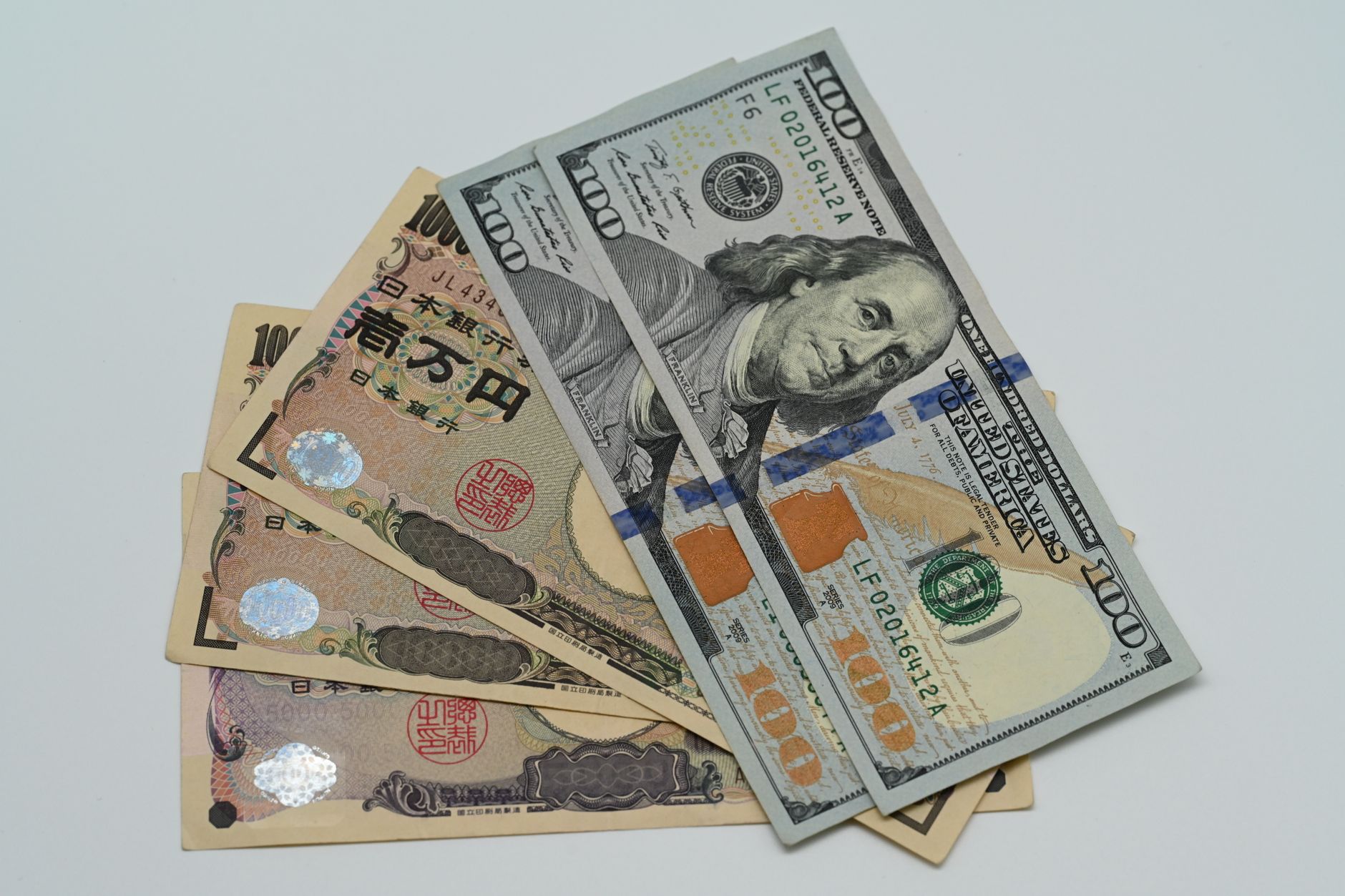
- Iran is reportedly demanding upwards of $10 billion in financial compensation as a prerequisite for re-engaging in nuclear deal discussions, a figure significantly higher than previously discussed amounts.
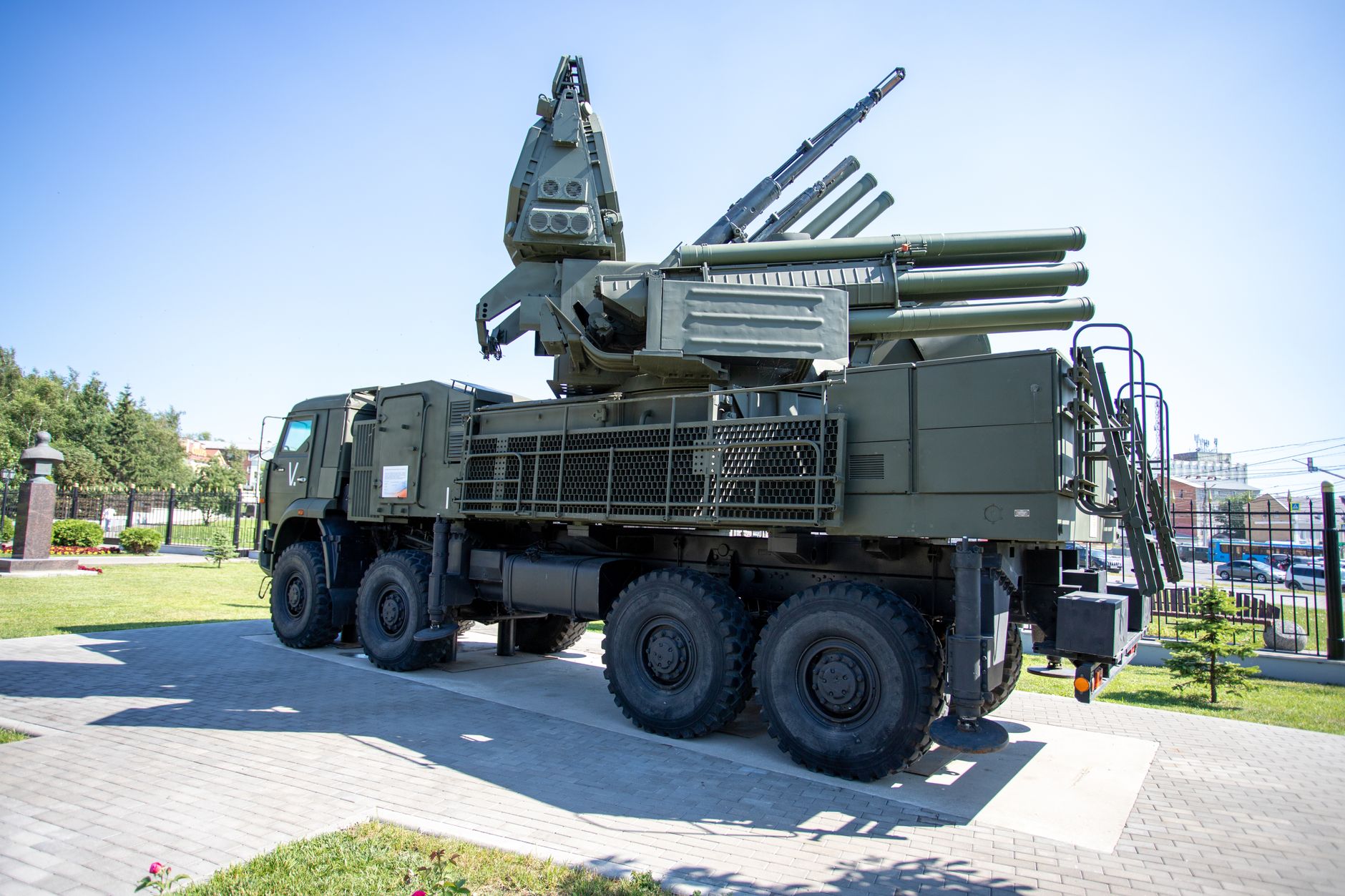
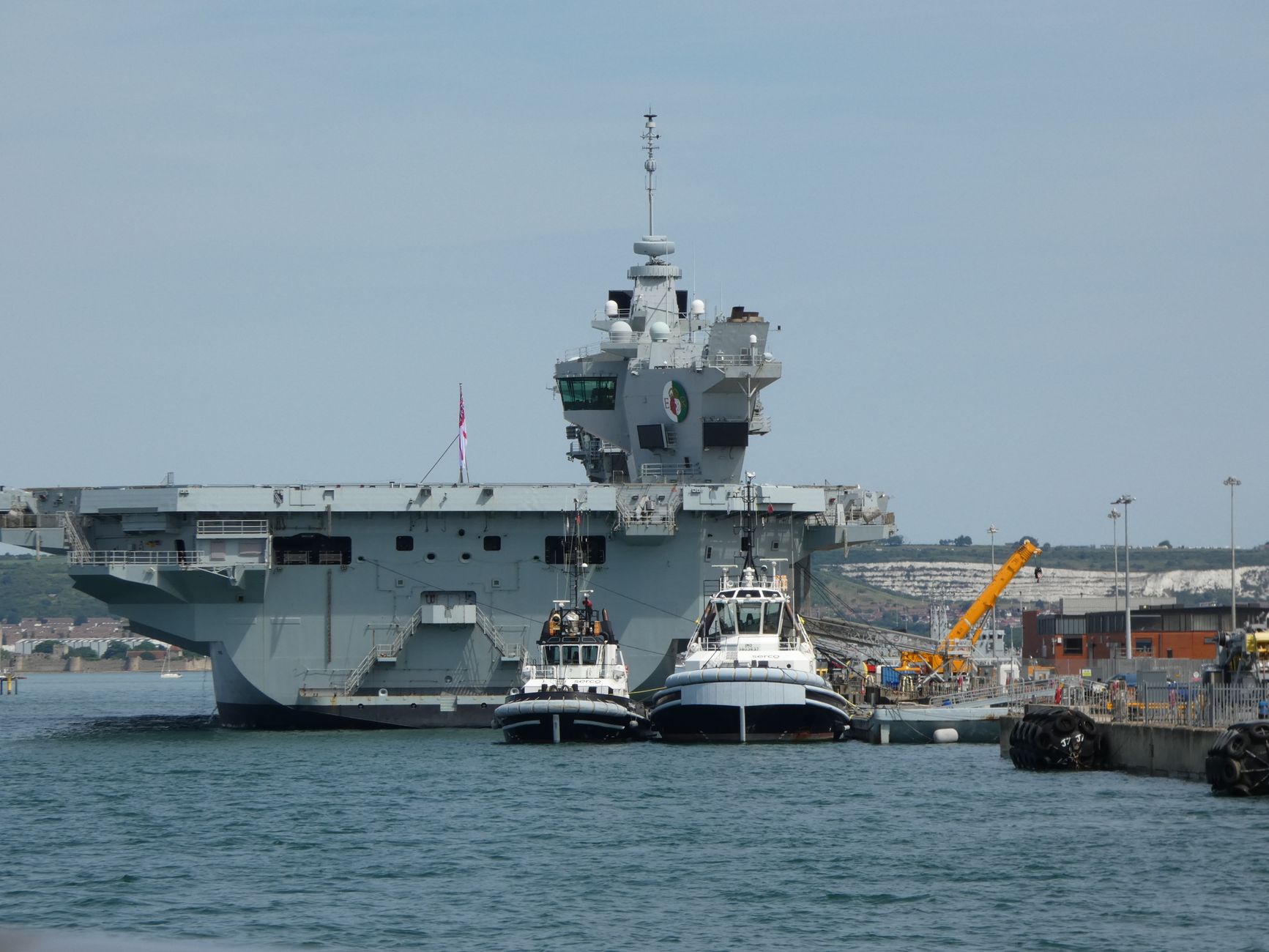
- U.S. military assets successfully intercepted at least three ballistic missiles launched from a contested region, preventing potential escalation and demonstrating rapid response capabilities in a volatile geopolitical climate.
- The estimated value of sanctions relief sought by Iran, should a comprehensive deal be reached, could potentially unlock billions of dollars in frozen assets and oil revenues, fundamentally altering its economic landscape.
- International Atomic Energy Agency (IAEA) reports indicate Iran's enriched uranium stockpile has continued to grow, surpassing previous thresholds and raising concerns about its proximity to weapons-grade material.
- Diplomatic sources suggest that a framework for a revived deal might involve phased sanctions relief tied to verifiable nuclear concessions, though the exact sequencing and scale remain points of intense negotiation.
- The cost of maintaining U.S. military presence and surveillance in the region, including missile defense systems, runs into hundreds of millions of dollars annually, underscoring the significant financial commitment to regional stability.
Context Check
The current diplomatic impasse surrounding Iran's nuclear program is deeply intertwined with historical grievances and a complex web of international sanctions. Iran's demand for substantial financial compensation, reportedly in the tens of billions of dollars, represents a significant escalation from previous negotiations. This demand is framed by Tehran as reparations for damages incurred during decades of economic isolation and perceived injustices. The United States and its allies, however, view such demands with skepticism, questioning their legitimacy and feasibility within the context of a revived nuclear accord. The U.S. response, which includes the active interception of ballistic missiles in the region, underscores the dual nature of the current geopolitical landscape: a high-stakes diplomatic negotiation occurring concurrently with active military posturing and threat mitigation.
Understanding the context requires acknowledging the cyclical nature of tensions in the Middle East. Iran's nuclear advancements have consistently been met with international pressure, including stringent sanctions that have severely impacted its economy. The current demands for financial compensation can be seen as an attempt to leverage its nuclear progress for economic relief, a strategy aimed at recouping perceived losses. Simultaneously, the interception of missiles highlights the persistent security threats emanating from the region, involving not only Iran but also its proxies and adversaries. This dynamic creates a precarious environment where diplomatic breakthroughs are constantly shadowed by the risk of military escalation, making any progress fragile and subject to rapid shifts in security conditions.
The broader international community is watching these developments with apprehension. A failure to revive the nuclear deal could lead to further escalation, potentially pushing Iran closer to developing nuclear weapons and triggering a regional arms race. Conversely, a successful, albeit contentious, agreement could offer a pathway to de-escalation and greater stability. However, the substantial financial demands complicate this picture, potentially setting a precedent that could embolden other nations with grievances. The U.S. military's proactive missile defense operations serve as a stark reminder of the immediate security challenges that persist, irrespective of the outcome of the nuclear talks, creating a complex backdrop for any diplomatic resolution.
Background
The Joint Comprehensive Plan of Action (JCPOA), commonly known as the Iran nuclear deal, was established in 2015 with the aim of preventing Iran from developing nuclear weapons in exchange for sanctions relief. The agreement, negotiated between Iran and the P5+1 (China, France, Germany, Russia, the United Kingdom, and the United States) plus the European Union, placed significant restrictions on Iran's nuclear activities, including limits on its uranium enrichment capabilities and stockpile. However, the U.S. withdrawal from the JCPOA in 2018 under the Trump administration and the subsequent reimposition of stringent sanctions dramatically altered the landscape, severely impacting Iran's economy and leading to a gradual rollback of its commitments under the deal. This withdrawal created a deep rift and set the stage for the current complex negotiations.
Following the U.S. withdrawal, Iran began to increase its uranium enrichment levels and expand its nuclear program beyond the limits set by the JCPOA. These actions were often described by Tehran as reciprocal measures in response to the sanctions and the perceived lack of benefits from the deal. International bodies, such as the International Atomic Energy Agency (IAEA), have been monitoring Iran's nuclear activities closely, issuing reports that detail the growing size of its enriched uranium stockpiles and the sophistication of its centrifuges. The current diplomatic efforts, which have been ongoing intermittently since the Biden administration took office, aim to revive the JCPOA or negotiate a new framework that addresses both nuclear concerns and sanctions relief, but progress has been slow and fraught with challenges.
The demand for billions in compensation is a relatively new and significant development in these protracted talks. While Iran has long sought sanctions relief, the explicit demand for reparations adds a new layer of complexity. This financial aspect is reportedly linked to the economic damage Iran claims to have suffered due to sanctions and the U.S. withdrawal from the JCPOA. The U.S. position, echoed by European allies, has generally been that sanctions relief is contingent upon Iran's verifiable adherence to nuclear restrictions, not on direct financial payouts for past grievances. This divergence in approach highlights a fundamental disagreement on the terms of engagement and the path forward, making a resolution exceptionally challenging.
Winners and Losers
If Iran secures substantial financial concessions alongside a revived nuclear deal, it could emerge as a significant winner, experiencing much-needed economic relief and a potential resurgence on the global stage. Such an outcome would allow Tehran to rebuild its economy, potentially fund domestic projects, and regain access to international markets, thereby strengthening its political standing both domestically and regionally. However, this scenario could also be perceived as a loss for the U.S. and its allies, who might view it as rewarding Iran's nuclear brinkmanship and potentially setting a dangerous precedent for future negotiations with other states. The perception of capitulation to demands could undermine international non-proliferation efforts and embolden other nations to adopt similar tactics.
Conversely, a collapse of the negotiations, particularly if Iran perceives the demands as unreasonable or if the U.S. remains unwilling to offer significant concessions beyond sanctions relief, could lead to a lose-lose scenario. Iran might accelerate its nuclear program, potentially crossing a threshold that triggers a more severe international response, including military action, leading to widespread regional instability and devastating economic consequences for all parties involved. The U.S. and its allies would face the difficult choice of escalating sanctions further, risking further regional conflict, or accepting a nuclear-armed Iran, which would fundamentally alter the security calculus in the Middle East. The intercepted missiles serve as a grim reminder of the immediate security risks present in such a protracted stalemate.
Regional actors, such as Saudi Arabia and Israel, would likely view a deal that significantly empowers Iran, either economically or politically, with considerable apprehension, potentially positioning them as losers. They have long advocated for a tougher stance against Iran's regional influence and nuclear ambitions. A perceived U.S. retreat from confronting Iran's actions could lead these nations to bolster their own defense capabilities, potentially sparking a regional arms race. Meanwhile, international companies and energy markets could be winners if sanctions are lifted, leading to increased oil supply and renewed trade opportunities. However, the ongoing volatility and the threat of conflict would continue to cast a shadow, impacting global economic stability.
Analyst Perspectives
Many foreign policy analysts express deep skepticism regarding Iran's demand for billions in financial compensation, viewing it as a maximalist negotiating tactic designed to extract maximum concessions. They argue that such demands, if met, would set a dangerous precedent, potentially encouraging other nations to leverage nuclear programs for financial gain. Dr. Evelyn Reed, a Middle East security expert, stated, "Iran is attempting to transform its nuclear leverage into direct financial leverage. The challenge for the U.S. is to decouple the JCPOA revival from these historical reparations claims, which are legally and politically complex to address." The concurrent missile interceptions add a layer of urgency, suggesting that Iran may be testing the resolve of the U.S. and its allies while simultaneously seeking economic windfalls.
Others believe that while the demands are steep, they reflect Iran's genuine economic distress and historical grievances stemming from decades of sanctions and perceived international injustices. Professor Kenji Tanaka, specializing in international economics, commented, "Iran's economy has been severely battered. While the demand for billions is substantial, it might be Iran's way of signaling the depth of its economic pain and its expectation for significant compensation for years of hardship." He suggests that a creative financial mechanism, perhaps involving international development funds tied to strict nuclear verification, might be a potential, albeit difficult, path forward. The U.S. interception of missiles, in this view, demonstrates a commitment to regional security that could provide a stable enough environment for such complex financial negotiations to occur.
A significant concern among analysts is the potential for miscalculation given the dual tracks of diplomacy and military action. The risk of escalation is palpable, especially if negotiations falter and regional tensions flare. "We are in a highly combustible situation where a diplomatic misstep or a military incident could have catastrophic consequences," warned former diplomat Sarah Chen. She emphasizes the need for clear communication channels and de-escalation strategies to prevent the ongoing missile threats from derailing the delicate nuclear talks. The success of these talks hinges not only on Iran's willingness to curb its nuclear program but also on the international community's ability to manage the complex financial demands and immediate security concerns simultaneously.

Key Questions Explained
The Outlook
The path forward remains exceptionally uncertain, marked by a delicate balance between escalating nuclear demands and active military deterrence. Iran's insistence on substantial financial reparations presents a formidable hurdle, potentially stalling diplomatic progress indefinitely if not addressed creatively. The U.S. and its European partners face the difficult task of navigating these demands without compromising core principles or setting dangerous precedents. The ongoing interception of missiles serves as a stark reminder of the volatile security environment, where any misstep could lead to rapid escalation, overshadowing the diplomatic efforts aimed at de-escalation and stability.
A potential breakthrough hinges on finding a mutually acceptable framework that addresses both Iran's economic grievances and its nuclear program. This might involve a phased approach where sanctions relief is gradually implemented in direct correlation with verifiable nuclear concessions, potentially coupled with mechanisms to address Iran's stated need for economic recovery, though not necessarily through direct reparations. However, the deep-seated mistrust and the high stakes involved mean that even incremental progress will be hard-won. The international community's unified approach will be crucial in managing the complexities and preventing the situation from spiraling out of control.
Ultimately, the outcome will depend on the political will of all parties involved to compromise and de-escalate. Failure to reach an agreement could lead to a more dangerous regional landscape, with Iran potentially advancing its nuclear capabilities and increased military tensions. Success, however difficult to achieve, offers a chance to restore a degree of stability and prevent a catastrophic conflict. The coming weeks and months will be critical in determining whether diplomacy can prevail over the competing demands and immediate security threats that define this complex geopolitical standoff.









Comments
No comments yet. Be the first to comment!