


At a Glance
- Escalating Maritime Tensions: Recent aggressive actions in the Red Sea have dramatically heightened geopolitical risks, directly impacting critical global shipping lanes and raising immediate concerns for international trade routes.
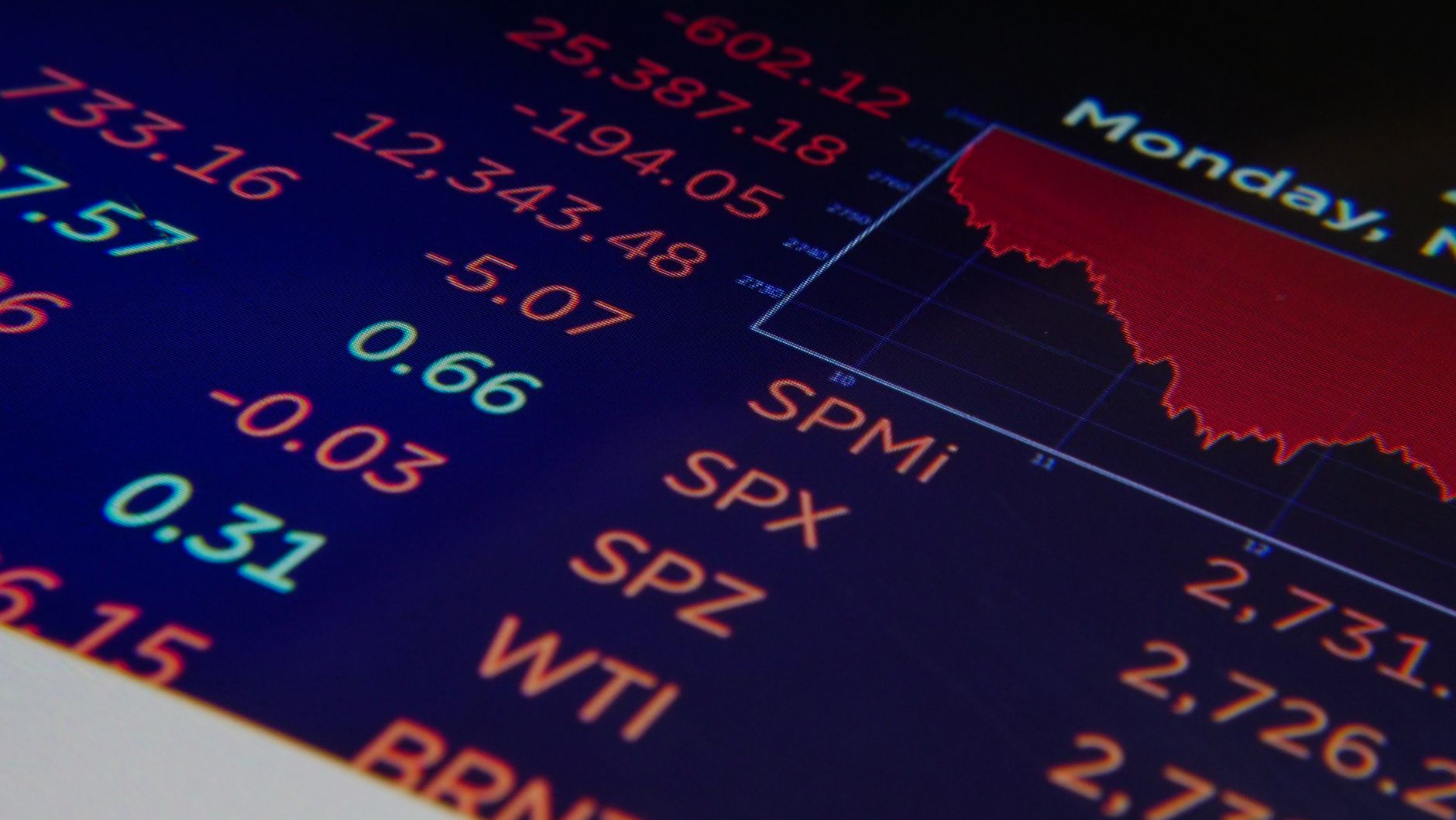
- Oil Price Surge: Crude oil benchmarks, including Brent and WTI, witnessed an immediate and substantial price surge following the incidents, reflecting market anxieties over potential supply disruptions from the Middle East.
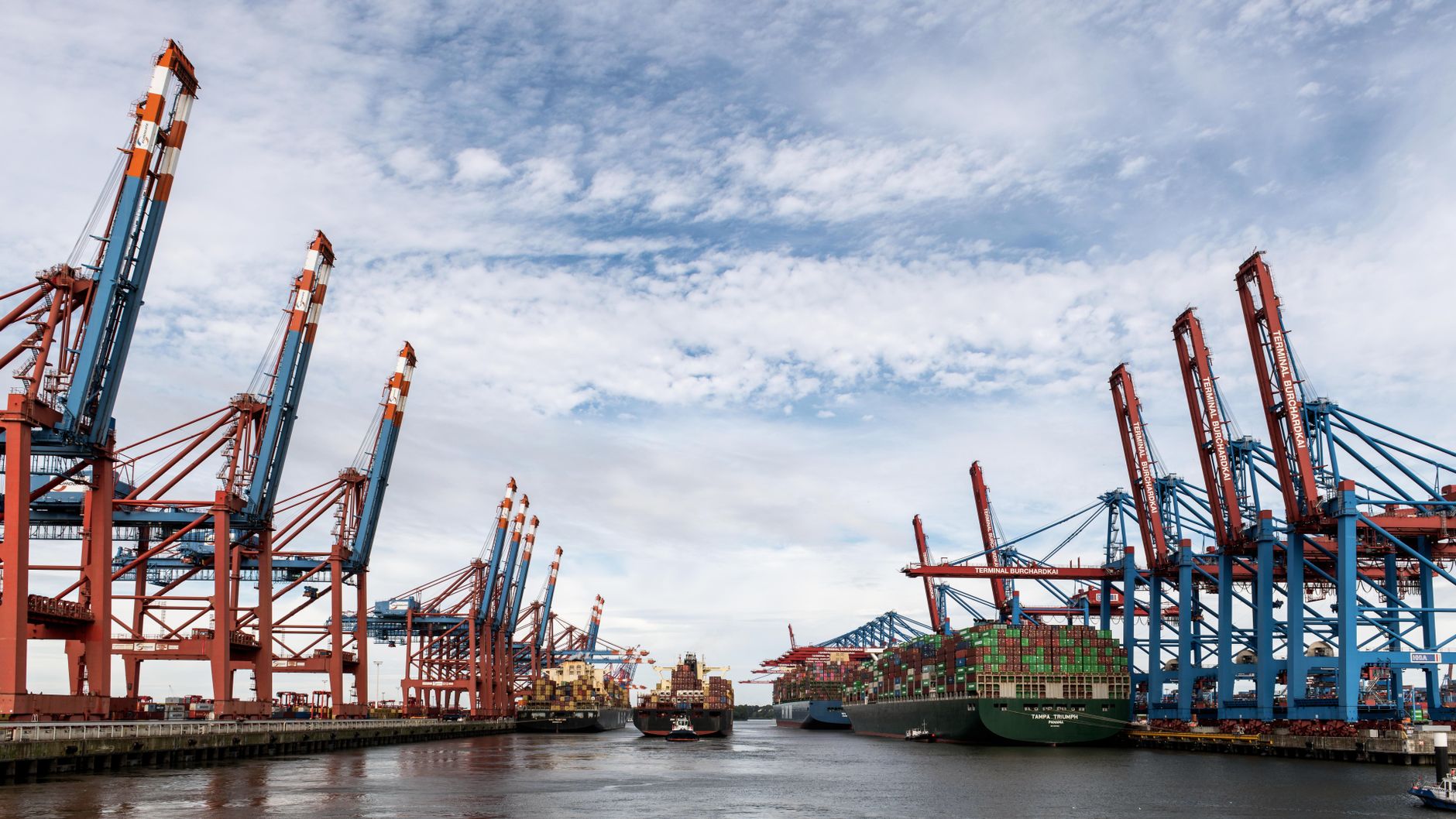
- Supply Chain Disruptions: Major shipping companies have announced rerouting strategies, leading to extended transit times and significantly increased freight costs, which will inevitably ripple through global supply chains and consumer markets.
- International Condemnation: Key global powers and international bodies have issued strong condemnations, urging all parties to exercise restraint and de-escalate tensions to prevent a broader regional conflict with severe economic repercussions.
- Inflationary Pressures Mount: Analysts are forecasting renewed inflationary pressures as energy and shipping costs rise, potentially complicating central banks' efforts to manage monetary policy and achieve price stability targets.
- Market Volatility Expected: Equity markets across Asia, Europe, and North America are bracing for sustained volatility, with investors closely monitoring the situation for further developments that could influence risk appetite and asset allocation.
The Record
On June 14th, at approximately 03:00 GMT, multiple reports confirmed a series of coordinated drone and missile attacks targeting commercial vessels navigating the Bab-el-Mandeb Strait, a critical chokepoint connecting the Red Sea to the Gulf of Aden. This unprecedented escalation, attributed by naval intelligence to a regional non-state actor, immediately triggered a red alert for maritime security. Two oil tankers, the "Pacific Voyager" and the "Global Seafarer," sustained minor damage but were able to proceed, while a third cargo ship, the "Oceanic Dawn," reported a near-miss, forcing a temporary halt to its transit. The incident marks a significant intensification of regional hostilities, directly threatening the flow of global commerce.
The immediate aftermath saw a dramatic reaction across global commodity markets. Brent crude futures surged by over 4% within hours of the news, settling at $85.30 per barrel, while WTI futures climbed to $81.75. Shipping insurance premiums for routes through the Red Sea and Suez Canal skyrocketed by an estimated 200-300%, effectively doubling or tripling the cost of transit for many carriers. This rapid increase in operational expenses is expected to be passed on to consumers, further exacerbating inflationary pressures worldwide. Major shipping firms like Maersk and Hapag-Lloyd have already initiated contingency plans, including rerouting vessels around the Cape of Good Hope, adding weeks to journey times and significantly increasing fuel consumption.
This latest incident follows a pattern of increasing instability in key maritime corridors over the past year, though the scale and coordination of these attacks represent a concerning escalation. Previous sporadic disruptions, while impactful, did not trigger such a widespread and immediate market panic. The current situation draws parallels to historical oil shocks, where geopolitical events in the Middle East directly translated into global economic downturns. Analysts are now closely monitoring whether this represents a new, sustained phase of regional conflict or an isolated, albeit severe, incident. The long-term implications for energy security and the resilience of global supply chains are now under intense scrutiny by governments and corporations alike.
Who Knew and When
Intelligence agencies from several Western nations had issued generalized warnings regarding heightened activity by proxy groups in the region for weeks leading up to the June 14th attacks. These advisories, often disseminated through classified channels to maritime operators and defense ministries, indicated an increased risk of disruption to commercial shipping. However, the specific timing, scale, and coordinated nature of this particular assault appear to have caught many off guard. While the threat landscape was acknowledged, the precise operational capabilities and willingness to execute such a broad attack against multiple vessels simultaneously were seemingly underestimated by some key stakeholders.
Despite these broad warnings, the level of preparedness among commercial shipping fleets varied significantly. While some larger operators had enhanced security protocols and increased their vigilance, many smaller and independent vessels continued to operate with standard security measures, relying on international naval patrols for protection. This disparity highlights a systemic vulnerability within global maritime trade, where the economic pressures of swift transit often outweigh the perceived, albeit growing, security risks. Critics argue that a more unified and robust international response, including enhanced intelligence sharing and proactive defensive measures, should have been implemented given the persistent threats.
The market's immediate, sharp reaction underscores that while risks were known in theory, their materialization in such a dramatic fashion was not fully priced in. Futures markets, despite tracking geopolitical tensions, often struggle to anticipate the exact trigger points for major disruptions. This incident serves as a stark reminder that "known unknowns" can rapidly transform into "known knowns" with severe consequences. Experts now suggest that the cost of doing business in these critical regions will permanently increase, not just through higher insurance premiums, but also through necessary investments in enhanced vessel security, potentially leading to a fundamental re-evaluation of global trade routes and risk assessments by multinational corporations.
Voices from the Ground
"The fear on board was palpable," recounted Captain Anya Sharma of the "Global Seafarer," speaking via satellite phone shortly after the attack. "We heard the explosions, felt the shudder, and immediately knew we were targeted. My crew, many of whom have sailed these waters for decades, are now questioning if any route is truly safe. This isn't just about cargo; it's about the lives of the men and women who keep global trade moving. The psychological toll of navigating through such a volatile zone, knowing you could be a target at any moment, is immense and often overlooked by those far removed from the sea." Her words underscore the very real human cost of escalating geopolitical tensions.
From the boardrooms, the sentiment is equally grim. Lars Jensen, CEO of a mid-sized European logistics firm, stated, "Our margins are already razor-thin, and now we're facing a triple whammy: astronomical insurance hikes, soaring fuel costs from rerouting, and weeks of delays. This isn't sustainable for many businesses, especially those operating on just-in-time inventory models. We're seeing clients panic-buying and desperately seeking alternative suppliers, but the entire global network is interconnected. Ultimately, these costs will be borne by the end consumer, leading to higher prices for everything from electronics to everyday groceries, further fueling inflation." His concerns highlight the cascading economic impact.
Small businesses, particularly those reliant on imported goods, are already feeling the squeeze. Maria Rodriguez, owner of a boutique electronics store in Miami, expressed her frustration: "My latest shipment of specialized components from Asia was supposed to arrive next week; now it's delayed by at least a month, and the shipping cost has nearly doubled. I can't absorb that, and if I pass it on, my customers will go elsewhere. This isn't just a geopolitical issue; it's threatening the livelihoods of countless small entrepreneurs who are simply trying to keep their doors open. We need stability, not constant uncertainty that cripples our ability to plan and grow." Her plea resonates with many struggling against unpredictable global forces.
The Debate
The international community is sharply divided on the most effective response to the escalating maritime aggression. One school of thought, primarily advocated by Western powers, calls for a robust military deterrence, including increased naval presence, enhanced surveillance, and potentially targeted strikes against launch sites if attacks persist. Proponents argue that only a firm show of force can re-establish freedom of navigation and protect vital trade routes, emphasizing that diplomatic overtures alone have proven insufficient in curbing previous provocations. They contend that inaction emboldens aggressors and risks further destabilization of an already volatile region, with severe global economic consequences.
Conversely, a significant bloc of nations, including several emerging economies and some European states, prioritizes diplomatic de-escalation and multilateral engagement. They argue that military intervention risks widening the conflict, drawing in more regional actors, and potentially triggering an even more catastrophic humanitarian and economic crisis. This perspective advocates for intensified negotiations, leveraging international bodies like the UN Security Council, and exploring economic incentives or disincentives to bring all parties to the table. They also highlight the importance of addressing the root causes of instability, such as regional grievances and power imbalances, rather than solely focusing on symptomatic military responses.
A third, more pragmatic, debate centers on the long-term restructuring of global supply chains. Some analysts suggest that regardless of the immediate response, the recurring vulnerabilities in key chokepoints necessitate a fundamental shift away from hyper-efficient, just-in-time models towards more resilient, diversified, and localized production networks. This would involve significant investment in regional manufacturing hubs, strategic stockpiling, and the exploration of alternative, albeit more costly, trade routes. While this approach offers greater security against future disruptions, it would inevitably lead to higher production costs and potentially slower global economic growth, forcing a difficult trade-off between efficiency and resilience for businesses worldwide.

Your Questions Answered
What Accountability Looks Like
The immediate question of accountability points directly to the non-state actor groups operating with varying degrees of support from regional powers. While direct state sponsorship is often difficult to definitively prove in international law, the sophisticated nature of the recent attacks suggests significant backing in terms of intelligence, training, and advanced weaponry. Holding these groups, and by extension their state patrons, accountable is a complex challenge, as they often operate outside conventional state structures and international legal frameworks. This ambiguity allows for deniability, making traditional diplomatic or punitive measures less effective and frustrating international efforts to restore stability.
Beyond the direct perpetrators, there's a broader debate regarding the accountability of international institutions and major maritime powers. Critics argue that the existing framework for ensuring freedom of navigation in critical international waters has proven insufficient in the face of persistent, evolving threats. While naval coalitions exist, their mandates are often limited, and their resources stretched thin across vast, volatile regions. The lack of a unified, proactive, and consistently enforced international security strategy has allowed these threats to fester and escalate, leading to the current crisis. This raises questions about the collective responsibility to safeguard global commons for the benefit of all nations.
Moving forward, true accountability will require a multi-faceted approach. This includes enhanced intelligence sharing and coordinated military responses to deter future attacks, but also robust diplomatic pressure on state actors who enable or tacitly support these groups. Furthermore, there must be a re-evaluation of international maritime law to better address hybrid threats from non-state actors. Ultimately, sustained stability will depend on addressing the underlying geopolitical grievances and power vacuums that fuel such proxy conflicts. Without a comprehensive strategy that tackles both immediate security concerns and root causes, the cycle of disruption and economic instability in these vital shipping lanes is likely to persist, with global repercussions.












Comments
No comments yet. Be the first to comment!