


The Story in Brief
- Former President Trump's campaign has explicitly outlined a bold, potentially disruptive trade agenda, proposing a blanket 10% tariff on all imported goods and a staggering 60% tariff specifically targeting products from China, signaling a drastic shift in global trade policy.
- Leading economic institutions and independent analysts project that these tariffs could significantly contract U.S. GDP, with estimates suggesting a reduction of up to 1.5%, alongside the potential loss of hundreds of thousands of American jobs across various sectors.
- The international community is poised for robust retaliation, as major trading partners like the European Union, Canada, and Mexico are expected to implement their own tariffs on U.S. exports, initiating a cycle of protectionism that could destabilize global commerce.
- Consumers will likely bear the direct brunt of these protectionist measures through substantially higher prices on a vast array of imported goods, from electronics and apparel to everyday household items, eroding purchasing power and increasing inflationary pressures.
- Key sectors such as manufacturing, particularly those reliant on global supply chains, and agriculture, which heavily depends on export markets, face immense disruption, potentially leading to reduced competitiveness and significant market access challenges.
- A vigorous debate continues regarding the efficacy of such tariffs in revitalizing American manufacturing, with proponents arguing for domestic job creation and critics highlighting the severe economic costs, including reduced trade volumes and increased business uncertainty.
The Human Face
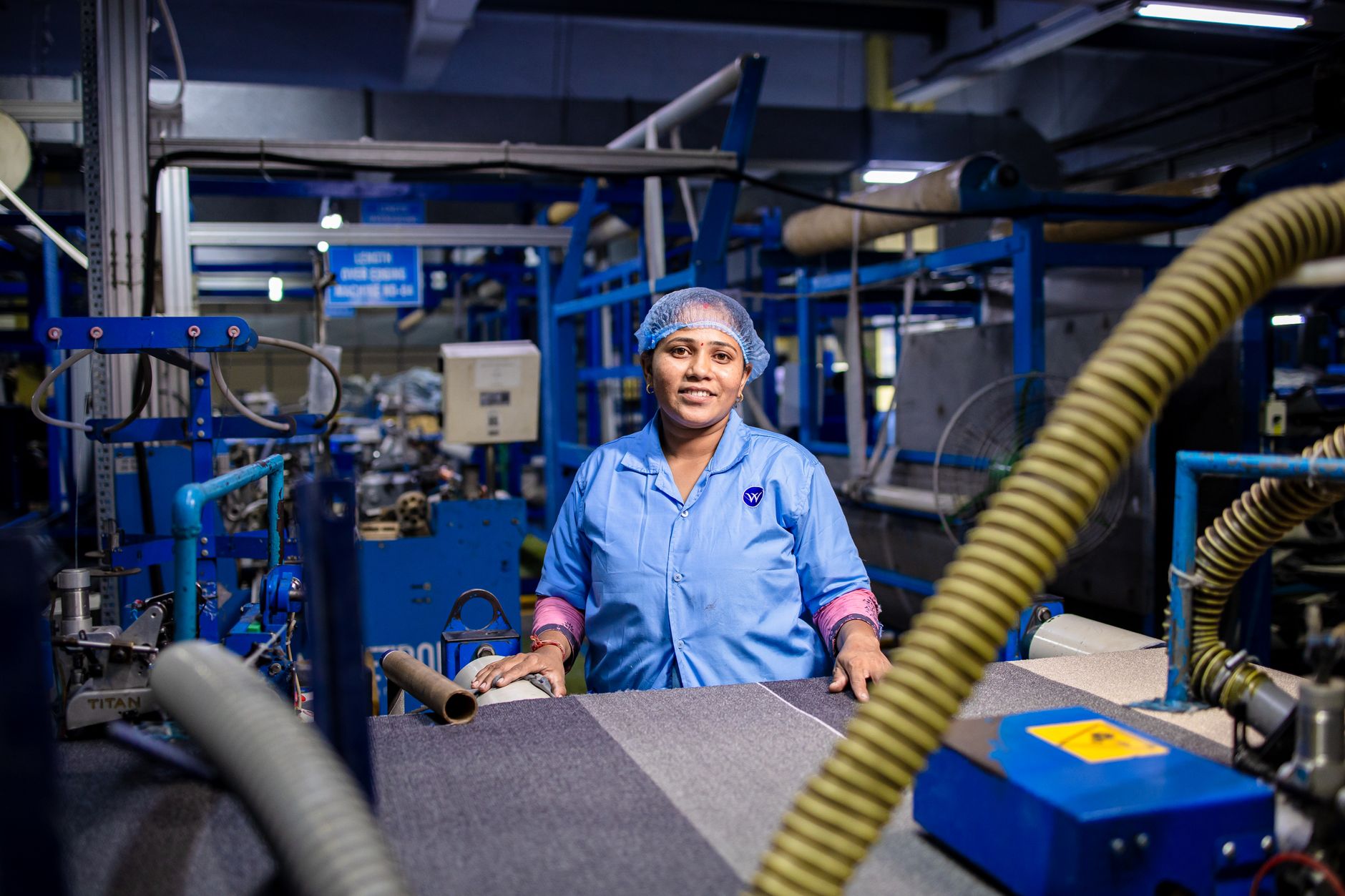
The ripple effects of proposed tariffs will directly impact the livelihoods of countless small business owners and manufacturers across the nation. For companies that rely on imported raw materials or components, a universal 10% tariff translates into an immediate and substantial increase in operational costs. These businesses, often operating on thin margins, will face the difficult choice of absorbing these additional expenses, thereby jeopardizing their profitability, or passing them directly onto consumers, which could diminish demand and competitiveness. This financial squeeze could stifle innovation, slow growth, and even force some smaller enterprises to scale back operations or close entirely, leading to job losses within their communities.
American farmers, a critical segment of the U.S. economy, stand to suffer significantly from the anticipated retaliatory tariffs. When the U.S. imposes tariffs, other nations often respond in kind, targeting key American exports. Agricultural products, from soybeans and corn to dairy and meat, are frequently at the forefront of such trade disputes. This means reduced access to vital international markets, lower prices for their harvests, and a severe blow to their income. Many farming communities are already grappling with economic uncertainties, and a new wave of trade barriers could push them to the brink, jeopardizing the stability of rural economies and the future of family farms.
Ultimately, the burden of these tariffs will largely fall upon the shoulders of everyday American families. While tariffs are technically paid by importers, these costs are almost universally passed down the supply chain, culminating in higher prices at the retail level. Consumers can expect to see increased costs for a vast array of goods, from their morning coffee and household electronics to clothing and automobiles. This erosion of purchasing power, especially for essential items, will disproportionately affect lower and middle-income households, effectively acting as a regressive tax that diminishes disposable income and could contribute to broader inflationary pressures across the economy.
How We Got Here
The foundation for the current tariff proposals traces back to the previous Trump administration, which notably implemented tariffs on steel and aluminum imports, citing national security concerns under Section 232 of the Trade Expansion Act. Additionally, a wide array of tariffs were imposed on Chinese goods under Section 301 of the Trade Act of 1974, aimed at addressing what the administration deemed unfair trade practices, including intellectual property theft and forced technology transfers. These actions ignited significant trade disputes with key partners, though they also led to renegotiations of existing agreements, most notably the replacement of NAFTA with the United States-Mexico-Canada Agreement (USMCA).
The 'America First' trade philosophy, a consistent cornerstone of Trump's economic agenda, underpins these protectionist measures. This ideology prioritizes domestic industries, American jobs, and the reduction of persistent trade deficits, often viewing international trade as a zero-sum game. The belief is that tariffs can level the playing field, compel other nations to negotiate more favorable terms, and incentivize companies to reshore manufacturing. This approach represents a deliberate departure from decades of U.S. policy that largely favored multilateral trade liberalization and global supply chain integration, signaling a fundamental reorientation of economic priorities.
What distinguishes the current proposals from previous actions is their unprecedented scale and scope. A blanket 10% tariff on all imported goods, coupled with a 60% tariff specifically targeting China, represents a dramatic escalation far beyond the targeted measures of the past. This comprehensive approach signals a willingness to fundamentally restructure global trade relationships, potentially triggering widespread economic upheaval. The sheer breadth of these proposed tariffs suggests an unwavering commitment to an aggressive protectionist stance, raising serious questions about the stability of international commerce and the potential for a full-blown global trade war.
Why This Cannot Be Ignored
The proposed tariffs are not merely an adjustment to existing trade policy; they represent a seismic shift away from the multilateral trade framework that has largely governed global commerce for decades, towards an era of aggressive unilateral protectionism. This radical departure could dismantle established international agreements and institutions, potentially triggering a cascading series of retaliatory measures from major trading partners. Such a scenario would plunge the global economy into a full-scale trade war, where nations engage in a tit-for-tat escalation of duties, ultimately harming all participants and undermining the principles of free and fair trade.
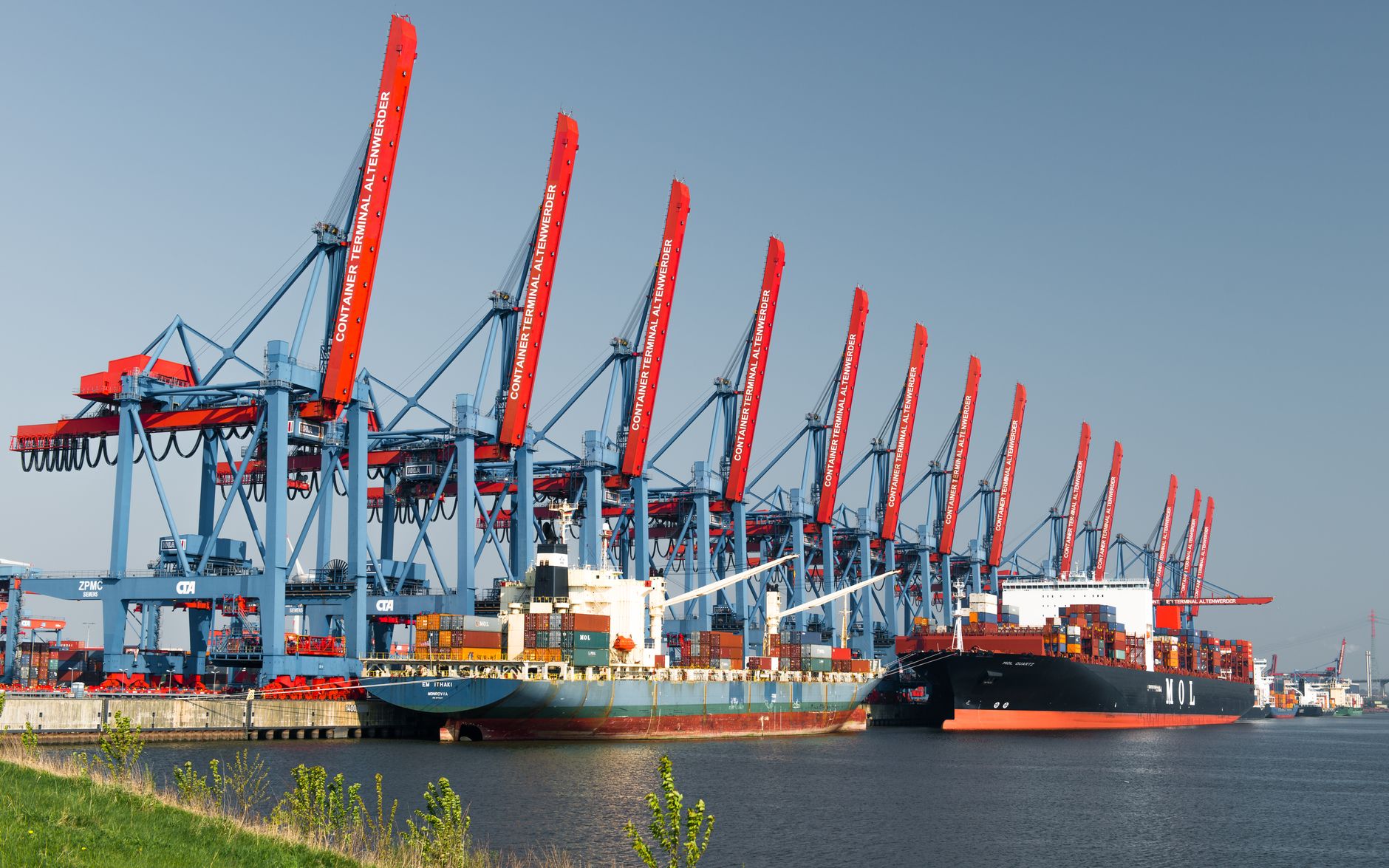
The economic ramifications of such widespread tariffs are profound and far-reaching, threatening to disrupt intricately woven global supply chains that have been optimized over decades for efficiency and cost-effectiveness. Businesses would face immense pressure to reconfigure their sourcing and manufacturing strategies, leading to increased operational costs, delays, and potential shortages of goods. This instability would not only impact corporate bottom lines but also translate into significant economic uncertainty worldwide, dampening investment, slowing economic growth, and potentially pushing vulnerable economies into recession. The interconnected nature of modern commerce means that no nation would be immune to the fallout.
Beyond the immediate economic impact, these tariffs carry significant geopolitical implications, potentially straining diplomatic relations and fostering an environment of distrust among international allies. A protectionist stance from the world's largest economy could be perceived as a challenge to global cooperation and a retreat from international leadership. This could empower rival powers, fragment existing alliances, and complicate efforts to address pressing global challenges that require collective action. The stakes are incredibly high, not just for the global economic order, but for the delicate balance of international relations and the future of multilateralism.
Possible Paths Forward
Should these tariffs be implemented, they would undoubtedly face immediate and strenuous legal challenges on multiple fronts. Internationally, bodies like the World Trade Organization (WTO) would likely see a surge in dispute settlement cases, although the U.S. has historically shown a willingness to disregard or challenge WTO rulings when they conflict with perceived national interests. Domestically, while presidential authority on tariffs is broad, particularly under specific trade statutes, Congress could attempt to push back through legislation or by leveraging its oversight powers. However, the political will and constitutional mechanisms for such a direct legislative override remain complex and historically difficult to achieve, leaving significant power in the executive branch's hands.
In anticipation of or response to new tariffs, businesses worldwide would be compelled to undertake significant strategic adjustments to their supply chains. Companies reliant on imported goods would explore options such as diversifying their sourcing to countries not subject to tariffs, relocating manufacturing facilities to avoid duties, or investing in domestic production capabilities. For many, the immediate response would involve absorbing increased costs, at least initially, to maintain market share. However, this absorption is rarely sustainable long-term, inevitably leading to higher prices for consumers or reduced profitability, forcing a re-evaluation of product lines and market strategies.
The imposition of widespread tariffs would inevitably trigger a new round of intense and potentially fraught negotiations with affected countries. Major trading partners, including the European Union, Canada, Mexico, and China, would likely seek concessions or retaliate with their own tariffs on U.S. exports, creating a complex web of trade disputes. These negotiations would be characterized by high stakes and significant tension, as each nation attempts to protect its domestic industries and economic interests. The outcome could range from a series of bilateral agreements that reshape global trade flows to a prolonged period of trade hostilities, with unpredictable consequences for international economic stability and geopolitical alliances.

Questions People Are Actually Asking
What to Watch
- Closely monitor the evolving political landscape, particularly the clarity of policy statements from presidential candidates regarding trade, as the specifics of any future tariff implementation will profoundly shape market expectations and business strategies.
- Observe the immediate and long-term responses from key international trading partners, including the European Union, China, Canada, and Mexico, as their retaliatory measures or diplomatic engagements will dictate the scope and intensity of any potential trade conflicts.
- Track critical economic indicators such as inflation rates, consumer spending patterns, and GDP growth projections, which will serve as early warnings for the broader economic impact of tariffs on both domestic and global markets.
- Analyze corporate earnings reports and forward-looking statements from companies in tariff-sensitive sectors like manufacturing, automotive, electronics, and agriculture, to gauge the direct financial consequences and strategic adjustments being made.
- Pay attention to any legislative actions or judicial challenges within the U.S. Congress or international trade bodies, which could either temper or accelerate the implementation of new tariff regimes and influence their legal standing.
- Keep an eye on global supply chain adjustments, as businesses will inevitably seek to diversify sourcing, relocate production, or absorb costs, leading to significant shifts in international manufacturing and logistics networks.












Comments
No comments yet. Be the first to comment!