


The Story in Brief
- President Trump is actively engaging with leaders from the world's seven leading industrialized nations at the G7 summit, marking a pivotal moment for international diplomacy and alliance dynamics.
- High on the agenda are the escalating tensions surrounding Iran's nuclear program and regional activities, with leaders seeking a unified approach to de-escalation and potential diplomatic pathways.
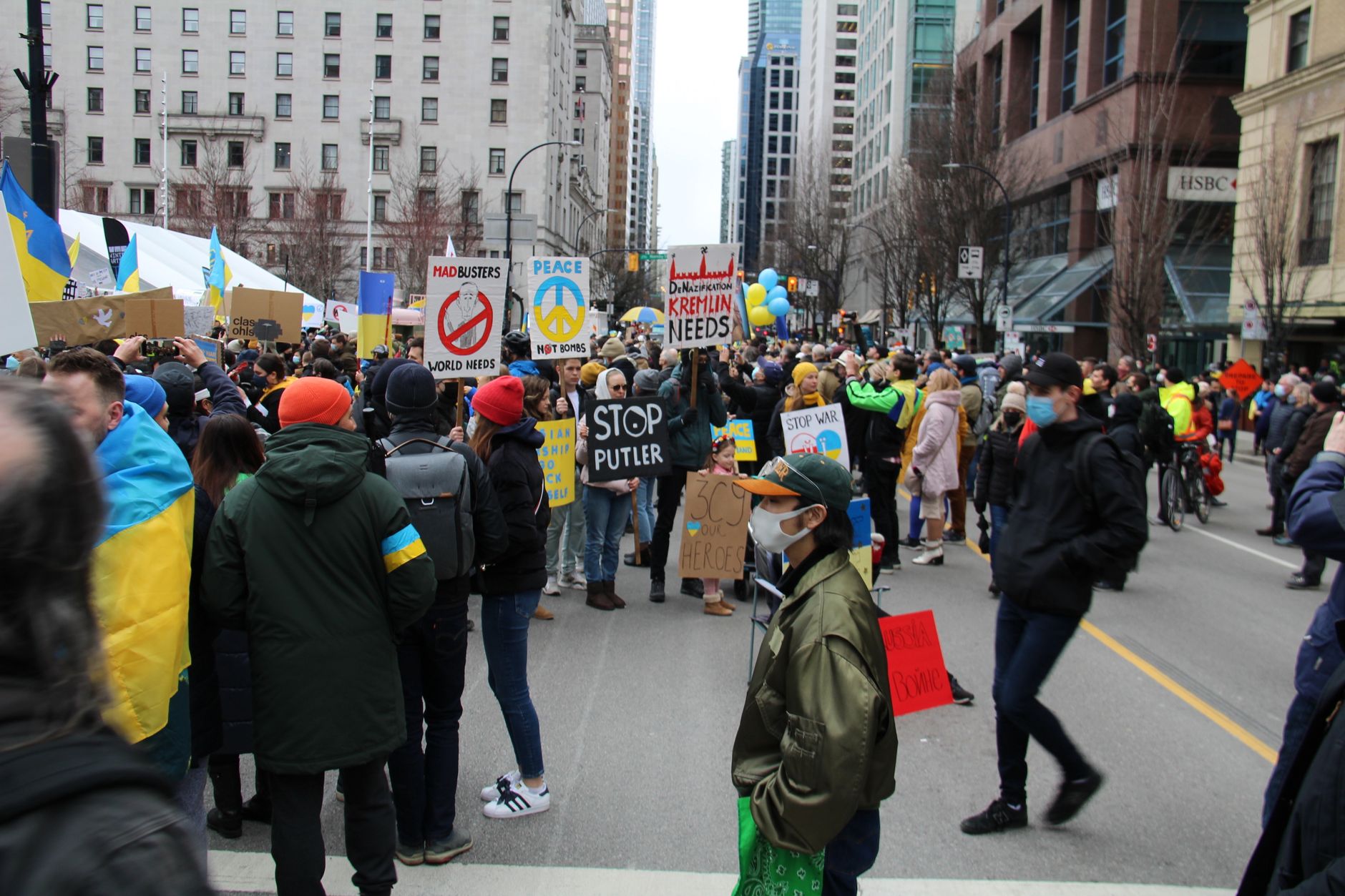
- The protracted conflict in Ukraine, particularly its implications for European security and international law, is undergoing renewed scrutiny as leaders explore avenues for peace and stability.
- Discussions are intensely focused on global trade policies, including the impact of tariffs and protectionist measures, as nations strive to foster economic growth while navigating complex bilateral disputes.
- The urgent crisis of climate change features prominently, with leaders deliberating on commitments to reduce emissions, transition to sustainable energy, and mitigate the irreversible effects of global warming.
- Beyond the primary issues, leaders are also addressing pressing concerns such as digital taxation, cybersecurity threats, and the future of multilateral institutions in an increasingly fragmented world.
The Human Face
The high-level deliberations occurring within the G7 summit, often perceived as distant political theater, directly translate into tangible realities for ordinary citizens across the globe. Consider the intricate web of global trade: a single tariff imposed on imported goods can trigger a ripple effect, leading to increased prices for consumers, reduced demand for specific products, and even job losses in industries reliant on international supply chains. Farmers, factory workers, and small business owners often bear the immediate brunt of these macroeconomic shifts, experiencing direct impacts on their livelihoods and financial stability.
Beyond economics, the G7's stance on environmental policies holds profound implications for public health and the legacy we leave for future generations. Inaction on climate change, for instance, exacerbates extreme weather events, threatens food security, and contributes to air and water pollution, directly impacting the health and well-being of vulnerable communities worldwide. Decisions made or deferred on transitioning to renewable energy, protecting biodiversity, and funding climate resilience initiatives will determine the quality of life for billions, influencing everything from respiratory health in urban centers to the habitability of coastal regions.
Furthermore, the geopolitical stability discussed at these summits has a deeply personal resonance, particularly for families living in regions affected by conflict or political instability. The G7's approach to the Iran nuclear issue, or its efforts to mediate peace in Ukraine, can literally mean the difference between continued conflict and the prospect of peace. These decisions influence humanitarian aid flows, refugee movements, and the broader sense of security that allows societies to function. For millions, the G7 is not just about policy; it's about the fundamental ability to live without fear and to build a stable future.
How We Got Here
The Group of Seven, or G7, boasts a rich and evolving history, originating in 1975 as the G6—comprising France, West Germany, Italy, Japan, the United Kingdom, and the United States—to address the global economic challenges of the time, particularly the oil crisis and the collapse of the Bretton Woods system. Canada joined in 1976, solidifying its current membership. For a period, Russia was included, transforming it into the G8, a move intended to integrate Russia into the Western economic and political order following the end of the Cold War. However, this inclusion proved temporary, reflecting shifting geopolitical realities and persistent ideological divides.
The current high-stakes discussions surrounding Iran's nuclear ambitions and regional influence are deeply rooted in decades of complex geopolitical maneuvering and mistrust. The 2015 Joint Comprehensive Plan of Action (JCPOA), widely known as the Iran nuclear deal, represented a landmark diplomatic effort to curb Iran's nuclear program in exchange for sanctions relief. However, the United States' withdrawal from the agreement in 2018 under the Trump administration, followed by the re-imposition of stringent sanctions, dramatically escalated tensions, leading to Iran's gradual rollback of its commitments and increasing fears of a wider regional conflict. This historical trajectory frames the urgent need for a new consensus.
Similarly, the ongoing conflict in Ukraine has a profound historical context, stemming from the dissolution of the Soviet Union and Ukraine's subsequent pursuit of closer ties with the West. The annexation of Crimea by Russia in 2014, coupled with its support for separatists in eastern Ukraine, marked a significant breach of international law and fundamentally reshaped the European security landscape. This aggression led to Russia's suspension from the G8, reverting the group to the G7. The unresolved territorial disputes, humanitarian crisis, and the broader implications for sovereign integrity continue to fuel a critical dialogue among G7 leaders, seeking a durable resolution to a conflict that has simmered for years.
Why This Cannot Be Ignored
The G7 summit transcends a mere gathering of heads of state; it represents a critical juncture for global stability, where the collective will of the world's leading economies is tested against formidable challenges. The decisions, or lack thereof, regarding Iran's nuclear program carry the potential to either de-escalate a volatile region teetering on the brink of wider conflict or push it further towards confrontation, with devastating consequences for energy markets, international shipping, and regional populations. The world watches intently, understanding that a misstep here could reverberate across continents, impacting alliances and igniting new proxy wars.
Furthermore, the ongoing conflict in Ukraine serves as a stark reminder of the fragility of post-Cold War security architecture and the imperative for robust international norms. The G7's unified stance, or any perceived cracks in its resolve, directly influences the prospects for peace in Eastern Europe and the broader commitment to territorial integrity and national sovereignty. A failure to present a cohesive front could embolden revisionist powers and undermine the very principles upon which global security is built, potentially leading to prolonged instability and humanitarian crises that demand sustained international attention and resources.
Beyond geopolitical flashpoints, the summit's deliberations on global trade and climate change hold immense significance for sustained economic prosperity and environmental stewardship. Disagreements on trade tariffs and protectionist measures threaten to unravel decades of economic integration, potentially triggering recessions, disrupting supply chains, and increasing consumer costs worldwide. Concurrently, the G7’s commitment, or lack thereof, to ambitious climate targets will dictate the planet's trajectory for generations, influencing everything from sea-level rise and extreme weather events to food security and public health, underscoring the profound, long-term implications of these high-level discussions.
Possible Paths Forward
On the critical issue of Iran, G7 leaders face a spectrum of potential outcomes, ranging from renewed diplomatic engagement to further escalation. One optimistic path involves European powers successfully mediating a de-escalation, perhaps by offering limited economic incentives to Iran in exchange for a return to full compliance with the JCPOA, while simultaneously urging the U.S. to consider a more flexible approach to sanctions. Alternatively, a unified G7 front could present Iran with a clear set of demands and consequences, potentially leading to a new, broader negotiation framework that addresses both nuclear and regional concerns. However, the risk of continued deadlock, leading to Iran further enriching uranium and regional instability, remains a palpable concern.
Regarding the protracted conflict in Ukraine, the G7 could collectively exert renewed pressure for a diplomatic resolution, potentially by strengthening existing sanctions against Russia while simultaneously offering enhanced support to Ukraine's sovereignty and territorial integrity. This might involve pushing for a new round of peace talks in a format that includes all relevant stakeholders, aiming for a comprehensive ceasefire and a roadmap for political settlement. Another path could see G7 nations coordinating efforts to bolster Ukraine's defense capabilities and economic resilience, signaling a long-term commitment to its independence. Conversely, a failure to present a united front could allow the conflict to continue simmering, perpetuating instability and humanitarian suffering in the region.
For global trade disputes, the G7 summit offers an opportunity for leaders to either find common ground on contentious issues like tariffs and intellectual property rights or risk further fragmentation of the global economy. A positive outcome could involve a commitment to multilateral trade principles, perhaps through a joint declaration against protectionism and a pledge to reform the World Trade Organization. Bilateral discussions might yield partial agreements, reducing specific tariffs or resolving particular market access issues. However, if leaders fail to bridge their differences, the world could see an intensification of trade wars, leading to significant disruptions in global supply chains, increased costs for businesses and consumers, and a slowdown in worldwide economic growth, impacting prosperity across all member nations.
Questions People Are Actually Asking
What to Watch
- Closely monitor any joint statements or communiqués issued regarding Iran, specifically looking for unified language on sanctions relief, diplomatic pathways, or a clear set of demands for Tehran's nuclear program and regional conduct.
- Observe for new diplomatic initiatives or strengthened commitments concerning the Ukraine conflict, including potential proposals for renewed peace talks, enhanced security assistance, or a more robust framework for enforcing existing agreements.
- Scrutinize the outcomes of global trade discussions, particularly any indications of de-escalation in tariff disputes, progress on bilateral trade deals, or a collective pledge to support and reform the World Trade Organization.
- Pay close attention to the specific commitments made on climate change, including new targets for emissions reductions, pledges for financial contributions to climate adaptation funds, or strategies for accelerating the transition to renewable energy.
- Look for signs of consensus or continued divergence among leaders on broader geopolitical issues, such as the future role of multilateral institutions, approaches to China's economic influence, and strategies for combating global disinformation campaigns.
- Anticipate any unexpected bilateral meetings or side agreements that could signal shifts in alliance dynamics or open new avenues for diplomacy outside the formal G7 agenda, particularly concerning contentious issues.














Comments
No comments yet. Be the first to comment!