

What We Know
- The G7 summit, hosted in Biarritz, France, unexpectedly became the backdrop for high-stakes diplomatic overtures between the United States and Iran, shifting its focus from traditional economic discussions.
- US President Donald Trump confirmed that Iranian Foreign Minister Mohammad Javad Zarif was present in Biarritz, engaging in direct discussions with American officials, signaling a significant departure from previous non-engagement policies.
- This unannounced meeting, orchestrated by French President Emmanuel Macron, represents a potential diplomatic breakthrough after months of escalating tensions and confrontational rhetoric between Washington and Tehran.
- France has actively positioned itself as a key mediator, working tirelessly behind the scenes to de-escalate the volatile situation and create a channel for direct communication between the two estranged nations.
- The presence of Zarif at the summit, despite Iran not being a G7 member, underscores the urgency and gravity of the situation, with global leaders recognizing the imperative to prevent a wider conflict in the Middle East.
- Initial reports indicate that the discussions focused on potential pathways to ease sanctions on Iran in exchange for commitments regarding its nuclear program, though specific details remain tightly guarded.
What We Do Not Know Yet
- The precise scope and depth of the discussions held between US and Iranian officials remain largely undisclosed, leaving observers to speculate on the concrete proposals exchanged and the level of mutual commitment.
- It is unclear whether this initial diplomatic engagement will genuinely lead to a sustained de-escalation of tensions or merely represent a temporary pause in a long-standing and deeply entrenched geopolitical standoff.
- The full extent of France's mediating role, including any specific concessions or assurances offered to either side, has not been publicly detailed, making it difficult to assess the sustainability of this diplomatic channel.
- The immediate reactions and long-term strategies of other key G7 leaders, especially those who have been critical of US policy towards Iran, are yet to be fully articulated, potentially influencing future negotiations.
- Whether this diplomatic opening can overcome significant domestic political opposition within both the United States and Iran, where hardliners hold considerable sway, remains a critical unanswered question.
- The potential impact on regional allies and adversaries, particularly Saudi Arabia and Israel, who have strong interests in the US-Iran dynamic, is still uncertain and could complicate any future agreements.
Background
Tensions between the United States and Iran have been alarmingly high since May 2018, when the US unilaterally withdrew from the Joint Comprehensive Plan of Action (JCPOA), commonly known as the Iran nuclear deal. This pivotal decision, enacted by the Trump administration, reversed years of painstaking international diplomacy and immediately triggered the reimposition of stringent economic sanctions against Tehran. The stated goal was to force Iran to negotiate a new, more comprehensive agreement addressing its ballistic missile program and regional influence, but the immediate effect was a dramatic escalation of rhetoric and a severe blow to Iran's already struggling economy.
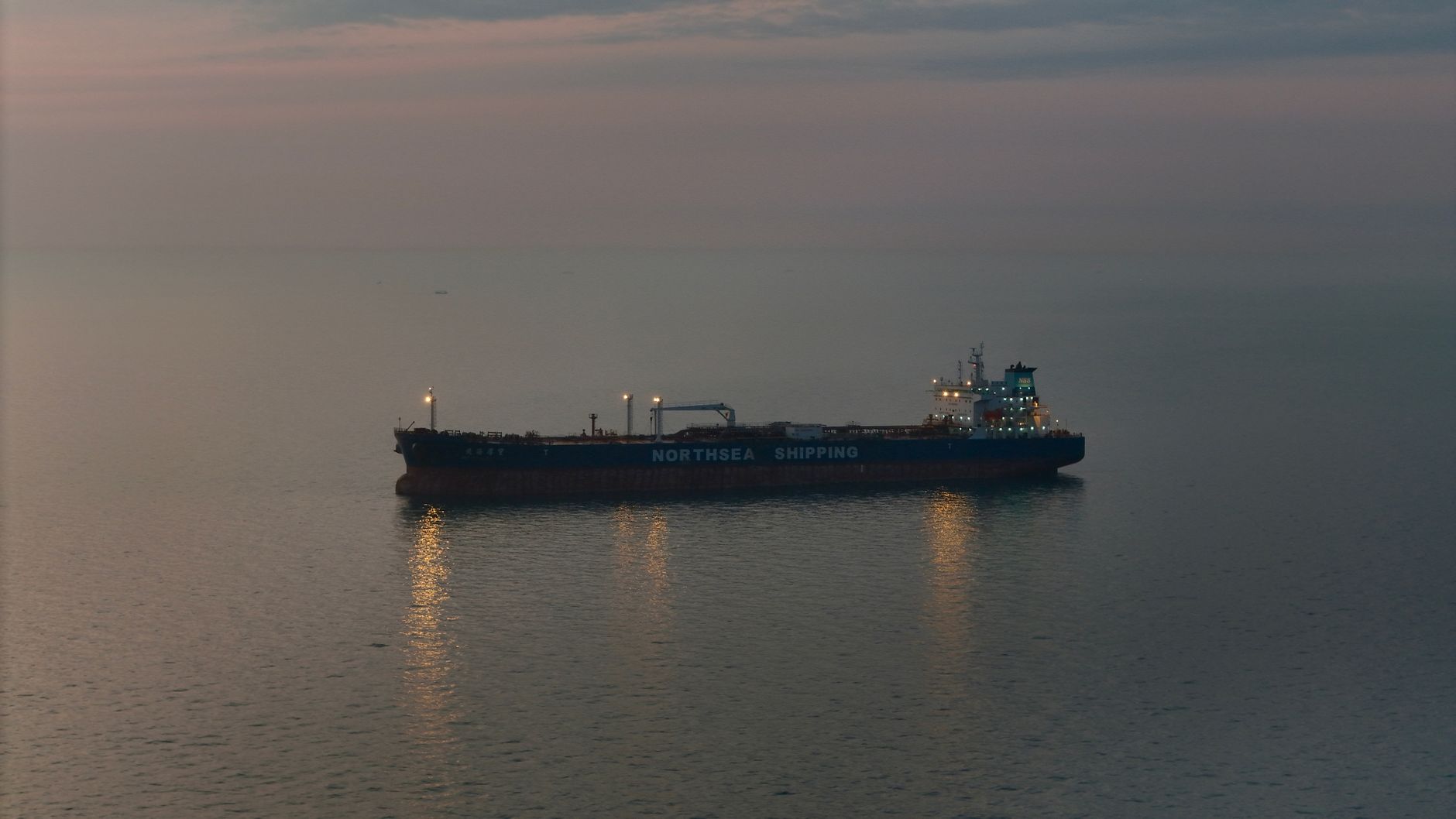
The reimposition of sanctions plunged Iran into significant economic hardship, leading to widespread public discontent and a more confrontational stance from the Iranian government. In response, Iran began to incrementally reduce its commitments under the nuclear deal, increasing uranium enrichment levels and stockpiles, further ratcheting up global anxieties. This period also saw a series of alarming incidents in the Persian Gulf, including attacks on oil tankers, drone shoot-downs, and heightened military posturing by both sides, bringing the region perilously close to open conflict and sparking international calls for de-escalation.
Amidst this escalating crisis, France, under the leadership of President Emmanuel Macron, emerged as a persistent and proactive mediator. Macron has consistently advocated for diplomatic solutions, engaging in extensive shuttle diplomacy between Washington and Tehran in an effort to bridge the widening chasm. His strategy has centered on creating a framework for dialogue, often involving proposals for economic relief for Iran in exchange for verifiable commitments to de-escalation and a return to full compliance with nuclear safeguards, ultimately paving the way for the unexpected meeting at the G7 summit.
Why It Matters
The potential for a diplomatic breakthrough between the United States and Iran carries immense global significance, primarily because it could avert a catastrophic military conflict in the Middle East. The region, already a hotbed of instability, cannot afford another major war, which would inevitably draw in multiple international actors, unleash devastating humanitarian consequences, and create unprecedented refugee crises. A successful de-escalation would pull the world back from the brink of a conflict that analysts widely agree would have no clear winners and would destabilize global security for decades.
Beyond preventing direct military confrontation, a diplomatic resolution could also bring much-needed stability to global energy markets. The Persian Gulf is a crucial artery for international oil shipments, and any disruption due to conflict or heightened tensions immediately sends shockwaves through oil prices, impacting economies worldwide. A sustained diplomatic process could calm these markets, ensuring more predictable and affordable energy supplies, which is vital for global economic growth and stability, benefiting consumers and businesses far beyond the Middle East.
Furthermore, a successful negotiation could potentially lead to the crafting of a new, more robust nuclear deal or a return to the original JCPOA with additional protocols. This would significantly bolster the international non-proliferation regime, reassuring the global community about Iran's nuclear ambitions and preventing a regional arms race. The credibility of international diplomacy itself is also on the line; a breakthrough would demonstrate that even the most intractable geopolitical disputes can be resolved through dialogue, offering a vital precedent for future global challenges and restoring faith in multilateral engagement.
Timeline of Events
- July 14, 2015: The Joint Comprehensive Plan of Action (JCPOA), a landmark nuclear deal, is signed between Iran and the P5+1 group of world powers, aiming to curb Iran's nuclear program in exchange for sanctions relief.
- May 8, 2018: US President Donald Trump announces the unilateral withdrawal of the United States from the JCPOA, describing it as 'defective,' and signals the immediate reimposition of stringent economic sanctions on Iran.
- May-July 2019: A period of intense escalation unfolds, marked by attacks on oil tankers in the Gulf of Oman, the downing of a US surveillance drone by Iran, and retaliatory cyberattacks, pushing US-Iran relations to a dangerous precipice.
- July 2019: Iran announces it has surpassed the uranium enrichment limits set by the JCPOA, a move designed to pressure European signatories to provide economic relief and underscore its dissatisfaction with US sanctions.
- August 24-26, 2019: The G7 summit convenes in Biarritz, France, with global leaders gathering to discuss pressing international issues, including trade, climate change, and regional conflicts.
- August 25, 2019: Iranian Foreign Minister Mohammad Javad Zarif makes a surprise, unannounced visit to Biarritz at the invitation of French President Emmanuel Macron, engaging in unprecedented direct talks with American officials on the sidelines of the G7 summit.
Rapid-Fire Q&A
What Is Coming
- Intensified diplomatic efforts are expected to continue, potentially involving further high-level meetings between US and Iranian envoys, possibly facilitated by European powers, to build upon the initial engagement at the G7 summit.
- Close monitoring of Iran's responses to any proposed concessions or demands will be crucial, particularly regarding its adherence to nuclear commitments and its regional activities, as these will dictate the pace and direction of future negotiations.
- Reactions from other global powers, especially the remaining signatories of the JCPOA (UK, Germany, China, Russia), will significantly influence the trajectory of talks, as their coordinated support or dissent could either bolster or undermine the fragile diplomatic process.
- The United States will likely face internal and external pressure to clarify its long-term strategy for Iran, balancing the desire for a new deal with the demands of hardliners who advocate for continued maximum pressure.
- Any concrete progress will hinge on the willingness of both Washington and Tehran to make tangible concessions, which will require navigating complex domestic political landscapes and overcoming decades of mistrust and ideological opposition.
- The broader geopolitical landscape of the Middle East will remain volatile, with regional allies and adversaries of both the US and Iran closely watching developments and potentially adjusting their own foreign policy stances in response to any perceived shifts.






Comments
No comments yet. Be the first to comment!