

At a Glance
- A critical, U.S.-brokered cease-fire has been announced, temporarily halting the intense cross-border hostilities between Israeli forces and Hezbollah militants that threatened to engulf the region in a wider conflict.
- The United States spearheaded extensive diplomatic efforts, with senior envoys engaging in complex shuttle diplomacy to secure this fragile agreement, underscoring Washington's commitment to de-escalation.
- Weeks of escalating tensions along the northern Israeli and southern Lebanese borders have displaced thousands of civilians and caused significant infrastructure damage, highlighting the urgent need for a durable resolution.
- While the immediate cessation of fire is confirmed, specific details regarding the terms of the agreement, including monitoring mechanisms and long-term security guarantees, are still being meticulously finalized and are crucial for its sustainability.
- The fragile peace holds immense implications for regional stability, with international observers cautiously optimistic but also keenly aware of the historical volatility and the potential for rapid re-escalation if commitments are not rigorously upheld.
- Both Israeli and Hezbollah officials have publicly acknowledged the agreement, expressing a guarded optimism for its potential to prevent further bloodshed, though underlying grievances and strategic objectives remain deeply entrenched.
The Record
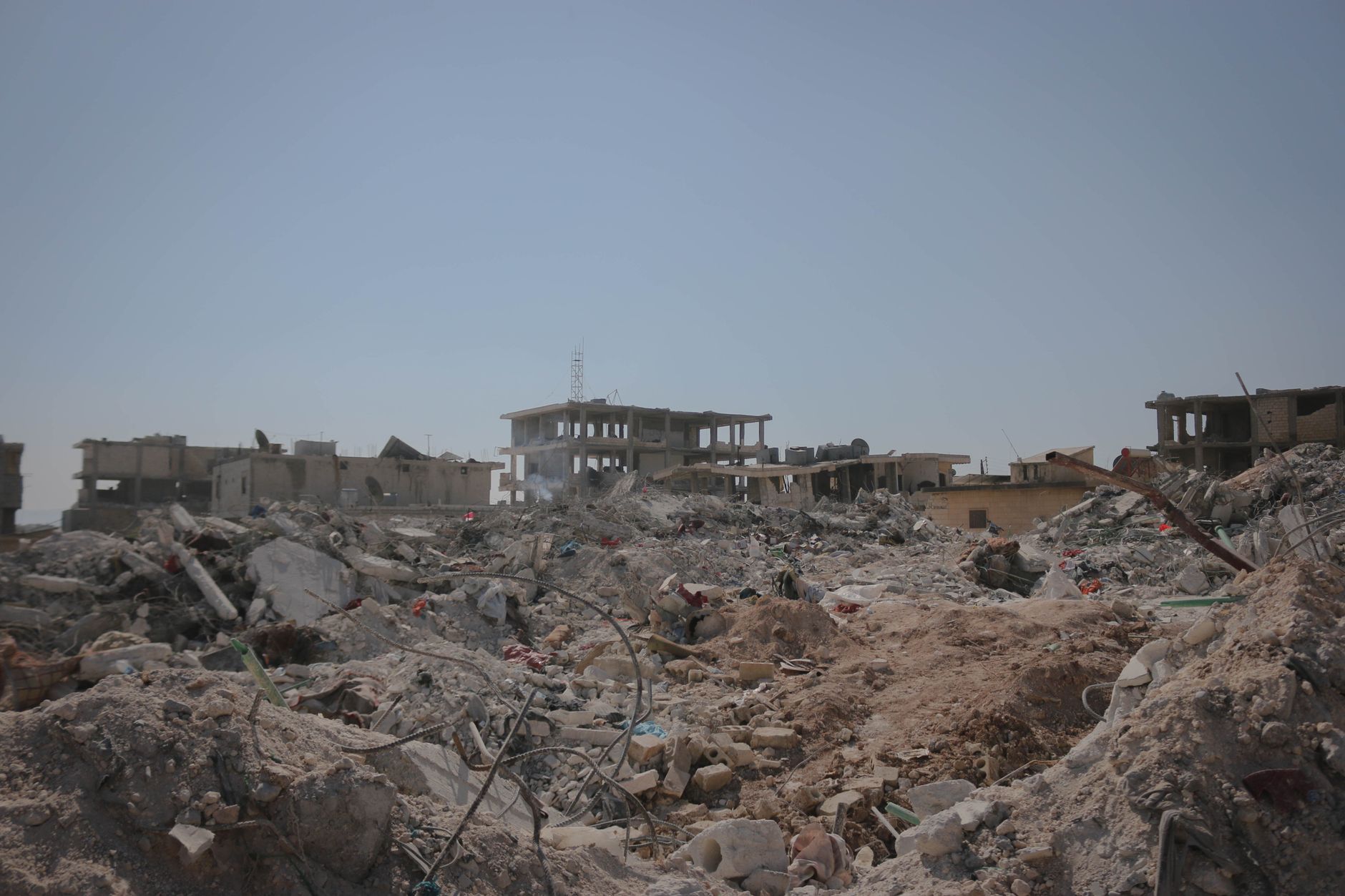
For weeks, the northern border of Israel and southern Lebanon has been a dangerous flashpoint, witnessing relentless exchanges of fire between Israeli forces and Hezbollah militants. This period of intense hostility, triggered by a series of provocations and retaliatory strikes, threatened to spiral catastrophically into a wider regional conflict, drawing in other actors and destabilizing an already volatile Middle East. The cumulative impact of these skirmishes has been profound, displacing tens of thousands of civilians from their homes and causing extensive damage to vital infrastructure on both sides of the border, creating an urgent humanitarian crisis.
The escalation was not unforeseen; analysts had warned for months about the precarious balance of power and the potential for miscalculation in the absence of robust de-escalation mechanisms. Each rocket launch and retaliatory airstrike deepened the cycle of violence, eroding trust and hardening positions, making diplomatic breakthroughs increasingly challenging. The international community watched with growing apprehension as the conflict intensified, recognizing that a full-scale war between Israel and Hezbollah would have devastating consequences far beyond the immediate combat zones, impacting global energy markets and regional security alliances.
Previous attempts at de-escalation or cease-fires have often proven temporary, highlighting the deep-seated animosities and complex geopolitical factors at play. The current agreement, therefore, arrives against a backdrop of historical mistrust and persistent security dilemmas. Its success hinges not just on the immediate cessation of hostilities, but on the willingness of all parties to engage in sustained dialogue and address the root causes of the conflict, rather than simply patching over the symptoms of a much larger, systemic issue that has plagued the region for decades.
Who Knew and When
Diplomatic efforts to secure a cease-fire have been underway for an extended period, intensifying dramatically over the past 72 hours as the conflict reached a critical boiling point. Sources close to the highly sensitive negotiations indicate that high-level, discreet discussions involving U.S. envoys, Lebanese officials, and Israeli representatives were meticulously conducted in various European capitals, far from the public eye. The breakthrough came only after a particularly intense round of shuttle diplomacy, where specific concessions, security guarantees, and verification protocols were painstakingly ironed out by all parties involved.
Early indications of significant progress began to surface late yesterday evening, with senior U.S. officials cautiously briefing key allies on the potential for an imminent agreement. These preliminary reports, initially met with skepticism given the volatile nature of the conflict, quickly gained traction as further details emerged from diplomatic channels. The White House, while refraining from public comment during the most delicate phases of negotiation, maintained constant communication with both Jerusalem and Beirut, emphasizing the urgent need for de-escalation to prevent a regional catastrophe.
The timing of the announcement, following a period of heightened military activity, suggests that both sides were pushed to the brink, recognizing the unsustainable trajectory of the conflict. Intelligence agencies and international mediators had been providing stark assessments of the escalating risks, which likely spurred the intensified diplomatic push. Ultimately, the confluence of sustained international pressure, the growing human cost, and the looming threat of wider regional instability created the necessary conditions for this critical, albeit potentially fragile, agreement to finally materialize.
Voices from the Ground
Residents in northern Israel and southern Lebanon have endured weeks of relentless anxiety, fear, and profound disruption. Many have been forced to abandon their homes, becoming internally displaced persons seeking refuge further south or north, away from the immediate line of fire. The psychological toll on these communities has been immense, with children particularly vulnerable to the trauma of constant sirens, explosions, and the pervasive uncertainty of their future. Their lives have been upended, and the scars of this conflict will undoubtedly linger long after the guns fall silent.
The news of a potential cease-fire, while met with cautious relief, is also accompanied by deep skepticism, born from past agreements that have often proven fragile and short-lived. "We've heard this before," remarked a displaced Lebanese mother, "and each time, the peace is broken, and we are forced to flee again. We need real security, not just a temporary lull." This sentiment is echoed by Israeli families living near the border, who express a desperate yearning for genuine, lasting peace, not merely a pause that allows both sides to regroup before the next inevitable confrontation.
The voices from the ground underscore the urgent need for robust implementation and rigorous monitoring of any agreement. For those directly impacted, the cease-fire is not merely a political triumph but a lifeline, offering a glimmer of hope for a return to normalcy and stability. Their experiences serve as a stark reminder to policymakers that the human cost of conflict is immeasurable, and that any sustainable resolution must prioritize the safety, well-being, and long-term security of the civilian populations caught in the crossfire.
The Debate
The cease-fire agreement immediately sparks a complex and multifaceted debate regarding its long-term implications and the intractable underlying issues that perpetually fuel the conflict. Critics on both sides argue vehemently that without fundamentally addressing Hezbollah's extensive armament and its entrenched presence near the border, or Israel's security concerns and regional strategy, any cease-fire remains merely a temporary reprieve. They contend it allows both adversaries to rearm, regroup, and consolidate their positions, setting the stage for an inevitable future confrontation rather than fostering genuine peace.
Proponents of the agreement, however, emphasize the immediate, undeniable necessity of de-escalation to prevent a full-scale, catastrophic regional war. They argue that diplomatic channels, once successfully opened and utilized for crisis management, can then be strategically leveraged to tackle deeper, more structural problems that have historically plagued the region. For them, the cease-fire represents a crucial first step, a breathing space, without which any discussion of long-term solutions would be utterly impossible amidst active hostilities and escalating violence.
The fundamental challenge lies in balancing immediate security needs and humanitarian imperatives with the arduous, often frustrating, pursuit of a comprehensive political solution. This solution must not only ensure lasting stability but also effectively prevent future flare-ups by addressing the core grievances and strategic objectives of all involved parties. The ongoing debate highlights the profound complexities of Middle East diplomacy, where short-term tactical gains must always be weighed against the imperative for enduring, strategic peace, a goal that remains elusive but absolutely essential.
Your Questions Answered
What Accountability Looks Like
Ensuring robust accountability for adherence to this cease-fire agreement is absolutely paramount for its long-term success, credibility, and the restoration of trust. This will necessitate the establishment of truly impartial and highly effective monitoring mechanisms, potentially involving an significantly expanded mandate and increased resources for UNIFIL (United Nations Interim Force in Lebanon), or the deployment of a newly established, independent international observer mission. Without such a framework, the agreement risks becoming another temporary pause, rather than a foundational step towards enduring peace, leaving civilian populations perpetually vulnerable to renewed conflict and undermining all future diplomatic efforts.
Regular, transparent, and publicly accessible reporting on any alleged violations will be crucial to maintaining the integrity of the cease-fire. This transparency must be coupled with clear, predefined consequences for non-compliance, which could range from diplomatic sanctions and condemnations to the activation of pre-agreed enforcement measures. The international community, particularly the U.S. and other mediating powers, must be prepared to exert consistent pressure on any party that deviates from the agreement, demonstrating unwavering commitment to its terms.
The ultimate measure of accountability will be the tangible improvement in security and stability for the affected populations. If the cease-fire fails to deliver a sustained period of peace, allowing communities to rebuild and displaced persons to return safely, then its mechanisms will be deemed insufficient. Therefore, the accountability framework must not only detect breaches but also actively contribute to building confidence between the parties, fostering an environment where dialogue can replace confrontation, and ensuring that the agreement serves as a genuine pathway to a more stable future.














Comments
No comments yet. Be the first to comment!