
Policy Snapshot
- FIFA's governance model faces persistent criticism regarding transparency and accountability, particularly concerning the awarding of major tournaments and financial dealings.
- Allegations of corruption and ethical breaches have plagued FIFA for years, leading to calls for independent oversight and stricter ethical codes for officials.
- The impact of hosting decisions on human rights, labor conditions, and environmental sustainability is increasingly scrutinized, placing pressure on FIFA to adopt more responsible practices.
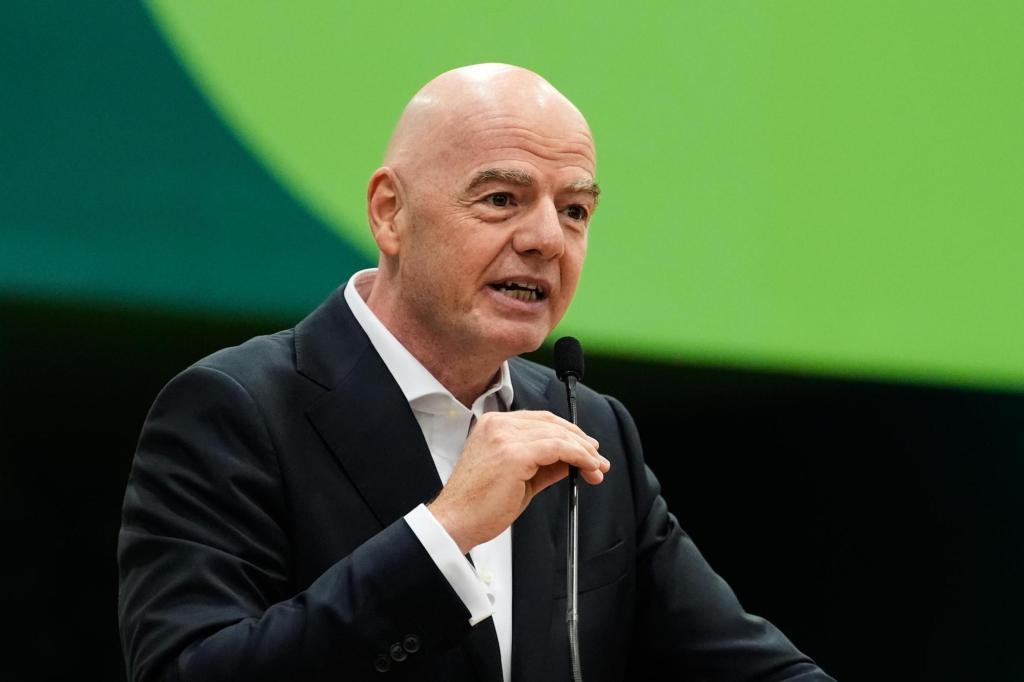
- President Gianni Infantino's leadership has been marked by efforts to reform FIFA's image, yet critics argue that fundamental structural issues remain unaddressed.
- The commercialization of football, including lucrative sponsorship deals and broadcast rights, raises questions about the balance between profit motives and the sport's integrity.
- Disputes over revenue distribution and the allocation of funds to member associations highlight ongoing challenges in ensuring equitable development and fair play across the global football community.
The Policy History
FIFA's history is deeply intertwined with controversies that have shaped its current governance structure and public perception. Decades of allegations, ranging from bribery in the awarding of World Cup hosting rights to financial mismanagement, culminated in a major corruption scandal in 2015. This scandal led to the indictment of numerous high-ranking officials and the eventual resignation of then-President Sepp Blatter. In the aftermath, Gianni Infantino was elected, promising a new era of reform and transparency. However, the path to rebuilding trust has been arduous, with persistent questions about the effectiveness of the reforms implemented and the true extent of change within the organization. The legacy of past misconduct continues to cast a long shadow, influencing how stakeholders and the public view FIFA's decisions and leadership.
The evolution of FIFA's statutes and ethical codes reflects a reactive approach to crises rather than proactive governance. Following the 2015 scandal, significant revisions were made to enhance accountability, introduce term limits, and establish independent ethics committees. Yet, the implementation and enforcement of these new regulations have been subjects of ongoing debate. Critics often point to instances where investigations appeared slow, outcomes were perceived as lenient, or the independence of ethics bodies was questioned. This pattern of perceived shortcomings fuels skepticism about FIFA's commitment to genuine reform. The organization's ability to self-regulate remains a central point of contention, with many advocating for external oversight to ensure true accountability and prevent future transgressions.
The global expansion of football and FIFA's increasing influence have amplified the stakes associated with its governance. As the sport generates billions of dollars annually, the pressure to maintain integrity and fairness is immense. Decisions regarding tournament locations, commercial partnerships, and the distribution of wealth have far-reaching economic, social, and political implications. The current leadership, under Infantino, has focused on expanding the World Cup and increasing revenue streams, which has brought both opportunities and new challenges. Balancing the commercial imperatives with the ethical responsibilities of promoting football universally remains a delicate act, constantly tested by the complex realities of international sport and politics.
Who Is Affected
The decisions and governance of FIFA have a profound and wide-reaching impact on a diverse array of stakeholders. National football associations, particularly those in developing nations, rely heavily on FIFA's funding and support for infrastructure, youth development, and grassroots programs. However, the allocation of these resources and the transparency surrounding them are often points of concern, potentially creating dependencies and limiting independent growth. Players, the very heart of the sport, are affected by decisions regarding tournament formats, player welfare standards, and the integrity of competitions. Scandals and poor governance can tarnish the reputation of the sport and its athletes, impacting their careers and the broader appeal of football.
Fans worldwide are directly impacted by FIFA's choices, from the selection of host countries, which can involve significant human rights and labor concerns, to the pricing of tickets and broadcast rights. The perceived lack of transparency and the ethical questions surrounding major decisions can erode fan trust and diminish their enjoyment of the sport. Sponsors and commercial partners, who invest billions into football, are also affected. Their brand reputation can be jeopardized by association with controversial decisions or scandals, leading to increased pressure on FIFA to maintain high ethical standards. Furthermore, the media, tasked with reporting on the sport, face challenges in covering FIFA critically amidst potential access restrictions and the organization's powerful influence.
Beyond the immediate football ecosystem, the broader global community is increasingly affected by FIFA's actions. Host nations often face significant economic, social, and environmental consequences from hosting mega-events like the World Cup. Issues such as labor rights abuses during infrastructure construction, displacement of communities, and the long-term sustainability of venues are critical concerns. Human rights organizations and activists actively monitor FIFA's role, advocating for greater accountability and the protection of vulnerable populations. The organization's stance on geopolitical issues and its influence on international relations, particularly through the universality of the sport, also mean that its governance has implications that extend far beyond the pitch.
The Case For FIFA's Current Direction
Proponents of FIFA's current trajectory, particularly under President Gianni Infantino, often highlight the significant financial growth and increased investment in football development worldwide. They point to initiatives like 'FIFA Forward,' which aims to provide substantial funding to all member associations for infrastructure and development projects, thereby fostering the global growth of the sport. The expansion of the World Cup, while controversial, is also framed as an opportunity to include more nations, increase revenue, and broaden the sport's reach, democratizing access to the pinnacle of international football. This perspective emphasizes that the organization has made genuine efforts to professionalize its operations and improve its financial standing.
Supporters also argue that FIFA has implemented substantial governance reforms since the scandals of the mid-2010s. They cite the establishment of independent ethics committees, enhanced financial controls, and increased term limits for officials as evidence of a commitment to greater transparency and accountability. The current leadership is credited with stabilizing the organization financially and restoring a degree of credibility after a period of deep crisis. Furthermore, the focus on commercial expansion is seen as necessary to fund the growing demands of global football, from elite competitions to grassroots development, ensuring the sport's continued financial health and competitiveness on the world stage.
From this viewpoint, the criticisms leveled against FIFA are often exaggerated or fail to acknowledge the complexities of governing a global sport with diverse interests. The organization operates in a challenging geopolitical landscape, and decisions, such as selecting host nations, involve balancing numerous factors, including infrastructure readiness, security, and economic viability. Infantino's administration is seen as pragmatic, navigating these challenges while striving to deliver major events that unite the world through football. The argument is that FIFA, despite imperfections, remains the essential body for global football governance, and its current leadership is steering it towards a more prosperous and inclusive future.
The Case Against FIFA's Current Direction
Critics contend that despite promises of reform, FIFA's core issues of transparency and accountability persist under President Infantino. They argue that the governance reforms enacted are superficial, failing to address the systemic problems that enabled past corruption. The concentration of power within FIFA, the opaque decision-making processes, and the continued reliance on closed-door negotiations for major contracts and hosting rights fuel skepticism. Human rights organizations and labor advocates frequently raise alarms about the ethical implications of awarding tournaments to countries with questionable human rights records, citing concerns about migrant worker exploitation and restrictions on freedoms.
The expansion of the World Cup, particularly the move to a 48-team format, is viewed by many as a decision driven by commercial interests rather than sporting merit or logistical feasibility. Concerns are raised about the potential dilution of competition quality, the increased strain on host nations, and the environmental impact of more matches spread across larger territories. Furthermore, allegations of political interference and pressure tactics used by FIFA officials to secure favorable outcomes for the organization and its allies continue to surface, undermining claims of a truly reformed and ethical governing body.
The financial dealings of FIFA, including lucrative sponsorship agreements and the distribution of revenue, are often scrutinized for a lack of clarity and fairness. Critics argue that the benefits of FIFA's immense wealth do not always trickle down equitably to the grassroots level or to the players who generate the sport's value. Instead, significant resources are channeled through complex administrative structures, leading to questions about efficiency and the true beneficiaries of the organization's commercial success. This persistent lack of trust and the recurring ethical questions suggest that FIFA, under its current leadership, has yet to fully convince a significant portion of its stakeholders that it has fundamentally changed.

Policy Questions Answered
Implementation Watch
The implementation of FIFA's stated reforms and policies is a critical area of focus for observers and critics alike. While the organization publicly commits to principles of good governance, human rights, and sustainability, the practical application of these commitments often falls short. For instance, the mechanisms for monitoring labor conditions in World Cup host nations have faced scrutiny for their effectiveness, with reports suggesting that violations continue despite FIFA's oversight. The process of awarding future tournaments, such as the expanded 2030 World Cup, is also under intense observation, with stakeholders demanding a more transparent and ethically sound bidding process than has been seen in the past.
Furthermore, the enforcement of FIFA's ethical codes and disciplinary procedures remains a point of contention. When allegations of misconduct arise, the speed and rigor of investigations, as well as the consistency of sanctions applied, are closely watched. Critics often argue that FIFA's internal justice system lacks the independence and impartiality required to effectively hold powerful figures accountable. The organization's ability to translate its policy pronouncements into tangible, positive outcomes on the ground—whether in terms of worker welfare, environmental protection, or fair competition—is the true test of its commitment to reform and responsible global leadership.
Looking ahead, the implementation of new initiatives, such as potential changes to tournament formats or revenue-sharing models, will be closely monitored. FIFA's success in navigating complex geopolitical landscapes and addressing the diverse needs of its global membership will depend heavily on its capacity to implement policies fairly and transparently. The ongoing scrutiny from governments, human rights groups, and the media serves as a crucial external pressure point, encouraging FIFA to demonstrate genuine progress in its governance and operational practices, moving beyond rhetoric to verifiable action.














Comments
No comments yet. Be the first to comment!