

What We Know
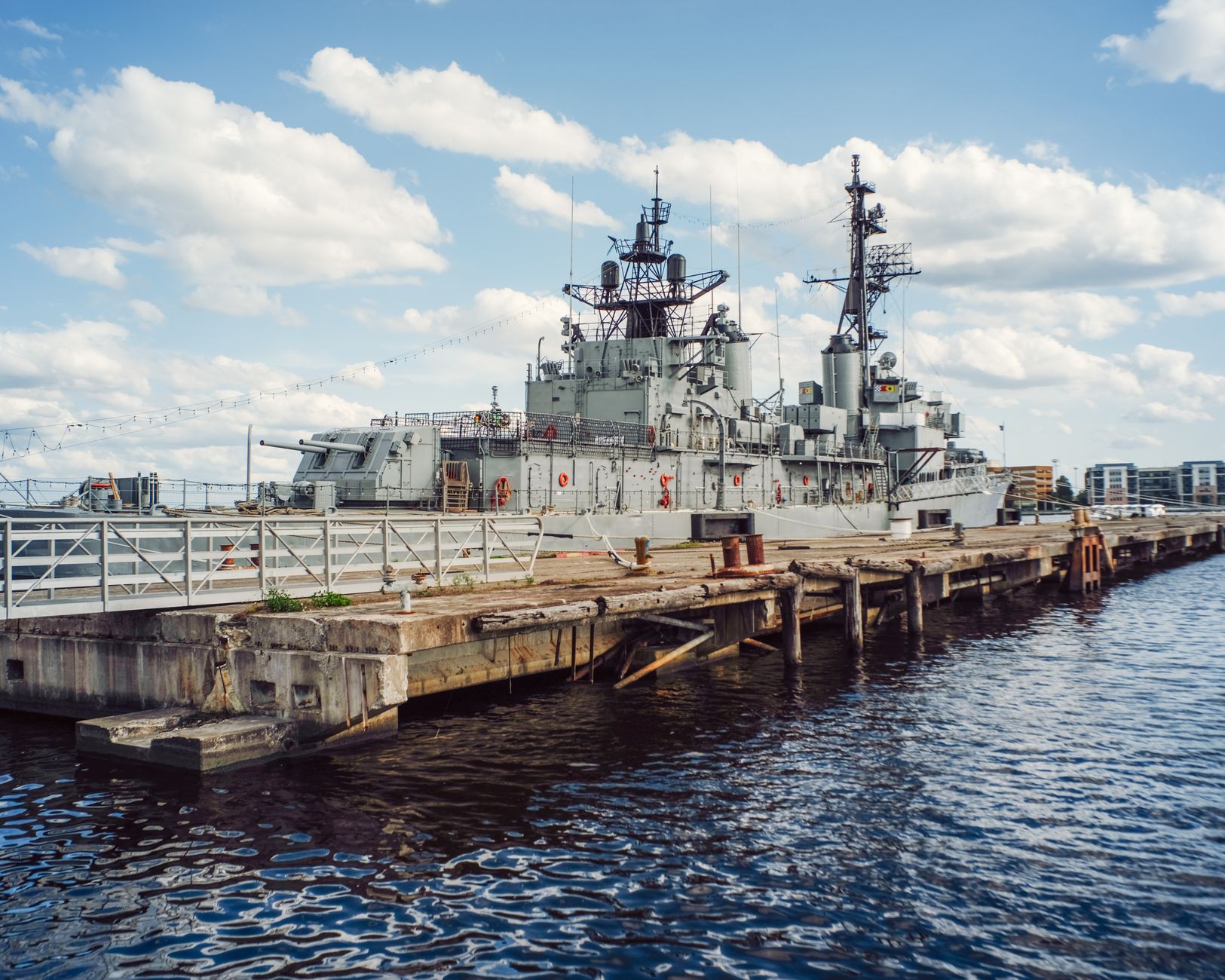
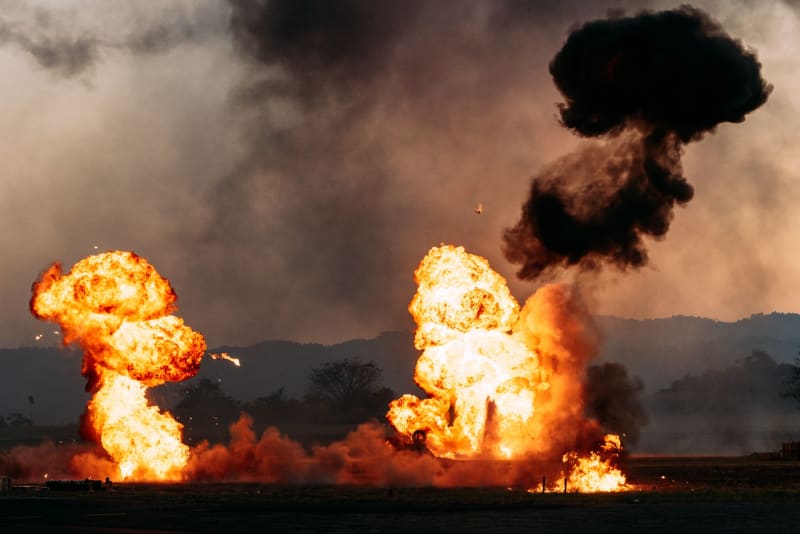
- The U.S. military has definitively launched retaliatory strikes, targeting specific facilities in the Middle East in a swift response to recent aggression against its personnel.
- These precision strikes were directly aimed at infrastructure and personnel associated with groups deemed responsible for prior attacks against American service members and interests in the volatile region.
- The Pentagon officially confirmed that the U.S. actions were a direct consequence of a prior assault on U.S. forces, emphasizing the defensive and deterrent nature of the military operation.
- Former President Donald Trump publicly stated that Iran was responsible for shooting down an American Apache helicopter, a significant claim that has not yet been officially corroborated by current U.S. defense officials.
- Initial reports indicate the U.S. strikes were designed to degrade the capabilities of hostile actors and deter further aggression, sending a clear message about the severe consequences of attacking American personnel.
- The current administration has acknowledged the execution of these strikes but has maintained a cautious stance in its public statements, avoiding immediate confirmation or denial of the specific details surrounding Trump's helicopter claim.
What We Do Not Know Yet
- The precise geographical coordinates and specific nature of all targets struck by U.S. forces remain officially undisclosed, leaving the full scope and impact of the operation unclear to the public.
- Details regarding the exact extent of damage inflicted upon the targeted facilities and any potential casualties sustained by the adversary are still unverified and subject to ongoing intelligence assessment.
- The current U.S. administration has yet to issue an official, definitive statement either confirming or refuting former President Trump's assertion that an Apache helicopter was downed by Iranian forces.
- The specific type and origin of the weapon used in the initial attack against U.S. forces, which directly prompted the retaliation, have not been publicly identified, hindering a complete understanding of the threat.
- Whether the recent U.S. strikes are a singular event or part of a broader, sustained campaign of deterrence against regional adversaries remains an open question, influencing future strategic planning and responses.
- The long-term geopolitical repercussions of these escalating military actions on regional alliances, diplomatic efforts, and the broader international community are still unfolding and difficult to predict with certainty.
Background
Tensions across the Middle East have been critically elevated for an extended period, marked by a series of concerning incidents involving both U.S. and Iranian-backed forces. This latest military engagement represents a significant escalation in a dangerous pattern of aggression that has consistently threatened regional stability. The strategic importance of the Middle East, particularly concerning global energy markets and international shipping lanes, renders it a perennial flashpoint for geopolitical conflict. Both Washington and Tehran, along with their respective proxies, have repeatedly accused the other of provocative actions, creating a cycle of mistrust and confrontation that has proven incredibly difficult to break. Despite numerous attempts by international bodies and allied nations to foster de-escalation, these diplomatic efforts have largely failed to yield lasting peace or reduce the underlying animosities.
The historical context reveals a deeply entrenched rivalry, characterized by proxy conflicts, economic sanctions, and intermittent military skirmishes that have defined the region for decades. Iran's regional influence, often exerted through various non-state actors and ideological allies, is perceived by the U.S. and its regional partners as a destabilizing force, actively challenging established security architectures. Conversely, Iran views the persistent U.S. military presence and its extensive network of alliances in the region as an existential threat to its sovereignty and national interests. This fundamental divergence in strategic outlooks fuels a continuous cycle of actions and reactions, where each side interprets the other's defensive maneuvers as aggressive provocations, thus perpetuating the cycle of violence and suspicion. The current situation is merely the latest manifestation of this long-standing, complex geopolitical struggle.
Understanding the intricate web of alliances and rivalries is crucial to comprehending the current crisis and its potential trajectory. Regional powers, including Saudi Arabia, Israel, and various Gulf states, closely monitor these developments, often aligning with the U.S. position against perceived Iranian expansionism and destabilizing activities. Their security concerns are deeply intertwined with the actions of both the U.S. and Iran, making any escalation a matter of profound regional consequence with far-reaching implications. The potential for miscalculation remains extraordinarily high in such a volatile environment, as each actor operates within a complex strategic landscape where intentions can be easily misinterpreted and responses can quickly spiral beyond initial control. The international community watches with bated breath, recognizing the profound implications for global security and economic stability should this volatile situation further deteriorate.
Why It Matters
This rapidly evolving situation carries the grave risk of spiraling into a far wider and more devastating conflict, with profound implications extending far beyond the immediate region. Any direct military confrontation between the United States and Iran would unleash catastrophic consequences, not only for the involved nations but for global stability as a whole. Such an escalation could irrevocably destabilize the entire Middle East, triggering a cascade of humanitarian crises, mass displacements, and potentially drawing in other regional and international actors. The immediate economic fallout would be severe, likely causing unprecedented spikes in global oil prices and disrupting critical international trade routes, thereby impacting economies worldwide. The lives of countless service members and civilians hang precariously in the balance, making de-escalation an urgent global imperative.
Beyond the immediate military and economic ramifications, the long-term geopolitical landscape of the Middle East could be fundamentally reshaped by this escalating crisis. An extended conflict would undoubtedly empower extremist groups, create dangerous new power vacuums, and potentially lead to a dramatic redrawing of alliances, further complicating future peace efforts and regional stability. The credibility of international diplomacy and existing security frameworks would be severely tested, potentially undermining global efforts to address other pressing challenges across the globe. Furthermore, the unconfirmed nature of former President Trump's claim regarding the Apache helicopter adds an additional layer of complexity and potential for misinformation, which could exacerbate tensions and make rational decision-making even more challenging for all parties involved. This ambiguity itself is a significant risk factor.
The potential for miscalculation is extraordinarily high in such a volatile and densely militarized environment. A single misstep, an erroneous intelligence assessment, or a misinterpretation of intent could ignite a full-scale regional war, with devastating human and economic costs that would reverberate globally. The current window for diplomatic solutions is rapidly narrowing, as military actions tend to harden positions, entrench grievances, and make compromise increasingly difficult to achieve. The international community, therefore, faces an urgent moral and strategic obligation to exert maximum pressure for de-escalation and to facilitate robust dialogue before the situation descends into an uncontrollable conflagration. The stakes could not be higher, demanding immediate and concerted action from all responsible global actors to prevent a catastrophic outcome.
Timeline of Events
- **[Date - e.g., Early Week]**: An undisclosed attack on U.S. forces occurred in the Middle East, resulting in casualties or damage, prompting immediate strategic review and planning by the Pentagon and national security advisors.
- **[Date - e.g., Mid-Week]**: Former President Donald Trump made a public statement, asserting that Iranian forces were responsible for shooting down an American Apache helicopter, a claim that quickly circulated globally and intensified scrutiny.
- **[Date - e.g., Later Mid-Week]**: The U.S. Department of Defense officially confirmed that it had launched retaliatory strikes against specific targets in the region, emphasizing the defensive nature of the operation and its intent to deter further aggression.
- **[Date - e.g., Following Day]**: Initial reports from regional media and intelligence sources began to emerge, detailing the approximate locations and types of facilities targeted by the U.S. military strikes, offering a glimpse into the operation's scope.
- **[Date - e.g., Ongoing]**: International bodies and allied nations issued statements expressing profound concern over the escalating tensions, urging all parties to exercise maximum restraint and pursue diplomatic avenues to prevent further conflict.
- **[Date - e.g., Current]**: The current U.S. administration continues to navigate the complex diplomatic and military landscape, facing pressure to provide more transparency while managing the delicate balance of de-escalation and deterrence in the region.
Rapid-Fire Q&A
What Is Coming
- Expect a heightened state of alert across the Middle East, with U.S. forces maintaining a robust defensive posture and potentially conducting further targeted operations if threats persist or escalate against American interests.
- Anticipate a strong, though potentially indirect, response from Iran or its affiliated proxy groups, carefully calibrated to demonstrate resolve without necessarily triggering an all-out direct conflict with the United States.
- Increased diplomatic activity is likely, with international bodies and allied nations urging de-escalation and calling for restraint from all parties involved to prevent a full-scale regional war from erupting.
- The U.S. administration will face continued pressure to provide more detailed information regarding the strikes and to clarify its official stance on former President Trump's unconfirmed Apache helicopter claim.
- Economic markets, particularly global oil prices and shipping indices, will remain highly sensitive to any further developments, reflecting investor anxiety over potential disruptions to energy supplies and critical trade routes.
- The ongoing information war will intensify, with various state and non-state actors disseminating narratives designed to shape public opinion and justify their respective actions, making accurate and verified reporting crucial.












Comments
No comments yet. Be the first to comment!