

At a Glance
- Israeli forces initiated significant air raids and artillery bombardments across multiple locations in southern Lebanon, marking a sharp escalation in cross-border hostilities.
- A civilian was reported injured during these extensive Israeli strikes, highlighting the immediate human cost and the inherent dangers faced by residents in border communities.
- The Israeli military stated its operations were a direct response to earlier rocket launches originating from Lebanese territory, targeting what they described as militant infrastructure.
- Lebanese authorities confirmed the extensive nature of the strikes, with reports of damage to property and infrastructure in several villages along the southern border.
- This latest exchange of fire significantly heightens an already volatile security situation, raising alarms among international observers about the potential for broader regional destabilization.
- Calls for immediate de-escalation have been issued by various international bodies, emphasizing the critical need for restraint to prevent a full-scale confrontation.
The Record
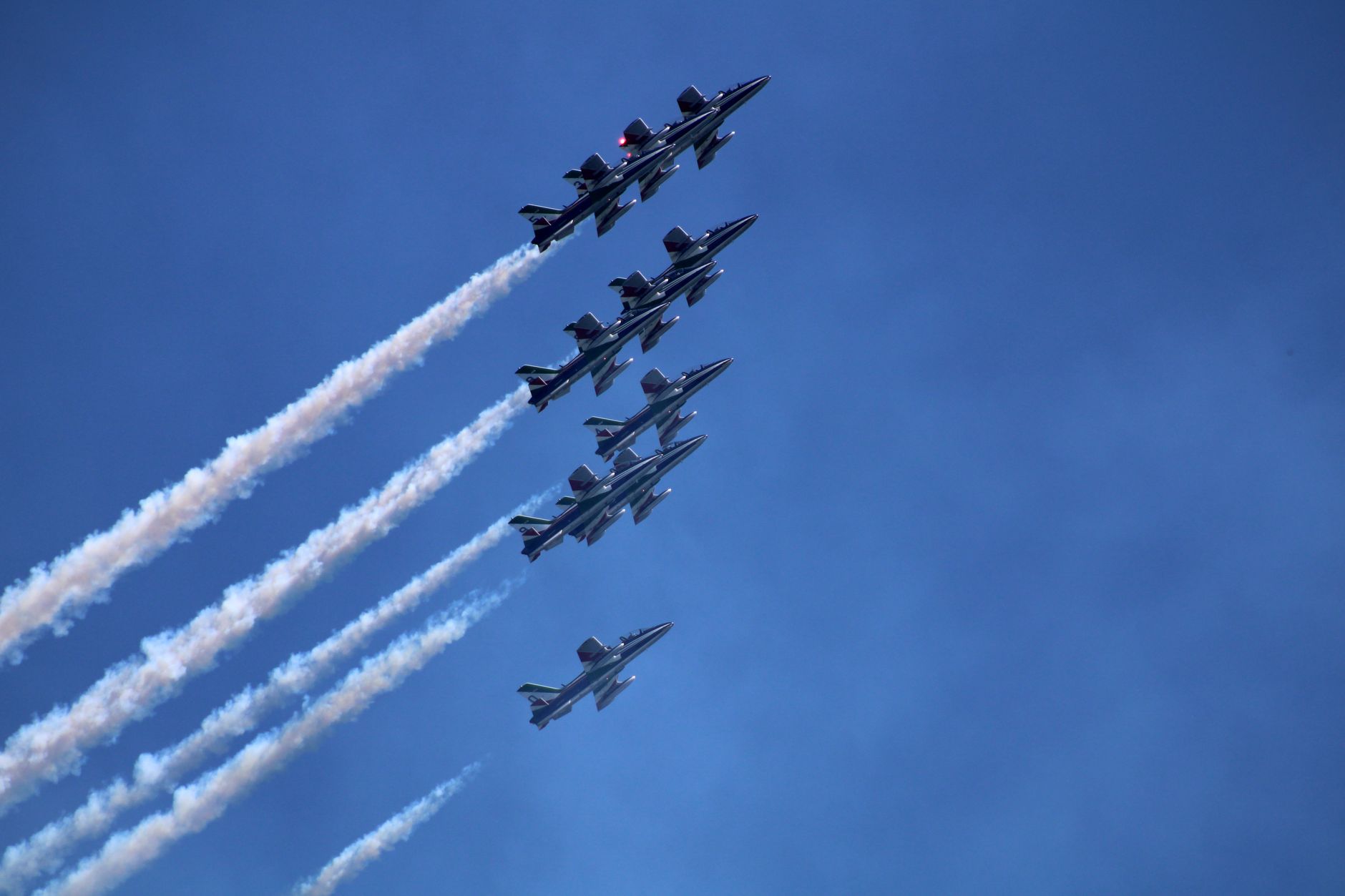
Israeli defense forces executed a series of targeted air raids and sustained artillery barrages deep into southern Lebanese territory earlier today. These military actions were explicitly stated by Israeli officials as a direct and proportionate response to multiple rockets fired from Lebanese soil towards northern Israeli communities just hours prior. The strikes reportedly focused on sites identified as belonging to militant factions, particularly Hezbollah, aiming to degrade their operational capabilities and deter further aggression.
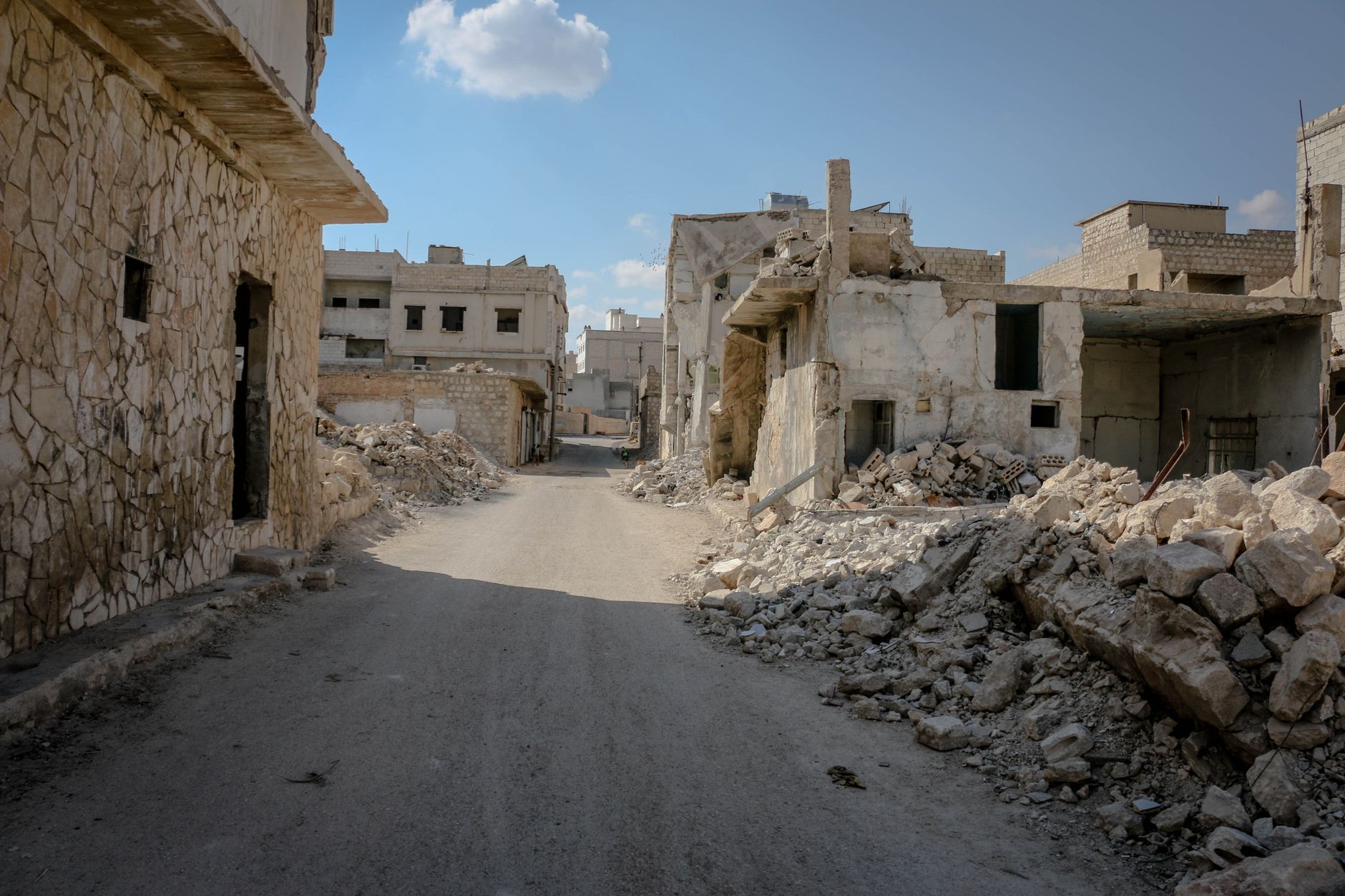
The immediate aftermath of these intense bombardments saw reports from Lebanese state media confirming at least one civilian injury. The individual, identified as a local resident, sustained moderate wounds and is currently receiving medical attention. Beyond the direct casualties, residents in several border villages reported significant property damage and widespread fear, underscoring the severe impact of such military engagements on civilian populations living in the conflict zone. This incident marks a critical juncture in the simmering tensions along the Blue Line, escalating a precarious situation.
This latest exchange of fire represents a dangerous intensification of hostilities that have periodically flared between Israel and Lebanon. While both nations technically remain in a state of war, the fragile calm maintained by UNIFIL forces and diplomatic efforts is consistently tested by such incidents. The precise targeting and scale of Israel's response indicate a clear message of deterrence, yet the risk of miscalculation leading to a wider, more devastating conflict remains exceptionally high, demanding immediate and concerted international diplomatic intervention to restore stability.
Who Knew and When
The chain of events leading to the recent escalation commenced in the pre-dawn hours, around 3 AM local time, when Lebanese security sources first detected and reported multiple rocket launches originating from within Lebanese territory. These projectiles were aimed towards civilian areas in northern Israel, triggering immediate alerts and defensive protocols within the Israeli military command. The swiftness of the rocket fire indicated a coordinated, pre-planned operation, catching many residents on both sides of the border off guard and plunging the region into renewed anxiety.
Almost instantaneously, Israeli defense officials confirmed the rocket attacks and announced a robust retaliatory response was underway. Residents in southern Lebanon, particularly in villages close to the border, reported being jolted awake by powerful explosions and the distinct sounds of aerial activity shortly after the initial rocket fire. The rapid succession of events, from initial attack to immediate counter-strike, underscores the hair-trigger nature of the conflict and the constant state of readiness maintained by both military forces in the highly militarized border region.
International observers and diplomatic missions were quick to acknowledge the unfolding crisis, with initial reports circulating through global news wires within hours of the first strikes. While the specifics of the intelligence leading to Israel's precise targeting remain classified, the rapid deployment of air assets and artillery suggests pre-existing contingency plans were activated. The immediate condemnation from various world capitals highlighted the international community's profound concern over the potential for this localized exchange to spiral into a much larger regional confrontation, emphasizing the urgent need for de-escalation.
Voices from the Ground
The human toll of these cross-border hostilities is perhaps best captured by the voices from the ground, those directly enduring the conflict. A resident from a small, agricultural village near the border, who requested anonymity for fear of reprisal, vividly recounted the terror: "We were asleep when the explosions started. It felt like the world was ending. Every time this happens, we live in fear, never knowing if our homes will be next, or if we will wake up to find our loved ones gone. This constant anxiety is our daily reality."
The injured individual, identified as a local farmer named Hassan, is currently recovering in a nearby hospital. His family shared their profound distress, stating, "Hassan was just going about his morning routine when the bombs fell. He is lucky to be alive, but his injuries are a stark reminder of the dangers we face. Our fields, our livelihoods, are constantly at risk. We just want peace, but it seems so far away." Their plea echoes the sentiments of countless others trapped in the cycle of violence, yearning for stability and an end to the perpetual threat.
Humanitarian organizations operating in southern Lebanon have consistently highlighted the devastating psychological impact of these recurrent conflicts on children and families. The constant threat of violence, the sudden displacement, and the destruction of homes and infrastructure create a pervasive sense of insecurity and trauma. These affected voices serve as a poignant reminder that behind every military statistic lies a human story of fear, loss, and resilience, demanding greater attention from policymakers and the international community to address the root causes of this enduring instability.
The Debate
The recent Israeli strikes in southern Lebanon have ignited a fierce debate among international relations experts and regional analysts regarding the proportionality and strategic implications of such military responses. Proponents of Israel's actions argue that targeting militant infrastructure is a legitimate act of self-defense, essential for deterring future aggression and protecting its northern communities from rocket attacks. They contend that a robust response is necessary to maintain deterrence and signal that any violation of its sovereignty will be met with decisive force, thereby preserving regional security.
Conversely, critics raise serious concerns about the potential for these retaliatory strikes to exacerbate an already volatile situation, potentially drawing the region into a wider, more destructive conflict. They question the proportionality of responses that result in civilian casualties and property damage, suggesting that such actions risk alienating local populations and inadvertently strengthening the resolve of militant groups. The debate often centers on whether military force truly achieves long-term security or merely perpetuates a cycle of violence, making a lasting peace increasingly elusive.
Furthermore, the international community's role in mediating and de-escalating these conflicts is a central point of discussion. While many nations issue calls for restraint, the effectiveness of these diplomatic efforts is frequently scrutinized. Analysts debate whether stronger, more unified international pressure, coupled with robust mechanisms for accountability and conflict resolution, could break the entrenched patterns of cross-border hostilities. The underlying geopolitical complexities, including the influence of regional powers and the unresolved Israeli-Palestinian conflict, add layers of difficulty to finding a sustainable path towards peace and stability.
Your Questions Answered
What Accountability Looks Like
Assessing accountability in the context of the Israel-Lebanon conflict is inherently complex, given the long history of hostilities and the competing narratives from both sides. Each party typically frames its actions as legitimate acts of self-defense, making it challenging for external observers to assign unilateral blame without a comprehensive and impartial investigation. The concept of proportionality in military responses, a cornerstone of international humanitarian law, is frequently invoked but rarely agreed upon by the belligerents, leading to ongoing disputes over culpability.
While international bodies and human rights organizations consistently call for investigations into incidents involving civilian casualties and alleged violations of international law, the mechanisms for enforcing such accountability remain largely ineffective. Sovereign states often resist external scrutiny, citing national security concerns, which creates a significant barrier to transparency and justice. This lack of robust enforcement allows a cycle of accusation and counter-accusation to persist, undermining efforts to establish clear responsibility and deter future transgressions against civilian populations.
Ultimately, true accountability would necessitate not only investigations into specific incidents but also a broader commitment from all parties to address the underlying political and security grievances that fuel the conflict. This includes adherence to UN resolutions, respect for sovereign borders, and a genuine pursuit of diplomatic solutions. Without such fundamental shifts, accountability will likely remain an elusive ideal, with the focus continuing to be on immediate de-escalation rather than the long-term mechanisms required to prevent future cycles of violence and ensure justice for those affected.












Comments
No comments yet. Be the first to comment!