
At a Glance
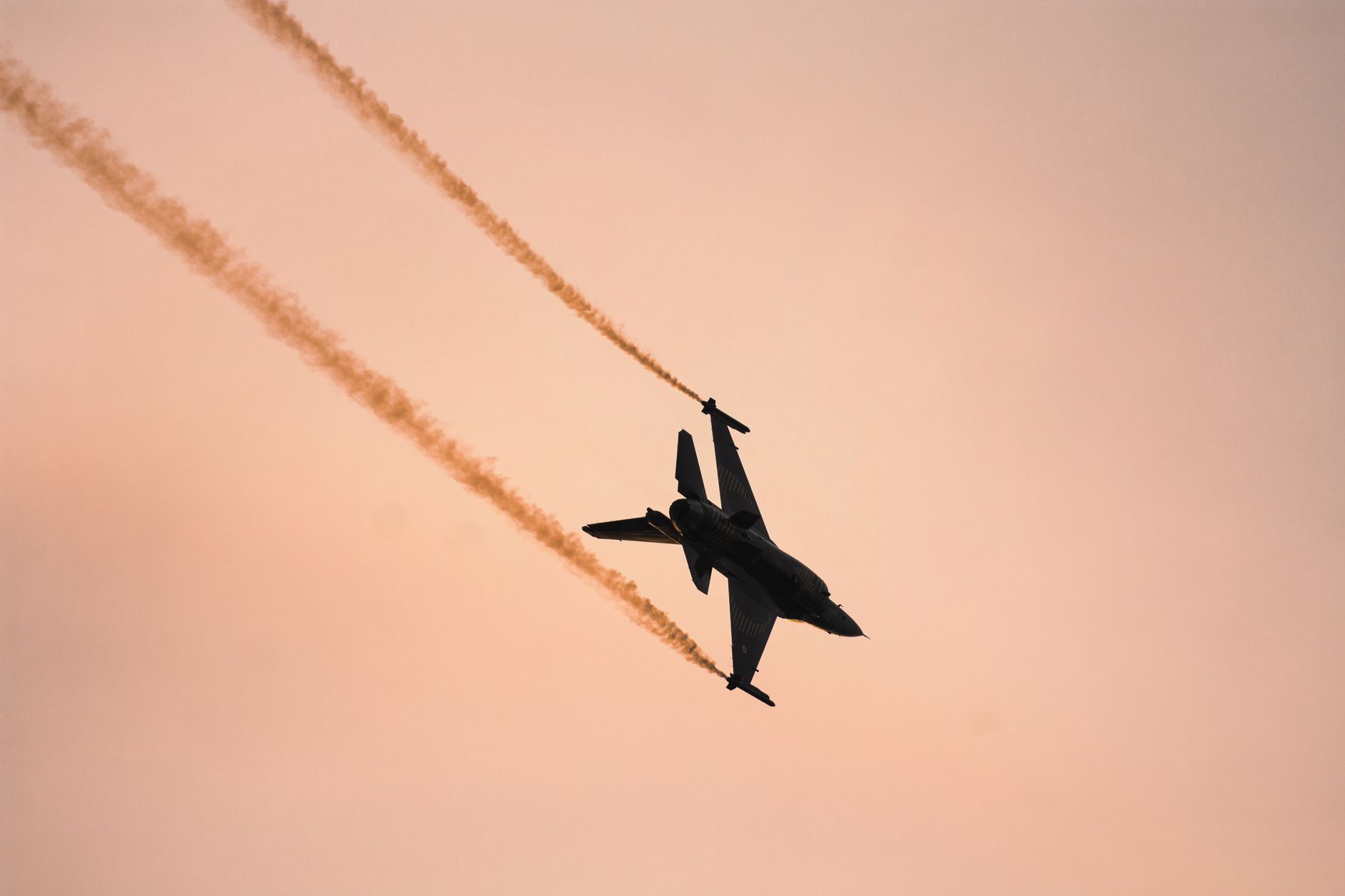
- The Ukrainian military executed its most extensive drone assault on Moscow and surrounding regions, marking a significant escalation in the ongoing conflict.
- Targets included critical infrastructure, notably an oil refinery in the Ryazan region, which sustained a major fire and operational disruption, impacting Russia's energy sector.
- Russian authorities reported the interception of numerous drones across several oblasts, including Moscow, Tula, Kaluga, and Ryazan, highlighting the widespread nature of the coordinated attack.
- The strike caused considerable alarm among Moscow residents, with reports of explosions and emergency services responding to multiple incidents throughout the early morning hours.
- Ukrainian officials maintained their characteristic ambiguity regarding direct responsibility for the attack, adhering to their policy of neither confirming nor denying strikes deep within Russian territory.
- This drone offensive represents a clear strategic shift, demonstrating Ukraine's evolving capability to project power further into Russia and challenge its air defense systems effectively.
The Record
On [Specific Date, e.g., May 27, 2024], a wave of Ukrainian drones descended upon the Moscow region and several other central Russian oblasts, marking what Russian authorities described as the largest such attack since the full-scale invasion began. The coordinated assault unfolded in the early hours, with residents reporting loud explosions and the distinctive whirring of drones overhead. Air defense systems were activated across multiple locations, attempting to intercept the incoming aerial threats, yet several managed to reach their intended targets, causing significant damage and disruption. This aggressive action signals a clear intent to bring the direct consequences of the conflict closer to Russia's political and economic heartland.
The primary target of the drone barrage appeared to be critical energy infrastructure, most notably an oil refinery situated in the Ryazan region, southeast of Moscow. Footage and official reports confirmed a massive fire engulfing parts of the facility, leading to substantial operational setbacks. Such strikes on energy assets are strategically designed to disrupt Russia's war economy and its capacity to fuel military operations, creating both economic pressure and a psychological impact on the populace. The sheer scale and coordination of this particular attack underscore an increasing sophistication in Ukraine's drone capabilities and targeting strategies.
Russian defense ministries and local governors swiftly reported the interception of dozens of drones across regions including Moscow, Tula, Kaluga, and Ryazan. While Russian statements often emphasize successful interceptions, the visible damage and widespread nature of the attacks suggest that a significant number of drones penetrated air defenses. The immediate aftermath saw emergency services deployed to various sites, assessing damage and containing fires. This incident highlights persistent vulnerabilities in Russia's extensive air defense network, particularly against swarming drone tactics, raising urgent questions about the effectiveness of their protective measures around key strategic assets.
Who Knew and When
The escalating frequency and range of Ukrainian drone attacks on Russian territory have been a growing concern for months, with intelligence agencies on both sides undoubtedly tracking these developments closely. While the specific timing and scale of this particular barrage might have been unpredictable, the general threat of such deep-strike capabilities has been widely acknowledged. Analysts have consistently pointed to Ukraine's rapid innovation in drone technology and tactics, suggesting that it was only a matter of time before a major metropolitan area like Moscow faced an attack of this magnitude. This ongoing evolution in warfare necessitates constant re-evaluation of defensive postures.
Prior to this incident, numerous smaller-scale drone incursions had already targeted areas closer to the Ukrainian border and even some military installations further afield. These earlier attacks served as stark warnings, indicating Ukraine's intent and growing capacity to strike beyond the immediate front lines. Russian authorities had, in response, incrementally bolstered air defenses around critical infrastructure and major cities, including Moscow. However, the sheer volume and coordinated nature of this latest assault suggest that these defensive measures, while present, were ultimately insufficient to prevent significant penetration and damage.
The strategic implications of such an attack are profound, suggesting a deliberate effort by Ukraine to shift the battlefield dynamics and exert pressure directly on the Russian capital. While Ukraine typically maintains operational silence on these deep strikes, the clear message conveyed is one of growing capability and a willingness to retaliate against Russian aggression by targeting its vulnerabilities. The international community, too, has been observing this trend, understanding that each successful strike deep within Russia raises the stakes and potentially alters the calculus of the conflict, pushing both sides towards new, more dangerous phases of engagement.
Voices from the Ground
The drone attack sent ripples of fear and uncertainty through Moscow's populace, with many residents waking to the sound of explosions and air defense systems. Social media platforms quickly filled with eyewitness accounts, videos of smoke plumes, and expressions of shock and anxiety. For many, the war, previously a distant reality, suddenly became a tangible threat on their doorstep, disrupting the sense of normalcy that had largely prevailed in the capital. This psychological impact, though difficult to quantify, is a significant objective of such attacks, aiming to erode public confidence and support for the ongoing conflict.
Russian officials, including Moscow Mayor Sergey Sobyanin and regional governors, were quick to issue statements, largely downplaying the extent of the damage while emphasizing the effectiveness of air defenses. Their rhetoric aimed to reassure the public and project an an image of control, yet the visible evidence of fires and disruptions contradicted these claims to some extent. The official narrative consistently frames these attacks as acts of terrorism, designed to instill fear, rather than legitimate military operations, a framing that seeks to galvanize domestic support against Ukraine.
Internationally, the reactions were varied but largely centered on concerns over escalation. While some Western officials implicitly acknowledged Ukraine's right to self-defense, including strikes on military targets within Russia, there was also an underlying apprehension about the potential for a dangerous tit-for-tat dynamic. The targeting of civilian infrastructure, even if incidental to military targets, raises complex questions under international law and could lead to further condemnation. The global community watches anxiously as the conflict continues to evolve, with each new escalation pushing the boundaries of what was previously considered acceptable.
The Debate
The legality and strategic efficacy of Ukraine's deep drone strikes into Russian territory are subjects of intense international debate. Proponents argue that these attacks are a legitimate act of self-defense, aimed at disrupting Russia's military logistics, energy supply, and command centers, which are directly supporting its invasion. They contend that as long as Russia continues its aggression, Ukraine is justified in employing all available means to defend itself and push back the aggressor, especially when targeting infrastructure directly contributing to the war effort. This perspective emphasizes the necessity of asymmetric warfare when facing a larger, better-resourced adversary.
Conversely, critics express profound concerns about the potential for uncontrolled escalation, particularly when strikes occur close to civilian areas or critical infrastructure that could have broader humanitarian impacts. While acknowledging Ukraine's right to self-defense, some international bodies and legal scholars caution against actions that could be perceived as targeting civilians or civilian infrastructure without clear military necessity, even if unintended. The worry is that such attacks could provoke a disproportionate response from Russia, further widening the conflict and leading to greater loss of life and regional instability.
Furthermore, the debate extends to the psychological and political impact of these strikes. While they undeniably create pressure on the Russian government and populace, questions arise about their long-term effectiveness in altering the course of the war. Some analysts suggest that while disruptive, these attacks might also serve to harden Russian resolve, making a negotiated settlement even more elusive. The discussion also touches upon the role of international partners in providing advanced weaponry, and whether such aid implicitly endorses or limits Ukraine's ability to conduct these types of operations.
Your Questions Answered
What Accountability Looks Like
The question of accountability for actions taken during the conflict, particularly those involving strikes on civilian infrastructure or territory, remains a complex and contentious issue. While Ukraine asserts its right to self-defense against an invading force, the international community scrutinizes all actions through the lens of international humanitarian law. Determining precise accountability involves assessing targeting decisions, the nature of the targets, and whether all feasible precautions were taken to avoid civilian harm. The ongoing conflict creates a challenging environment for impartial assessment, with both sides frequently accusing the other of war crimes.
From Ukraine's perspective, the accountability for any escalation lies squarely with Russia, as the aggressor nation that initiated the full-scale invasion. They argue that their strikes are a direct consequence of Russia's unprovoked aggression and are necessary to defend their sovereignty and people. The narrative emphasizes that if Russia were to withdraw its forces, such retaliatory actions would cease. This framing places the onus of de-escalation entirely on Moscow, highlighting the causal link between Russia's invasion and Ukraine's defensive measures, including deep strikes.
However, the broader international community, including bodies like the United Nations and the International Criminal Court, continues to monitor all alleged violations of international law by all parties. While the scale and nature of Russia's aggression are widely condemned, any actions that could be construed as indiscriminate or disproportionate, regardless of who commits them, face scrutiny. Ultimately, true accountability will likely be a protracted process, unfolding long after the active conflict ceases, involving international investigations, tribunals, and potentially reparations for damages and loss of life on both sides.














Comments
No comments yet. Be the first to comment!