


What We Know
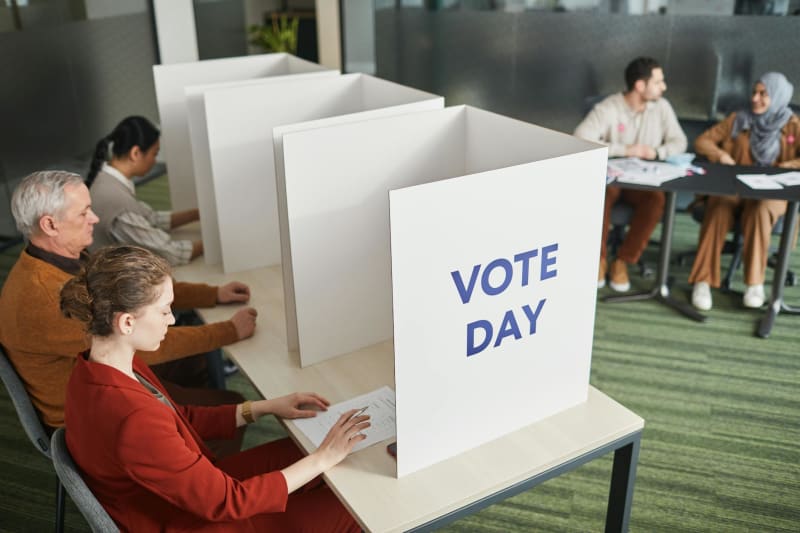
- Voters are participating in significant primary elections across several key states today, determining nominees for critical federal and state-level races.
- The outcomes of these primaries will directly influence the general election ballot, setting the stage for November's contests and potentially shifting the balance of power.
- Incumbent politicians and challengers alike are vying for their party's nomination, with significant implications for policy direction and legislative priorities.
- Early indicators suggest high voter engagement in some areas, reflecting the national importance of the contests and the stakes involved for both major parties.
- Specific races are being closely watched for their potential to signal broader political trends and voter sentiment heading into the final months before the general election.
- Campaign resources and strategic decisions made by candidates in these primaries will likely have a lasting impact on their viability and effectiveness in the general election cycle.
What We Do Not Know Yet
- The exact margins of victory in closely contested races remain uncertain, which could affect the perceived strength and mandate of the winning candidates.
- The ultimate impact of any unexpected upsets on the broader party platforms and strategic alliances is yet to be determined as the full results unfold.
- How voter turnout in these primaries will translate into enthusiasm and participation during the general election is a significant unknown factor for strategists.
- The specific policy debates that will dominate the general election cycle, shaped by today's primary outcomes, are still emerging and will evolve over time.
- The degree to which national issues versus local concerns will drive voter decisions in November, influenced by today's primary results, is not yet clear.
- The long-term effects of campaign strategies employed and any controversies that may have arisen during these primaries on voter perception are still unfolding.
Background
The current political climate is marked by intense partisan division and a high degree of voter mobilization on both sides of the aisle. These primary elections serve as crucial inflection points, testing the strength of various factions within each party and signaling which messages resonate most effectively with the electorate. Candidates are not only competing for a nomination but also for the opportunity to define the narrative and policy priorities that will be carried into the general election. The stakes are exceptionally high, as the outcomes could determine control of legislative bodies and the direction of executive leadership for years to come. Understanding the historical context of these states and the specific electoral dynamics at play is vital to appreciating the significance of today's votes.
Historically, primary elections have served as a vital mechanism for parties to select their standard-bearers and refine their platforms. However, in recent cycles, the influence of primary outcomes has extended beyond mere candidate selection, often shaping the ideological direction of parties and setting the tone for national political discourse. The energy generated or dissipated during these contests can have a profound impact on general election turnout and enthusiasm. Furthermore, the financial and organizational resources expended in primary battles can either bolster or deplete a campaign's capacity for the more challenging general election phase. Today's primaries are unfolding against a backdrop of evolving voter demographics and shifting political priorities, making their results particularly consequential.
The landscape of American politics is in constant flux, with primary elections acting as a critical barometer of public sentiment and party health. Today's contests are not isolated events but are part of a larger, ongoing narrative about the direction of the country and the effectiveness of its governance. The candidates emerging victorious will carry the weight of their party's hopes and the expectations of their constituents into the general election. The strategies employed, the issues emphasized, and the coalitions built during these primaries will be closely scrutinized for their potential to succeed in a broader electoral arena. This day represents a significant opportunity for voters to weigh in on the future leadership and policy direction of their respective states and the nation.
Why It Matters
The results from today's primary elections carry immense weight, directly impacting the composition of legislative bodies and the potential for policy change at both state and federal levels. The nominees chosen will become the standard-bearers for their respective parties in the upcoming general election, and their victories today solidify their path forward. This process is not merely about selecting candidates; it is about defining the ideological direction of parties and setting the agenda for crucial policy debates that will shape the nation's future. The energy and momentum generated by these outcomes can significantly influence voter turnout and engagement in November, making these primaries a critical determinant of the broader electoral success.
For voters, these primaries represent a fundamental opportunity to express their preferences and influence the direction of governance. The candidates who secure nominations today will be the ones voters will choose from in the general election, making the choices made at the ballot box today profoundly consequential. Furthermore, the outcomes can signal shifts in voter priorities and the effectiveness of different campaign strategies, providing valuable insights into the broader political landscape. The policy platforms advanced by the eventual nominees will directly affect issues ranging from economic policy and healthcare to environmental regulations and social justice, underscoring the critical importance of informed participation.
The national implications of these primaries cannot be overstated, particularly in closely divided political environments. Unexpected results or dominant performances can reshape perceptions of party strength, influence fundraising efforts, and alter the strategic calculus for campaigns heading into the general election. The narratives that emerge from today's contests will likely dominate political coverage and public discussion for weeks to come, setting the stage for the high-stakes battles of November. Ultimately, the decisions made by voters today will have a tangible impact on the laws enacted, the policies pursued, and the overall direction of the country, making this a moment of significant political consequence.
Timeline of Events
- Primary election polls open across multiple states this morning, allowing voters to cast their ballots for their preferred party nominees in various federal, state, and local races.
- Key races, including those for U.S. Senate, House of Representatives, governorships, and state legislative seats, are being closely monitored for early results and potential indicators of broader trends.
- Campaigns and political analysts will be scrutinizing initial vote tallies as they come in, looking for patterns that might suggest decisive victories or narrow contests.
- As polls close in different time zones throughout the evening, major news organizations will begin projecting winners in various races based on exit poll data and reported results.
- The final results from all precincts are expected to be compiled and certified in the coming days, providing a definitive picture of who secured each party's nomination.
- The focus will then shift immediately to the general election campaign, with the newly minted nominees preparing to face off against their opponents in the lead-up to November.
Rapid-Fire Q&A
What Is Coming
- The immediate focus will shift to the general election campaign, with candidates preparing to consolidate their support and appeal to a broader electorate beyond their party's base.
- Political analysts will dissect the primary results to identify emerging trends, assess party strengths and weaknesses, and forecast potential outcomes for November's contests.
- Campaigns will recalibrate their strategies, messaging, and resource allocation based on the strengths and weaknesses revealed during the primary season.
- Voter engagement efforts will intensify as parties and candidates work to mobilize their supporters and persuade undecided voters in the months leading up to the general election.
- The policy platforms and legislative priorities that gained traction during the primaries will likely form the core of the general election debate, shaping discussions on key national issues.
- Fundraising efforts will ramp up significantly as candidates seek to finance their general election campaigns, with primary performance often influencing donor confidence and investment.

















Comments
No comments yet. Be the first to comment!