
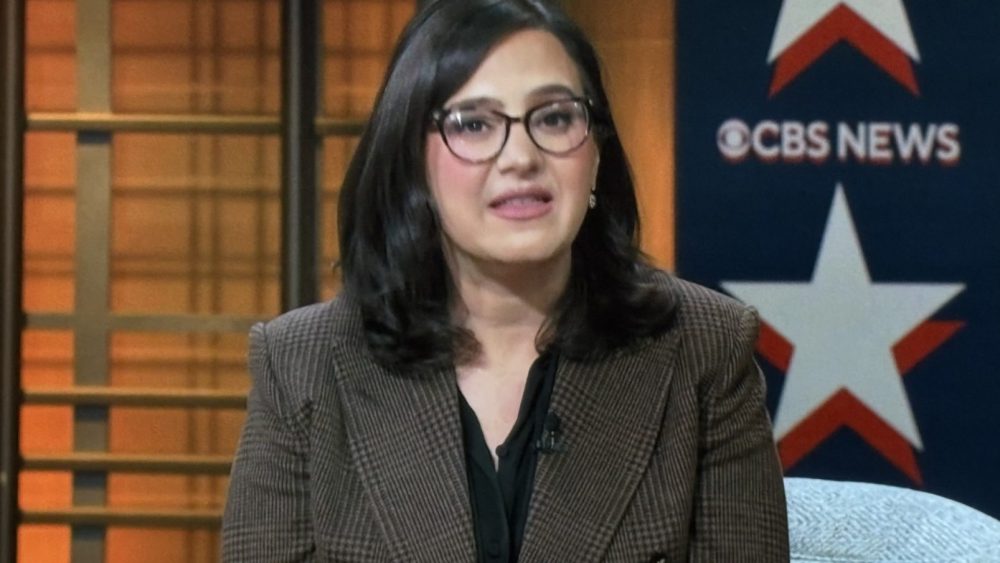

What We Know
- Multiple sources confirm that at least two veteran producers at CBS's '60 Minutes' have been terminated in recent weeks, creating significant unease within the news division.
- The firings have been linked by some within the organization to recent reporting that allegedly caused discomfort among powerful figures, raising concerns about editorial independence.
- Internal discussions and anonymous employee accounts suggest a palpable atmosphere of fear and uncertainty pervading the '60 Minutes' newsroom and potentially other parts of CBS News.
- The specific reasons for the terminations have not been officially disclosed by CBS, leading to widespread speculation and anxiety among staff regarding job security and editorial discretion.
- There is a growing sentiment among some journalists that the firings may signal a shift in the network's approach to controversial or sensitive reporting, potentially prioritizing appeasement over in-depth investigation.
- The situation has ignited debate about the pressures faced by broadcast journalism in the current media landscape, where advertiser influence and corporate interests can intersect with editorial decisions.
What We Do Not Know Yet
- The precise nature of the reporting that precipitated the firings remains unclear, with speculation ranging from political sensitivities to corporate entanglements that have yet to be publicly detailed.
- CBS's official stance on the firings has been minimal, leaving many to question the exact justification provided to the terminated employees and the internal review process, if any, that preceded the decisions.
- It is unknown whether these terminations are isolated incidents or indicative of a broader pattern of increased editorial oversight or pressure being applied across CBS News programming.
- The extent to which external entities or individuals may have directly or indirectly influenced the decision-making process leading to these firings is a critical unanswered question that fuels internal anxiety.
- The long-term impact on the morale, productivity, and willingness of '60 Minutes' journalists to pursue challenging stories is yet to be determined, but initial reactions suggest a chilling effect.
- Whether CBS leadership will provide further transparency regarding these events or implement new policies to safeguard editorial independence in the future remains a significant unknown for its journalistic staff.
Background
For decades, '60 Minutes' has stood as a titan of television journalism, renowned for its fearless investigative reporting and its ability to tackle complex, often controversial, subjects. The program's distinctive format, featuring multiple in-depth segments per broadcast, has allowed it to delve deeply into issues ranging from political corruption and corporate malfeasance to international conflicts and social injustices. Its legacy is built upon a foundation of journalistic rigor, with producers and correspondents often risking their reputations and careers to uncover truths that others sought to conceal. This storied history has cemented '60 Minutes' as a benchmark for investigative journalism, influencing countless other news programs and setting a high standard for public accountability. The trust it has cultivated with its audience is a direct result of its consistent commitment to delivering impactful, well-researched stories, making any perceived threat to its editorial independence a matter of significant public concern.
The media landscape has undergone seismic shifts in recent years, with traditional broadcast news divisions facing unprecedented challenges. Declining advertising revenues, the rise of digital media, and increasing polarization have all contributed to a more precarious operating environment. News organizations are often under pressure to balance journalistic imperatives with financial realities and corporate objectives. This can manifest in various ways, from budget cuts affecting investigative teams to subtle, or not-so-subtle, influences on editorial content. In this context, the perceived vulnerability of established programs like '60 Minutes' to external pressures becomes a critical issue. The question of whether journalistic integrity can be maintained when faced with the complex web of corporate ownership, advertiser demands, and political sensitivities is more pertinent than ever.
The specific circumstances surrounding the recent firings at '60 Minutes' have ignited a firestorm of speculation precisely because they touch upon these broader industry anxieties. While CBS has remained tight-lipped, the narrative emerging from anonymous sources within the network points towards a potential clash between the program's investigative mission and external forces. Whether these forces are political, commercial, or a combination thereof, the implication is that certain stories deemed too risky or inconvenient have been effectively silenced. This alleged interference, if true, represents a direct challenge to the core principles that have defined '60 Minutes' for generations. The fear among staff is that this could be a harbinger of further compromises, eroding the program's ability to serve as a vital check on power and a source of crucial information for the public.
Why It Matters
The integrity of '60 Minutes' is not merely a concern for CBS employees; it is a matter of profound importance for the public's access to reliable and unfettered information. For decades, the program has served as a crucial watchdog, holding powerful individuals and institutions accountable through its in-depth investigations. If the recent firings signal a willingness by CBS to cede editorial control or shy away from controversial topics due to external pressures, it represents a significant blow to investigative journalism. This could embolden those who wish to avoid scrutiny, knowing that a prominent platform for exposing wrongdoing may become less willing to pursue difficult stories. The erosion of such a vital news source diminishes the public's ability to make informed decisions and participate effectively in a democratic society.
This situation raises critical questions about the future of journalistic independence in an era of increasing media consolidation and political polarization. When news organizations, particularly those with a long history of impactful reporting, appear susceptible to external influence, it erodes public trust in the media as a whole. The fear is that this could create a domino effect, where other news outlets feel pressured to self-censor or avoid challenging narratives to maintain favor with advertisers, corporate owners, or political factions. The chilling effect on journalists who might otherwise pursue sensitive stories is a tangible consequence, potentially leading to a media landscape that prioritizes safety and conformity over truth and accountability.
The specific context of '60 Minutes' makes these developments particularly alarming. Its historical role as a platform for exposing significant societal issues means that any perceived compromise in its editorial standards carries immense weight. The program's ability to command attention and influence public discourse is directly tied to its reputation for courage and thoroughness. If that reputation is tarnished by allegations of editorial interference, the impact will be far-reaching, potentially weakening the entire ecosystem of accountability journalism. The public relies on programs like '60 Minutes' to bring uncomfortable truths to light, and any threat to that function undermines a fundamental pillar of a healthy democracy.
Timeline of Events
- Recent weeks: Reports emerge of at least two veteran producers being terminated from CBS's '60 Minutes' program, sparking immediate concern and speculation among staff.
- Ongoing: Anonymous sources within CBS News begin to leak information to media outlets, suggesting the firings are linked to specific reporting that allegedly displeased powerful individuals or entities.
- Internal discussions: A palpable atmosphere of fear and uncertainty reportedly descends upon the '60 Minutes' newsroom, with journalists expressing anxiety about job security and editorial freedom.
- Media speculation intensifies: News organizations and social media platforms buzz with theories about the exact nature of the reporting that led to the firings and the potential external pressures involved.
- CBS maintains silence: The network issues minimal official statements, offering no detailed explanation for the terminations, thereby fueling further conjecture and internal unease.
- Broader industry concern: The events at '60 Minutes' draw attention from media watchdogs and journalists across the industry, who express worries about the implications for journalistic independence in broadcast news.

Rapid-Fire Q&A
What Is Coming
- Increased scrutiny of CBS News' editorial policies and practices from media watchdogs and the public.
- Potential for further internal discussions and employee actions within CBS News regarding journalistic integrity.
- Heightened anticipation for any future reporting from '60 Minutes' that might touch upon sensitive or controversial subjects.
- Possible shifts in reporting strategies or content choices by '60 Minutes' producers in response to perceived pressures.
- Ongoing speculation and analysis within the media industry regarding the implications of these firings for broadcast journalism.
- A critical period for CBS leadership to address concerns and reaffirm its commitment to independent journalism to its staff and audience.

















Comments
No comments yet. Be the first to comment!