

Key Takeaways
- Iran's foreign policy is a direct reflection of its internal political struggles, not merely a response to external pressures or geopolitical shifts.
- The Iranian regime strategically leverages regional conflicts and external threats to consolidate domestic power, suppress dissent, and reinforce its foundational ideology.
- Global powers often misinterpret Iran's motivations by focusing solely on geopolitical factors, thereby overlooking crucial internal drivers that dictate its strategic decisions.
- Economic sanctions, while intended to curb nuclear ambitions, inadvertently exacerbate internal hardships and frequently fuel anti-Western sentiment, complicating diplomatic efforts significantly.
- The intricate web of regional proxies serves as a crucial extension of Iran's influence, creating localized battlegrounds for broader ideological and strategic contests across the Middle East.
- Sustained diplomatic engagement, informed by a nuanced understanding of Iran's complex domestic landscape, offers the most viable path to de-escalation and long-term regional stability.
Background
The conventional understanding of the Iran War often frames it through a purely geopolitical lens, focusing on state-level interactions, regional power balances, and international alliances. However, this perspective frequently overlooks the profound influence of Iran's internal political dynamics. The Islamic Republic's foreign policy is not merely a reaction to external threats or opportunities; it is deeply intertwined with, and often dictated by, the intricate power struggles, ideological factions, and domestic legitimacy concerns within its own borders. This fundamental tension between the geopolitical imperatives and the political realities creates a far more volatile and unpredictable environment, making any attempt at conflict resolution exceptionally challenging and prone to miscalculation.
Historically, Iran's revolutionary government has consistently utilized its foreign policy as a potent tool for internal consolidation. From the early days of the Islamic Revolution to the present, external adversaries and regional conflicts have been strategically framed to rally public support, silence opposition, and reinforce the regime's foundational ideology. This internal-external feedback loop means that decisions perceived as aggressive on the international stage often serve a critical domestic purpose, whether it's to appease hardline factions, distract from pervasive economic woes, or project an unyielding image of strength to its populace. Understanding this intricate interplay is paramount for any effective engagement strategy.
The perpetual interplay between these two forces — the geopolitical and the political — generates a self-reinforcing cycle of mistrust and escalation. When global powers impose sanctions or exert military pressure, these actions are frequently interpreted by the Iranian regime not just as external aggression, but as direct attempts to undermine its internal stability and legitimacy. This perception, whether entirely accurate or strategically manufactured, can then be skillfully exploited by hardliners to justify further entrenchment, reject diplomatic overtures, and intensify proxy activities, thereby perpetuating a dangerous cycle that destabilizes the entire Middle East and poses significant risks to global energy security.
Why It Matters
Grasping the intricate dual dynamic between Iran's geopolitical maneuvers and its internal political machinations is not merely an academic exercise; it is an urgent necessity for policymakers worldwide. A strategy predicated solely on a geopolitical analysis risks fundamentally misinterpreting Iran's true motivations, leading to policy responses that are not only ineffective but potentially counterproductive. Ignoring the powerful currents of internal political pressures, the entrenched factional rivalries, and the fluctuating public sentiment within Iran means missing critical opportunities for de-escalation, meaningful engagement, or even understanding the true parameters of a potential conflict. The stakes involved are immense, directly impacting the fragile stability of an already volatile region and exerting significant influence over global energy markets.
The failure to adequately integrate internal political analysis into foreign policy frameworks can lead to catastrophic outcomes. For instance, sanctions designed to pressure the regime into compliance might inadvertently empower hardline elements who thrive on confrontation and use external pressure to justify their authoritarian grip. Conversely, diplomatic overtures, if not carefully calibrated to account for domestic political sensitivities, can be dismissed as weakness or exploited for internal political gain, thereby undermining genuine efforts towards peace. This persistent blind spot in international strategy perpetuates a cycle where external actions are met with internal resistance, often manifesting as increased regional assertiveness or proxy conflicts.
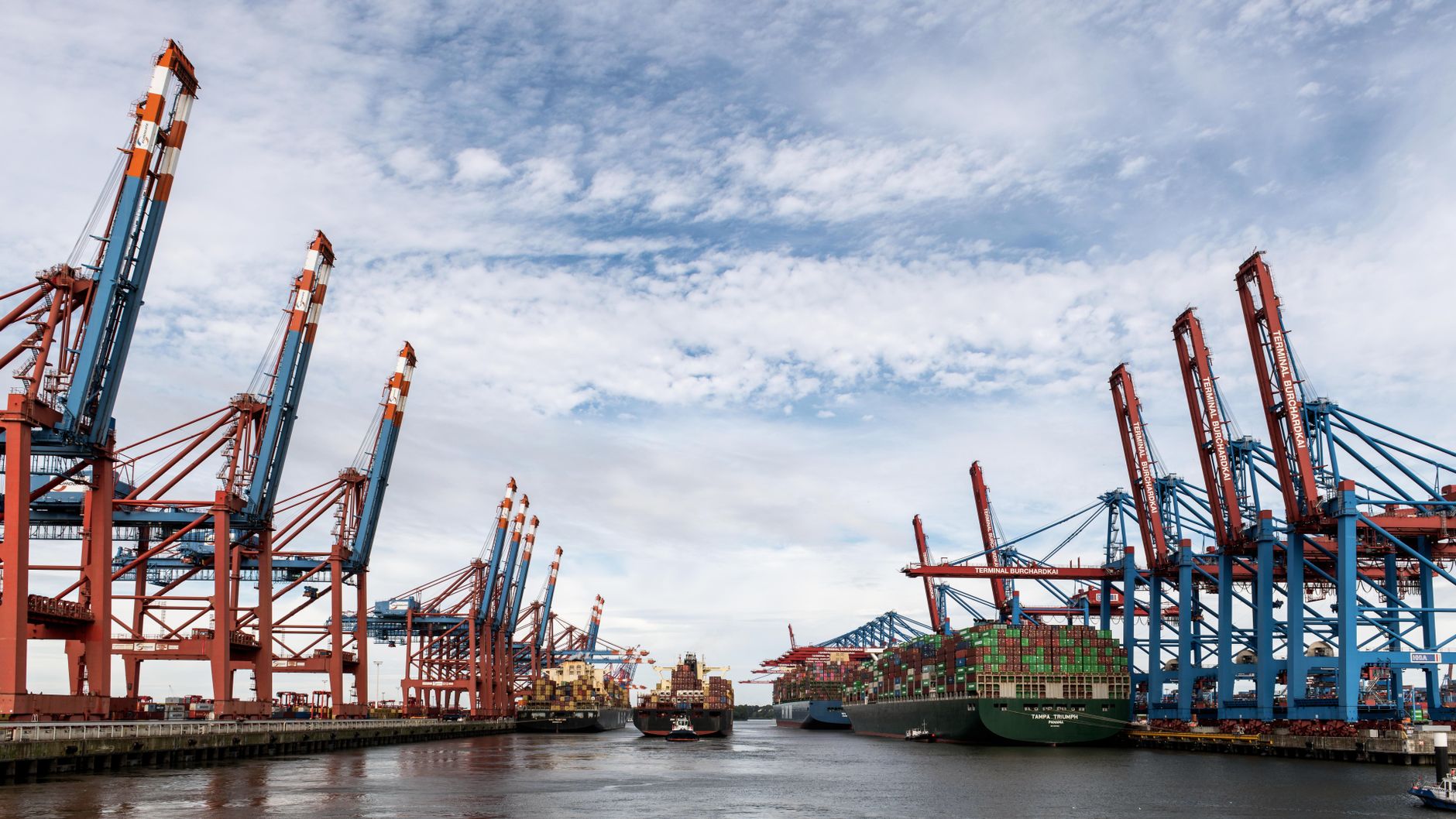
Furthermore, the implications extend far beyond the immediate region. Iran's actions, shaped by this complex internal-external dynamic, have ripple effects on international trade, global oil prices, and the broader global security architecture. A misstep in understanding these internal drivers could inadvertently trigger wider regional conflicts, draw in global powers, and destabilize critical shipping lanes. Therefore, a comprehensive approach that meticulously analyzes both the geopolitical chessboard and the internal political landscape of Iran is not just advisable; it is absolutely essential to mitigate escalating risks and foster any semblance of long-term peace and stability.
Ground Reality
On the ground, the tangible impact of these interwoven geopolitical and political tensions is acutely felt across Iranian society and throughout the wider region. Within Iran, ordinary citizens disproportionately bear the brunt of economic sanctions, which, while aimed at the regime, severely restrict access to essential goods, inflate prices, and stifle economic opportunity. This pervasive economic hardship often fuels a complex mix of resentment towards external powers and deep frustration with the domestic government, creating a volatile social environment that the regime must constantly manage through a combination of repression and fervent nationalist appeals.
Beyond Iran's borders, the ramifications are equally stark and devastating. Regional proxies, such as Hezbollah in Lebanon, various militias in Iraq and Syria, and the Houthis in Yemen, become the direct battlegrounds where these larger struggles play out. Local populations in these areas are tragically caught in the relentless crossfire, enduring displacement, widespread violence, and severe humanitarian crises as external powers and their proxies relentlessly vie for influence. The narrative of external aggression and existential threat is frequently invoked by the Iranian leadership to consolidate internal power, justify substantial military expenditures, and deflect criticism from its domestic governance, thereby perpetuating cycles of conflict and instability.
The daily lives of millions are thus inextricably linked to the intricate dance between Tehran's internal power struggles and its external posturing. Whether it's the availability of medicine in Iranian pharmacies, the security of a village in Yemen, or the stability of oil prices globally, these seemingly disparate issues are all connected by the central tension explored. The ground reality reveals a mosaic of suffering, resilience, and complex political maneuvering, where the human cost of geopolitical and political friction is undeniably high and demands a more nuanced, human-centric approach from international actors to truly address the root causes.
What Experts Are Saying
Analysts grappling with Iran's complex behavior are largely divided, reflecting the multifaceted nature of the challenge. One prominent school of thought emphasizes the enduring revolutionary ideology that has underpinned the Islamic Republic since its inception. Proponents of this view often argue that Iran's actions, both domestically and internationally, are primarily driven by an unwavering commitment to its foundational principles, including resistance against perceived Western hegemony and unwavering support for Islamic movements. They tend to see the regime as an ideologically rigid entity, resistant to fundamental change and driven by a long-term vision that transcends immediate geopolitical calculations, making negotiation inherently difficult.
Conversely, another significant group of experts points to the pragmatic calculations that frequently guide the Iranian regime's decisions. This perspective suggests that while ideology certainly plays a role, the leadership is highly adept at adapting to external pressures and internal realities, prioritizing regime survival and the advancement of core national interests above all else. They argue that Iran's foreign policy is often a rational response to perceived threats and opportunities, with tactical flexibility and strategic patience being hallmarks. This view suggests that engagement and carefully structured incentives could potentially alter Iran's behavior, provided they address the regime's security concerns and offer tangible benefits.
A third, increasingly influential perspective highlights the critical role of internal dissent and the regime's persistent efforts to maintain legitimacy amidst economic hardship and social unrest. These analysts contend that a strong, assertive foreign policy stance, including robust support for regional proxies and confrontation with adversaries, serves as a crucial mechanism for the regime to project power, rally nationalist sentiment, and distract from pressing domestic grievances. This view posits that external actions are often meticulously designed to appease powerful hardline factions, suppress internal opposition, and reinforce the narrative of a resilient state standing against external enemies, thereby ensuring the regime's continued grip on power. Understanding this internal dimension is crucial for devising effective external strategies.
Frequently Asked Questions
What Happens Next
The immediate future of the Iran conflict remains shrouded in profound uncertainty, with multiple pathways diverging into potentially dangerous outcomes. Continued escalation, driven by miscalculation or deliberate provocation from any side, is a distinct and ever-present possibility, threatening to engulf the wider region in devastating conflict. However, alongside this grim prospect, there also exists the potential for a renewed push towards diplomatic engagement, albeit one fraught with immense challenges. The trajectory will hinge critically on a delicate balance of internal political shifts within Iran, the strategic responses of regional adversaries, and the calculated moves of global powers.
Any significant shift in Iran's internal political landscape, particularly regarding the succession of the Supreme Leader or the ascendancy of a particular faction, could fundamentally alter its foreign policy orientation. A more pragmatic leadership might cautiously open doors for negotiation, while a hardened, ideologically driven one could further entrench confrontational stances. Simultaneously, the actions of regional rivals like Saudi Arabia and Israel, coupled with the policies of global players such as the United States and European Union, will play a decisive role in either exacerbating tensions or creating pathways for de-escalation. The interplay of these forces is complex and constantly evolving, demanding vigilant observation.
Ultimately, navigating this treacherous terrain demands an unprecedented level of strategic foresight, diplomatic dexterity, and a profound understanding of the intricate interplay between domestic imperatives and international pressures. Without a nuanced approach that acknowledges both the geopolitical chessboard and the internal political dynamics within Iran, the region risks spiraling into deeper instability. The global community must prioritize sustained, multi-track diplomacy, coupled with clear deterrents against aggression, to avert a wider catastrophe and pave the way for a more stable, albeit challenging, future for all involved.











Comments
No comments yet. Be the first to comment!