
Key Takeaways
- Candidates are prioritizing student achievement, academic rigor, and closing achievement gaps as central tenets of their platforms, aiming to elevate educational standards across Baltimore City Public Schools.
- Addressing the critical shortage of qualified teachers and support staff, alongside improving teacher retention through better compensation and professional development, emerges as a significant concern for nearly all candidates.
- Candidates are advocating for increased parental and community engagement, recognizing the necessity of strong partnerships between schools, families, and the wider community to foster a supportive learning environment.
- Fiscal responsibility and transparent budget allocation are frequently cited as essential for ensuring equitable distribution of resources and maximizing the impact of funding on student success and school operations.
- Candidates propose diverse strategies for improving school safety and student well-being, ranging from enhanced mental health services and anti-bullying programs to more robust security measures and restorative justice practices.
- A strong emphasis is placed on curriculum reform and the integration of innovative teaching methods, including STEM education and vocational training, to better prepare students for college, careers, and civic engagement in a rapidly evolving world.
Background
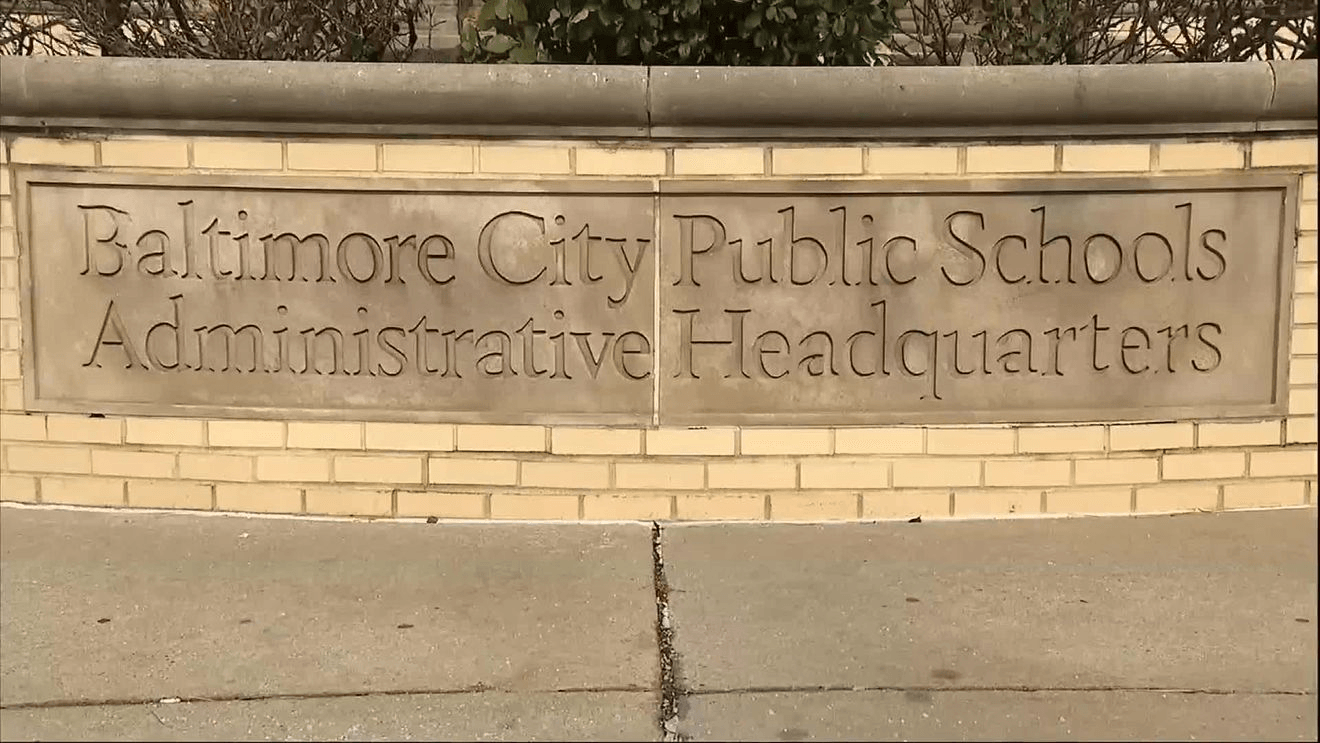
Baltimore City Public Schools (BCPS) faces a complex web of challenges, including persistent achievement gaps, teacher shortages, and aging infrastructure. The school system, serving over 110,000 students across 150 schools, has been under scrutiny for years, with various reform efforts yielding mixed results. The board of school commissioners, a body of 11 members including nine elected officials and two mayoral appointees, plays a pivotal role in setting policy, approving budgets, and overseeing the superintendent. Recent years have seen a heightened focus on accountability, equity, and ensuring that all students, regardless of their background or neighborhood, have access to a high-quality education. The upcoming elections represent a critical juncture, offering voters the opportunity to select leaders who will steer the district through its ongoing transformation and address the deep-seated issues that continue to impact student success and the overall health of the educational ecosystem.
The historical context of BCPS is marked by periods of significant innovation alongside persistent struggles. Decades of underfunding, coupled with socioeconomic disparities that disproportionately affect many of the city's neighborhoods, have created a challenging environment for educators and students alike. Efforts to improve outcomes have included various strategic plans, curriculum overhauls, and interventions aimed at supporting struggling schools. However, the systemic nature of these challenges means that progress is often incremental and requires sustained commitment. The role of the school board has evolved, moving from a more administrative function to one that is increasingly expected to provide strategic leadership, advocate for resources, and hold the district accountable for measurable improvements. This election cycle is particularly important as it occurs against a backdrop of national conversations about educational equity, the impact of the pandemic on learning, and the urgent need to prepare students for a future workforce.
Understanding the current landscape of Baltimore City Public Schools requires acknowledging the diverse needs of its student population. From early childhood education to high school graduation and beyond, students require comprehensive support systems that address not only academic needs but also social-emotional well-being and access to essential resources. The district grapples with issues such as student mobility, the impact of poverty on learning readiness, and the need for culturally responsive pedagogy. Furthermore, the physical condition of many school buildings presents a significant hurdle, impacting the learning environment and requiring substantial investment for modernization and repair. The school board candidates are stepping into this environment with a mandate to address these multifaceted issues, proposing solutions that range from immediate interventions to long-term strategic planning, all aimed at fostering a more equitable and effective educational system for every child in Baltimore.
Why It Matters
The decisions made by the Baltimore City school board have profound and lasting implications for the future of thousands of students and the vitality of the city itself. Each elected board member holds the power to influence curriculum development, approve budgets that allocate millions in taxpayer dollars, and set the strategic direction for the entire school system. Their choices directly impact the quality of education students receive, the resources available to teachers, and the overall learning environment within schools. A board that prioritizes innovation, equity, and accountability can foster significant improvements, leading to better academic outcomes, increased graduation rates, and a more prepared workforce. Conversely, a board that is ineffective or misaligned with the needs of the community can perpetuate existing problems, widen achievement gaps, and hinder the progress of students who are already facing significant challenges.
Investing in public education is not merely an expenditure; it is a fundamental investment in the city's human capital and economic future. Well-educated students are more likely to become engaged citizens, pursue higher education or skilled trades, and contribute positively to the local economy. The school board's role in shaping these outcomes cannot be overstated. Their ability to attract and retain high-quality educators, implement effective teaching strategies, and ensure safe and supportive school facilities directly influences a student's trajectory. Furthermore, the board's decisions on budget allocation and resource distribution can either exacerbate or alleviate existing inequities, making their role critical in the pursuit of social justice within the educational system. The upcoming elections offer a critical opportunity for residents to elect leaders who will champion these essential principles and work tirelessly to ensure every child has the chance to succeed.
The educational landscape in Baltimore City is at a critical juncture, and the choices made by voters in this election will shape its trajectory for years to come. The school board candidates are presenting distinct visions for tackling complex issues such as academic achievement, teacher retention, and equitable resource distribution. Their proposed policies and priorities will directly influence the daily experiences of students, educators, and families across the city. A strong, forward-thinking school board can be a powerful catalyst for positive change, driving innovation, fostering accountability, and ensuring that the district is equipped to meet the evolving needs of its students in the 21st century. Conversely, indecision or a lack of clear direction can lead to stagnation, allowing critical problems to fester and further disadvantage students who are most in need of support and opportunity.
Ground Reality
In many Baltimore City schools, the daily reality for students and educators is a stark contrast to aspirational goals. Classrooms are often overcrowded, with teachers struggling to provide individualized attention due to large student-to-teacher ratios. Essential resources, from up-to-date textbooks and technology to basic school supplies, can be scarce in underfunded schools, creating an uneven playing field. The physical condition of some school buildings is a significant concern, with issues like inadequate heating, cooling, and maintenance impacting the learning environment and posing potential health hazards. Furthermore, many educators are grappling with burnout, citing insufficient support, demanding workloads, and compensation that doesn't match the challenges of the profession, leading to high turnover rates that disrupt student learning and school stability. This creates a cycle where experienced teachers leave, and new teachers often face similar overwhelming conditions.
The impact of socioeconomic factors on students' ability to learn is a pervasive reality in many parts of Baltimore. A significant number of students come from low-income households, facing challenges such as food insecurity, unstable housing, and limited access to healthcare, all of which can profoundly affect their readiness for school and their academic performance. Schools often serve as a critical safety net, providing not only education but also meals, counseling, and connections to social services. However, the resources available to meet these multifaceted needs are frequently stretched thin. Teachers and administrators are tasked with addressing not just academic deficits but also the complex social and emotional needs of their students, often without adequate training or support staff, such as counselors and social workers, to manage the scale of the issues.
Teacher retention remains a critical issue on the ground, with many dedicated educators leaving the profession or seeking positions outside the city due to systemic challenges. The demands placed on teachers extend far beyond classroom instruction, often encompassing significant administrative burdens, parental communication, and addressing behavioral issues that stem from complex home environments. While many teachers are deeply committed to their students and the Baltimore community, the lack of competitive salaries, limited opportunities for professional growth, and insufficient administrative support contribute to a high attrition rate. This constant churn of staff negatively impacts school culture, student-teacher relationships, and the continuity of learning, making it difficult for schools to build stable, effective educational programs and for students to form lasting connections with mentors.
What Experts Are Saying
Educational policy experts emphasize that sustainable improvement in Baltimore City Public Schools requires a multi-pronged approach that addresses both immediate needs and long-term systemic issues. They point to the critical importance of investing in early childhood education as a foundational element for future academic success, arguing that robust pre-K programs can significantly mitigate achievement gaps before students even enter kindergarten. Furthermore, experts consistently highlight the need for competitive teacher salaries and comprehensive professional development to attract and retain high-quality educators, particularly in high-needs schools. Without a stable and skilled teaching force, any reform efforts are likely to falter. They also advocate for greater transparency and accountability in budget allocation, ensuring that funds are directed effectively towards evidence-based interventions and programs that demonstrably improve student outcomes across all demographics.
Researchers specializing in urban education often note that the success of school districts like BCPS is inextricably linked to broader community factors, including economic development, housing stability, and access to social services. They suggest that school board candidates and district leadership must actively seek partnerships with city agencies, community organizations, and businesses to create a holistic support system for students and families. This collaborative approach can help address non-academic barriers to learning, such as hunger, health issues, and lack of safe environments. Experts also stress the importance of data-driven decision-making, urging the board to rely on rigorous research and performance metrics to guide policy and resource allocation, rather than succumbing to political pressures or anecdotal evidence. Continuous evaluation and adaptation of strategies based on measurable results are key to achieving lasting progress.
Child development specialists and psychologists underscore the vital role of social-emotional learning (SEL) and mental health support in today's schools. They explain that students who experience trauma, stress, or mental health challenges often struggle with focus, behavior, and academic engagement. Therefore, integrating comprehensive SEL programs and ensuring access to school counselors, psychologists, and social workers is not a luxury but a necessity for fostering a positive and productive learning environment. Experts advocate for training teachers in trauma-informed practices and creating school cultures that prioritize student well-being alongside academic achievement. This holistic approach, they argue, is essential for unlocking students' full potential and helping them navigate the complexities of life both inside and outside the classroom.

Frequently Asked Questions
What Happens Next
Following the election, the newly constituted Baltimore City school board will face the immediate task of integrating new members and establishing working relationships with existing ones. The board will then begin the process of translating campaign promises into actionable policies and strategic initiatives. This will likely involve extensive committee work, public hearings, and collaboration with the superintendent and district staff to develop detailed plans for addressing key priorities such as budget allocation, curriculum reform, and teacher recruitment. The effectiveness of the new board will hinge on its ability to foster consensus, prioritize initiatives, and maintain a steadfast focus on improving student outcomes amidst the complex challenges facing the district.
The implementation phase will be critical, requiring diligent oversight and continuous evaluation to ensure that new policies are effectively executed and yielding the desired results. The board will need to monitor key performance indicators, gather feedback from stakeholders, and remain adaptable to unforeseen challenges or opportunities. Transparency will be paramount, with regular communication to the public about progress, setbacks, and adjustments to strategy. The success of the board's agenda will ultimately be measured by tangible improvements in student achievement, teacher satisfaction, and the overall health and equity of the Baltimore City Public School system, demonstrating a clear return on the community's investment in their elected leadership.
Looking ahead, the long-term impact of the board's decisions will unfold over the coming years. Consistent leadership, a commitment to data-driven strategies, and strong community partnerships will be essential for navigating the ongoing evolution of educational best practices and societal needs. The board's ability to foster a culture of continuous improvement, innovation, and accountability will determine whether Baltimore City Public Schools can effectively prepare all students for success in college, careers, and civic life. The community will be watching closely to see how the board addresses persistent challenges and seizes opportunities to build a more equitable and excellent educational future for every child.
















Comments
No comments yet. Be the first to comment!