

Key Takeaways
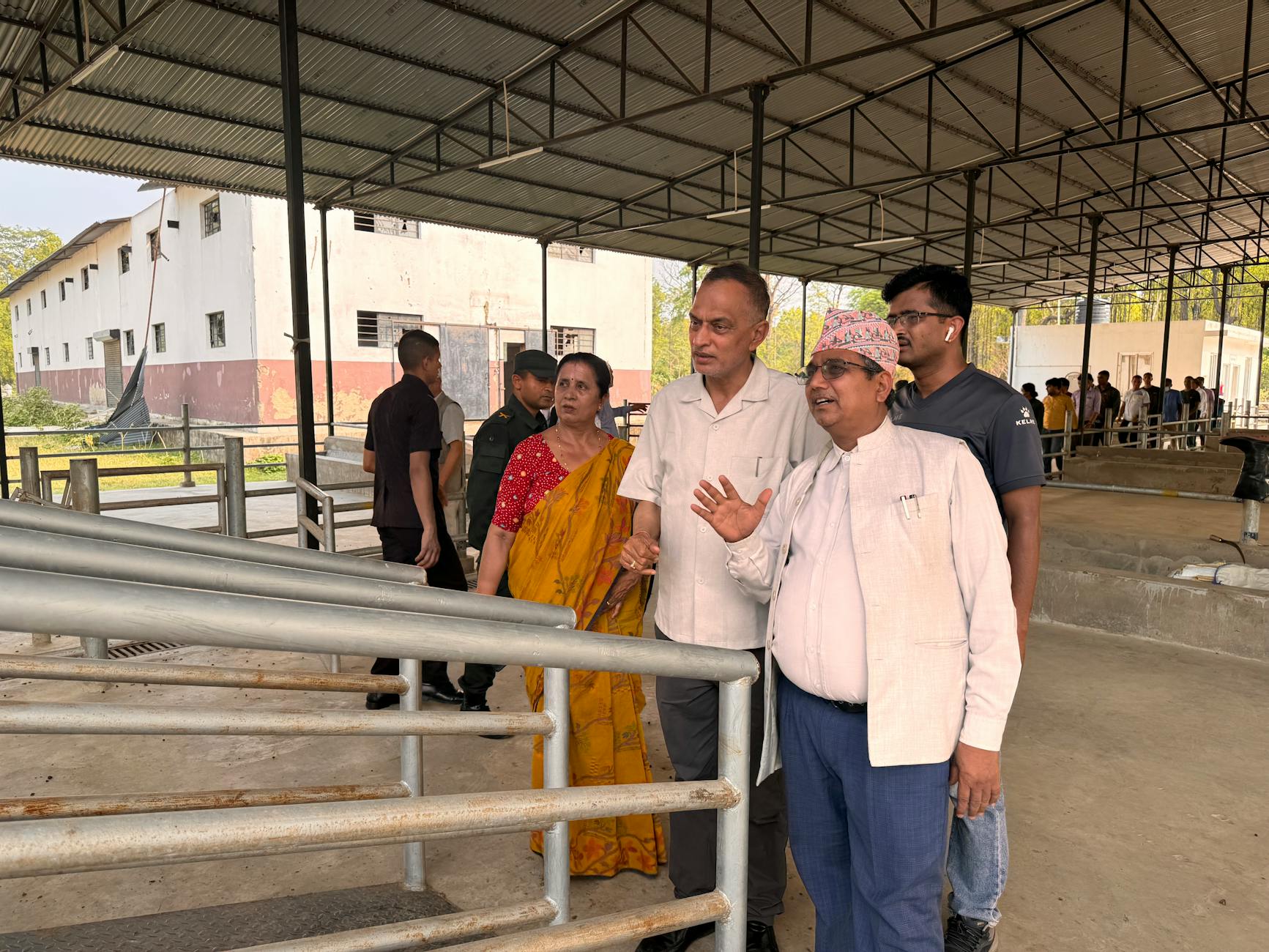
- The Director-General of the World Health Organization has made a critical visit to a primary Ebola outbreak zone, signaling the extreme gravity of the current epidemic.
- Ebola cases are surging at an alarming rate, significantly outpacing the effectiveness of existing containment measures and public health interventions deployed in the affected regions.
- International health organizations and local authorities are struggling to implement adequate control strategies, with fears growing that the outbreak could soon become uncontainable and spread further.
- The visit underscores the urgent need for increased international support, including financial aid, medical supplies, and specialized personnel, to bolster response efforts on the ground.
- The potential for wider regional or even global transmission remains a significant concern, necessitating immediate and coordinated action from the international community to prevent a larger catastrophe.
- Community engagement and trust-building are identified as crucial elements for successful outbreak control, yet these remain significant challenges in the current volatile environment.
Background
The Democratic Republic of Congo has been battling recurrent Ebola outbreaks for decades, with the virus endemic to certain regions and frequently re-emerging despite extensive efforts to control it. This latest epidemic, however, has demonstrated a particularly aggressive and widespread pattern, challenging the established response mechanisms. Initial cases were identified in a remote, densely populated area, making early detection and isolation difficult. The geographical spread has been rapid, with the virus now present in multiple health zones, some of which are difficult to access due to poor infrastructure and ongoing security concerns. This complex environment complicates the logistical challenges of delivering essential medical supplies, deploying trained personnel, and implementing vital contact tracing and quarantine protocols effectively. The resilience of the virus and the socio-economic factors within the affected communities present a formidable obstacle to eradication efforts.
The current outbreak is characterized by an unusually high number of community deaths, suggesting that many cases are going unreported and untreated in their early, most infectious stages. This phenomenon is often linked to a lack of trust in health authorities, deep-seated cultural beliefs surrounding death and burial rituals, and the pervasive fear of seeking medical attention due to past negative experiences or misinformation. The rapid movement of people, both within the country and across porous international borders, further exacerbates the risk of transmission. Health workers themselves remain at significant risk, with numerous infections and fatalities reported among those on the front lines, underscoring the extreme danger and the need for enhanced personal protective equipment and safety protocols. The strain on already fragile healthcare systems is immense, diverting resources and attention from other critical health needs.
The World Health Organization (WHO) and its partners have been working tirelessly to contain the epidemic, deploying rapid response teams, establishing treatment centers, and conducting extensive vaccination campaigns using experimental but highly effective vaccines. However, the sheer scale and speed of the current outbreak have stretched these resources to their breaking point. Security challenges, including attacks on health facilities and personnel by armed groups, have repeatedly disrupted vital operations, creating safe havens for the virus to spread unchecked. The political instability in some affected areas further complicates coordinated response efforts, making it difficult to implement consistent public health measures across all regions. Addressing these multifaceted challenges requires not only medical expertise but also diplomatic engagement and a deep understanding of the local context.
Why It Matters
The escalating Ebola outbreak in the Democratic Republic of Congo represents a grave threat not only to the immediate region but also to global health security. The virus's ability to spread rapidly, coupled with the challenges in containing it, highlights the persistent vulnerability of the world to infectious disease emergencies. If left unchecked, this epidemic could overwhelm neighboring countries, straining their already limited healthcare infrastructure and potentially leading to widespread humanitarian suffering. The economic consequences are also significant, impacting trade, travel, and investment in the affected region and potentially deterring international engagement due to fear and instability. The lessons learned from previous Ebola outbreaks, including the devastating West Africa epidemic of 2014-2016, underscore the critical importance of swift, decisive, and well-resourced international action to prevent such scenarios from recurring.
Beyond the immediate health crisis, the current Ebola surge poses a stark reminder of the interconnectedness of global health. Advances in transportation mean that a localized outbreak can quickly become an international concern, necessitating robust surveillance systems and rapid response capabilities worldwide. The potential for this virus to mutate or adapt, while unlikely in the short term, remains a theoretical risk that demands constant vigilance. Furthermore, the diversion of resources and attention to this epidemic can have ripple effects, potentially hindering progress on other critical global health priorities such as malaria, HIV/AIDS, and routine immunization programs. Ensuring that the world remains prepared for such threats requires sustained investment in public health infrastructure, research, and international cooperation, even in the absence of an active crisis.
The humanitarian toll of this outbreak is immense, affecting not only those directly infected but also their families, communities, and the healthcare workers risking their lives to combat the disease. The psychological impact of living under the constant threat of infection, coupled with the social stigma often associated with Ebola, creates a profound sense of fear and isolation. Children orphaned by the epidemic face long-term challenges, requiring specialized care and support. The disruption to daily life, including access to education, markets, and essential services, further exacerbates the suffering. Addressing these profound human consequences requires a comprehensive approach that goes beyond medical interventions to include psychosocial support, community resilience-building, and long-term recovery efforts.
Ground Reality
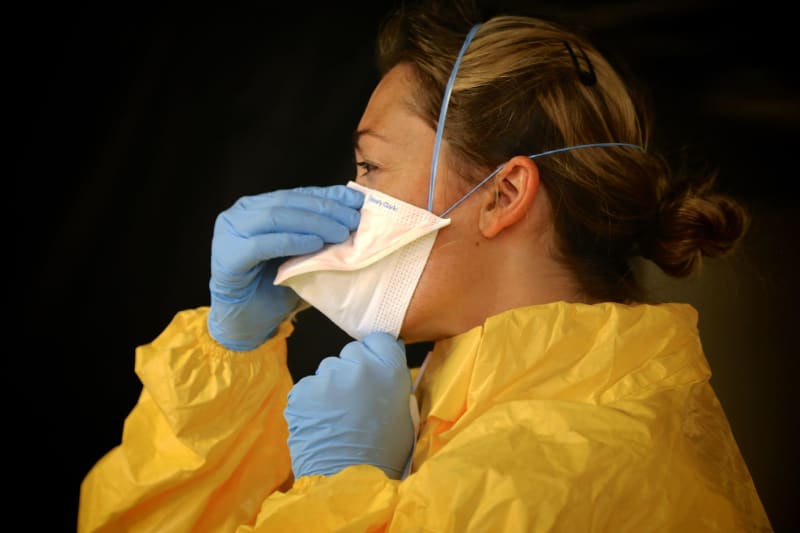
On the ground, the situation is dire and characterized by a constant struggle against overwhelming odds. Healthcare facilities in the affected zones are severely understaffed and lack essential medical supplies, including personal protective equipment (PPE), ventilators, and even basic hygiene materials like soap and clean water. The sheer volume of patients overwhelms the capacity of existing treatment centers, forcing difficult decisions about resource allocation and patient care. Many individuals who suspect they or their loved ones are infected are too afraid to seek help, either due to fear of stigmatization, mistrust of medical personnel, or the logistical challenges of reaching distant treatment units. This leads to delayed diagnosis and treatment, significantly increasing the risk of transmission within families and communities, and making containment efforts exponentially more difficult.
Community engagement remains a significant hurdle. Deep-seated cultural practices, particularly concerning traditional burial rites where the deceased are handled extensively, provide fertile ground for the virus's spread. Overcoming these deeply ingrained traditions requires sensitive, culturally appropriate communication strategies and the active involvement of trusted local leaders and elders. However, mistrust of outsiders and external interventions, often fueled by historical grievances or misinformation campaigns, can severely undermine these efforts. Health workers often face hostility or suspicion, making their vital work of contact tracing, case investigation, and health education incredibly challenging and dangerous. Building bridges of trust and ensuring community buy-in are paramount, yet proving exceptionally difficult in the current climate of fear and uncertainty.
The logistical and security challenges are immense, further complicating the response. Many of the affected areas are remote, with poor road networks, making it difficult to transport medical supplies, personnel, and equipment. This isolation also hinders the rapid deployment of contact tracing teams and the effective quarantine of exposed individuals. Furthermore, ongoing insecurity and the presence of armed groups in some regions pose a direct threat to the safety of health workers and disrupt essential operations. Attacks on treatment centers and personnel have occurred, forcing temporary closures and creating dangerous gaps in the response. The combination of geographical remoteness, inadequate infrastructure, and security threats creates a complex operational environment that severely hampers the ability to control the outbreak effectively.
What Experts Are Saying
Dr. Anya Sharma, a leading infectious disease specialist, emphasized the critical need for immediate and substantial international financial and logistical support. "We are seeing a worrying acceleration in case numbers that is outpacing our ability to respond effectively with current resources," she stated. "The window for containment is rapidly closing, and without a significant surge in funding for personnel, equipment, and community outreach programs, we risk a far larger and more devastating epidemic. This is not just a regional crisis; it is a global health security threat that demands an urgent, coordinated international response, mirroring the urgency seen in other major global health emergencies."
Professor Kenji Tanaka, an expert in public health policy and epidemiology, highlighted the complex interplay of social, cultural, and political factors exacerbating the outbreak. "Simply deploying more medical teams is insufficient," Professor Tanaka explained. "We must simultaneously invest in building trust within affected communities, working with local leaders to adapt traditional practices safely, and addressing the underlying socio-economic conditions that make populations vulnerable. The security situation in some areas is also a major impediment, requiring careful diplomatic engagement to ensure humanitarian access and protect healthcare workers. A holistic approach that integrates medical, social, and security considerations is absolutely essential for any chance of success."
Dr. Isabella Rossi, who has extensive experience managing Ebola outbreaks, warned against complacency and stressed the importance of sustained vigilance. "Even as we focus on the immediate crisis, we must remember that Ebola can linger and re-emerge," Dr. Rossi cautioned. "Long-term investment in strengthening local healthcare systems, improving surveillance, and maintaining research into diagnostics, treatments, and vaccines is crucial. The international community cannot afford to disengage once the immediate headlines fade. We need a commitment to supporting these regions not just during the peak of the crisis, but through the recovery phase and beyond, to build resilience against future outbreaks and prevent the cycle of devastation."
Frequently Asked Questions
What Happens Next
The immediate priority is to intensify response efforts on the ground, focusing on breaking the chains of transmission. This will involve a significant increase in the number of trained healthcare workers, rapid deployment of essential medical supplies and equipment to overwhelmed facilities, and the establishment of additional treatment and isolation centers in affected and at-risk areas. Enhanced surveillance systems will be crucial for quickly identifying new cases and potential outbreaks, coupled with robust contact tracing and quarantine measures. The WHO and its partners will continue to work on strengthening community engagement strategies, aiming to build trust and encourage adherence to public health guidance, particularly regarding safe burial practices and seeking timely medical care. Vaccination efforts will also be scaled up, targeting high-risk populations and geographical areas.
Looking ahead, sustained international commitment will be paramount. This includes not only financial aid for immediate response but also long-term investment in strengthening the healthcare infrastructure of the affected region. Building local capacity for disease surveillance, outbreak investigation, and emergency response is essential to ensure preparedness for future health threats. Efforts will also need to focus on addressing the socio-economic factors that contribute to vulnerability, such as poverty, lack of access to clean water, and inadequate sanitation. Furthermore, continued research into improved diagnostics, treatments, and vaccines will be vital. Diplomatic engagement will be necessary to address security concerns that impede response efforts and to foster regional cooperation in disease control.
The global community must remain vigilant, recognizing that Ebola outbreaks, if not effectively contained, pose a persistent threat to international health security. This requires maintaining robust global surveillance networks, ensuring rapid deployment mechanisms are in place, and fostering a culture of preparedness and collaboration among nations. Lessons learned from this outbreak must be systematically analyzed and integrated into future response strategies. The WHO's role in coordinating international efforts will remain critical, advocating for necessary resources and ensuring that response efforts are evidence-based, ethically sound, and culturally sensitive. Ultimately, preventing future large-scale Ebola epidemics hinges on a sustained commitment to global health security and equitable access to healthcare resources worldwide.













Comments
No comments yet. Be the first to comment!