
Key Takeaways
- The U.S. Treasury Department has enacted a fresh round of sanctions, specifically targeting a sophisticated network of entities and individuals accused of funneling critical financial resources to both the Sudanese Armed Forces (SAF) and the Rapid Support Forces (RSF), the primary belligerents in Sudan's ongoing civil war.
- These punitive measures aim to dismantle the illicit financial infrastructure that enables the warring parties to procure weapons, sustain their operations, and prolong the devastating conflict, which has already claimed thousands of lives and displaced millions.
- Key targets include companies involved in gold smuggling and other illicit trade, which serve as crucial revenue streams for the conflict, highlighting the international community's resolve to cut off economic lifelines to the perpetrators.
- The sanctions underscore a growing international concern over the rapidly deteriorating humanitarian situation in Sudan, where widespread violence, food insecurity, and displacement have pushed the nation to the brink of a catastrophic collapse.
- This action follows previous diplomatic efforts and sanctions, signaling a hardened stance from the United States to exert maximum economic pressure and compel a cessation of hostilities and a return to a civilian-led transitional government.
- The Treasury's move is intended to send a clear message that those who profit from and perpetuate the conflict will face severe economic consequences, urging all actors to prioritize peace and humanitarian access.
Background
Sudan plunged into a brutal civil war in April 2023, stemming from a fierce power struggle between the Sudanese Armed Forces (SAF), led by General Abdel Fattah al-Burhan, and the paramilitary Rapid Support Forces (RSF), commanded by General Mohamed Hamdan Dagalo, widely known as Hemedti. This conflict erupted just as the nation was on the cusp of transitioning to a civilian-led government, shattering hopes for democratic reform and stability. The initial clashes quickly escalated beyond Khartoum, engulfing vast swathes of the country and transforming urban centers into battlegrounds, leading to widespread destruction and an unprecedented humanitarian catastrophe.
The roots of the current conflict trace back to the 2019 overthrow of long-time dictator Omar al-Bashir, after which the SAF and RSF, initially allies in the transitional military council, found their interests diverging sharply. Tensions simmered over the integration of the RSF into the regular army and control over key economic assets, particularly lucrative gold mines. These unresolved power dynamics and the failure to establish a truly inclusive civilian government created a volatile environment, ultimately igniting the devastating hostilities that continue to tear the country apart and displace its population.
The humanitarian impact has been nothing short of catastrophic. Millions have been displaced internally and across borders, seeking refuge from indiscriminate shelling, ground combat, and widespread human rights abuses. Access to food, water, and medical supplies has become severely restricted, pushing large populations to the brink of famine. International aid organizations struggle to deliver assistance amidst the insecurity and bureaucratic hurdles, making the situation one of the world's most pressing and underreported crises, demanding immediate and sustained global attention.
Why It Matters
The ongoing conflict in Sudan is not merely an internal affair; it represents a profound threat to regional stability and global security. Sudan borders seven countries, many of which are already grappling with their own political instabilities, economic challenges, and refugee crises. The spillover effects, including mass displacement, arms proliferation, and the potential for extremist group exploitation, could destabilize the entire Horn of Africa and Sahel regions, creating a ripple effect that demands urgent international intervention and coordinated diplomatic pressure to prevent wider contagion.
Beyond the immediate human cost, the conflict undermines international norms against military coups and the use of force to settle political disputes. The failure to hold perpetrators accountable and to effectively cut off their financial lifelines sends a dangerous message globally, emboldening other authoritarian regimes and armed groups. This erosion of international law and humanitarian principles has long-term implications for global governance and the protection of civilians in future conflicts, making the response to Sudan a critical test of collective resolve.
The sanctions specifically targeting financial networks are crucial because they directly attack the economic engines fueling the war machine. By disrupting the flow of funds from illicit gold mining, arms trafficking, and other illegal activities, the international community aims to diminish the capacity of both the SAF and RSF to continue their destructive campaigns. This strategic approach is vital not only to alleviate immediate suffering but also to pave the way for a more sustainable peace process, as long as the warring parties are deprived of the means to prolong the violence indefinitely.
Ground Reality
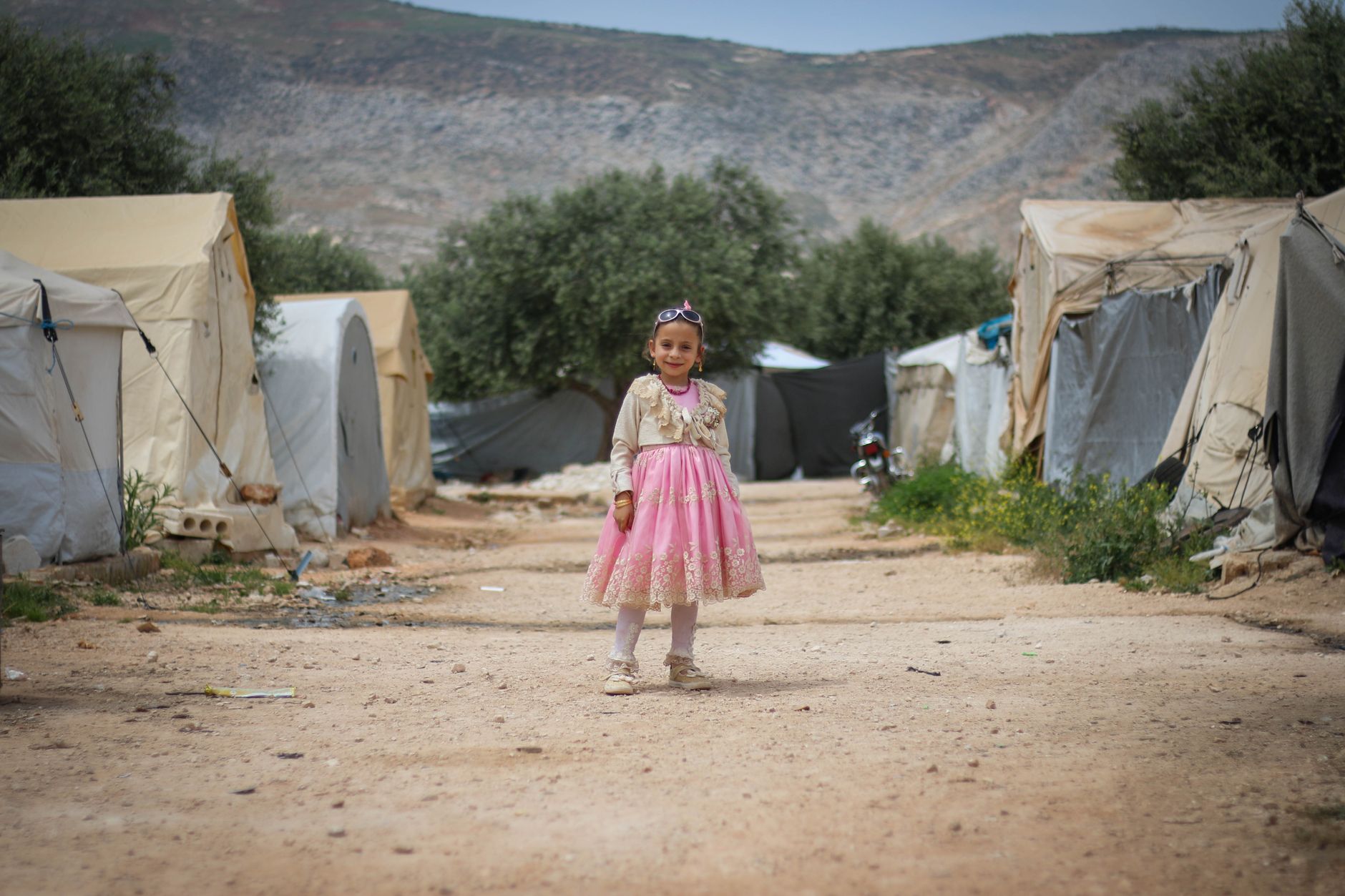
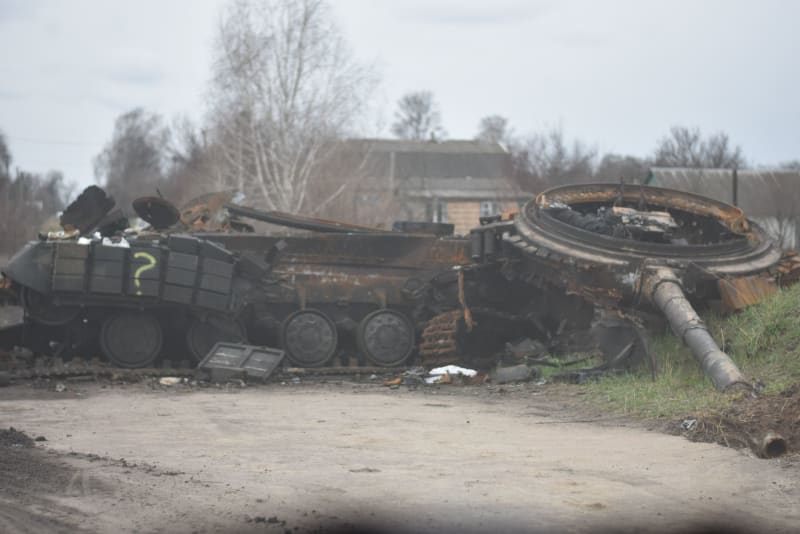
On the ground, life in Sudan has become an unimaginable struggle for survival. Cities like Khartoum and El Geneina have been ravaged, with infrastructure destroyed, essential services collapsed, and widespread looting becoming commonplace. Civilians face constant threats of violence, including indiscriminate shelling, sniper fire, and targeted attacks, forcing millions to flee their homes with little more than the clothes on their backs. The pervasive insecurity means that even basic tasks like finding food or water carry immense risks, trapping communities in a cycle of fear and deprivation.
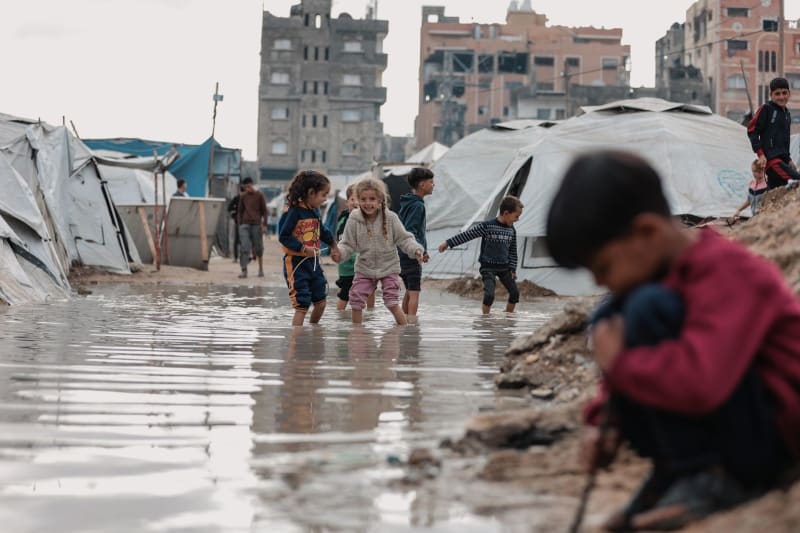
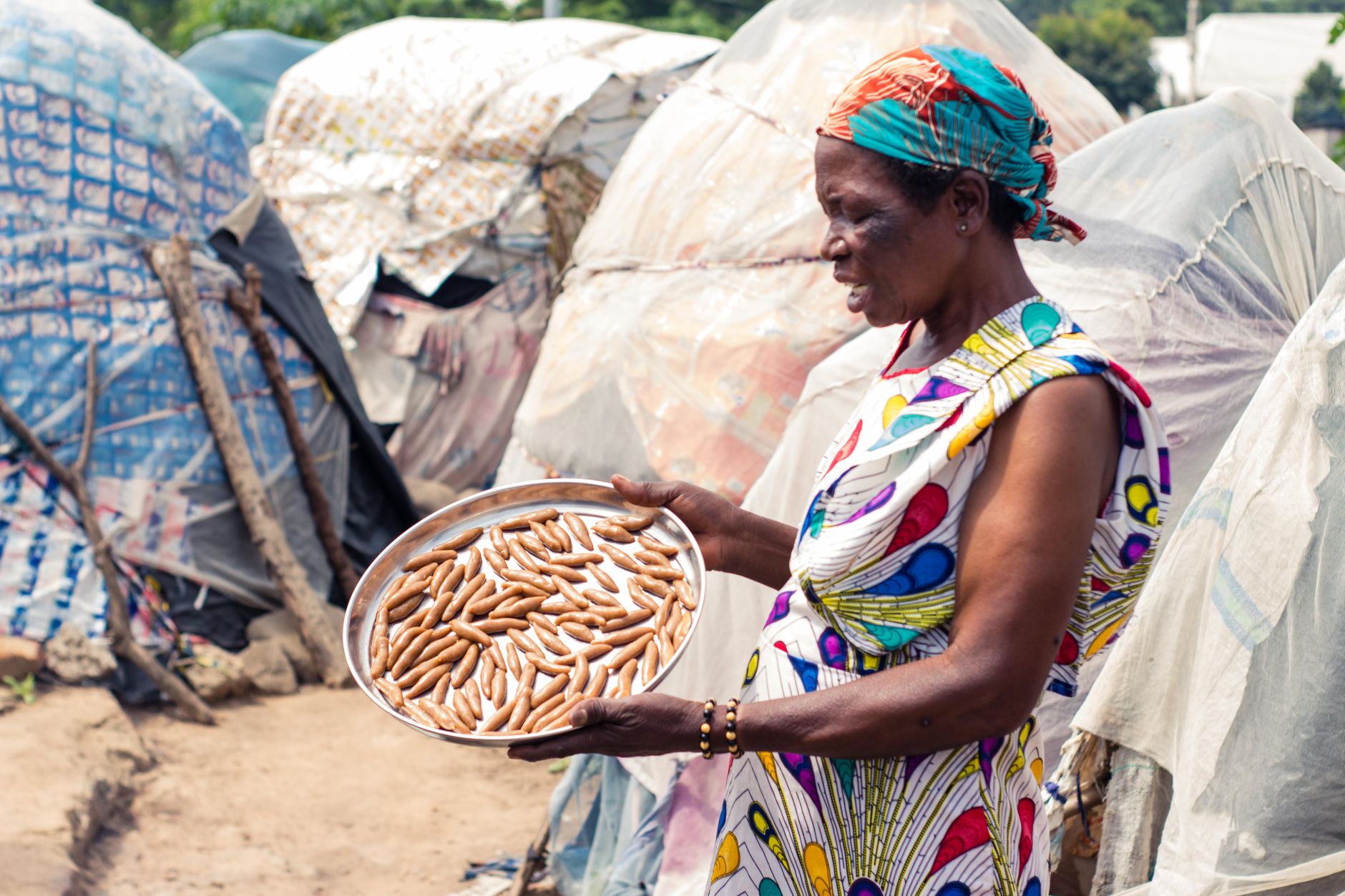
The humanitarian crisis is spiraling out of control, with over 10 million people displaced, making it the world's largest displacement crisis. Many internally displaced persons (IDPs) are living in makeshift camps or overcrowded host communities, lacking adequate shelter, sanitation, and medical care. Food insecurity is rampant, with parts of the country teetering on the brink of famine, exacerbated by disrupted agricultural cycles and blocked aid routes. The international community's efforts to deliver life-saving assistance are severely hampered by bureaucratic obstacles, direct attacks on aid convoys, and the sheer scale of the devastation.
Reports of grave human rights abuses are widespread and deeply alarming. Both the SAF and RSF have been accused of committing atrocities, including sexual violence, arbitrary detention, and extrajudicial killings. Ethnic targeting has been particularly evident in regions like Darfur, raising fears of genocide. The absence of accountability for these crimes perpetuates a climate of impunity, further traumatizing the population and making reconciliation efforts incredibly challenging in the long term. The international community must redouble its efforts to document these abuses and ensure that justice eventually prevails for the victims.
What Experts Are Saying
Experts generally agree that while sanctions are a necessary tool, their effectiveness in Sudan will hinge on robust enforcement and a comprehensive diplomatic strategy. Dr. Aisha Mahmoud, a regional security analyst, notes, 'Targeting financial networks is crucial, but these groups are adept at finding alternative routes. Without parallel diplomatic pressure from regional powers and a unified international front, sanctions alone may not be enough to force a genuine shift in military calculus.' She emphasizes the need for continuous monitoring and adaptation as illicit networks evolve.
Many analysts highlight the challenge of distinguishing between legitimate economic activity and illicit funding, particularly in a conflict economy where lines are blurred. Professor Omar Al-Hassan, an economist specializing in conflict zones, points out, 'Sanctions must be carefully calibrated to avoid inadvertently harming the civilian population or legitimate humanitarian operations. The risk of driving more economic activity underground, making it harder to track, is always present. A multi-pronged approach that includes humanitarian aid and support for peace initiatives is essential to complement punitive measures.' The focus, he argues, should be on disrupting the command and control over these funds, not just the funds themselves.
Despite the complexities, there's a consensus that these sanctions send a powerful signal. Dr. Lena Khan, a senior policy advisor on African affairs, states, 'This latest round of sanctions demonstrates the international community's growing impatience and commitment to holding perpetrators accountable. It's a critical step in increasing the cost of war for the belligerents. The hope is that by severely limiting their ability to finance the conflict, it will create leverage for a political solution and ultimately compel them to engage in serious peace negotiations, which is the only sustainable path forward for Sudan.' She also stresses the importance of engaging with neighboring countries to prevent circumvention of these measures.
Frequently Asked Questions
What Happens Next
Following these sanctions, the immediate focus will be on monitoring their efficacy and the reactions of the targeted networks. The U.S. Treasury, alongside international partners, will be vigilant in identifying any attempts to circumvent these measures, potentially leading to further designations. However, the warring parties may attempt to find new illicit channels or deepen existing ones, requiring continuous adaptation of enforcement strategies. There is also a risk that, feeling cornered, some factions might escalate violence in a desperate bid to secure resources or strategic advantage, making the situation even more volatile for civilians.
Diplomatic efforts must intensify in parallel with economic pressure. Regional bodies like the African Union (AU) and IGAD, along with the United Nations, will need to redouble their efforts to broker a sustainable ceasefire and facilitate inclusive political dialogue. The sanctions create leverage, but this leverage must be skillfully applied in negotiations to compel both the SAF and RSF to commit to a genuine peace process and allow unhindered humanitarian access. Without a credible political pathway, sanctions alone risk prolonging a stalemate rather than forcing a resolution, exacerbating the humanitarian crisis.
Looking ahead, the international community will also need to prepare for the immense challenge of post-conflict reconstruction and humanitarian recovery, even as the conflict rages. This includes planning for robust humanitarian aid delivery, supporting transitional justice mechanisms, and fostering economic development that benefits all Sudanese people, not just a select few. The long-term success of these sanctions will ultimately be measured not just by their immediate impact on the warring factions, but by their contribution to creating conditions for a lasting peace and a return to civilian governance in Sudan, ensuring that the country can finally begin to heal and rebuild.











Comments
No comments yet. Be the first to comment!