
The Numbers
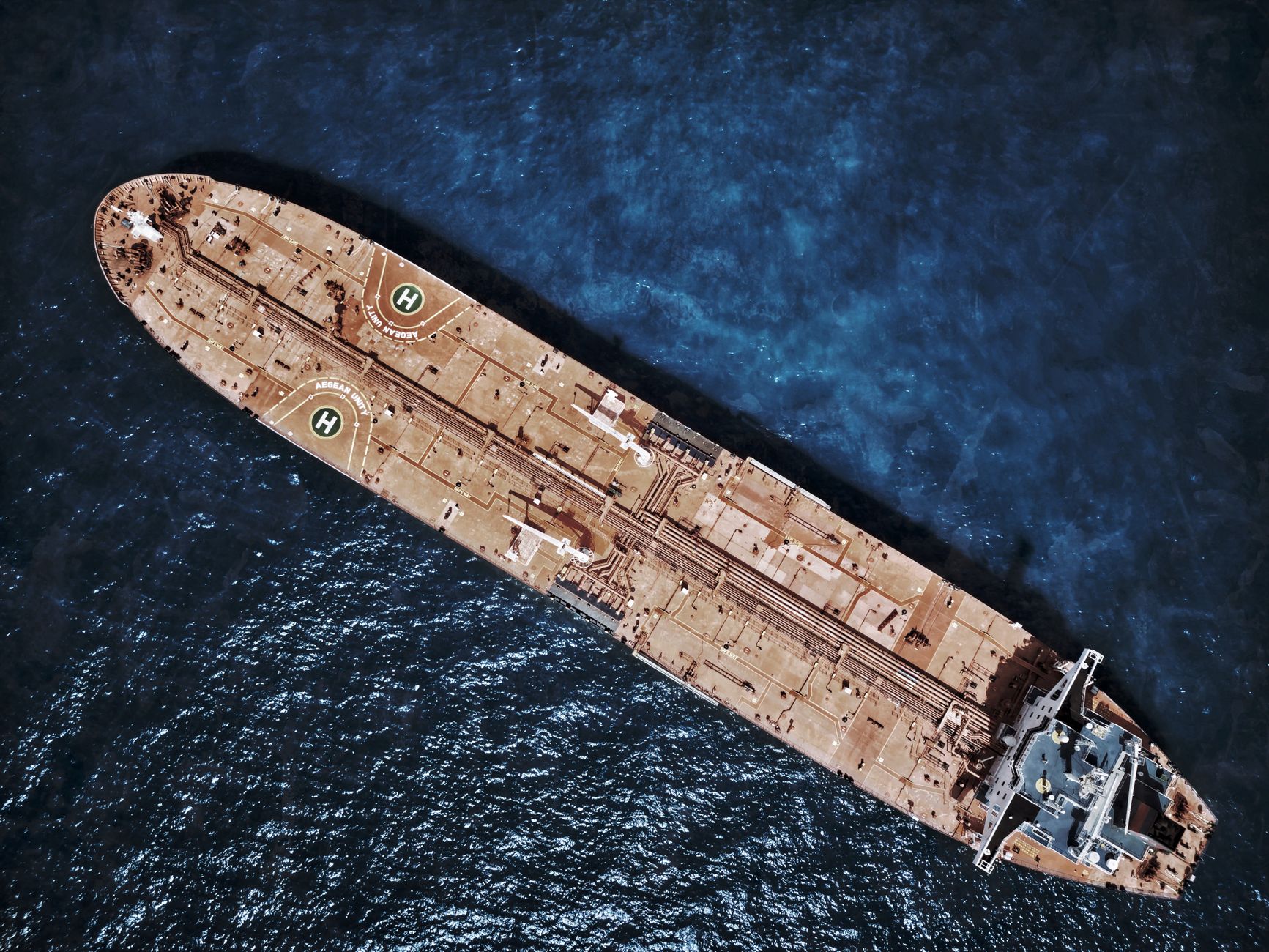
- Over 1,400 vessels are estimated to comprise Russia's 'shadow fleet,' operating globally to circumvent Western sanctions on oil exports, transporting millions of barrels of crude oil and refined products daily.
- The intercepted vessel, a tanker, was reportedly carrying an estimated 500,000 barrels of crude oil, representing a significant single shipment value in the tens of millions of dollars.
- This marks the first publicly confirmed interception of a Russian shadow fleet vessel by UK forces, escalating maritime enforcement efforts against illicit oil trade.
- Annual revenue generated by Russia's shadow fleet is estimated to be in the tens of billions of dollars, directly funding its military aggression in Ukraine and sustaining its economy.
- The UK's Royal Navy operates approximately 75 major vessels, with a substantial portion dedicated to patrolling international waters and enforcing maritime law, including sanction regimes.
- Global maritime monitoring agencies report a 300% increase in 'dark activity' – vessels turning off transponders – linked to the shadow fleet since the full-scale invasion of Ukraine in February 2022.
Context Check
The interception of a Russian 'shadow fleet' vessel by UK forces represents a pivotal moment in the ongoing economic warfare against Moscow. This fleet, a clandestine network of aging tankers often operating under flags of convenience and obscure ownership, was specifically created to bypass the G7 price cap and other sanctions imposed on Russian oil exports following the invasion of Ukraine. Its primary purpose is to ensure Russia can continue to sell its hydrocarbons on the global market, thereby funding its war machine and stabilizing its economy against Western pressure. The sheer scale and complexity of this fleet have made direct enforcement challenging, until now.
For months, Western intelligence agencies and maritime experts have been tracking the movements of these vessels, identifying their routes, ownership structures, and methods of obfuscation, which include ship-to-ship transfers at sea and the frequent disabling of Automatic Identification System (AIS) transponders. This interception is not merely a random act but the culmination of extensive surveillance and strategic planning, signaling a more aggressive stance from NATO allies in enforcing sanctions. It underscores a growing international commitment to close loopholes that allow Russia to circumvent financial restrictions, directly impacting its ability to sustain prolonged conflict.
The strategic importance of this operation cannot be overstated. It sends a clear message that no vessel engaged in illicit trade to support Russia's war will be immune from scrutiny and potential intervention. This action could deter other shipping companies and insurers from facilitating shadow fleet operations, increasing the cost and risk for Russia to export its oil. Furthermore, it highlights the evolving nature of modern geopolitical conflict, where economic sanctions and their enforcement become as critical as conventional military engagements in shaping outcomes. The implications extend beyond immediate financial losses for Russia, potentially disrupting its entire logistical network for oil exports.
Background
Following Russia's full-scale invasion of Ukraine in February 2022, Western nations, led by the G7, implemented an unprecedented array of sanctions targeting Russia's financial institutions, key industries, and, crucially, its energy sector. A cornerstone of these measures was the G7 price cap on Russian seaborne crude oil, set at $60 per barrel, intended to limit Russia's war revenues while keeping Russian oil flowing to avoid global supply shocks. In response, Russia rapidly developed its 'shadow fleet,' acquiring hundreds of older tankers, often from Greek and other European owners, and establishing new opaque trading networks to operate outside the reach of Western insurance, finance, and shipping services. This allowed Russia to sell its oil above the price cap to non-G7 buyers, particularly in Asia.
The emergence of this shadow fleet presented a significant challenge to the effectiveness of the sanctions regime. These vessels often lack proper insurance, operate with minimal maintenance, and frequently engage in risky ship-to-ship transfers in international waters, raising serious environmental and safety concerns. Western governments have been under increasing pressure to find ways to counter this evasion, with discussions ranging from stricter enforcement of existing regulations to developing new legal frameworks for interception. The UK's recent action represents a significant step forward in this enforcement, moving beyond mere monitoring to direct intervention, which could set a precedent for other nations.
Prior to this interception, efforts to counter the shadow fleet primarily focused on intelligence gathering, issuing warnings to shipping companies, and sanctioning individual entities involved in its operations. However, the sheer scale and decentralized nature of the fleet meant that these measures often struggled to keep pace. The legal complexities of intercepting vessels in international waters, especially those flying flags of convenience, have also been a major hurdle. This UK operation signals a potential shift in strategy, demonstrating a willingness to navigate these legal challenges to directly disrupt Russia's illicit trade. It underscores a hardening resolve among Western allies to make sanctions truly impactful, even if it requires more direct and assertive actions on the high seas.
Winners and Losers
The most immediate winner in this scenario is undoubtedly the United Kingdom and its Western allies. The interception demonstrates a robust commitment to enforcing international sanctions and directly challenges Russia's ability to circumvent these restrictions. This action enhances the credibility of the G7 price cap mechanism and sends a powerful message to other nations or entities considering facilitating Russia's illicit trade. For Ukraine, this represents an indirect but significant victory, as any disruption to Russia's oil revenues directly impacts its capacity to fund the ongoing war, potentially shortening the conflict or reducing its intensity. It reinforces the notion that economic pressure can be a potent weapon in geopolitical conflicts.
Conversely, Russia emerges as the primary loser. This interception inflicts a direct financial blow by disrupting a specific oil shipment and, more importantly, raises the operational costs and risks for its entire shadow fleet. The increased scrutiny and potential for future interceptions will force Russia to invest more in evasive tactics, find new, more expensive routes, or face higher insurance premiums, all of which erode the profitability of its oil exports. This action also damages Russia's international standing, exposing its reliance on illicit networks and undermining its attempts to project an image of resilience against Western pressure. It's a significant setback for Putin's war chest, directly impacting his ability to sustain military operations.
Beyond the immediate parties, the global maritime industry faces a mixed bag. Legitimate shipping companies and insurers will likely welcome stricter enforcement, as the shadow fleet's unsafe practices pose risks to all seafarers and the marine environment. However, those involved in facilitating the shadow fleet, even indirectly, will face heightened scrutiny and potential legal repercussions, increasing their operational risks. The incident could also lead to increased volatility in global oil markets as traders factor in the heightened risk associated with Russian oil. Ultimately, the interception underscores a global shift towards more assertive maritime governance, potentially benefiting international law and environmental safety while complicating the operations of those seeking to exploit loopholes.
Analyst Perspectives
Maritime security analysts view the UK's interception as a critical escalation in the economic war against Russia. Dr. Eleanor Vance, a senior fellow at the Royal United Services Institute, notes, "This isn't just about one tanker; it's about establishing a precedent. For too long, the shadow fleet has operated with relative impunity, exploiting the grey areas of international law. This action signals a clear intent from Western powers to move beyond intelligence gathering and into direct, assertive enforcement. It will undoubtedly force Russia to reassess its logistical strategies and potentially increase the cost of its illicit oil exports significantly." This perspective highlights the long-term strategic implications over immediate financial impact.
Economists specializing in sanctions enforcement, such as Professor Mark Harrison from the University of Warwick, emphasize the financial impact. "While a single interception won't cripple Russia's economy, the cumulative effect of increased risk and operational costs will be substantial," he explains. "Every additional hurdle Russia faces in selling its oil above the price cap translates directly into fewer resources for its military. This move by the UK could trigger a cascade effect, making it harder for Russia to find willing insurers, flag states, and port services, thereby tightening the economic noose further." This analysis points to the incremental but persistent pressure on Russia's financial lifelines.
Geopolitical strategists suggest that this interception also carries significant diplomatic weight. "It demonstrates a renewed vigor within NATO and its allies to enforce the rules-based international order," states Ambassador (ret.) David L. Phillips, a foreign policy expert. "This isn't just about oil; it's about signaling resolve. Russia has been testing the boundaries, and this is a firm pushback. It will likely be met with condemnation from Moscow, but it also sends a message to other potential adversaries that circumventing international norms will come with tangible consequences. The challenge now is for other nations to follow suit and create a truly unified front against such illicit activities." This perspective underscores the broader implications for international relations and deterrence.
Key Questions Explained
The Outlook
The successful interception of a Russian shadow fleet vessel by UK forces marks a significant turning point in the enforcement of sanctions against Moscow. This action is likely to usher in an era of more aggressive and coordinated maritime interdiction efforts by Western allies. We can anticipate increased intelligence sharing and joint operations aimed at identifying, tracking, and potentially intercepting other vessels involved in illicit Russian oil trade. This will undoubtedly raise the operational costs and risks for Russia's shadow fleet, forcing Moscow to invest more heavily in evasive tactics or seek even more obscure channels for its exports, further eroding the profitability of its energy sector.
However, Russia is highly adaptive and will undoubtedly seek new strategies to counter these heightened enforcement measures. This could include further obfuscation of ownership, more frequent ship-to-ship transfers in remote areas, or the development of new logistical hubs in friendly nations. The cat-and-mouse game between Western enforcement and Russian evasion is set to intensify, requiring continuous innovation and vigilance from allied nations. The long-term impact on global energy markets will depend on the scale and consistency of these interdictions, potentially leading to increased volatility and a clearer distinction between legitimate and illicit oil trade routes.
Ultimately, the success of this new, more assertive approach will hinge on sustained international cooperation and a unified legal framework to address the complexities of maritime jurisdiction. While this single interception is a blow to Putin's war chest, the true test will be whether it can be replicated consistently and scaled up to effectively dismantle the shadow fleet's operational capacity. The geopolitical landscape is shifting, and this incident underscores a growing willingness among Western powers to employ direct action to enforce economic sanctions, signaling a more robust and potentially confrontational phase in the ongoing efforts to pressure Russia.












Comments
No comments yet. Be the first to comment!