

The Story in Brief
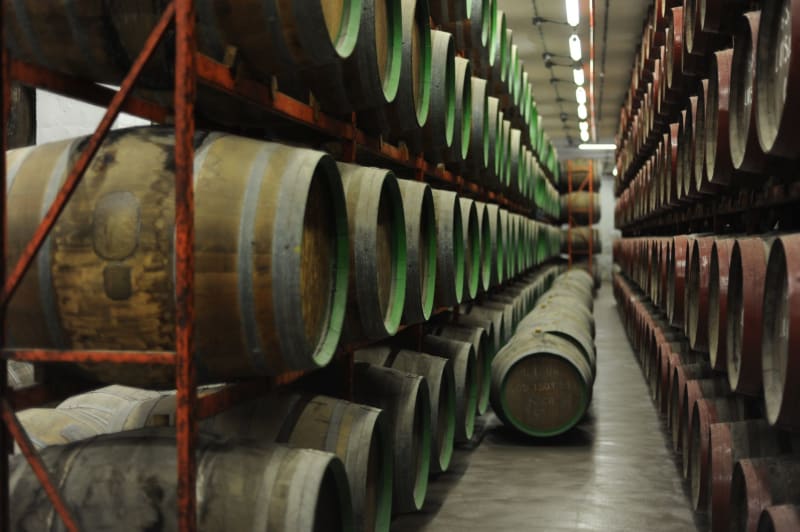
- The U.S. government has issued a significant, albeit temporary, waiver, permitting the sale of Iranian oil for a limited 60-day period, marking a notable deviation from its long-standing stringent sanctions regime.
- This authorization, valid for just two months, creates a narrow window for Iran to re-enter a segment of the global oil market, potentially offering a brief economic reprieve for the sanction-hit nation.
- The strategic timing of this move coincides with heightened geopolitical tensions and ongoing, albeit stalled, international negotiations concerning Iran's nuclear program and regional activities, suggesting a calculated diplomatic maneuver.
- For years, comprehensive sanctions on Iranian oil exports have served as a primary instrument of U.S. foreign policy, aiming to exert maximum economic pressure and compel Tehran towards policy changes.
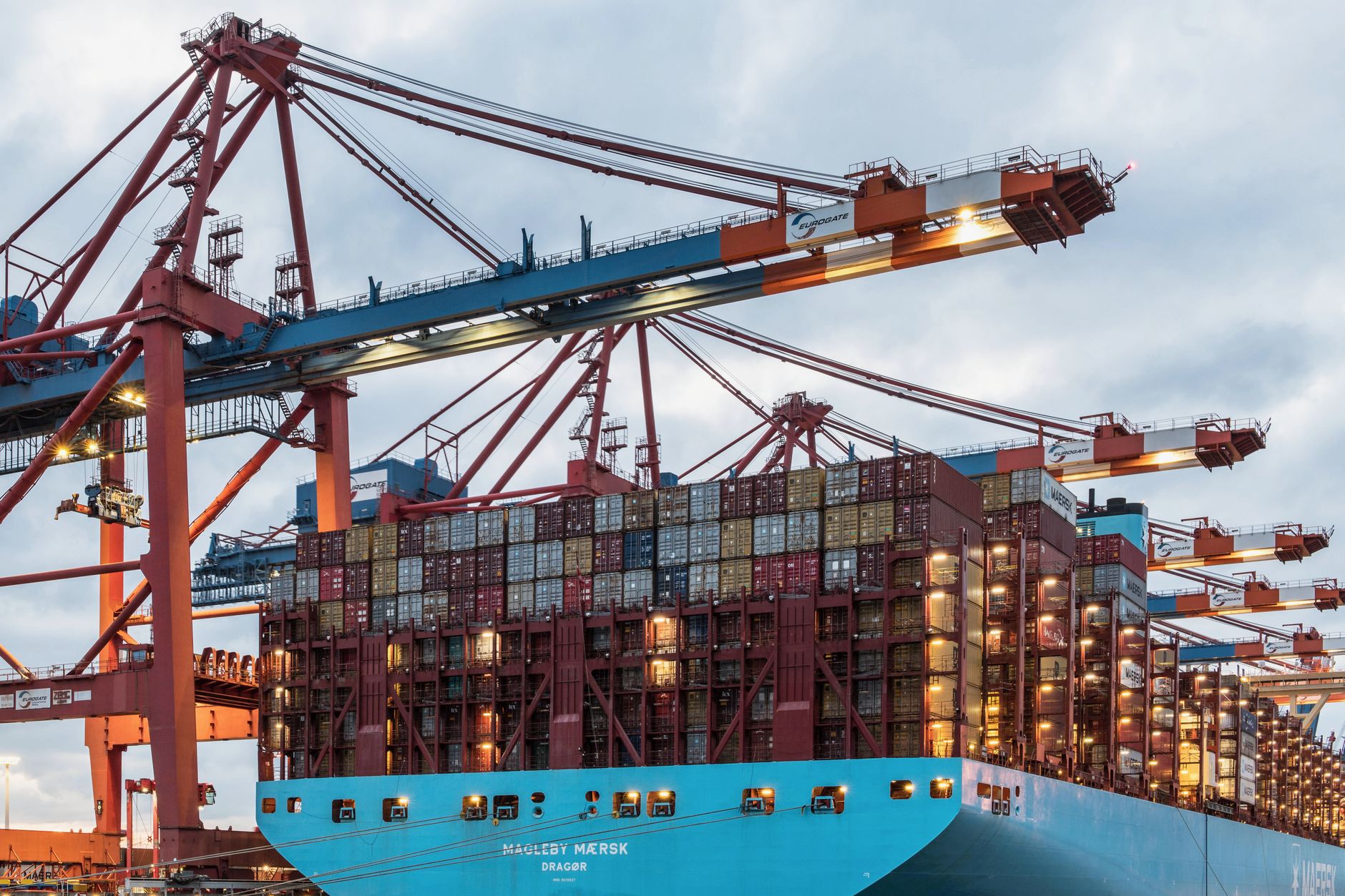
- Analysts widely anticipate that this temporary decision will send ripples through global oil markets, potentially influencing crude prices and supply dynamics, while also impacting the delicate balance of diplomatic relations in the Middle East.
- Experts are now meticulously scrutinizing the multifaceted implications for Iran's struggling economy, its internal political landscape, and the broader prospects for regional stability, as this waiver could be a harbinger of future policy shifts.
The Human Face
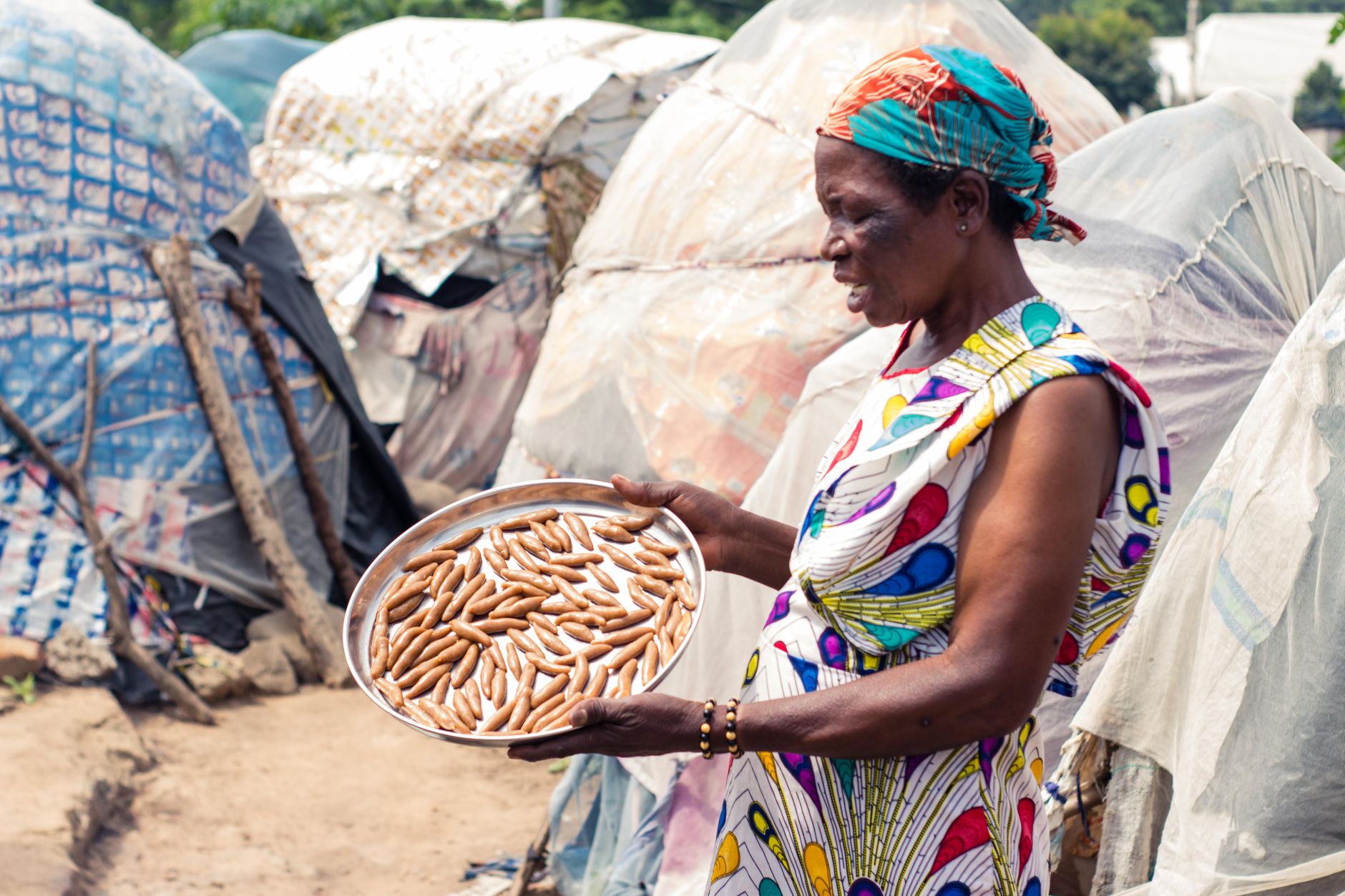
For ordinary Iranians, the news of even a temporary easing of oil sanctions offers a fragile glimmer of hope amidst years of relentless economic hardship. Families across the nation have grappled with soaring inflation, a depreciating currency, and critically limited access to essential goods, making daily life an incessant struggle. This short-term relief, however precarious, could translate into a slight improvement in the availability of basic necessities and a marginal stabilization of prices, providing a much-needed, albeit fleeting, respite from the pervasive economic pressures that have defined their existence. The psychological toll of prolonged isolation and financial strain on the populace cannot be overstated, affecting mental health and eroding social cohesion within communities.
The impact extends beyond mere economics; it touches the very fabric of society. Small businesses, which have borne the brunt of international isolation, might see a brief uptick in activity, potentially creating temporary employment opportunities. However, the inherent uncertainty of a 60-day waiver means that any significant, long-term investments or structural changes are unlikely. People remain cautiously optimistic, understanding that this could be a fleeting moment rather than a fundamental shift. The constant oscillation between hope and despair has become a defining characteristic of life under sanctions, fostering a deep-seated weariness among the populace.
The human element in this policy decision is paramount, as the lives of millions hang in the balance. While policymakers debate geopolitical strategies and market dynamics, Iranian citizens continue to navigate a complex reality where access to medicine, educational resources, and even clean water can be impacted by international decisions. This temporary measure, therefore, is not just about barrels of oil; it represents a brief opening for human connection and a potential easing of the daily burdens faced by families striving for normalcy. The world watches to see if this window of opportunity translates into tangible, positive change for those most affected.
How We Got Here
The intricate web of U.S. sanctions on Iran boasts a long and contentious history, fundamentally rooted in profound concerns over Tehran's controversial nuclear program and its alleged support for various regional proxy groups. A pivotal moment arrived in 2018 when the Trump administration unilaterally withdrew from the Joint Comprehensive Plan of Action (JCPOA), a landmark international nuclear agreement. This dramatic exit triggered the immediate reimposition of stringent, sweeping sanctions that effectively crippled Iran's vital oil exports, which historically constituted the nation's primary source of revenue. The explicit aim was to exert 'maximum pressure,' forcing Iran to renegotiate a more restrictive and comprehensive deal, though this strategy also inflicted severe economic hardship across the country.
The international community has remained deeply divided on both the efficacy and ethical implications of these unilateral sanctions. While some nations aligned with the U.S. in pressuring Iran, many European allies and other global powers consistently advocated for diplomatic engagement and the preservation of the JCPOA, viewing it as the most viable path to preventing nuclear proliferation. This divergence in approach created significant diplomatic friction and complicated efforts to present a united front against Iran. The sanctions regime, therefore, became not just a tool against Tehran, but also a point of contention among traditional allies, highlighting the complexities of global governance and differing foreign policy philosophies.
Over the years, the sanctions have profoundly shaped Iran's economic landscape, compelling the nation to seek alternative trade routes, develop domestic industries, and foster closer ties with non-Western powers. This economic isolation, while intended to weaken the regime, has also inadvertently strengthened its resolve in some areas and pushed it towards greater self-reliance, albeit at a high cost to its citizens. The current 60-day waiver, therefore, emerges from a backdrop of protracted geopolitical maneuvering, failed negotiations, and a persistent standoff, representing a cautious, perhaps desperate, attempt to recalibrate a strategy that has yielded mixed results and significant regional instability.
Why This Cannot Be Ignored
This temporary authorization transcends a simple economic adjustment; it represents a profoundly significant diplomatic signal, potentially indicating a nuanced shift in U.S. policy towards Iran. Such a move could critically open new, albeit narrow, avenues for de-escalation, renewed dialogue, or even the tentative resumption of broader negotiations that have long been stalled. The global energy market, always sensitive to supply dynamics, will undoubtedly react with keen interest, as even a limited, time-bound increase in Iranian oil supply has the potential to influence crude prices, impact global supply chains, and reshape investment strategies, especially amidst current geopolitical instabilities and energy security concerns. The ripple effects of this decision are poised to resonate far beyond the immediate economic sphere.
The implications of this 60-day window will be acutely felt across the volatile Middle East. Regional powers, particularly Saudi Arabia and Israel, who view Iran with deep suspicion, will be closely scrutinizing this development for any signs of a fundamental change in U.S. posture or a perceived weakening of the 'maximum pressure' campaign. This could trigger shifts in their own foreign policy strategies, potentially leading to increased regional jockeying or renewed diplomatic efforts to counter Iranian influence. The delicate balance of power in the region is highly susceptible to such signals, making this temporary waiver a critical barometer for future stability and alliances, demanding careful observation from all stakeholders.
Ultimately, this decision carries the weight of potentially paving the way for more sustained engagement or, conversely, serving as merely a temporary pause in an ongoing, entrenched standoff. Its profound implications extend to global security, non-proliferation efforts, and the future trajectory of international relations with a key regional actor. The success or failure of this limited diplomatic opening will not only shape the immediate future of U.S.-Iran relations but also set a precedent for how major powers navigate complex geopolitical challenges, making its outcomes critical for understanding the evolving landscape of international diplomacy and energy politics. The stakes are undeniably high, demanding a comprehensive understanding of its multifaceted consequences.
Possible Paths Forward
As the 60-day waiver period unfolds, several distinct scenarios could emerge, each carrying significant implications for global stability and regional dynamics. One optimistic path envisions successful, albeit challenging, negotiations leading to a more comprehensive and permanent agreement. This could involve a renewed commitment to the Joint Comprehensive Plan of Action (JCPOA), perhaps with additional protocols, or the crafting of an entirely new, broader diplomatic framework that addresses both nuclear concerns and regional security. Such an outcome would necessitate significant concessions and political will from both Washington and Tehran, requiring sustained, high-level diplomatic engagement to bridge deep-seated mistrust and divergent strategic interests.
Conversely, a less favorable outcome could see the waiver expire without any substantive diplomatic progress, leading to a swift return to the pre-existing status quo of stringent sanctions and heightened tensions. This scenario would likely be perceived as a failure of the temporary diplomatic opening, potentially hardening positions on both sides and diminishing prospects for future engagement. There is also the concerning possibility of an escalation if diplomatic efforts falter, prompting Iran to accelerate its nuclear program or intensify its support for regional proxies, further destabilizing an already volatile region. Such a regression would undoubtedly trigger international alarm and necessitate a reassessment of containment strategies by global powers.
The international community, particularly key European allies and regional stakeholders, will be meticulously observing developments for any tangible signs of genuine diplomatic progress or, conversely, increased instability. The duration and specific terms of any future engagement will hinge critically on the political will demonstrated by both the U.S. administration and the Iranian leadership. This temporary measure, therefore, serves as a crucial test of intentions and a barometer for the feasibility of peaceful resolution. The stakes remain exceptionally high for global security, economic stability, and the future of non-proliferation efforts, making the choices made within this limited window profoundly impactful on the geopolitical landscape for years to come.

Questions People Are Actually Asking
What to Watch
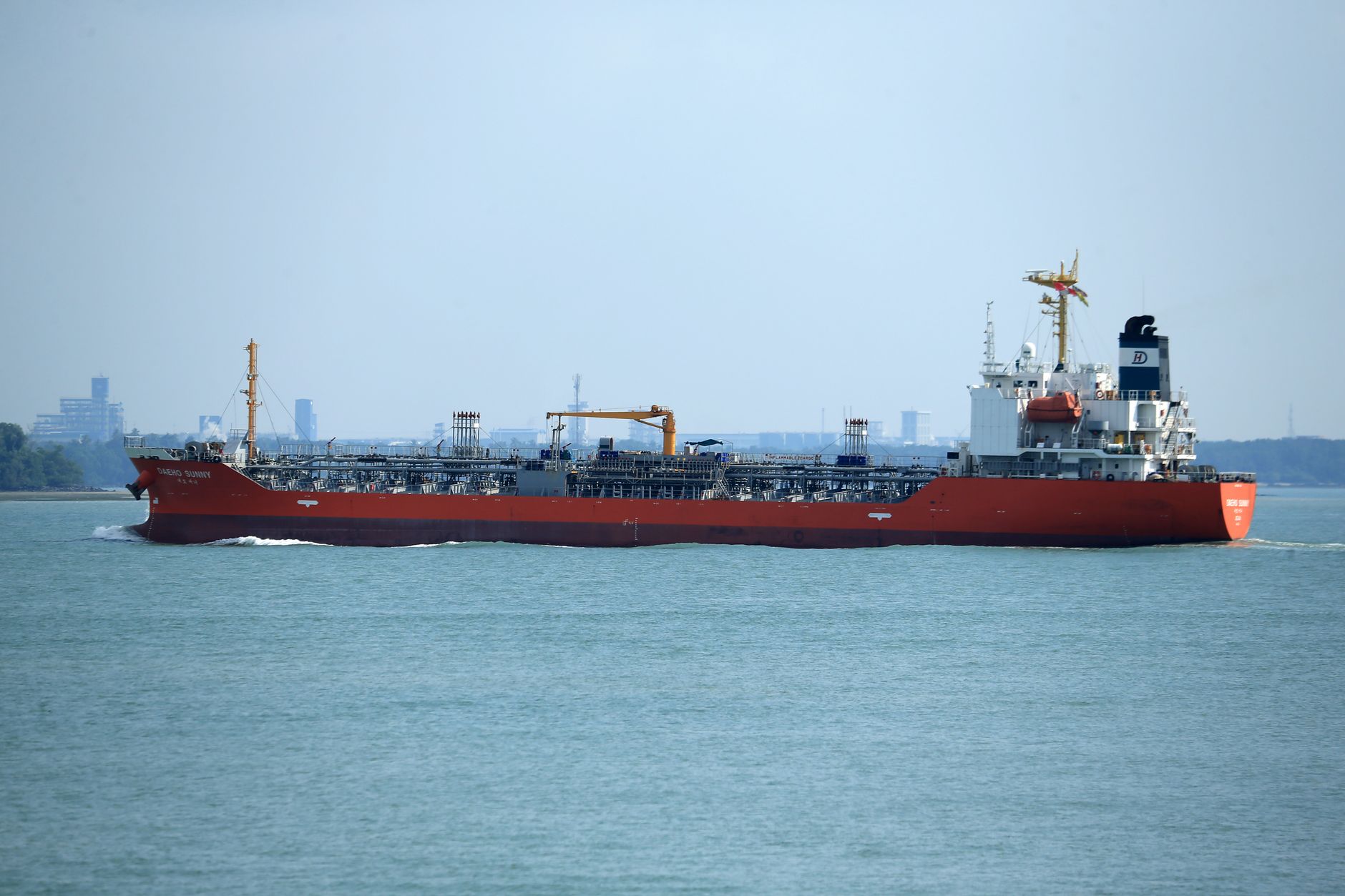
- Closely monitoring the precise volume of Iranian oil exports that actually materialize during this critical 60-day period, as this will indicate the immediate economic impact and the effectiveness of the waiver.
- Observing any official statements, diplomatic overtures, or public declarations emanating from Tehran, as these will provide crucial insights into Iran's interpretation of the waiver and its willingness to engage further.
- Tracking reactions and policy adjustments from key regional powers, particularly Saudi Arabia, Israel, and other Gulf states, whose security interests are directly impacted by shifts in U.S.-Iran relations.
- Analyzing global oil market price fluctuations, crude supply chain responses, and investor sentiment, to gauge the broader economic ramifications of even a temporary increase in Iranian supply.
- Watching for any tangible indications of progress in broader nuclear negotiations or discussions related to regional security, as the waiver could be a precursor to more significant diplomatic breakthroughs.
- Assessing the humanitarian impacts and any noticeable economic changes within Iran itself, to understand how this temporary relief translates into improvements for the daily lives of its citizens.












Comments
No comments yet. Be the first to comment!