

What We Know
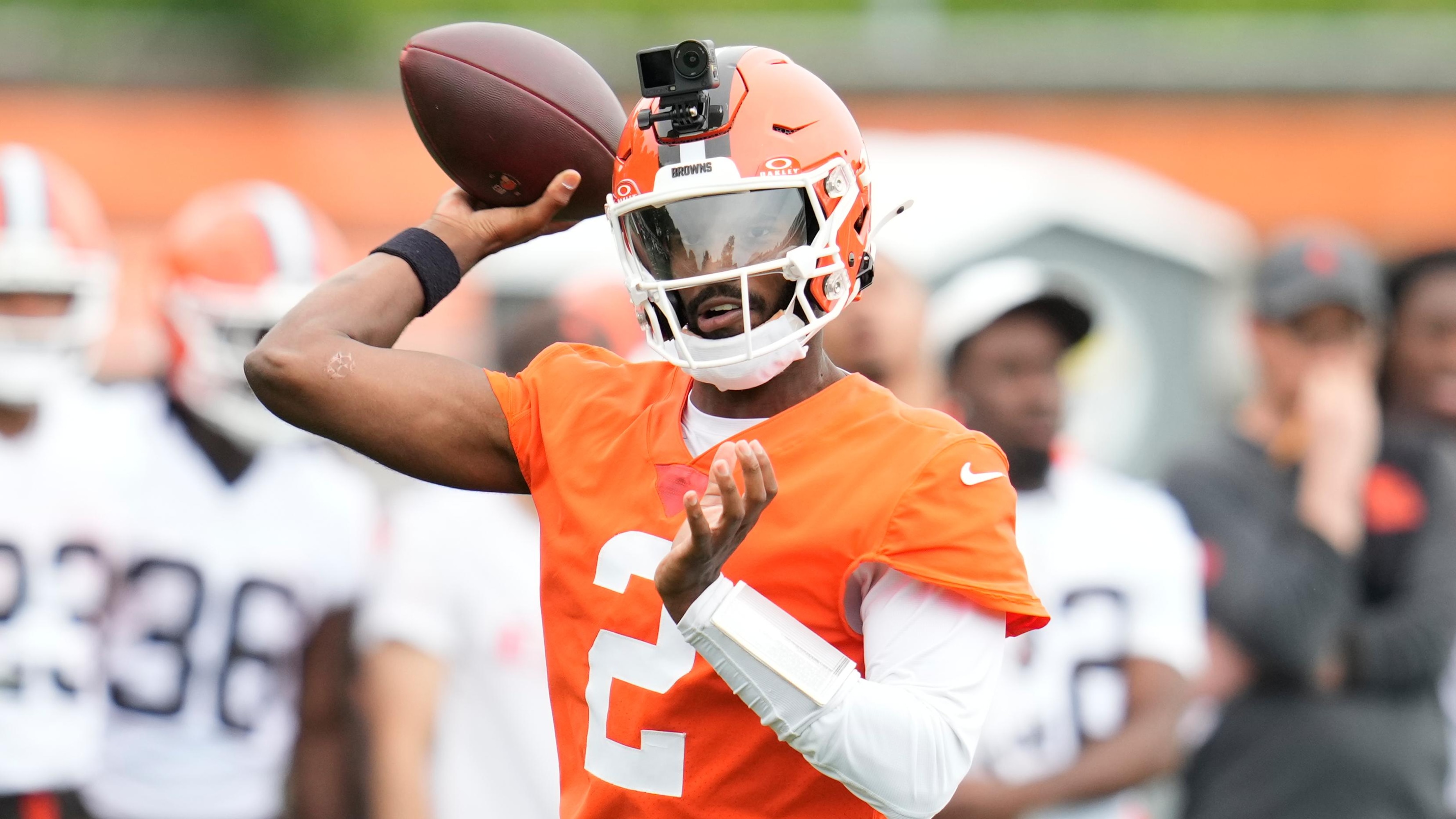
- A comprehensive new report details Shedeur Sanders' substantial earnings through the NFL Players Association (NFLPA), totaling an impressive $17.7 million.
- This significant income stream is largely attributed to his lucrative endorsement deal with Panini, a prominent trading card company, which has capitalized on his burgeoning popularity.
- The report highlights the financial opportunities available to high-profile college athletes, particularly those with substantial NIL (Name, Image, and Likeness) deals and a strong market presence.
- Sanders' financial success underscores the evolving landscape of athlete compensation, where personal branding and marketing prowess can generate considerable revenue even before reaching the professional ranks.
- The NFLPA's role in facilitating and potentially regulating such deals is a key aspect, ensuring athletes can leverage their marketability while adhering to association guidelines and agreements.
- Details within the report provide specific figures and breakdowns, offering a transparent view into the scale of Sanders' commercial ventures and their impact on his overall financial portfolio.
What We Do Not Know Yet
- The exact duration and specific clauses of Shedeur Sanders' contract with Panini remain undisclosed, leaving questions about the long-term financial commitments and potential future earnings from this partnership.
- Further clarification is needed regarding the precise allocation of the $17.7 million, including how much was directly paid by Panini versus other NFLPA-related activities or endorsements facilitated through the association.
- The report does not delve into the specific marketing strategies employed by Panini or Sanders' team to achieve such a high valuation, leaving the tactical elements of his brand's success somewhat obscured.
- Information concerning any potential impact of these earnings on Sanders' draft stock or his approach to future professional contract negotiations is not provided, leaving speculation about strategic financial planning.
- The report omits details on whether Sanders has diversified these earnings beyond trading cards or if other significant endorsement deals contributed to his overall NFLPA-related income.
- The specific metrics used by the NFLPA and Panini to assess Sanders' market value and justify the substantial financial outlay are not elaborated upon, leaving the underlying valuation methodology unclear.
Background
Shedeur Sanders, son of NFL legend Deion Sanders, has carved out his own significant niche in the sports world, transcending his family name to build a formidable personal brand. From his early days as a highly touted high school recruit, his trajectory has been closely watched, marked by exceptional talent and a flair for the dramatic on the football field. His decision to follow his father to Jackson State and subsequently to the University of Colorado amplified his visibility, transforming him into a national figure. This heightened profile, coupled with his on-field performance and charismatic personality, made him an exceptionally attractive prospect for endorsements and marketing opportunities, even while still playing college football. The advent of Name, Image, and Likeness (NIL) rules in college sports provided a legal framework for athletes like Sanders to monetize their personal brands, opening floodgates for lucrative deals that were previously unimaginable for student-athletes.
The trading card industry, particularly with the resurgence of interest in high-value collectibles, represents a significant market for athletes seeking to capitalize on their popularity. Companies like Panini, a dominant force in sports trading cards, actively seek out athletes who possess star potential and a strong fan base. Shedeur Sanders, with his unique story, high-profile coaching father, and compelling on-field presence, fit this profile perfectly. His association with Panini goes beyond simple card appearances; it involves exclusive deals that often include autograph sessions, promotional appearances, and the creation of limited-edition cards. These partnerships are meticulously structured, often involving substantial upfront payments and performance-based incentives, reflecting the perceived market value and future earning potential of the athlete. The NFLPA's involvement suggests a layer of official sanctioning or facilitation, potentially offering athletes a more structured and secure avenue for engaging with such commercial ventures.
The financial implications of these deals are profound, not just for the athletes themselves but for the broader ecosystem of college sports and professional athlete marketing. Sanders' reported earnings of $17.7 million through the NFLPA, largely driven by his Panini contract, set a new benchmark for what is achievable for a college athlete. This figure challenges traditional notions of athlete compensation and highlights the immense commercial power that can be wielded through strategic branding and endorsements. It also raises questions about the distribution of wealth within sports, the role of third-party companies in athlete development, and the long-term impact of such early financial success on an athlete's career trajectory. As more athletes achieve similar levels of financial success, the landscape of sports marketing and athlete representation is poised for continued evolution, driven by innovation and the increasing commercialization of athletic talent.
Why It Matters
Shedeur Sanders' reported $17.7 million in NFLPA income, primarily from his Panini trading card deal, signifies a seismic shift in athlete compensation, particularly for those still in the collegiate ranks. This figure dramatically illustrates the commercial power of top-tier athletes, demonstrating that marketability and brand value can translate into staggering financial gains even before professional careers officially begin. It underscores the transformative impact of NIL policies, which have unlocked unprecedented revenue streams for student-athletes, fundamentally altering the financial landscape of college sports and challenging long-held perceptions of amateurism. The sheer magnitude of this income raises critical questions about the future economic structure of sports, the role of endorsements in athlete development, and the potential for early financial success to influence career decisions and long-term aspirations.
This revelation also brings into sharp focus the burgeoning market for sports collectibles and the significant investment companies like Panini are willing to make in securing exclusive rights to popular athletes. The trading card industry has experienced a renaissance, with rare and autographed cards fetching astronomical prices, making athletes like Sanders invaluable assets. His deal with Panini is not merely a marketing agreement; it's a strategic investment in a brand projected to yield substantial returns. Understanding the dynamics of these high-stakes partnerships is crucial for comprehending the modern sports economy, where athlete image rights and memorabilia hold immense financial sway, often rivaling traditional playing contracts.
Furthermore, Sanders' financial success serves as a potent case study for aspiring athletes, coaches, and agents, highlighting the importance of strategic brand management and early monetization. It provides a tangible example of how leveraging visibility, performance, and a compelling narrative can lead to extraordinary financial rewards. This case prompts a broader discussion about athlete empowerment, the ethical considerations of early wealth accumulation, and the potential long-term implications for an athlete's focus and development. As the lines between amateur and professional sports continue to blur financially, understanding these high-profile deals is essential for navigating the evolving world of athletic commerce and talent valuation.
Timeline of Events
- Spring 2021: Shedeur Sanders commits to Jackson State University, following his father, Deion Sanders, sparking national attention and setting the stage for increased NIL opportunities.
- Fall 2021 - Fall 2022: During his tenure at Jackson State, Sanders garners significant media coverage and begins to establish a strong personal brand, attracting early endorsement interest.
- December 2022: Sanders announces his transfer to the University of Colorado Boulder, reuniting with his father and dramatically amplifying his national profile and marketability.
- 2023 Season: As the starting quarterback for the Colorado Buffaloes, Sanders becomes a focal point of college football, leading to a surge in popularity and demand for his trading cards and memorabilia.
- Throughout 2023 & Early 2024: Negotiations and finalization of a substantial partnership agreement between Shedeur Sanders and Panini, facilitated through the NFLPA, leading to the reported $17.7 million income.
- Recent Publication: A new report emerges detailing the specifics of Sanders' NFLPA-related earnings, bringing the full scope of his financial success through trading card deals into public view.

Rapid-Fire Q&A
What Is Coming
- Further scrutiny of the contractual details between Shedeur Sanders, Panini, and the NFLPA is expected as the public seeks a clearer understanding of the agreement's structure and implications.
- Potential for increased interest and investment in trading card deals for other high-profile college athletes, as brands seek to replicate the success seen with Sanders' partnership.
- Ongoing discussions and potential adjustments to NIL regulations and player union guidelines may arise to address the scale and nature of such lucrative endorsement agreements.
- Sanders' future professional career decisions and contract negotiations may be influenced by his substantial early financial success and the established market value demonstrated by this deal.
- The broader sports collectibles market is likely to see continued growth, with athletes and trading card companies exploring innovative ways to engage fans and capitalize on athlete popularity.
- Increased attention on the financial literacy and management support provided to young athletes navigating significant financial windfalls early in their careers.















Comments
No comments yet. Be the first to comment!