

The Story in Brief
- The NASCAR Cup Series season is reaching a critical juncture, with intense point battles emerging that will significantly impact the playoff field and championship contenders.
- Drivers are fiercely competing for every available point, understanding that consistency and strong performances in upcoming races are paramount to securing a spot in the prestigious Chase.
- Several key rivalries and surprising performances are shaping the standings, creating a dynamic and unpredictable landscape as the playoff picture becomes clearer.
- Strategic decisions, crew chief calls, and driver execution are all under scrutiny as teams push the limits to gain an advantage in the increasingly tight points race.
- The battle extends beyond just race wins, encompassing stage points and top-10 finishes, highlighting the multifaceted nature of accumulating the necessary points for championship contention.
- As the season progresses, the pressure mounts, with drivers facing the stark reality that a single off-weekend could derail their championship aspirations, making every point earned invaluable.
The Human Face of the Chase
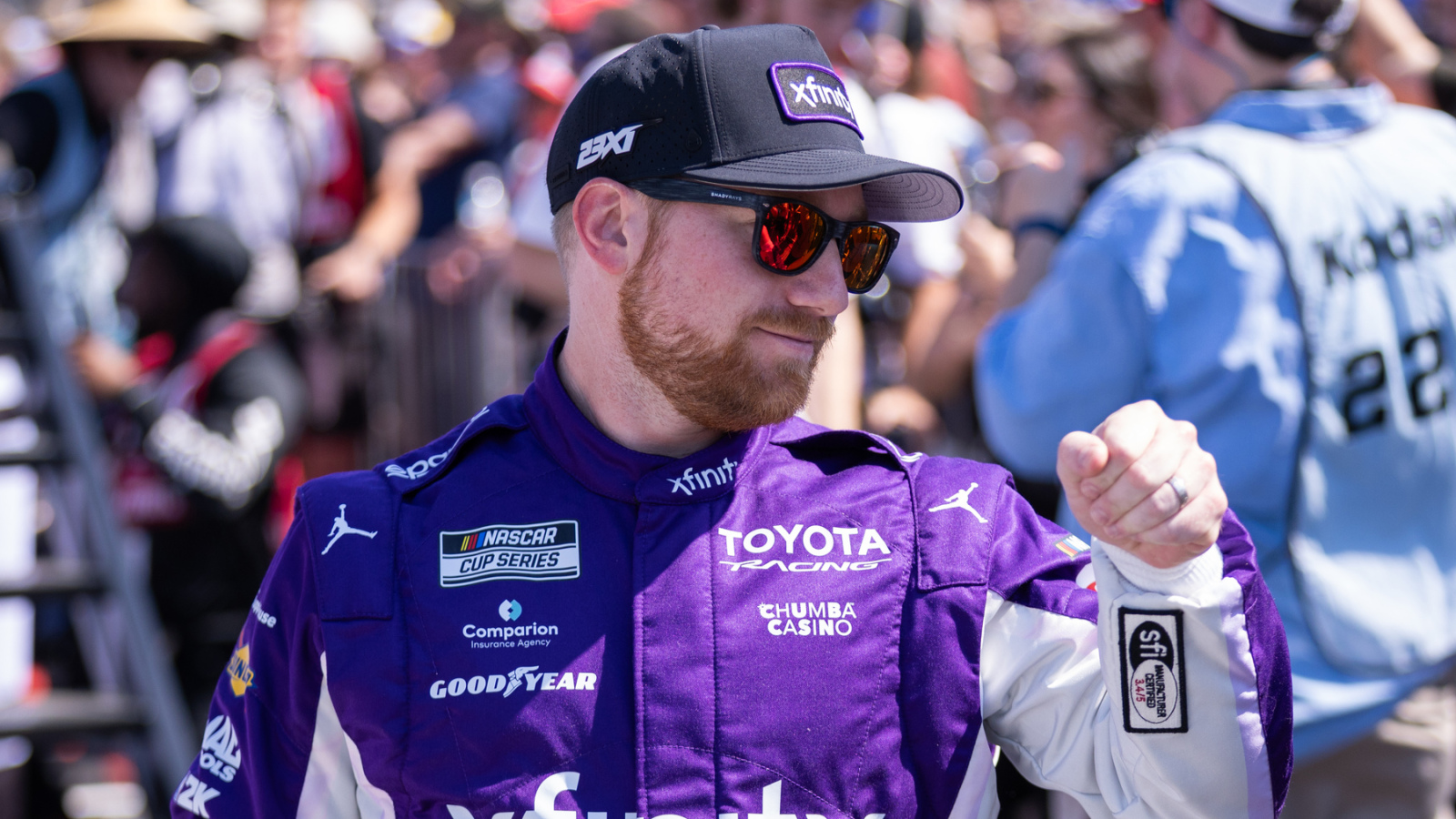
Beyond the raw numbers and lap times, the NASCAR Cup Series points battle is a deeply human drama. Drivers, often the public face of their teams, carry immense pressure. Each victory, each podium finish, and even each hard-fought top-10 result represents countless hours of training, sacrifice, and dedication from the driver and their entire crew. The emotional rollercoaster is palpable; a crushing defeat can be felt in the slump of a shoulder, while a crucial points gain can ignite a firestorm of celebration. These athletes are not just competing against each other on the track; they are battling their own doubts, managing physical and mental fatigue, and striving to perform at their peak under the relentless glare of competition. Their resilience in the face of adversity, their ability to bounce back from a mechanical failure or a pit road blunder, often defines their season and their championship hopes. The points standings become a mirror reflecting their journey, their triumphs, and their setbacks throughout the grueling season.
The crew chiefs and pit crews are the unsung heroes whose performance directly impacts the points standings. A perfectly executed pit stop can gain crucial track position, translating directly into more points, while a slow stop or a penalty can cost dearly. These teams operate under immense pressure, their actions often deciding the fate of a race and, by extension, a championship. The strategic calls made during cautions or green-flag pit cycles can be the difference between a solid points day and a disappointing one. The communication and trust between driver and crew chief are vital; they must make split-second decisions based on race conditions, tire wear, and competitor strategies. The collective effort, the synergy between the driver and the entire pit box, is what truly propels a team forward in the points race. Their commitment to perfection, their ability to execute flawlessly under duress, is as critical as any driver's skill on the track.
For the team owners and sponsors, the points battle represents the culmination of significant investment and strategic planning. A strong points finish and a championship run translate into increased brand visibility, sponsor satisfaction, and ultimately, enhanced future funding. The pressure to deliver results is immense, as the financial health of the team often hinges on its on-track performance. Owners must balance the desire for immediate success with the long-term vision of building a sustainable winning organization. Sponsors, in turn, are looking for a return on their investment, and association with a championship contender provides unparalleled marketing opportunities. The points race is not just about trophies; it's about demonstrating value, building brand equity, and securing the resources necessary to compete at the highest level year after year. The success or failure in accumulating points directly influences the business side of NASCAR.
How We Got Here
The current landscape of the NASCAR Cup Series points battle is the result of a season-long narrative, marked by early-season surprises, established powerhouses finding their stride, and unexpected challenges for perennial contenders. The introduction of new aerodynamic packages and the continued evolution of the Next Gen car have contributed to closer racing and a more competitive field, making every point earned more valuable than ever before. Early season wins by drivers outside the usual elite have shuffled the deck, forcing established teams to play catch-up and proving that no team can afford to rest on its laurels. This dynamic has created a thrilling, unpredictable season where consistency across all track types – from short tracks to superspeedways and road courses – is the ultimate differentiator. The points system, rewarding both wins and consistent high finishes, ensures that a diverse range of drivers and teams remain in contention for much longer.
Several key races have already served as significant turning points in the points standings. Victories at tracks like Daytona, Talladega, or Martinsville, known for their volatility and potential for chaos, have awarded automatic playoff berths and a substantial points boost to drivers who might otherwise have struggled. Conversely, races at more technical tracks such as Darlington, Bristol, or Richmond have tested the mettle of teams, rewarding precision driving and flawless execution. Stage racing continues to play a crucial role, with points awarded at the end of each stage adding another layer of strategic complexity. Drivers and crew chiefs must balance aggressive pursuit of stage points with the overarching goal of achieving a strong finish, creating constant strategic dilemmas that ripple through the season-long standings and impact playoff seeding.
The performance trends of top teams have also dictated the current points picture. While some teams have consistently performed at a high level, securing multiple wins and racking up top-five finishes, others have experienced a more up-and-down trajectory. Mechanical failures, pit road errors, and on-track incidents have cost valuable points for several strong contenders, forcing them to rely on their ability to rebound and capitalize on future opportunities. The parity in the series means that even a single bad race can have a significant impact, requiring drivers to maintain focus and execute flawlessly week after week. The cumulative effect of these performances, both positive and negative, has sculpted the current points standings, setting the stage for an intense fight as the regular season winds down.
Why This Cannot Be Ignored
The unfolding points battle in the NASCAR Cup Series is far more than just a statistical exercise; it's the very engine driving the excitement and narrative of the entire season. These accumulating points are the lifeblood of championship aspirations, determining who earns a coveted spot in the playoffs and who is left to ponder 'what ifs.' For the dedicated fanbase, the points race provides a compelling storyline that transcends individual race wins, offering a continuous source of drama and engagement from the season opener to the championship finale. Understanding these battles allows fans to appreciate the strategic depth, the driver resilience, and the team dynamics at play, transforming passive viewing into an active, invested experience. The stakes are incredibly high, as a driver's entire season can hinge on their ability to consistently perform and accumulate points, making this a critical element of NASCAR's appeal.
The implications of the points standings extend directly to the integrity and competitiveness of the NASCAR playoffs. A tightly contested points race ensures that the playoff field is comprised of drivers who have demonstrated sustained performance and earned their place through consistent effort, rather than solely relying on a single lucky win. This parity fuels fan interest and validates the championship outcome, as the ultimate winner is the one who has navigated the complexities of the entire season. Furthermore, the points battle influences team strategies throughout the year; teams must constantly assess their position, weigh the risks versus rewards of aggressive moves, and adapt their approach based on their points accumulation. This strategic layer adds significant depth to the competition, making every race a crucial step towards the ultimate goal.
From a broader industry perspective, the intensity of the points battle directly impacts sponsor engagement and manufacturer loyalty. Sponsors invest heavily in NASCAR, seeking visibility and association with winning teams and compelling narratives. A close points race, featuring popular drivers and dramatic comebacks, provides invaluable marketing opportunities and enhances the sport's appeal to a wider audience. Similarly, manufacturers like Chevrolet, Ford, and Toyota closely monitor the performance of their teams in the points standings, as this reflects on their engineering prowess and brand image. A competitive points battle ensures that all manufacturers remain invested and motivated to provide their teams with the best possible resources, fostering innovation and pushing the boundaries of automotive technology within the racing environment.
Possible Paths Forward
For drivers currently on the playoff bubble, the path forward is clear: consistency and strategic aggression are paramount. This means aiming for top-10 finishes in every remaining regular-season race, minimizing mistakes, and capitalizing on opportunities for stage points. For those without a win, securing a victory becomes the primary objective, as it guarantees a playoff spot and resets their points for the postseason. Teams must meticulously analyze their performance data, identify weaknesses, and implement targeted improvements. This could involve refining pit stop strategies, optimizing car setups for specific track types, or enhancing driver communication and execution during critical race moments. The focus must be on maximizing points potential in every single event, understanding that even a few missed opportunities can prove insurmountable.
Established playoff contenders, while seemingly secure, face the challenge of maintaining momentum and optimizing their playoff seeding. Their goal is to accumulate as many playoff points as possible, which are crucial for resetting the championship standings during the postseason. This requires continuing to fight for wins and high finishes, while also experimenting with race-day strategies that could provide an advantage in playoff races. Teams in this position can afford to take calculated risks, perhaps trying different pit strategies or setup variations that might not be feasible for bubble drivers. The objective is to enter the playoffs with a fast car, a confident team, and a strategic advantage that can be leveraged over the intense, multi-race championship run.
For teams struggling with performance, the remaining races represent a critical evaluation period. They must determine whether to focus on maximizing points for a potential surprise playoff berth or shift their resources towards developing their package for the following season. If a playoff run is still mathematically feasible, the strategy involves aggressive, high-risk, high-reward approaches, potentially involving more daring on-track moves and unconventional pit strategies. However, if the gap is too large, a more pragmatic approach might involve using these races to gather data, test new components, and provide valuable experience for younger drivers or crew members, setting a stronger foundation for future success. The decision hinges on a realistic assessment of their current capabilities and the remaining schedule.

Questions People Are Actually Asking
What to Watch
- Monitor the performance of drivers currently hovering around the playoff cutline; their ability to secure consistent top-10 finishes or a surprise win will be pivotal in the coming weeks.
- Pay close attention to how established contenders utilize the remaining races to maximize their playoff points, as this seeding advantage can be critical in the championship round.
- Observe the strategic calls made by crew chiefs, particularly during crucial stages and late-race cautions, as these decisions often dictate the final points outcome.
- Track the performance trends of teams on intermediate tracks, as these tracks often host multiple races and can significantly shape a driver's points standing.
- Keep an eye on any potential mechanical issues or on-track incidents that could derail strong playoff contenders, as these setbacks can dramatically alter the points landscape.
- Analyze the impact of different aerodynamic packages or tire compounds introduced during the season, as these technical adjustments can create performance swings and influence points accumulation.


















Comments
No comments yet. Be the first to comment!