


At a Glance
- Ongoing, highly fragile peace talks across the Middle East are confronting immense challenges, struggling to bridge deep-seated historical grievances and immediate geopolitical rivalries that threaten any progress towards de-escalation.
- Escalating military and political tensions, stretching geographically from the volatile Lebanese-Israeli border to the strategically critical Strait of Hormuz, pose an immediate and severe threat to regional stability and global trade routes.
- Despite the high stakes, key regional and international players remain engaged in delicate, often covert, negotiations, yet tangible progress towards comprehensive agreements is proving painstakingly slow and frequently interrupted by new flare-ups.
- Deep-seated economic pressures, exacerbated by years of conflict and corruption, combined with pervasive internal political strife within several nations, significantly complicate and often derail crucial diplomatic efforts aimed at lasting peace.
- Concurrently, severe humanitarian crises, particularly in Yemen and Syria, continue to worsen dramatically, with millions displaced and facing acute shortages, underscoring the devastating human cost of prolonged geopolitical maneuvering and conflict.
- International mediation efforts, while persistent, are struggling profoundly to bridge the entrenched ideological and strategic divides between rival powers, highlighting the immense difficulty in forging consensus where mistrust runs deep.
The Record
The Middle East has perpetually served as a crucible of geopolitical tension, where deeply rooted historical grievances and fiercely competing national interests relentlessly fuel cycles of devastating conflict. While recent months have witnessed a concerted, albeit often discreet, push for de-escalation, primarily through intricate back-channel communications and internationally brokered dialogues, these nascent efforts are perpetually undermined. Localized flare-ups and the entrenched, uncompromising positions of various regional powers consistently threaten to unravel any fragile progress. Consequently, the aspiration for a lasting, comprehensive peace remains agonizingly elusive, perpetually overshadowed by the pervasive specter of wider, more destructive conflict.
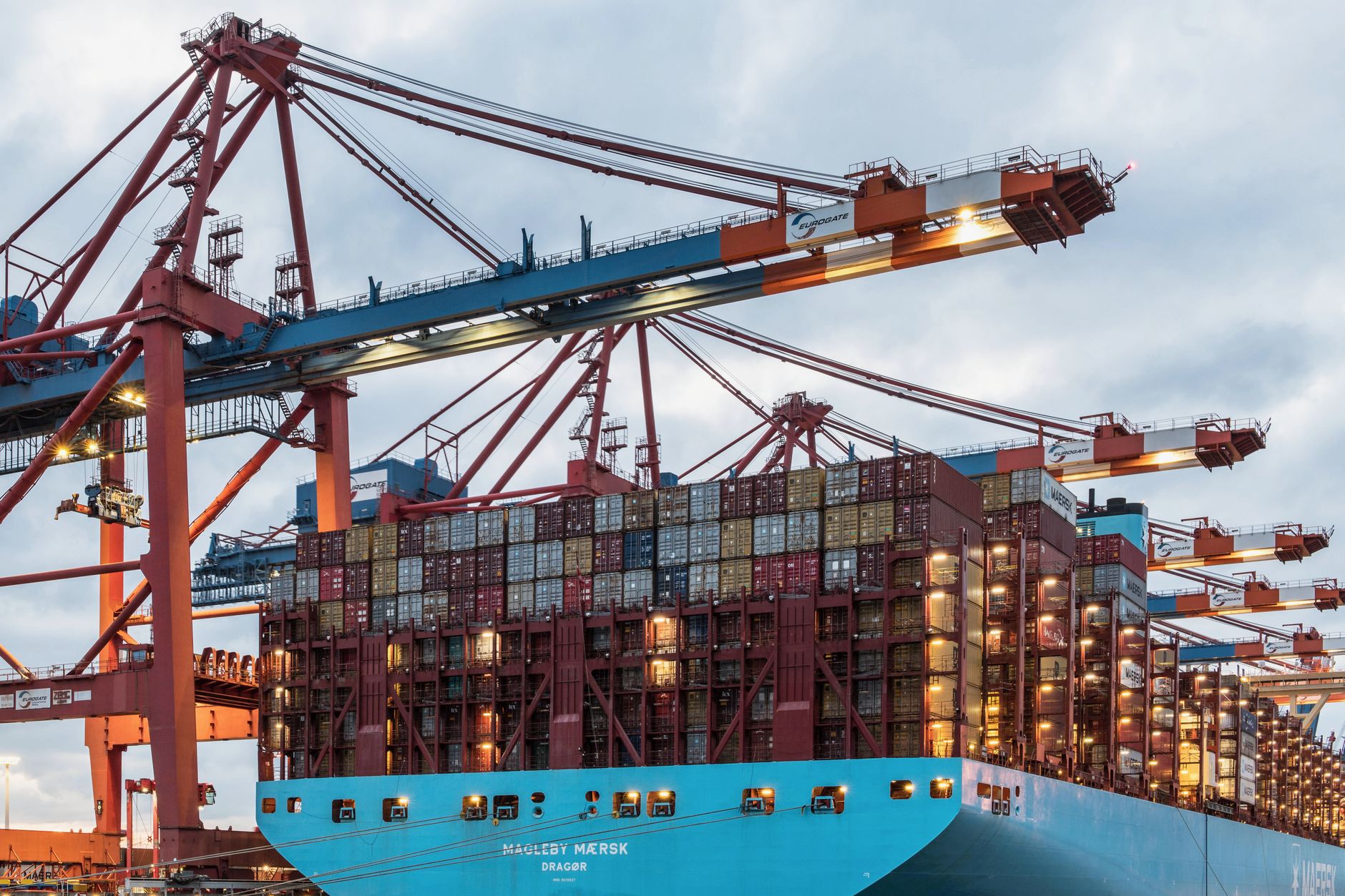
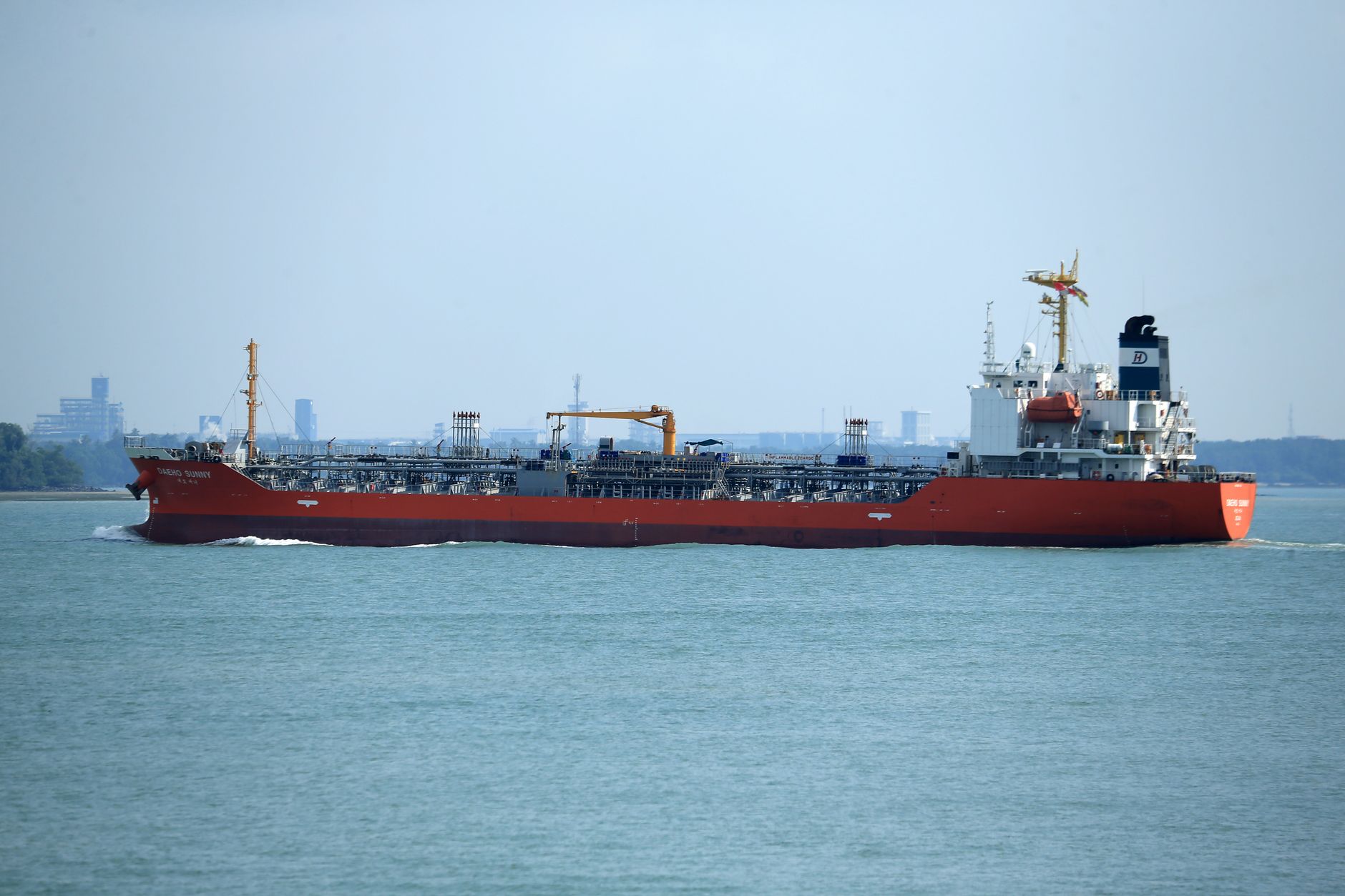
Geographically, the region presents a perilous mosaic of potential flashpoints, stretching from the highly volatile Lebanese-Israeli border, where Hezbollah's formidable military posture and cross-border activities remain a perpetual, significant concern, to the critical shipping lanes of the Strait of Hormuz, a choke point vital for global energy supplies, where maritime incidents periodically spike. Each seemingly distinct conflict zone is, in reality, intricately interconnected through a complex, often opaque, web of shifting alliances, historical rivalries, and dangerous proxy engagements. This intricate, volatile tapestry of interdependencies makes the weaving of any truly comprehensive and sustainable peace initiative an incredibly daunting and delicate diplomatic challenge.
Historically, numerous ambitious attempts at regional détente have frequently collapsed, often buckling under the immense weight of external interference from global powers or succumbing to profound internal instability within key states. The current round of peace talks, while undeniably offering a faint glimmer of hope for a different future, must contend with an arduous legacy of broken agreements, unmet promises, and deep-seated, generational mistrust. The stakes involved are extraordinarily high, extending far beyond the millions of lives directly impacted within the region; they critically affect global energy markets, international trade, and broader international security. The world, therefore, watches with palpable anxiety as these exceptionally delicate negotiations unfold, aware of the profound implications of their success or failure.
Who Knew and When
For many months, diplomatic circles and intelligence agencies have maintained a keen awareness of the escalating risks inherent in the Middle East's geopolitical landscape. Intelligence reports have consistently highlighted the extreme fragility of regional ceasefires and the ever-present potential for rapid, widespread escalation. In response, key international actors, including the United Nations and several influential European powers, have been quietly yet assiduously working behind the scenes. Their concerted efforts, though largely unpublicized, have been absolutely crucial in facilitating discreet dialogue and preventing numerous near-misses from spiraling into outright, devastating conflict, thereby averting potentially catastrophic outcomes.
Crucially, rival regional powers, most notably Saudi Arabia and Iran, have been engaged in a complex series of direct and indirect talks spanning well over a year. Both nations, recognizing the profound mutual economic and security benefits that could stem from genuine de-escalation, have cautiously pursued these dialogues. Often mediated by neutral third parties such as Iraq or Oman, these discussions have primarily aimed to reduce the intensity and scope of proxy conflicts across the region and to establish clearer, more reliable lines of communication. While tangible progress remains incremental and often painstaking, the mere fact of these high-level engagements signifies a cautious, yet potentially transformative, shift in the long-standing paradigm of regional diplomacy.
Despite these critical diplomatic efforts, the broader public within the region and globally remains largely unaware of the full scope and intricate details of these ongoing maneuvers. Information surrounding these sensitive discussions is often tightly controlled, and official statements from participating governments tend to be deliberately vague, reflecting the extremely delicate nature of the negotiations and the fear of premature disclosure. This pervasive opacity, while occasionally deemed necessary for the success of such sensitive diplomacy, can unfortunately also breed deep public cynicism and make it significantly harder to cultivate broad public support for any potential, hard-won peace agreements. This inherent lack of transparency thus adds yet another formidable layer of complexity to an already profoundly challenging geopolitical situation.
Voices from the Ground
In the bustling but beleaguered streets of Beirut, the constant, palpable threat of cross-border conflict casts an exceptionally long and chilling shadow over daily life. Fatima, a resilient mother of three, articulates the pervasive sentiment: "We just want to live in peace, to raise our children without fear. Every single day, we wake up worrying about what tomorrow might bring. Our economy is collapsing around us, and the political situation is an absolute mess. Peace talks sound promising, but we desperately need to see real, tangible change and genuine stability, not just more empty promises." Her heartfelt words powerfully echo the sentiments of countless ordinary citizens who feel utterly trapped between the relentless regional power struggles and their own debilitating domestic crises.
Along the shores of the Persian Gulf, local fishermen recount stories of an increasingly visible military presence and the constant, gnawing fear of severe disruption to their traditional livelihoods. Ahmed, a veteran fisherman whose family has worked these waters for generations, explains with weary resignation, "Our boats are not just vessels; they are our very lifeblood. When tensions inevitably rise, the sea, our source of sustenance, instantly transforms into a dangerous, unpredictable place. We hear distant talk of peace, but here on the water, all we actually see are more warships, more patrols. It's profoundly difficult to remain optimistic when your daily bread, your family's survival, is perpetually threatened by abstract, distant politics." This poignant perspective vividly highlights the immediate, tangible, and often devastating impact of geopolitical instability on the lives of ordinary citizens.
Meanwhile, in Yemen, countless displaced families, still reeling from the brutal and protracted years of conflict, view any new peace initiative with a complex mixture of desperate hope and profound, ingrained skepticism. Aisha, a mother struggling to raise her children in a sprawling refugee camp, voices their collective exhaustion: "We've heard it all before, countless times. Grand promises of peace, swiftly followed by more bombs, more destruction. Until we can genuinely return to our homes safely, until our children can attend school without the constant, paralyzing fear of violence, these talks, no matter how well-intentioned, mean little to us. We don't need more words; we need immediate, decisive action and tangible results." Their raw desperation powerfully underscores the immense, unbearable human cost of prolonged conflict and the urgent, undeniable need for concrete, verifiable outcomes from any peace process.
The Debate
Across geopolitical think tanks and academic institutions, analysts remain sharply divided on the true prospects and ultimate efficacy of the current Middle East peace talks. One prominent school of thought posits that the undeniable economic imperatives, coupled with the sheer exhaustion stemming from decades of debilitating conflict, are finally compelling regional actors towards genuine, albeit reluctant, compromise. Proponents of this view frequently point to recent, significant de-escalatory gestures and the increasing frequency of high-level diplomatic exchanges as compelling evidence of a fundamental, albeit slow, shifting paradigm. They firmly believe that the escalating human and financial costs of continued confrontation have become utterly unsustainable for all parties involved, thereby creating a unique and potentially fleeting window of opportunity for a truly lasting peace.
Conversely, a more pessimistic and arguably pragmatic view suggests that these ongoing talks are merely tactical pauses, strategically designed by various actors to consolidate their power, regroup their forces, or simply buy time before the next inevitable confrontation. Critics of the optimistic narrative consistently highlight the deep, often irreconcilable, ideological divides that persist, the continued and often covert arming of proxy groups across multiple theaters, and the profound, almost institutionalized distrust that permeates regional relations at every level. They argue forcefully that without a fundamental, transformative shift in the underlying power dynamics and a genuine, verifiable commitment to address core, historical grievances, any peace agreement achieved will prove inherently superficial and ultimately temporary, destined to unravel dramatically at the first significant provocation or perceived advantage.
The pervasive role of external powers in regional conflicts and peace efforts also remains a deeply contentious and frequently debated point. Some analysts staunchly argue that robust international mediation is absolutely essential to provide neutral ground, build confidence, and effectively facilitate dialogue between deeply entrenched adversaries. However, others vehemently contend that external interference, no matter how well-intentioned, frequently exacerbates existing tensions, complicates indigenous peace efforts, and can even introduce new vectors of conflict. The debate further extends to the critical sequencing of peace initiatives: should economic cooperation and interdependence be prioritized as a precursor to political reconciliation, or must political breakthroughs and trust-building precede any meaningful economic integration? These fundamental disagreements profoundly underscore the immense, almost intractable, complexity of achieving a truly comprehensive, legitimate, and enduring peace in the Middle East.

Your Questions Answered
What Accountability Looks Like
Achieving genuine accountability within the highly complex framework of Middle East peace talks presents a profoundly multifaceted challenge, demanding the establishment of robust, transparent mechanisms for both monitoring compliance and rigorously enforcing agreements. For any peace deal to possess true durability and legitimacy, there must be unequivocally clear, verifiable benchmarks for de-escalation, comprehensive disarmament where applicable, and unwavering adherence to established international law. This critically includes transparent reporting on all significant troop movements, verifiable cessation of financial and material support for proxy militias, and concrete, demonstrable commitments to non-aggression. Without such tangible, measurable metrics and a credible enforcement regime, any agreements risk becoming mere declarations of fleeting intent, easily circumvented or outright ignored by parties lacking genuine, long-term commitment.
International bodies, including the United Nations and various regional organizations, are indispensable in their crucial role of establishing and overseeing these vital accountability frameworks. Their efforts often encompass deploying impartial observer missions to conflict zones, facilitating independent investigations into alleged violations of ceasefires or agreements, and advocating for the imposition of diplomatic or economic consequences for non-compliance. However, the ultimate effectiveness and impact of these mechanisms are heavily reliant on the consistent political will of major global powers to unequivocally support and rigorously enforce them. This political will, unfortunately, can often be inconsistent, frequently diluted by competing national interests and geopolitical calculations. Consequently, the entire credibility and long-term viability of the peace process fundamentally hinges on the widespread perception that violations will not, under any circumstances, go unpunished.
Ultimately, true and comprehensive accountability extends far beyond mere compliance with diplomatic agreements; it fundamentally involves addressing the profound grievances of affected populations and ensuring meaningful justice for the countless victims of conflict. This necessitates the meticulous establishment of robust pathways for transitional justice, comprehensive reparations for damages incurred, and genuine reconciliation efforts that deeply involve and empower local communities. Without directly confronting and addressing the deeply embedded root causes of conflict, and without actively fostering a pervasive sense of fairness, equity, and justice among the populace, any peace agreement, no matter how meticulously crafted or well-intentioned, will inevitably struggle to gain widespread legitimacy and achieve long-term sustainability. The human element of accountability, therefore, remains absolutely paramount for constructing and maintaining an enduring, resilient peace.














Comments
No comments yet. Be the first to comment!