

At a Glance
- Urgent reports indicate a significant US-Iran deal, potentially reshaping the complex regional dynamics, could materialize within the next 24 hours, signaling a critical juncture in diplomatic efforts.
- Israel has dramatically intensified its military operations across southern Lebanon, launching targeted strikes against key Hezbollah infrastructure and operational sites, raising alarms about broader escalation.
- The US is actively engaged in diplomatic efforts to de-escalate tensions, particularly between Israel and Lebanon, striving to prevent a wider conflict that would have devastating consequences for the region.
- Iran's nuclear program remains a central point of contention in ongoing negotiations, with profound implications for global security and the delicate balance of power across the Middle East.
- Regional allies are closely monitoring the volatile situation, expressing grave concerns about potential spillover effects that could destabilize the wider Middle East and impact international energy markets.
- Humanitarian organizations warn of a deepening crisis in affected areas due to intensified military actions, urging immediate international intervention and aid to protect civilian populations caught in the crossfire.
The Record
The United States and Iran have been locked in a complex series of indirect talks for many months, with the primary objective of breathing new life into, or at least establishing a successor framework to, the landmark 2015 nuclear accord. Recent, highly credible reports from diplomatic channels strongly suggest these intricate negotiations have now reached an absolutely critical juncture, with a potential, significant breakthrough anticipated imminently. This pivotal development unfolds against a backdrop of severely heightened regional instability, particularly exacerbated by the recent, alarming escalation of hostilities involving Israel and various non-state actors across the Levant, making the timing exceptionally sensitive.
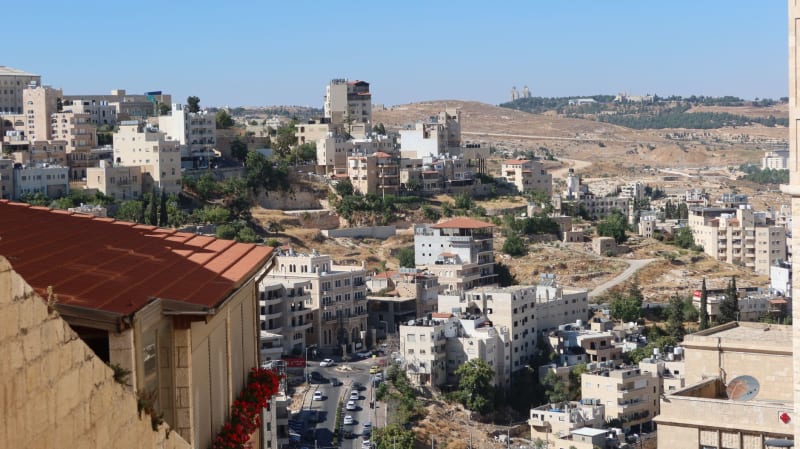
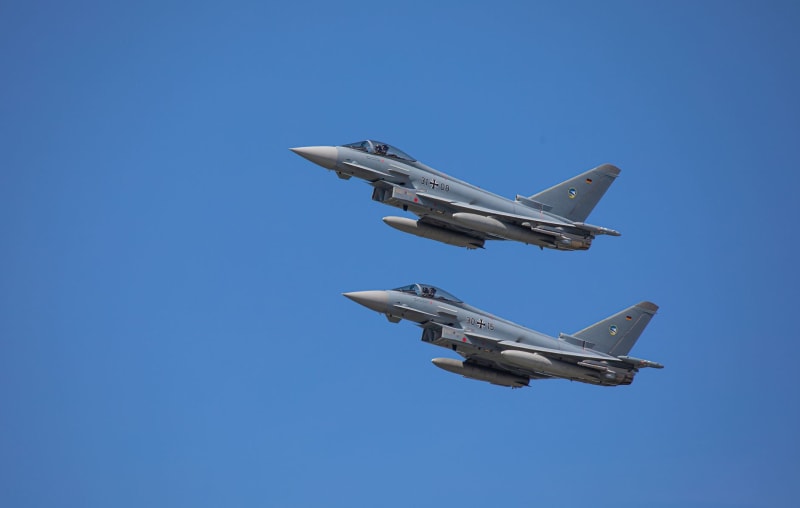
Concurrently, Israel has dramatically intensified its military campaign throughout southern Lebanon. These precision strikes, frequently characterized by Israeli officials as either preemptive defensive measures or direct retaliatory actions, specifically target sites and operational infrastructure associated with Hezbollah, a formidable Shiite militant group that receives substantial backing from Iran. The sheer frequency and escalating intensity of these military operations have triggered widespread alarms across the international community, raising serious concerns about the imminent potential for a wider, devastating regional conflict that could inevitably draw in major global powers and profoundly destabilize an already precariously fragile Middle East.
International observers and geopolitical strategists are meticulously analyzing the intricate interplay between these two monumental developments. A successful US-Iran deal, if indeed achieved, possesses the dual potential to either significantly temper existing regional tensions by forging new, albeit fragile, diplomatic channels, or, conversely, be perceived by certain factions as a dangerous concession that could inadvertently embolden specific actors. The profound implications for Israel's long-term security posture and its intricate strategic calculus regarding both Iran and its extensive network of regional proxies are undeniably far-reaching, complex, and will necessitate careful navigation by all parties involved, shaping the future of regional security.
Who Knew and When
Diplomatic sources within the Biden administration have been signaling progress in the US-Iran talks for several weeks, though the 'within 24 hours' timeline emerged only recently from European intermediaries. These sources, speaking anonymously due to the sensitivity of the negotiations, indicated that key sticking points related to sanctions relief and nuclear enrichment levels were nearing resolution. The precise details of these concessions, however, remain under wraps, fueling speculation among analysts about the true nature of the impending agreement and its potential impact on regional security dynamics. The urgency of the current situation, marked by escalating military actions, has undoubtedly accelerated these diplomatic efforts, pushing all parties towards a swift conclusion.
Israeli intelligence agencies have consistently warned about Iran's nuclear ambitions and its support for regional proxies, including Hezbollah. Their assessments have long highlighted the potential for a renewed nuclear deal to either constrain or inadvertently empower Tehran. While Israel has not been directly involved in the US-Iran negotiations, its security establishment has been kept informed of the general trajectory, allowing them to prepare for various scenarios. The timing of Israel's intensified strikes in southern Lebanon could be interpreted as a strategic move to assert deterrence and protect its northern border, irrespective of the diplomatic outcomes in Vienna or Oman, where the indirect talks are believed to be taking place. This demonstrates a proactive stance in a rapidly evolving geopolitical landscape.
Hezbollah leadership and Iranian officials have maintained a public stance of defiance against Israeli aggression, while privately engaging in strategic discussions regarding the potential US-Iran agreement. Reports suggest that internal deliberations within the 'Axis of Resistance' are weighing the implications of a deal, particularly how it might affect their operational capabilities and regional influence. The group's actions in southern Lebanon are likely a calculated response to Israeli pressure, designed to demonstrate resilience and maintain their strategic positioning. The information flow within these networks is tightly controlled, making it challenging for external observers to fully grasp the internal dynamics and decision-making processes that are shaping their responses to both diplomatic overtures and military escalations. This complex web of alliances and rivalries adds layers of uncertainty to the regional outlook.
Voices from the Ground
Residents in southern Lebanon are living under constant fear, with the sound of explosions and air raid sirens becoming a grim part of daily life. "Every night, we wonder if our homes will be next," said Fatima Al-Hassan, a mother of three from a village near the border. "The children can't sleep. Schools are closed. We just want peace, but it feels like we are caught in a game between powerful forces." Her words echo the sentiments of thousands displaced or directly impacted by the escalating conflict, highlighting the profound human cost of geopolitical maneuvers. The psychological toll on communities is immense, with many struggling to access basic necessities amidst the chaos and uncertainty. This ongoing trauma underscores the urgent need for de-escalation and humanitarian aid.
In Israeli border communities, anxiety is also palpable. "We've been told to stay vigilant, to be ready to enter shelters at a moment's notice," explained David Cohen, a farmer from a kibbutz frequently targeted by rockets. "While we trust our military, the constant threat is exhausting. We hope any deal with Iran truly brings stability, not just a temporary pause before the next round of violence." His perspective reflects the deep-seated security concerns that drive much of Israel's strategic thinking, emphasizing the desire for long-term solutions that address fundamental threats. The economic impact on these communities, from disrupted agriculture to tourism, further compounds the stress.
Iranian citizens, largely cut off from direct information about the nuclear talks, express a mix of skepticism and cautious hope. "We've heard promises before, but our daily lives remain difficult under sanctions," commented Reza Ahmadi, a shopkeeper in Tehran. "If a deal means our economy improves, then it's a good thing. But we don't expect miracles." This sentiment reflects a pragmatic weariness among the populace, who have endured years of economic hardship and political isolation. The potential for a deal to alleviate economic pressure is a primary concern for many, even as they remain wary of its broader political implications and the extent to which it might truly improve their quality of life. The disconnect between high-level diplomacy and everyday realities is stark.
The Debate
The prospect of a US-Iran deal has ignited fierce debate among international policy circles. Proponents argue that a renewed agreement, even if imperfect, is the most viable path to prevent Iran from developing nuclear weapons and to create a diplomatic off-ramp for regional tensions. They emphasize that direct engagement, however challenging, is preferable to escalating confrontation and that the current framework offers the best chance to re-establish monitoring mechanisms. Furthermore, advocates suggest that a deal could pave the way for broader regional de-escalation, allowing for dialogue on other pressing issues and potentially reducing the frequency of proxy conflicts. They believe that even a flawed agreement provides a foundation for future, more comprehensive diplomatic efforts.
Critics, primarily from Israel and some Gulf states, express profound skepticism, warning that any deal not fully dismantling Iran's nuclear infrastructure or addressing its ballistic missile program and regional proxy network would be dangerously flawed. They contend that such an agreement might legitimize Iran's nuclear ambitions and provide economic relief that could be funneled into destabilizing activities. These detractors argue that a weak deal could embolden Tehran, leading to further aggression rather than restraint, and undermine the security of its neighbors. They advocate for a tougher stance, including sustained sanctions and credible military threats, to compel Iran into a more comprehensive and verifiable disarmament. The fear is that a premature deal could simply kick the can down the road, exacerbating future challenges.
Within the United States, the debate also reflects partisan divides. Democrats generally support diplomatic solutions, viewing a deal as a crucial step towards non-proliferation and regional stability, while many Republicans remain wary, often echoing Israeli concerns about Iran's trustworthiness and the sufficiency of any proposed safeguards. This internal political dynamic adds another layer of complexity to the negotiations, as any agreement must navigate not only international skepticism but also domestic political headwinds. The long-term sustainability of any deal hinges significantly on bipartisan support, which remains elusive given the deep ideological divisions on Iran policy. The outcome of this internal debate will heavily influence the deal's longevity and effectiveness.
Your Questions Answered
What Accountability Looks Like
Accountability in this complex geopolitical landscape involves multiple layers, starting with adherence to international law and conventions governing armed conflict. All parties, including Israel, Hezbollah, and their state sponsors, bear responsibility for protecting civilian lives and infrastructure. Documenting violations, whether of humanitarian law or human rights, is crucial for future justice and to deter further abuses. International bodies and human rights organizations are actively monitoring the situation, collecting evidence, and calling for investigations into incidents that result in civilian harm. This ongoing scrutiny is vital for upholding norms and ensuring that actors are held to account for their actions, even in the midst of conflict.
For the US-Iran deal, accountability hinges on verifiable compliance with any agreed-upon terms. This means robust inspection regimes for Iran's nuclear facilities and transparent reporting on its nuclear activities. The international community, particularly the International Atomic Energy Agency (IAEA), will play a critical role in monitoring adherence. Should either party deviate from the agreement, clear mechanisms for redress, including the snapback of sanctions or diplomatic repercussions, must be in place and swiftly enforced. The credibility of the deal, and indeed of international diplomacy, rests on the assurance that commitments are honored and that there are consequences for non-compliance, fostering trust and stability.
Ultimately, long-term accountability also extends to the political leaderships involved. Their decisions, whether to pursue diplomacy or military action, have profound consequences for regional stability and human lives. Citizens and the international community will hold leaders responsible for the outcomes of their strategies, demanding transparency, ethical conduct, and a genuine commitment to peace. This includes accountability for fostering environments that lead to conflict or for failing to seize opportunities for de-escalation. The historical record will judge the effectiveness and morality of the choices made during this critical period, underscoring the weight of leadership in times of crisis.











Comments
No comments yet. Be the first to comment!