

What We Know
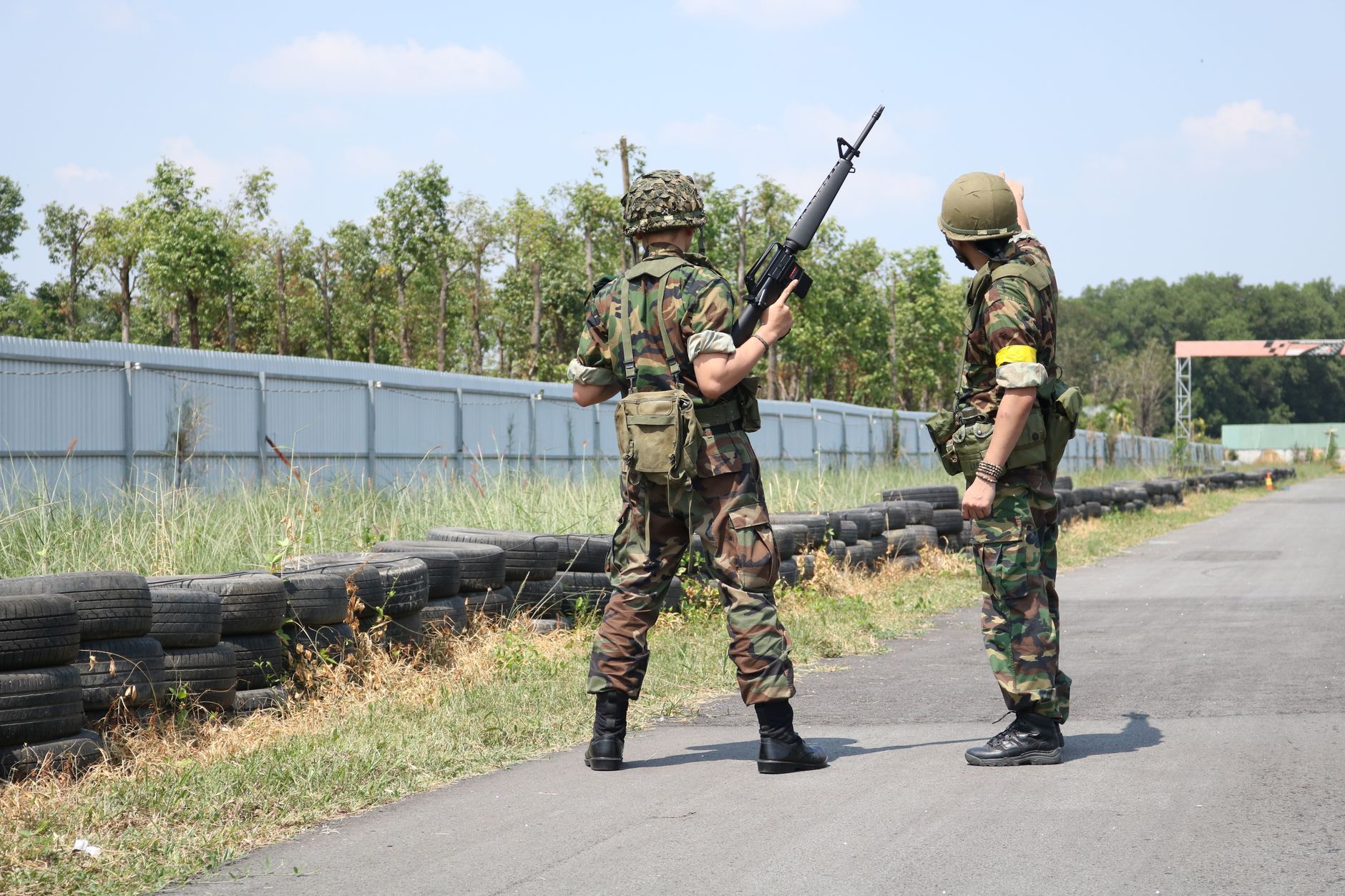
- Multiple sophisticated drone and rocket attacks have recently targeted U.S. military bases and personnel stationed across Iraq and Syria, signaling a significant escalation in regional hostilities.
- These aggressive assaults are widely attributed to Iran-backed militia groups operating within Iraq and Syria, raising serious concerns about Tehran's indirect involvement and strategic objectives.
- In response, U.S. forces have launched precision airstrikes against facilities used by these Iran-aligned militias, explicitly targeting command centers, weapons depots, and training grounds to deter further aggression.
- Concurrently, Israel has conducted its own series of air operations within Syria, reportedly striking Iranian Revolutionary Guard Corps (IRGC) assets and infrastructure, further complicating the already volatile security landscape.
- The overall security situation in the Middle East has reached an acutely elevated state of tension, with widespread fears that the ongoing tit-for-tat exchanges could rapidly spiral into a broader, more destructive regional conflict.
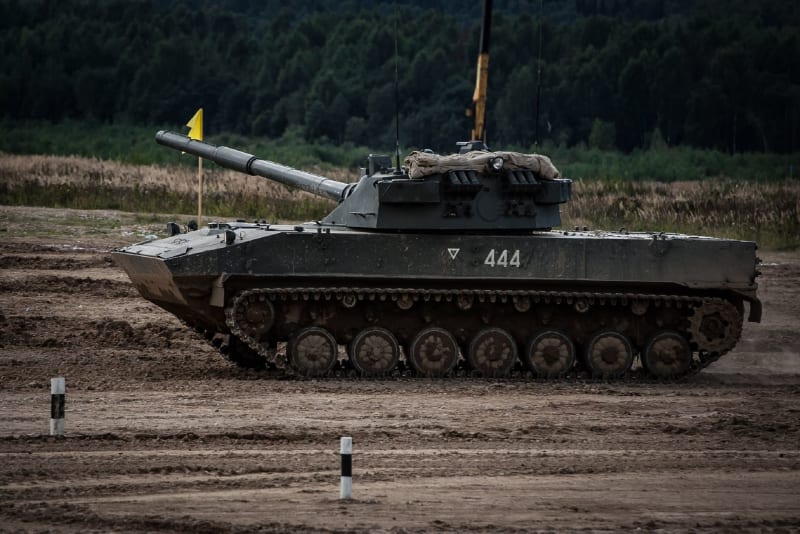
- The United States has significantly bolstered its military presence in the Middle East, deploying additional naval assets, air defense systems, and personnel to safeguard its interests and deter potential adversaries.
What We Do Not Know Yet
- The precise scope of material damage and personnel casualties sustained by all parties involved in the recent wave of attacks and retaliatory strikes remains largely unconfirmed, with conflicting reports emerging from various sources.
- Whether the recent surge in militia activity was directly ordered by Iran's supreme leadership or represents a more autonomous, opportunistic response by its proxies is a critical unanswered question impacting future diplomatic efforts.
- The long-term strategic approach the U.S. intends to employ for de-escalation and securing its regional interests, beyond immediate retaliatory actions, has not been clearly articulated, leaving many observers uncertain.
- The intricate mechanisms and specific command structures governing the coordination between Iran and its diverse network of proxy groups across the Middle East are still largely opaque to external analysis.
- The potential for miscalculation by any of the primary actors – the U.S., Iran, or Israel – and how such an error could trigger an uncontrollable escalation remains a significant unknown, heightening global anxieties.
- The specific diplomatic off-ramps or back-channel communications, if any, currently being pursued by international mediators to defuse the escalating tensions and prevent a full-blown regional war are not publicly known.
Background
The Middle East has long been a crucible of geopolitical rivalries, with a complex tapestry of historical grievances, ideological clashes, and strategic interests continually fueling instability. At the heart of this enduring tension lies the decades-long animosity between the United States and Iran, exacerbated by Tehran's nuclear ambitions and its robust support for a network of regional proxy forces. This dynamic is further complicated by Israel's existential security concerns regarding Iran's influence and military capabilities, particularly on its northern borders, creating a volatile three-way standoff that frequently erupts into open conflict.
For years, the U.S. has maintained a significant military presence in the region, primarily aimed at counter-terrorism efforts and deterring Iranian aggression, often drawing the ire of Tehran and its allies. Iran, in turn, has cultivated a 'Axis of Resistance' through groups like Hezbollah in Lebanon, various Shiite militias in Iraq and Syria, and the Houthis in Yemen, leveraging these non-state actors to project power and challenge U.S. and Israeli influence without direct state-on-state confrontation. These proxy groups serve as critical instruments in Iran's regional strategy, enabling deniable attacks and maintaining pressure on its adversaries while avoiding direct accountability.
The current wave of attacks represents a dangerous acceleration of this established pattern, breaking a fragile ceasefire that had offered a brief respite from previous escalations. What distinguishes this latest surge is the increased frequency, sophistication, and boldness of the assaults, particularly those targeting U.S. installations, suggesting a calculated effort to test resolve or retaliate for perceived aggressions. This escalating tit-for-tat exchange risks shattering any remaining diplomatic avenues and could easily ignite a broader regional conflagration, pulling in additional actors and destabilizing an already fragile global energy market.
Why It Matters
The current escalation is not merely another chapter in a long-running regional rivalry; it represents a critical juncture that could plunge the entire Middle East into a devastating, wide-scale conflict. A full-blown war involving the U.S., Iran, and Israel, directly or through proxies, would unleash unimaginable humanitarian consequences, displacing millions and causing immense suffering across already war-torn nations. The ripple effects would extend far beyond the immediate battlegrounds, threatening to destabilize governments, ignite sectarian violence, and create a refugee crisis of unprecedented scale, demanding urgent international intervention to prevent such a catastrophic outcome.
Beyond the immediate human cost, the economic ramifications of a wider conflict would be globally devastating. The Middle East is the world's primary source of oil and natural gas, and any significant disruption to supply routes or production facilities would send crude prices skyrocketing, triggering a global energy crisis and potentially pushing major economies into recession. International trade routes, particularly through vital chokepoints like the Strait of Hormuz, would be jeopardized, further crippling global commerce. This economic instability could then fuel political unrest worldwide, demonstrating the profound interconnectedness of regional security with global prosperity.
Furthermore, the escalating tensions severely undermine efforts toward regional stability and peace, including the fragile Abraham Accords and other diplomatic initiatives. The focus shifts from de-escalation and long-term solutions to immediate military responses, creating a dangerous feedback loop of aggression and retaliation. The international community's capacity for effective diplomacy appears increasingly strained, struggling to keep pace with the rapid deterioration of the security situation. Without a concerted, multilateral effort to de-escalate and find common ground, the region risks becoming an intractable battleground, with profound and lasting implications for global security and human well-being.
Timeline of Events
- **April 2024:** A fragile ceasefire was formally declared following a period of intense cross-border attacks and retaliatory strikes, offering a brief, tenuous hope for de-escalation and a return to diplomatic channels after months of heightened regional tensions.
- **October 17, 2024:** A sophisticated drone attack targeted a U.S. military base in Iraq, reportedly causing minor damage but significantly raising alarm bells about the potential resurgence of hostilities and the breakdown of the April ceasefire agreement.
- **October 20, 2024:** The United States launched precision airstrikes against several facilities in eastern Syria, explicitly targeting infrastructure and weapons depots used by Iran-backed militias, in direct retaliation for the drone assault on its forces in Iraq.
- **October 22, 2024:** Israel conducted a series of air raids on Damascus International Airport and other strategic sites within Syria, with reports indicating these strikes aimed at disrupting Iranian weapons shipments and military deployments in the region.
- **October 25, 2024:** Multiple U.S. positions in both Iraq and Syria experienced a renewed barrage of drone and rocket attacks, underscoring the escalating cycle of violence and the determined efforts by proxy groups to challenge U.S. presence.
- **October 27, 2024:** U.S. Secretary of Defense issued a stern warning, stating that any further attacks on American personnel or assets would be met with swift and decisive action, signaling a hardening stance against regional aggressors.
- **October 29, 2024:** Regional diplomatic efforts intensified, with several Arab nations calling for immediate de-escalation and expressing profound concern over the potential for the conflict to engulf the broader Middle East, urging restraint from all parties.
Rapid-Fire Q&A
What Is Coming
- Expect a continued, albeit potentially sporadic, series of retaliatory attacks from Iran-backed militias targeting U.S. and allied interests, as these groups seek to assert their presence and challenge perceived foreign influence in the region.
- Intense diplomatic maneuvering is anticipated, with regional powers and international bodies like the UN likely to redouble efforts to broker de-escalation, though success will depend heavily on the willingness of all parties to compromise.
- The United States may consider further reinforcing its military posture in the Middle East, including additional troop deployments, advanced air defense systems, and naval assets, to bolster deterrence and protect its personnel and strategic interests.
- Israel is likely to maintain its proactive security operations in Syria and potentially other areas, continuing to target Iranian military infrastructure and weapons transfers, which could provoke further responses from Tehran or its proxies.
- The economic impact of this instability, particularly on global oil markets, will be closely watched, with any significant disruption potentially triggering a sharp rise in energy prices and broader economic uncertainty worldwide.
- Increased scrutiny will fall on the internal political dynamics within Iran, Iraq, and Syria, as regional leaders grapple with the domestic pressures and international ramifications of the escalating conflict, potentially leading to shifts in policy or leadership.
- There is a heightened risk of miscalculation by any of the involved parties, which could inadvertently trigger a rapid and uncontrollable escalation beyond the current tit-for-tat exchanges, leading to a direct military confrontation.













Comments
No comments yet. Be the first to comment!