
The Numbers
- Recent intelligence reports indicate a significant 30% surge in regional military exercises, particularly those involving non-state actors, signaling a worrying intensification of proxy conflicts and a broader militarization of the Middle East landscape. This increase reflects heightened tensions and a proactive stance by various factions.
- Economic sanctions re-imposed against Iran have reportedly devastated its economy, costing the nation an estimated $1 trillion in lost oil revenues since 2018, severely impacting its ability to fund domestic programs and project power internationally. This financial pressure is a key factor in regional dynamics.
- Over 15 major regional security pacts and bilateral defense agreements have been signed or renewed in the last five years, demonstrating a rapid realignment of alliances and a growing emphasis on collective security arrangements among Middle Eastern states. These shifts are fundamentally altering the geopolitical chessboard.
- The proposed military cooperation agreement is projected to involve an estimated $50 billion in defense spending over the next decade, representing a substantial investment in advanced weaponry, joint training, and integrated command structures, underscoring the seriousness of the commitment. This financial outlay highlights the perceived threat level.
- Public opinion polls conducted across several key Gulf states reveal that over 60% of their populations express deep concern regarding regional stability and the potential for wider conflict, indicating widespread apprehension among citizens about the current geopolitical trajectory. This public anxiety puts pressure on leaders.
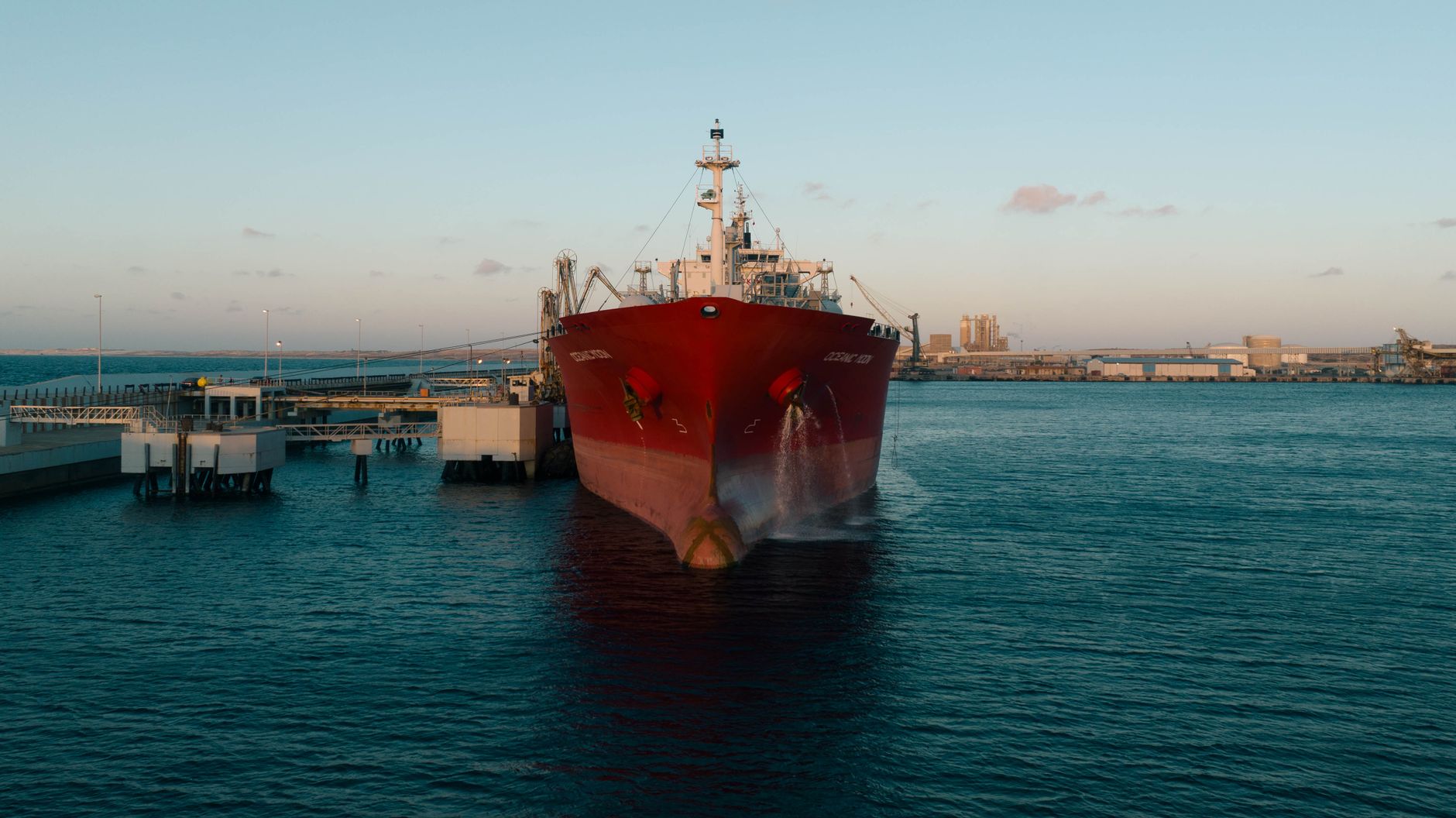
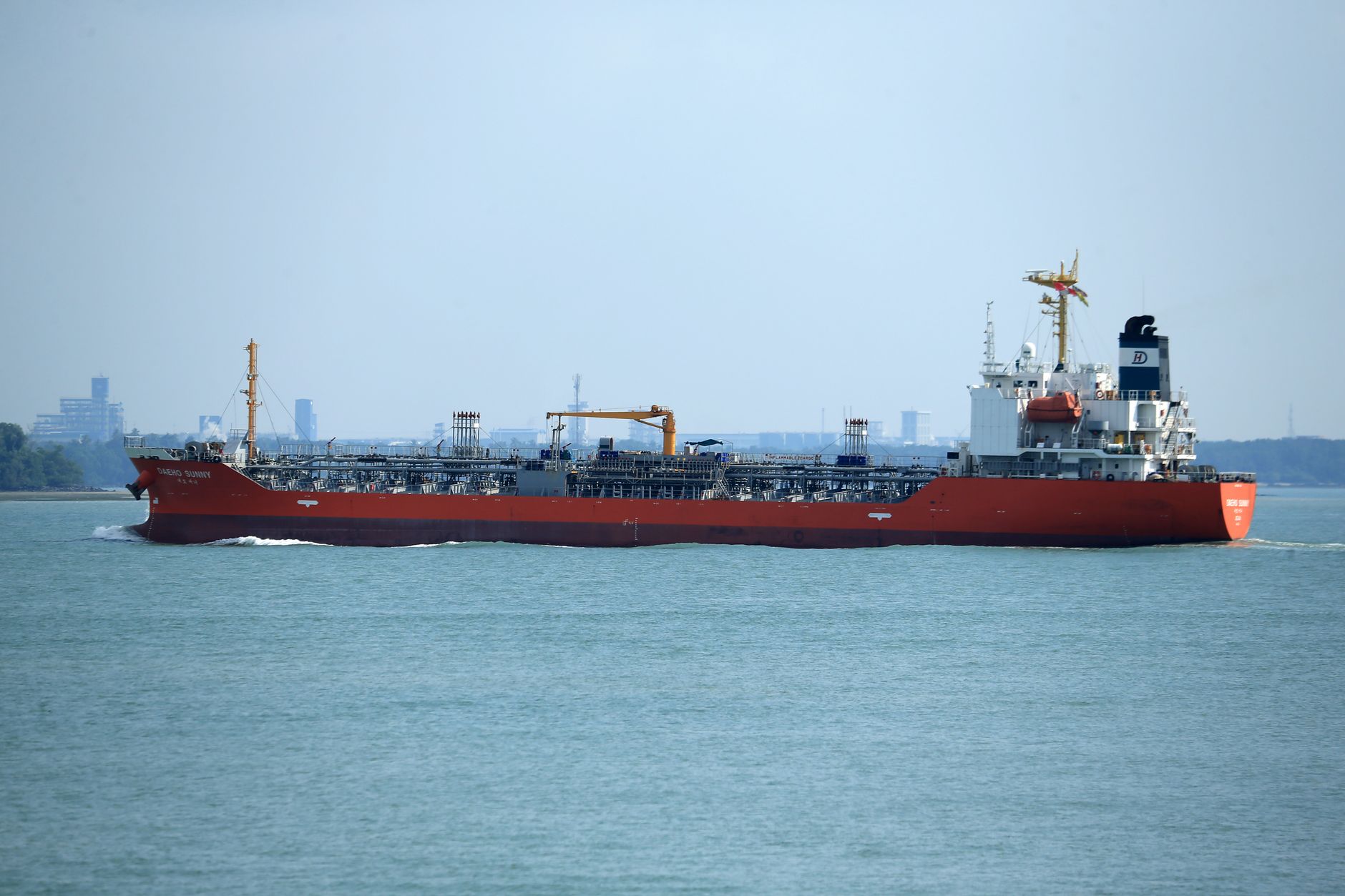
- Leading energy analysts project a potential 20% rise in global oil prices if a major conflict were to erupt in the strategically vital Strait of Hormuz, threatening international shipping lanes and triggering severe economic repercussions worldwide. Such a disruption would have immediate and far-reaching global impacts.
Context Check
The Middle East has long been a crucible of geopolitical tension, characterized by a complex interplay of historical grievances, resource competition, and ideological divides. The recent announcement of a potential military cooperation agreement, often referred to as the 'Iran War MOU,' emerges against this backdrop of persistent instability. This development is not an isolated incident but rather a culmination of years of escalating proxy conflicts, economic pressures, and a perceived vacuum in regional leadership, all contributing to a highly volatile environment where even minor miscalculations could trigger widespread repercussions. The regional security architecture, already fragile, faces unprecedented strains.
For decades, the region has grappled with the aftermath of various conflicts, from the Iran-Iraq War to the more recent interventions in Syria and Yemen, each leaving indelible marks on the political landscape. These conflicts have fueled an arms race and solidified rivalries, particularly between Iran and its regional adversaries. The current situation is further complicated by the withdrawal of major international powers from certain commitments, leading to a sense of self-reliance and heightened vigilance among local actors. This shift has accelerated the formation of new alliances and the strengthening of existing ones, all aimed at securing national interests in an increasingly unpredictable geopolitical arena. The stakes are exceptionally high.
The proposed MOU, therefore, represents a significant turning point, potentially reshaping the balance of power and introducing new dynamics into an already delicate ecosystem. Its implications extend beyond military strategy, touching upon economic stability, diplomatic relations, and the daily lives of millions. Understanding this agreement requires a deep dive into the historical context, the current geopolitical forces at play, and the potential ripple effects it could generate across the globe. The international community watches with bated breath, recognizing that the Middle East's stability is inextricably linked to global peace and economic prosperity. This is a critical juncture.
Background
The genesis of the so-called 'Iran War MOU' can be traced back to a series of escalating confrontations and strategic realignments that have characterized the Middle East over the past decade. Following the collapse of the Joint Comprehensive Plan of Action (JCPOA) and the subsequent re-imposition of stringent sanctions on Iran, Tehran has increasingly sought to bolster its regional influence through various means, including supporting proxy groups and expanding its missile capabilities. This aggressive posture has naturally provoked a strong reaction from neighboring states, particularly those in the Gulf Cooperation Council (GCC), who perceive Iran's actions as a direct threat to their sovereignty and stability. The diplomatic channels, already strained, have struggled to contain these rising tensions, pushing regional powers towards more overt security measures.
The concept of a formalized military cooperation agreement among certain regional powers, ostensibly to counter Iranian assertiveness, has been discussed in various forms for several years. Initial talks were often informal, held on the sidelines of international security conferences or during bilateral visits. However, recent developments, including drone attacks on critical infrastructure and increased maritime incidents, have injected a new sense of urgency into these discussions. The realization that individual national defenses might be insufficient against coordinated threats has spurred a collective desire for a more robust, integrated security framework. This shift from informal discussions to concrete proposals marks a significant escalation in the regional security paradigm, signaling a departure from previous diplomatic approaches.
While details of the specific 'Iran War MOU' remain largely confidential, public statements from involved parties suggest a focus on intelligence sharing, joint military exercises, and potentially coordinated defense strategies. The agreement is framed by proponents as a necessary deterrent against regional aggression and a mechanism to ensure stability. Critics, however, warn that such an explicit military pact could be perceived as a direct provocation, potentially accelerating an arms race and increasing the likelihood of direct conflict rather than preventing it. The historical precedent of similar pacts in other volatile regions suggests that while they can offer a sense of security to signatories, they often exacerbate existing rivalries and create new flashpoints. The implications for regional peace are profound and complex.
Winners and Losers
The potential 'Iran War MOU' is poised to redraw the geopolitical map of the Middle East, creating clear winners and losers among regional and international actors. On one side, nations directly threatened by perceived Iranian expansionism, particularly Saudi Arabia, the UAE, and potentially Israel, stand to gain a formalized security umbrella. This pact could provide enhanced intelligence sharing, coordinated defense strategies, and a stronger collective deterrent against attacks on critical infrastructure or maritime routes. For these nations, the agreement represents a tangible step towards securing their interests and projecting a united front, potentially bolstering investor confidence and internal stability. The perception of a robust, unified defense posture could also strengthen their diplomatic leverage on the global stage, allowing them to advocate more forcefully for their security concerns. This consolidation of power is a significant strategic advantage.
Conversely, Iran and its network of proxy groups would likely emerge as significant losers, facing a more formidable and unified opposition. The agreement could isolate Iran further, limiting its ability to project power and influence through unconventional warfare or asymmetric tactics. Economically, increased regional instability and the potential for direct confrontation could deepen the impact of existing sanctions, exacerbating internal economic woes and potentially fueling domestic dissent. Furthermore, the pact might compel Iran to divert more resources towards military spending, further straining its already beleaguered economy and hindering development projects. This heightened pressure could lead to a more entrenched and defensive posture, potentially creating a dangerous feedback loop of escalation.
Beyond the immediate regional players, global powers also face a complex calculus. The United States, having long advocated for greater burden-sharing among its allies, might see the MOU as a positive step towards regional self-sufficiency, potentially reducing its direct military commitments while maintaining strategic influence. However, it also risks being drawn into a more direct conflict if tensions escalate. China and Russia, with significant economic and strategic interests in the region, could find their diplomatic maneuvering complicated by a more polarized Middle East. The global energy market, always sensitive to Middle Eastern stability, would undoubtedly face severe disruptions in the event of conflict, impacting economies worldwide. Ultimately, the biggest losers might be the civilian populations across the region, who would bear the brunt of any military escalation, facing displacement, economic hardship, and humanitarian crises. The stakes for global stability are immense.
Analyst Perspectives
Leading regional security analysts are largely divided on the long-term efficacy and implications of the proposed 'Iran War MOU.' Dr. Fatima Al-Hassan, a prominent geopolitical strategist based in Doha, suggests that while the agreement aims to create a deterrent, it risks being perceived as an aggressive encirclement by Tehran. 'History teaches us that such explicit military pacts, rather than fostering peace, often lead to a dangerous arms race and a hardening of positions,' she asserts. 'The focus should remain on de-escalation through robust diplomatic channels, even if they are currently strained. A military solution rarely addresses the root causes of geopolitical friction, and in this case, it could very well ignite the very conflict it seeks to prevent.' Her perspective emphasizes the need for caution and a return to dialogue.
Conversely, Professor David Chen, an expert on Middle Eastern security at King's College London, views the MOU as a necessary evil in a volatile region. 'Given the persistent and multifaceted threats emanating from Iran, a collective defense mechanism is not just prudent, but essential for the survival of several states,' Chen argues. 'Diplomacy without leverage is often ineffective. This agreement provides that leverage, signaling to Tehran that any further aggression will be met with a unified and formidable response. It’s a regrettable but vital step towards establishing a new, albeit fragile, balance of power.' He believes that without such a deterrent, the region would be even more susceptible to unilateral actions and destabilization. This viewpoint highlights the perceived necessity of military strength.
A third perspective, offered by Dr. Sarah Khan from the Carnegie Endowment for International Peace, focuses on the potential for unintended consequences. 'While the immediate goal of deterring Iran is clear, the long-term implications for regional stability are far less certain,' Khan explains. 'The MOU could inadvertently push non-signatory states to align more closely with Iran, creating even deeper divisions and potentially expanding the scope of any future conflict. Furthermore, it could embolden hardliners on all sides, making compromise and de-escalation increasingly difficult.' She stresses the importance of including robust off-ramps and diplomatic safeguards within the framework of any such agreement to prevent a spiraling escalation. The complexity of regional alliances makes any simple solution fraught with peril, demanding nuanced consideration of all potential outcomes.

Key Questions Explained
The Outlook
The immediate outlook for the Middle East, in the wake of the proposed 'Iran War MOU,' is one of heightened uncertainty and precarious stability. While proponents hope the agreement will serve as a robust deterrent, effectively preventing conflict by presenting a united front, the risk of miscalculation and escalation remains critically high. The region is entering a phase where military posturing and diplomatic maneuvering will intensify, testing the resolve of all parties involved. The coming months will likely see a flurry of diplomatic activity, both overt and covert, as nations seek to solidify alliances, gauge reactions, and position themselves strategically in this evolving landscape. The potential for a new regional security architecture is undeniable, but so is the potential for increased volatility, making careful navigation essential.
Longer term, the success or failure of this MOU will hinge on several critical factors. Firstly, the ability of signatory nations to maintain cohesion and present a truly unified front, overcoming historical rivalries and differing national interests. Secondly, the reaction of Iran and its allies; whether they choose de-escalation, confrontation, or a nuanced strategy of asymmetric response. Thirdly, the role of international powers in either mediating tensions or exacerbating them through their own geopolitical agendas. A sustained period of diplomatic engagement, coupled with clear communication channels, will be vital to prevent the region from spiraling into a wider conflict. Without these measures, the agreement could inadvertently become a catalyst for the very war it aims to prevent, with devastating consequences for millions.
Ultimately, the 'Iran War MOU' signals a fundamental shift in the Middle East's geopolitical dynamics, moving towards a more formalized and potentially confrontational security paradigm. The era of ambiguous alliances and tacit understandings may be drawing to a close, replaced by explicit pacts and clearer lines of division. While this clarity might, in theory, reduce certain types of ambiguity, it also raises the stakes considerably. The path forward is fraught with challenges, demanding astute leadership, strategic foresight, and a genuine commitment to peace from all regional and international stakeholders. The world watches, recognizing that the future of this vital region hangs precariously in the balance, with global implications for peace and prosperity. The need for sustained, careful diplomacy has never been more pressing.










Comments
No comments yet. Be the first to comment!