

The Numbers
- Global oil prices have surged by over 5% this quarter, directly attributed to escalating geopolitical tensions and persistent supply chain anxieties in key energy-producing regions.
- Formal diplomatic channels between the United States and Iran have remained largely stagnant for more than six months, intensifying concerns about a viable path to de-escalation and mutual understanding.
- Ongoing regional conflicts across the Middle East have tragically displaced an additional 1.2 million individuals this year alone, exacerbating an already dire humanitarian crisis and straining international aid resources.
- Anticipating heightened global instability, projections indicate a significant 3% increase in worldwide defense spending for 2024, signaling a renewed focus on military preparedness and strategic deterrence.
- The comprehensive international sanctions imposed on Iran continue to inflict an estimated annual economic cost of $50 billion, severely impacting its national budget and the livelihoods of its populace.
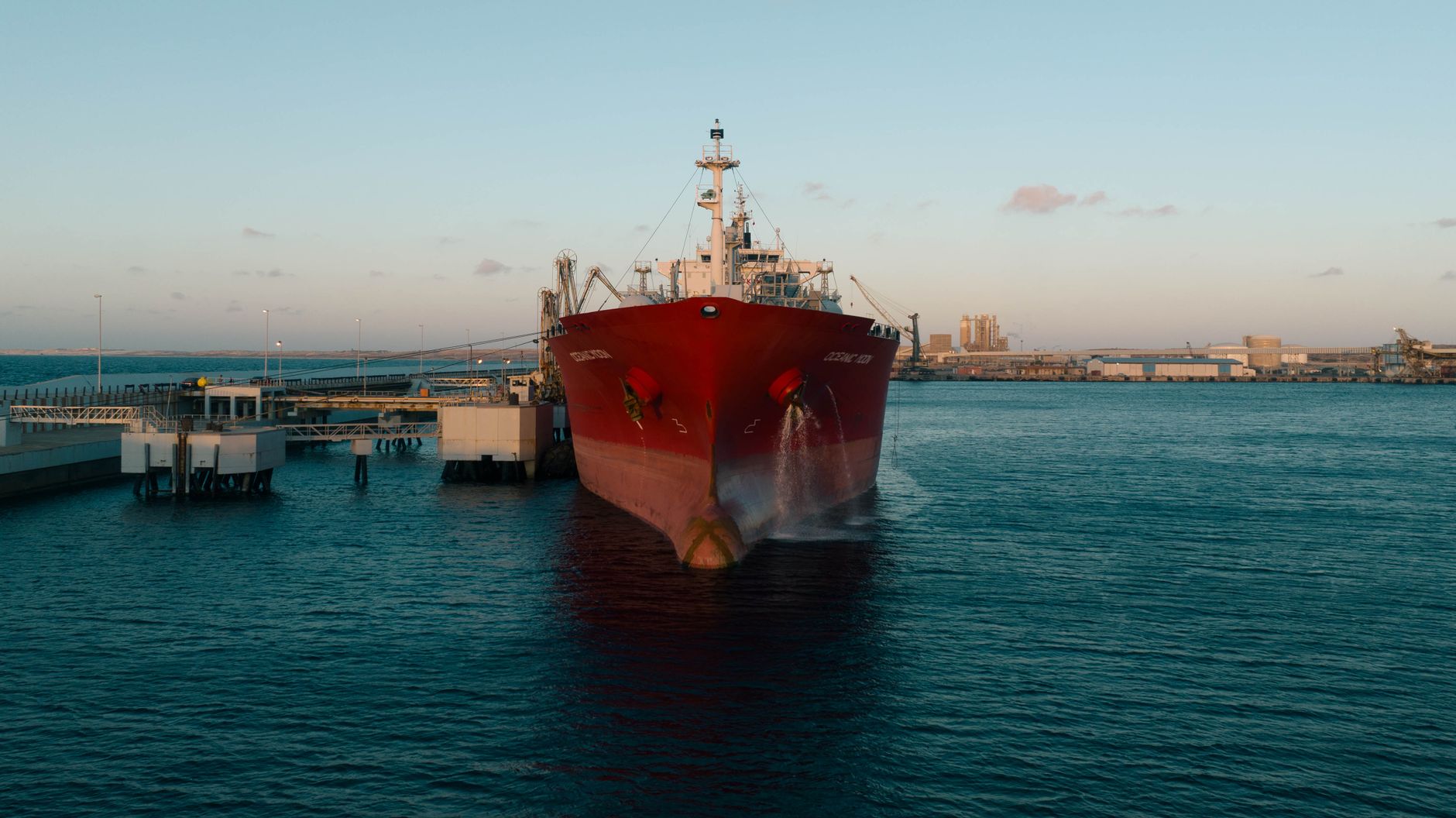
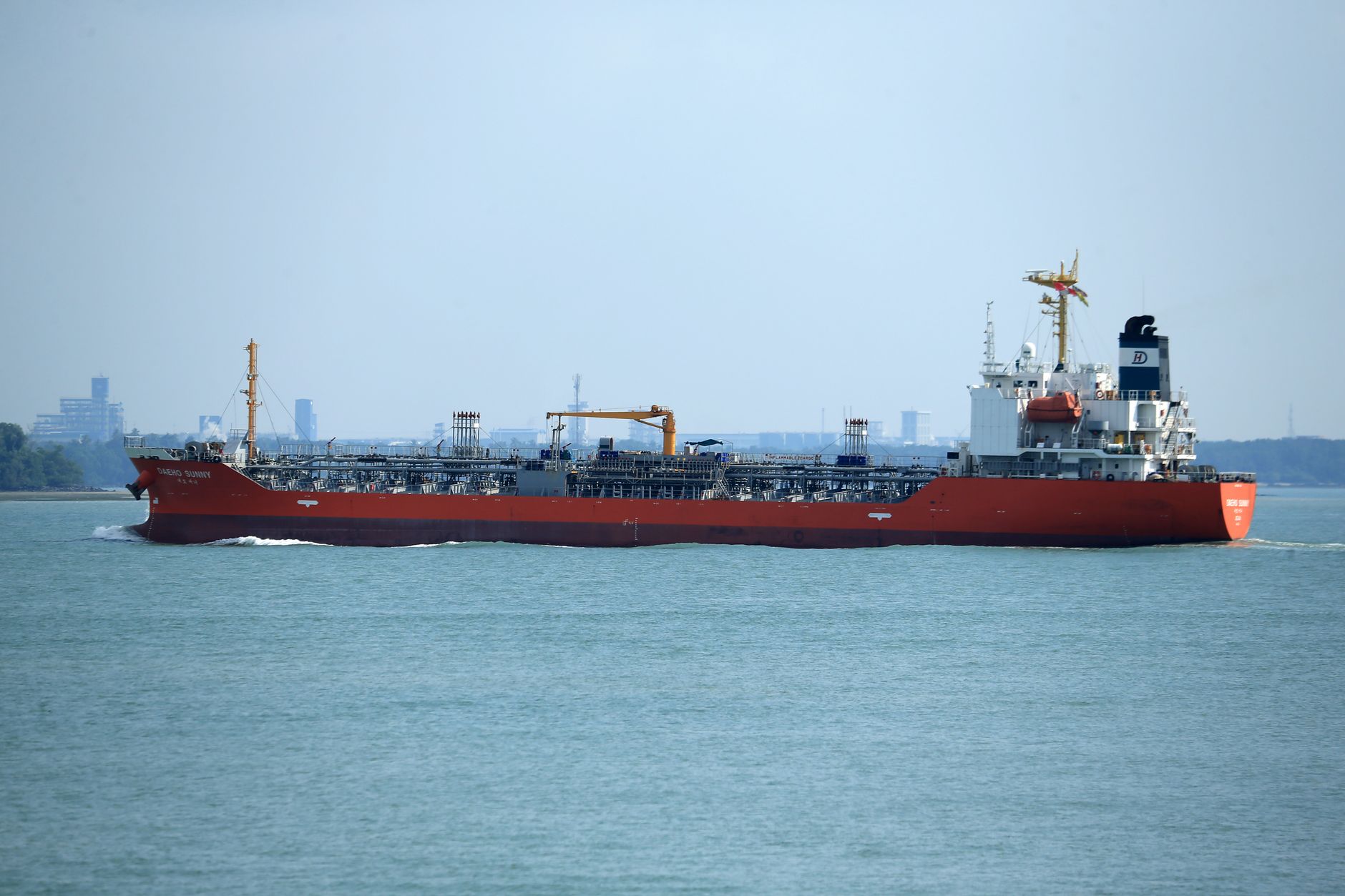
- The Strait of Hormuz, a strategically vital maritime chokepoint, remains critical for global energy security, with approximately 20% of the world's daily oil supply transiting its narrow waters.
Context Check
The geopolitical landscape remains acutely volatile, with the Middle East undeniably at its epicenter. Tensions between the United States and Iran continue to simmer, largely fueled by profound disagreements over Tehran's nuclear ambitions, persistent regional proxy conflicts, and the crippling weight of economic sanctions. These complex dynamics are far from isolated; they intricately intertwine with broader global power shifts, evolving alliances, and significant economic pressures, collectively weaving a dense web of challenges for international diplomacy, regional stability, and global energy markets.
Recent months have witnessed a marked deterioration in communication channels, with direct negotiations largely stalled despite urgent calls from international bodies for de-escalation. This diplomatic impasse has created a dangerous vacuum, allowing for misinterpretations and heightened rhetoric to flourish. The absence of a clear roadmap for dialogue or a mutually acceptable framework for resolving core disputes only amplifies the inherent risks, pushing the region closer to potential flashpoints and making any resolution appear increasingly distant and complex.
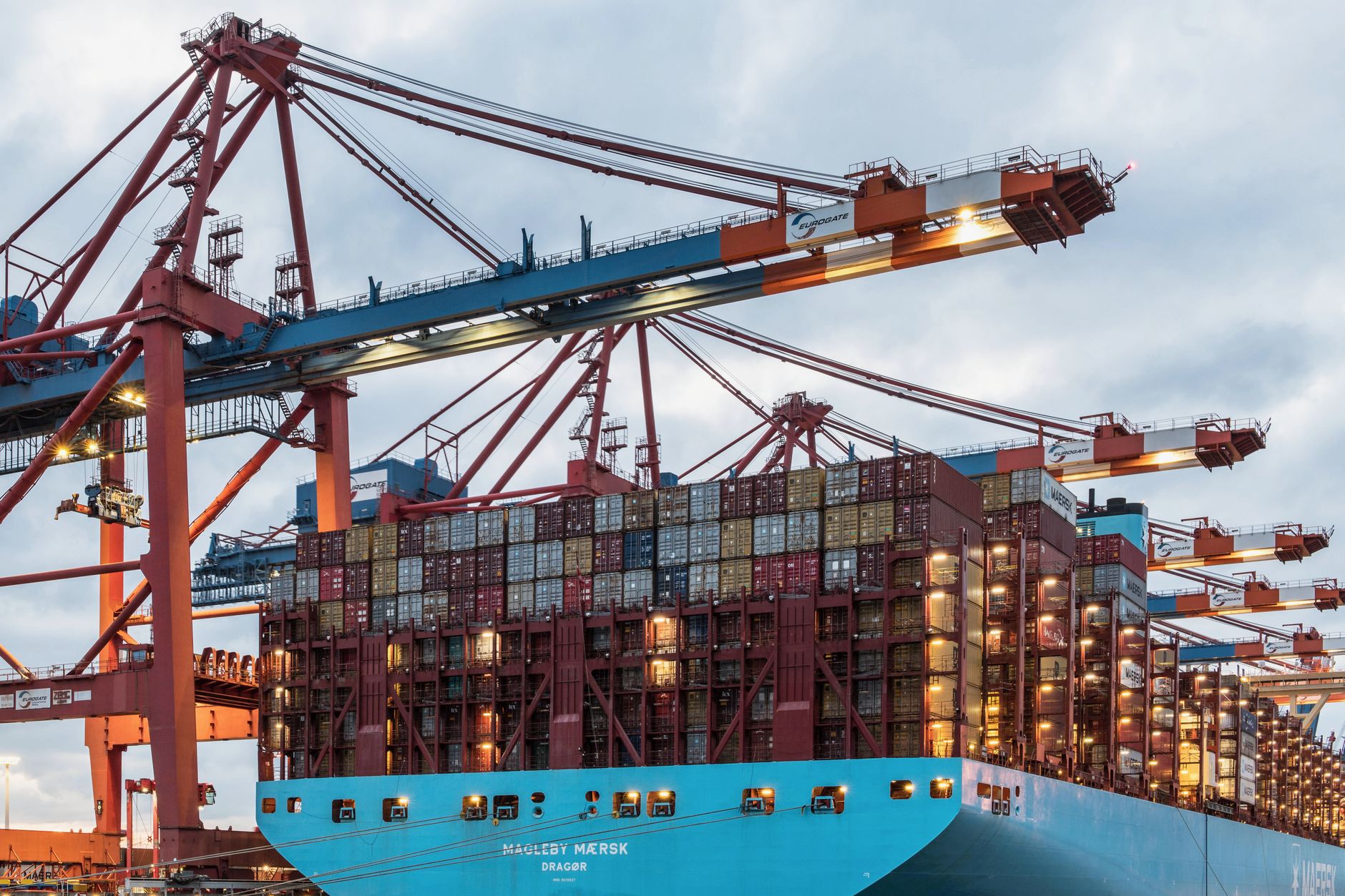
Furthermore, the ripple effects of this uncertainty extend far beyond the immediate region. Global supply chains, already fragile from recent disruptions, face renewed threats, particularly concerning oil and gas transit through critical maritime arteries. International investors are growing wary, leading to capital flight from emerging markets and a general increase in risk aversion. This pervasive instability underscores how localized conflicts, when involving major global players, can quickly metastasize into broader economic and security challenges for the entire international community.
Background
The tumultuous history of US-Iran relations is profoundly marked by protracted periods of intense hostility punctuated by only fleeting, often fragile, attempts at rapprochement. A pivotal moment arrived with the 2015 Joint Comprehensive Plan of Action (JCPOA), widely known as the Iran nuclear deal. This landmark agreement represented a significant diplomatic breakthrough, meticulously designed to verifiably curb Iran's nuclear program in exchange for substantial international sanctions relief, offering a glimmer of hope for regional stability and reduced tensions.
However, this delicate balance was shattered in 2018 when the United States unilaterally withdrew from the JCPOA under the previous administration. This decisive action immediately reignited deep-seated tensions, triggering a renewed and aggressive cycle of 'maximum pressure' sanctions against Iran and a corresponding escalation of Iranian nuclear activities beyond the deal's limits. The withdrawal severely eroded trust, not only between Washington and Tehran but also among international partners who had invested heavily in the diplomatic framework, making future negotiations significantly more arduous.
Current, albeit largely stalled, efforts to revive the original deal or establish entirely new diplomatic channels face formidable, almost insurmountable, obstacles. These challenges are profoundly complicated by entrenched domestic political pressures within both countries, where hardline factions often resist compromise, and by a pervasive, deep-seated distrust that has festered for decades. The path forward remains obscured by these historical grievances and contemporary strategic divergences, leaving the future of US-Iran engagement in a precarious state of uncertainty.
Winners and Losers
In the prevailing climate of acute geopolitical uncertainty, the landscape of winners and losers becomes starkly defined. Certain oil-producing nations, particularly those situated outside the immediate zones of conflict, frequently emerge as significant beneficiaries. As global crude prices inevitably surge due to pervasive supply fears and market anxieties, these nations experience a substantial increase in their national revenues, bolstering their economies. Concurrently, the global defense industry consistently registers a marked surge in demand and investment, as countries worldwide prioritize military preparedness and bolster their security apparatus in response to heightened threats.
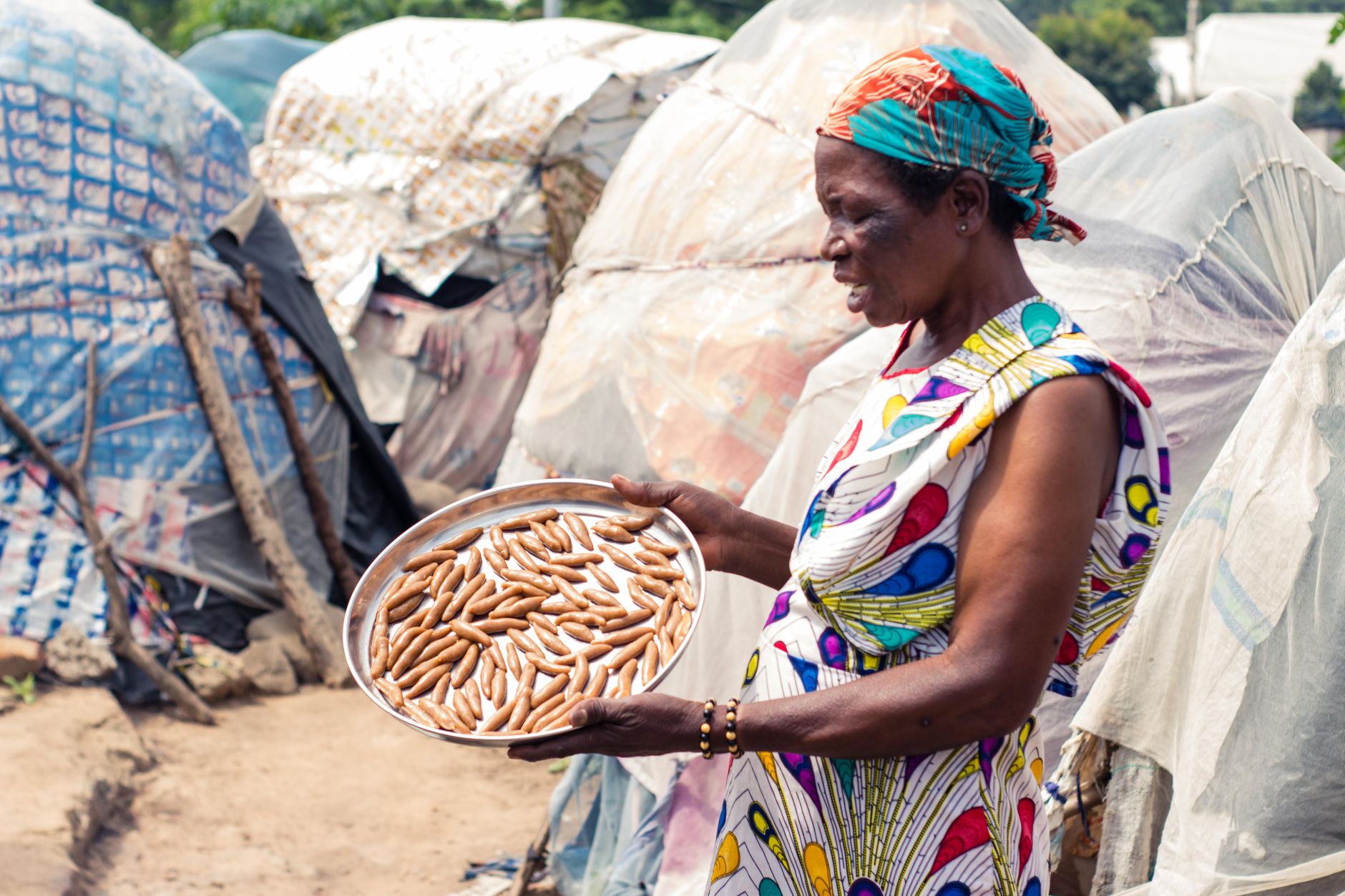
Conversely, the most profound and tragic losers are invariably the civilian populations trapped within the crosshairs of proxy conflicts and regional skirmishes. These communities endure catastrophic humanitarian crises, including widespread food insecurity, inadequate healthcare, and pervasive economic hardship. The forced displacement of millions from their homes becomes a grim reality, tearing apart social fabrics and creating generations of refugees and internally displaced persons. Their suffering represents the devastating human cost of unresolved international disputes and power struggles, often overlooked amidst geopolitical maneuvering.
Beyond the immediate human toll, global markets and the broader international community also bear significant costs. Pervasive unpredictability in the Middle East directly impacts international investment flows, leading to capital flight from vulnerable regions and a general increase in risk aversion among global financial institutions. Trade routes, particularly vital maritime chokepoints, become vulnerable, disrupting supply chains and inflating costs for consumers worldwide. Moreover, diplomatic efforts aimed at resolving these deep-seated disputes face continuous setbacks, effectively prolonging the cycles of instability and making sustainable peace an ever-elusive goal for all stakeholders.
Analyst Perspectives
Leading geopolitical analysts universally concur that the protracted stalemate in US-Iran talks poses exceptionally significant and escalating risks. A predominant concern among experts is the critical absence of a clear diplomatic off-ramp, which dramatically heightens the probability of miscalculation or accidental escalation in an already volatile region. Without established channels for de-escalation and clear communication protocols, any minor incident, whether intentional or not, could swiftly spiral into a broader, more destructive confrontation, with unpredictable and far-reaching consequences for global security and economic stability.
A substantial segment of the analytical community advocates for a more robust, multilateral approach to break the current impasse. They argue that relying solely on bilateral efforts has proven insufficient and that a broader coalition, actively involving key European powers, China, Russia, and crucial regional stakeholders, is essential. Such a collective endeavor could potentially create a more comprehensive and sustainable framework for de-escalation, offering diverse perspectives and shared responsibilities to address Iran's nuclear program, regional proxy activities, and broader security concerns, thereby increasing the chances of a lasting resolution.
Conversely, a growing number of experts contend that the window for achieving a comprehensive nuclear deal, similar to the original JCPOA, is rapidly closing, if not already shut. This perspective suggests that both Washington and Tehran are increasingly entrenched in their respective positions, pushing them towards a more confrontational posture rather than a conciliatory one. Such a trajectory carries profound potential ripple effects, not only across the entire Middle East, exacerbating existing conflicts and creating new ones, but also for global energy markets and international non-proliferation efforts, demanding urgent attention from policymakers worldwide.

Key Questions Explained
The Outlook
The immediate outlook for US-Iran relations remains profoundly precarious, characterized by an exceptionally delicate balance between persistent diplomatic inertia and the ever-present, palpable risk of escalation. While neither Washington nor Tehran appears overtly eager for a direct military confrontation, the relentless proliferation of proxy conflicts across the Middle East and the persistent, often inflammatory, rhetoric of defiance from both sides collectively forge an intensely volatile and unpredictable environment. This precarious equilibrium demands constant vigilance from the international community.
In this highly charged atmosphere, even a seemingly minor incident in the Persian Gulf, such as a naval encounter or a cyberattack, or a localized flashpoint in a regional proxy arena, could rapidly spiral out of control. Such a scenario would inevitably demand swift, decisive, and coordinated international intervention to prevent a wider, potentially catastrophic, conflagration that could destabilize global energy markets and security alliances. The absence of robust, direct, and high-level communication channels between the two principal adversaries further exacerbates this inherent danger, rendering effective de-escalation exceptionally challenging once tensions inevitably begin to rise.
Looking ahead, the path towards any form of sustainable stability requires a fundamental shift in approach. It necessitates a renewed commitment to multilateral diplomacy, a willingness from both the US and Iran to engage in genuine confidence-building measures, and a concerted effort by international mediators to bridge the deep chasm of mistrust. Without such proactive and sustained engagement, the region will likely remain a crucible of instability, with the potential for conflict casting a long shadow over global peace and prosperity for the foreseeable future, impacting countless lives and economies.








Comments
No comments yet. Be the first to comment!