
At a Glance
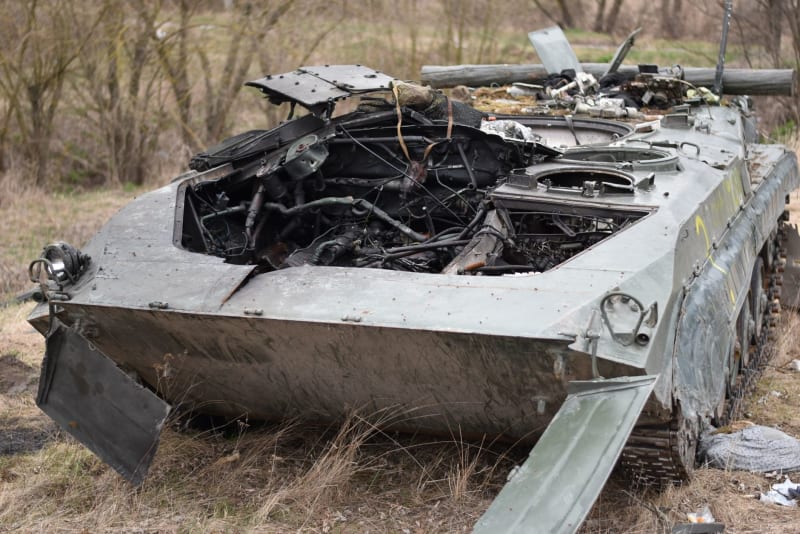
- **Military Stalemate Deepens:** Despite initial ambitions for a swift victory, Russian forces have become entrenched in a grinding war of attrition, marked by significant logistical challenges, heavy personnel losses, and limited territorial gains since the early phases of the invasion. This protracted conflict has severely strained Russia's military resources and morale.
- **Economic Sanctions Bite Harder:** Western nations have imposed unprecedented sanctions targeting Russia's financial sector, energy exports, and key industries, leading to a substantial contraction of its economy, persistent inflation, and a growing exodus of international businesses, fundamentally altering its global economic standing.
- **International Isolation Intensifies:** Russia faces widespread condemnation and diplomatic isolation on the global stage, with numerous international bodies and alliances actively working to counter its aggression and support Ukraine's sovereignty, diminishing Moscow's influence and credibility.
- **Domestic Dissent Simmers:** While state media maintains tight control over information, anecdotal evidence and reports suggest growing public fatigue and quiet dissatisfaction within Russia regarding the war's human and economic costs, posing a subtle but persistent challenge to the Kremlin's narrative.
- **Ukraine's Resilience and Western Support:** Ukraine continues to demonstrate remarkable resilience, bolstered by substantial military, financial, and humanitarian aid from a coalition of Western countries, enabling it to withstand Russian offensives and even launch counter-offensives against formidable odds.
- **Geopolitical Landscape Reshaped:** The conflict has fundamentally altered the global geopolitical landscape, strengthening NATO's resolve, prompting European nations to re-evaluate their defense strategies, and creating new alignments and tensions across continents, with long-lasting implications for international relations.
The Record
Russia's full-scale invasion of Ukraine, launched in February 2022, was predicated on the swift capture of Kyiv and the installation of a compliant regime. Initial military objectives, including the rapid decapitation of Ukraine's leadership and the subjugation of its armed forces, spectacularly failed in the face of fierce Ukrainian resistance and significant logistical miscalculations by the Russian command. This early setback marked the beginning of a strategic misadventure that rapidly devolved from a planned blitzkrieg into a protracted, attritional conflict, fundamentally altering the Kremlin's military and political calculus.
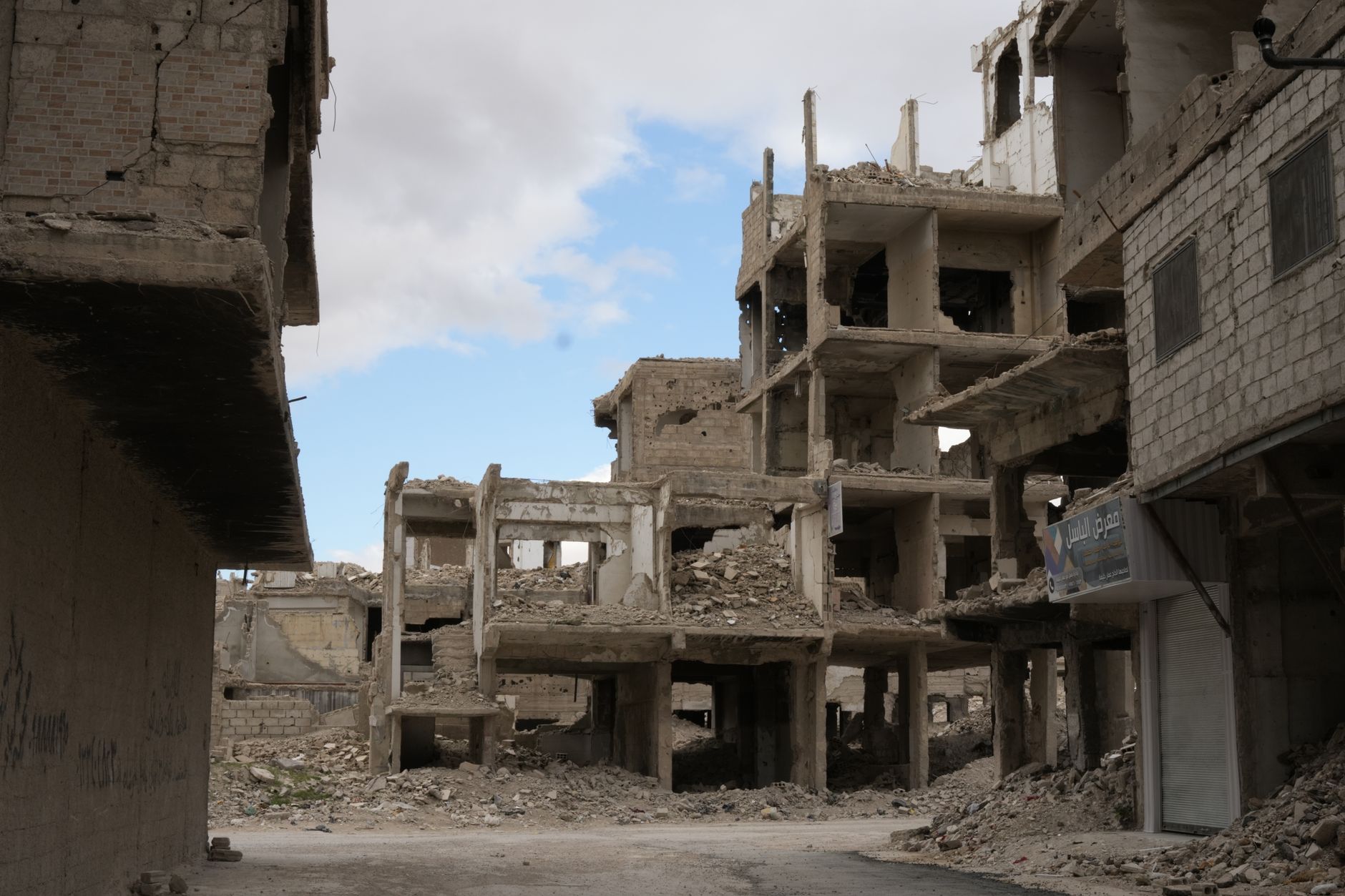
The conflict quickly transformed into a grinding war of attrition, particularly evident in the eastern and southern regions of Ukraine. Russian forces, despite numerical advantages in certain areas, have struggled to achieve decisive breakthroughs, often resorting to indiscriminate shelling and siege tactics that have devastated Ukrainian cities and infrastructure. This operational reality stands in stark contrast to the Kremlin's initial projections of a swift victory, revealing deep-seated issues within the Russian military, including inadequate training, corruption, and a severe underestimation of Ukrainian resolve and Western support.
As the war enters its third year, the front lines have largely stabilized, characterized by intense artillery duels and localized skirmishes rather than sweeping territorial changes. This entrenched position has created a strategic quagmire, where neither side appears capable of achieving a decisive military victory in the short term, yet neither is willing to concede. The human cost continues to mount, with hundreds of thousands of casualties on both sides, while the economic and social fabric of Ukraine has been severely damaged, underscoring the profound and lasting impact of this prolonged conflict on the region and beyond.
Who Knew and When
Western intelligence agencies, particularly those of the United States and the United Kingdom, issued stark and increasingly public warnings about Russia's impending full-scale invasion of Ukraine months before it occurred. These warnings, often met with skepticism in some European capitals and outright denial by Moscow, detailed the significant troop build-up along Ukraine's borders, the deployment of field hospitals, and the logistical preparations indicative of an offensive operation. The precision of these intelligence assessments proved remarkable, highlighting a significant failure on the part of the international community to fully grasp the Kremlin's intent or to deter its actions effectively.
Russia's leadership, particularly President Putin, appears to have operated under several critical misapprehensions regarding Ukraine's capacity for resistance and the West's unity. It is widely believed that the Kremlin anticipated a swift collapse of the Ukrainian government, minimal popular resistance, and a divided, ineffective Western response. These profound miscalculations, rooted in a distorted view of Ukrainian national identity and an underestimation of transatlantic solidarity, directly contributed to the war evolving into the protracted quagmire it is today, far from the quick victory envisioned by Moscow.
The realization that the war had become a quagmire began to solidify within months of the invasion, particularly after Russia's failed assault on Kyiv and subsequent retreat from northern Ukraine. Analysts quickly identified the systemic issues plaguing the Russian military, from poor logistics and command structures to low morale and equipment deficiencies. The sustained and coordinated Western response, including unprecedented sanctions and military aid, further cemented the understanding that Russia was facing a far more formidable challenge than anticipated, marking a critical turning point in the global perception of the conflict's trajectory.
Voices from the Ground
The voices emerging from Ukraine paint a harrowing picture of daily life under constant threat. Civilians in frontline cities speak of the relentless terror of artillery fire, the destruction of homes, and the agonizing decisions to flee or stay. "Every day is a struggle for survival, a constant fear for our children," recounts Maria, a mother from Kharkiv, whose family now lives in a basement. These narratives underscore the profound human cost of the conflict, revealing the psychological scars and the deep-seated trauma inflicted upon millions, who have lost loved ones, livelihoods, and their sense of security.
Within Russia, the narrative is more complex and often suppressed, yet whispers of discontent are growing louder, particularly among families of mobilized soldiers. Mothers and wives share stories of poorly equipped troops, inadequate training, and devastating casualty rates, often through encrypted channels or quiet protests. "My son was sent to the front with rusty gear, barely any training. He's just a number to them," laments Svetlana from a small Russian town, reflecting a burgeoning frustration with the Kremlin's handling of the war and the stark realities facing their loved ones on the battlefield.
International aid workers and human rights observers on the ground in Ukraine consistently report widespread violations of international law, including targeting of civilian infrastructure, forced deportations, and documented atrocities. These accounts serve as critical evidence for future accountability, highlighting the urgent need for humanitarian assistance and protection for vulnerable populations. Their testimonies emphasize not only the scale of the destruction but also the immense resilience of the Ukrainian people, who, despite unimaginable suffering, continue to rebuild and resist, embodying a spirit of defiance against overwhelming odds.
The Debate
The ongoing debate among Western allies centers significantly on the optimal level and speed of military aid to Ukraine. Some argue for a rapid escalation of advanced weaponry, including long-range missiles and modern fighter jets, to enable Ukraine to achieve a decisive breakthrough and shorten the conflict. Proponents of this view contend that a stronger, faster response is crucial to prevent further Russian aggression and to restore international stability, emphasizing that hesitation only prolongs the suffering and emboldens aggressors.
Conversely, another school of thought advocates for a more cautious approach, fearing that overtly aggressive military assistance could provoke an unpredictable escalation from Russia, potentially leading to a direct confrontation between NATO and Moscow. This perspective often stresses the importance of maintaining channels for de-escalation and exploring diplomatic off-ramps, even as it affirms support for Ukraine's sovereignty. The tension between these two viewpoints highlights the delicate balance Western leaders must strike between supporting a besieged ally and preventing a wider, more catastrophic conflict.
Beyond military aid, significant discussion revolves around the long-term geopolitical implications and the ultimate "endgame" for the conflict. Experts debate whether a negotiated settlement, potentially involving territorial concessions, is inevitable or if a complete Russian withdrawal remains a viable objective. The future of Russia itself, post-Putin, and its integration (or continued isolation) within the global order also form a crucial part of this complex debate, with profound implications for European security architecture and the future of international relations. The path forward remains fraught with uncertainty, demanding careful strategic consideration from all involved parties.
Your Questions Answered
What Accountability Looks Like
The pursuit of accountability for war crimes and crimes against humanity committed during the Ukraine conflict is a monumental undertaking, yet it is steadily progressing. International bodies, including the International Criminal Court (ICC), have initiated investigations into alleged atrocities, issuing arrest warrants for high-ranking Russian officials, including President Putin himself. These actions, while facing significant enforcement challenges, send a clear message that impunity for such grave violations will not be tolerated, laying the groundwork for future prosecutions and justice for victims.
Beyond individual criminal responsibility, the question of state accountability and reparations for the immense damage inflicted upon Ukraine is paramount. Discussions are actively underway regarding the use of frozen Russian assets, both state and oligarchic, to fund Ukraine's reconstruction and compensate victims. This unprecedented legal and financial challenge seeks to establish a precedent where an aggressor nation is held financially liable for the destruction it causes, a critical component of ensuring long-term justice and deterring future acts of aggression on the global stage.
Domestic pressure within Russia, though currently suppressed, also forms a crucial, albeit nascent, component of accountability. As the human and economic costs of the war continue to mount, and as the truth about the conflict slowly permeates the state-controlled information environment, the potential for internal dissent to coalesce into a demand for answers from the Kremlin grows. While the immediate prospects for a robust domestic accountability mechanism appear distant, the historical record suggests that prolonged military failures and economic hardship can ultimately erode public trust and compel a reckoning, even within authoritarian regimes.








Comments
No comments yet. Be the first to comment!