

The Story in Brief
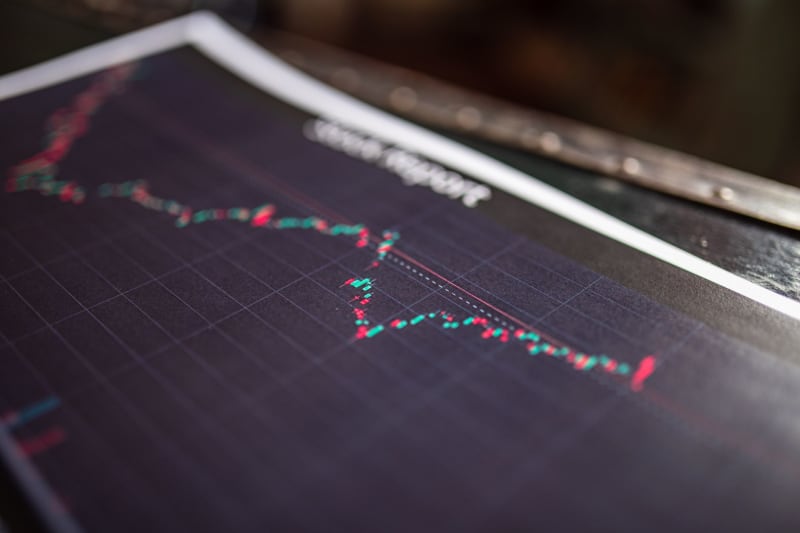
- Emerging economic indicators and historical market cycles are converging to signal a heightened risk of a significant stock market correction or crash occurring as early as June.
- Key factors contributing to this potential downturn include persistent inflation, rising interest rates, geopolitical instability, and a potential slowdown in corporate earnings growth, creating a precarious market environment.
- Investors are urged to review their risk exposure and consider defensive strategies to mitigate potential losses, as the confluence of these negative forces presents a serious threat to portfolio values in the near term.
- While predicting market timing is inherently uncertain, the current combination of macroeconomic headwinds and specific technical signals suggests that June could be a critical month for market participants to monitor closely.
- Understanding the underlying causes and potential ramifications of such a downturn is crucial for making informed decisions and navigating the anticipated market turbulence effectively.
- The potential for a sharp decline underscores the importance of diversification and risk management, principles that become paramount when the market faces significant headwinds and uncertainty.
The Human Face of Market Volatility
The specter of a stock market crash looms large, threatening to erode the hard-earned savings of millions of individuals. For retirees relying on their investments to fund their golden years, a sudden downturn could mean a drastic reduction in their living standards, forcing difficult choices about expenses and lifestyle. Young investors, who have been diligently contributing to their retirement accounts, might see years of growth wiped out, potentially delaying major life milestones like buying a home or starting a family. The psychological toll of watching one's financial future diminish rapidly can be immense, leading to anxiety, stress, and a loss of confidence in the financial system.
Small business owners and entrepreneurs often tie their personal wealth directly to their company's stock performance or rely on market liquidity for expansion and operational needs. A market crash can dry up funding sources, making it difficult to secure loans or attract new investment, potentially leading to layoffs, reduced operations, or even business failure. This ripple effect extends to employees who may face job insecurity or wage stagnation. The broader economic impact includes reduced consumer spending as confidence wanes, creating a challenging environment for businesses across all sectors, amplifying the human cost beyond individual investors.
The interconnectedness of the global economy means that a significant market downturn in one major region can have far-reaching consequences. International investors may face substantial losses, impacting pension funds and sovereign wealth funds that support public services and national economies. Developing economies, often more vulnerable to external shocks, could experience capital flight and currency depreciation, exacerbating existing economic challenges and hindering development progress. The ripple effects of market instability underscore the need for global cooperation and robust financial regulations to protect vulnerable populations and ensure systemic stability.
How We Arrived at This Juncture
The current economic landscape is a complex tapestry woven from threads of persistent inflation, aggressive monetary tightening, and lingering geopolitical tensions. Central banks worldwide have been engaged in a delicate balancing act, attempting to curb rising prices without triggering a severe recession. The rapid increase in interest rates, designed to cool demand, has simultaneously increased borrowing costs for businesses and consumers, potentially dampening economic activity and corporate profitability. This aggressive policy shift, while necessary to combat inflation, introduces significant uncertainty and raises the probability of an economic downturn, impacting asset valuations across the board.
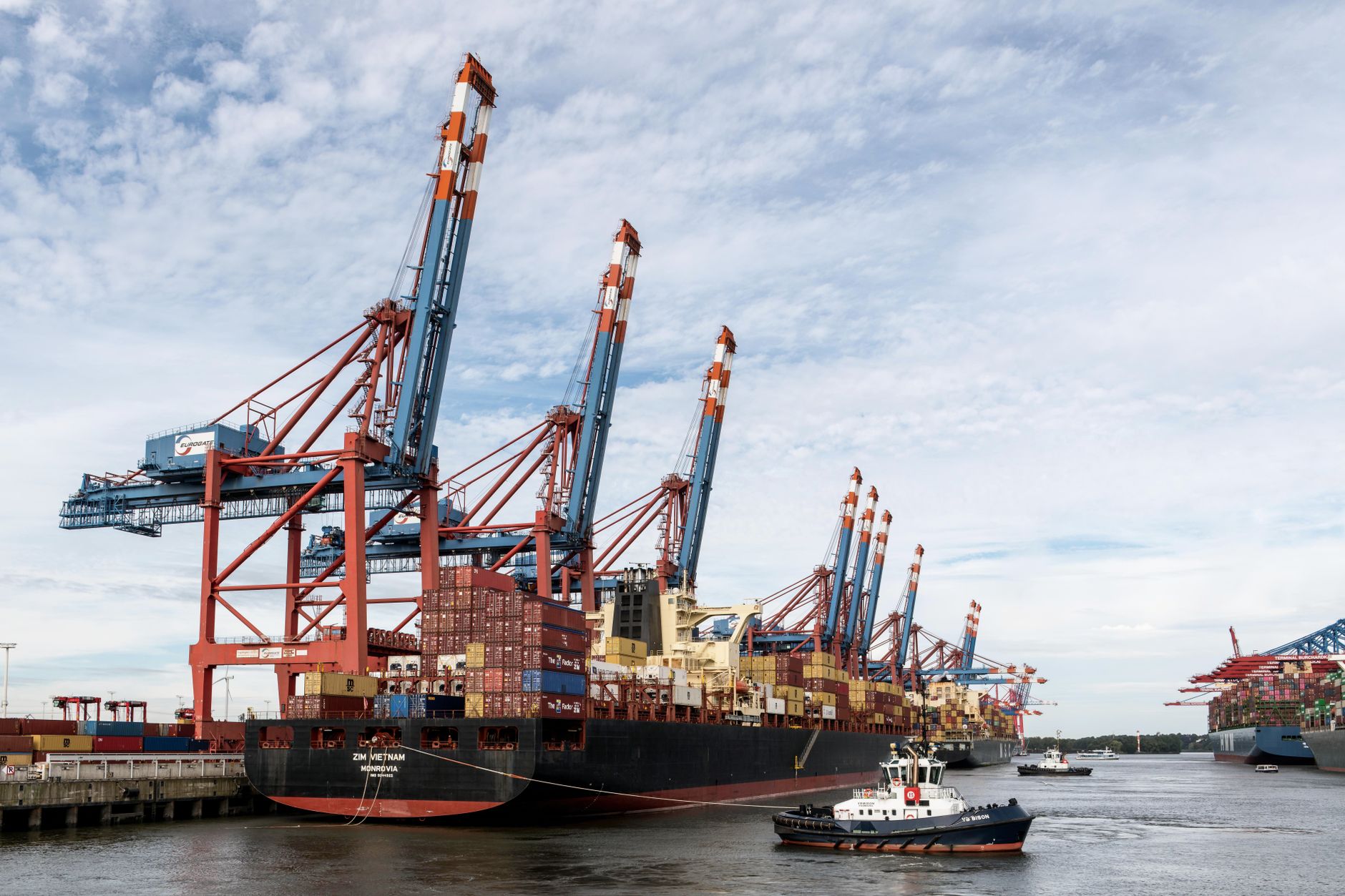
Geopolitical events, from ongoing conflicts to trade disputes, continue to inject volatility into global markets. Supply chain disruptions, exacerbated by these tensions, contribute to inflationary pressures and create unpredictability for businesses reliant on international trade. The energy markets, in particular, remain susceptible to supply shocks, influencing inflation and corporate costs. Furthermore, the uncertainty surrounding future political developments and potential policy shifts creates a risk premium, making investors more cautious and prone to reducing their exposure to riskier assets like equities during periods of heightened global instability.
The post-pandemic economic recovery has been uneven, characterized by a surge in demand met by constrained supply, fueling inflation. While some sectors have shown remarkable resilience, others are struggling with the transition to a new economic normal. Corporate earnings, a key driver of stock prices, are facing headwinds from rising input costs, labor shortages, and softening consumer demand. The forward-looking nature of the stock market means that investors are already pricing in potential future challenges, leading to increased volatility and a greater sensitivity to negative news or economic data releases, setting the stage for potential sharp corrections.
Why This Cannot Be Ignored
The potential for a stock market crash in June is not merely an abstract financial concern; it represents a tangible threat to the economic well-being of millions. A significant market downturn can trigger widespread job losses as companies facing reduced revenues and access to capital are forced to cut costs. Retirement nest eggs, painstakingly built over decades, could be decimated, leaving individuals and families facing financial hardship and uncertainty in their later years. The psychological impact of such a shock can be profound, eroding consumer confidence and potentially leading to a prolonged period of economic stagnation as individuals and businesses adopt a highly risk-averse stance.
Beyond individual portfolios, a market crash can have systemic implications for the broader economy. Banks and financial institutions may face significant losses, potentially leading to a credit crunch that restricts lending and stifles business investment and growth. Governments might be forced to intervene with costly bailout packages or stimulus measures, increasing national debt and potentially leading to higher taxes or reduced public services in the future. The interconnectedness of global financial markets means that a crash in one major economy can quickly spread, creating a domino effect that impacts international trade, investment flows, and economic stability worldwide.
Ignoring the warning signs of an impending market correction is a perilous strategy that can lead to irreversible financial damage. The speed at which markets can decline during a crisis often leaves little time for investors to react, making proactive preparation essential. Understanding the current economic indicators, historical precedents, and potential catalysts for a downturn empowers individuals and institutions to implement risk management strategies before the situation becomes critical. This foresight is not about predicting the future with certainty, but about acknowledging the heightened risks and taking prudent steps to safeguard assets and financial stability.
Navigating the Potential Storm
For individual investors, the immediate priority should be a thorough review of their portfolio's risk exposure. This involves assessing the allocation across different asset classes, such as stocks, bonds, real estate, and cash, and identifying any overconcentration in high-risk sectors. Diversification remains a cornerstone of risk management, and investors should ensure their holdings are spread across various industries, geographies, and company sizes to mitigate the impact of sector-specific downturns. Rebalancing the portfolio to reduce equity exposure and increase holdings in more stable assets like government bonds or high-quality corporate debt could provide a buffer against market declines.
For businesses, the focus must shift towards strengthening financial resilience and operational flexibility. This includes bolstering cash reserves, renegotiating supplier contracts to secure better terms or alternative sources, and stress-testing financial models under various adverse economic scenarios. Companies should also prioritize clear and transparent communication with stakeholders, including employees, customers, and investors, to manage expectations and maintain confidence during uncertain times. Proactive cost management and a strategic approach to capital expenditure can help businesses weather economic storms and emerge stronger.
Policymakers face the challenge of navigating a complex economic environment, balancing the need to control inflation with the imperative to avoid a severe recession. This may involve carefully calibrated monetary policy adjustments, targeted fiscal support for vulnerable sectors or populations, and diplomatic efforts to de-escalate geopolitical tensions. International cooperation will be crucial in addressing global economic challenges, ensuring financial stability, and fostering a sustainable recovery. The effectiveness of these policy responses will significantly influence the trajectory of the market and the broader economy in the coming months.

Questions People Are Actually Asking
What to Watch Closely
- Monitor upcoming inflation reports (CPI, PPI) and central bank statements for clues on future interest rate policy, as further hikes could accelerate economic slowdown.
- Keep a close eye on corporate earnings calls and guidance for signs of deteriorating profit margins and weakening demand across key economic sectors.
- Track geopolitical developments and their potential impact on energy prices, supply chains, and global trade, as these can quickly influence market sentiment.
- Observe consumer confidence surveys and retail sales data for indications of shifts in spending behavior, which are critical drivers of economic growth.
- Analyze the performance of bond markets, particularly yield curve movements, as they can offer leading signals about investor expectations for economic growth and inflation.
- Pay attention to major economic policy announcements from governments and international bodies that could significantly alter the economic landscape or market conditions.












Comments
No comments yet. Be the first to comment!