

The Story in Brief
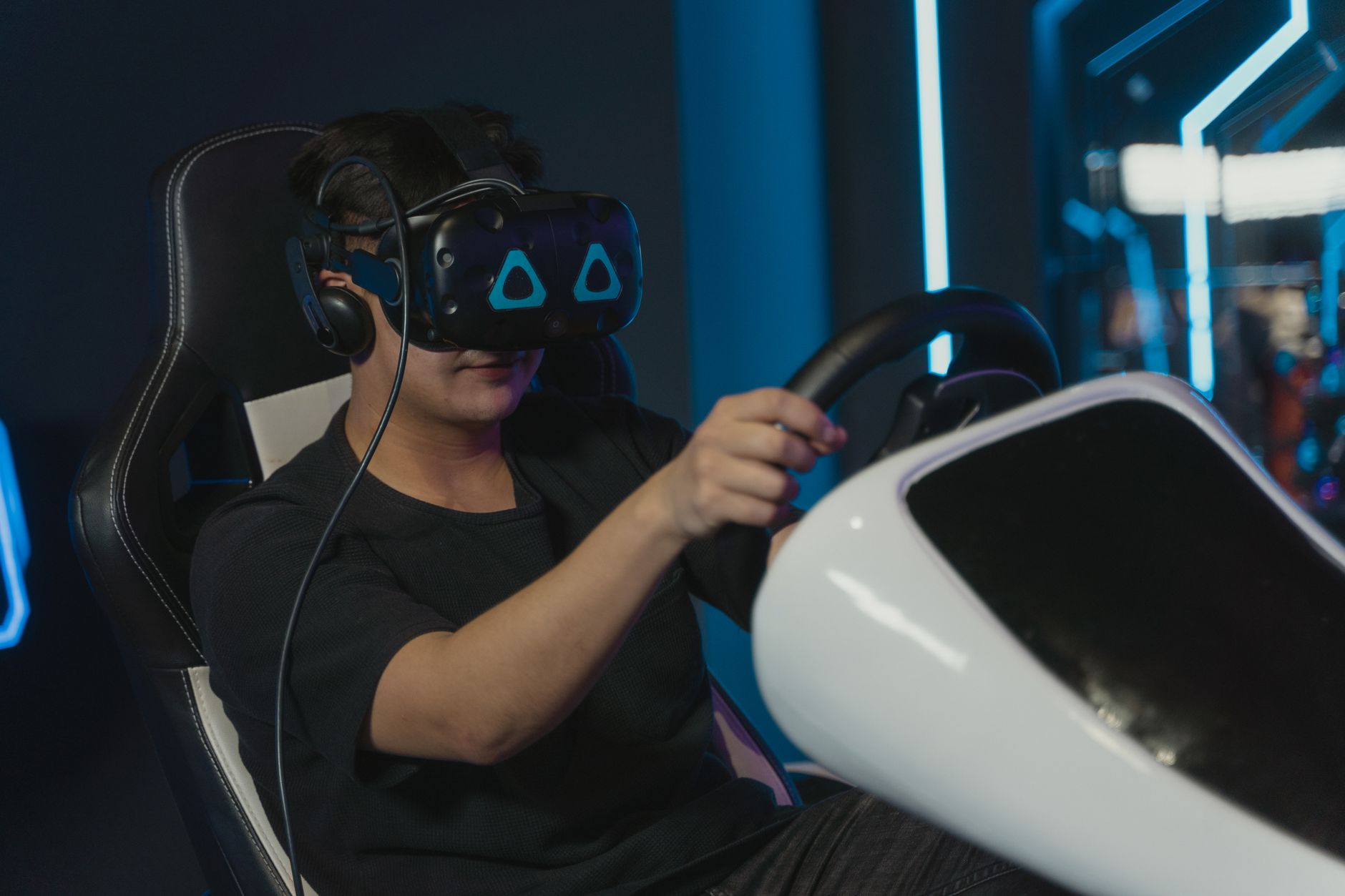
- IMSA has officially unveiled the comprehensive schedule and crucial qualifying information for the highly anticipated 2026 IMSA Esports Global Championship, setting the stage for an intense season of virtual racing.
- The championship will feature a multi-stage qualification process, ensuring that only the most skilled and consistent sim racers earn a coveted spot on the grid for the main event.
- Competitors will battle across a diverse range of iconic virtual tracks, mirroring the challenging and prestigious circuits found in real-world IMSA racing, demanding adaptability and mastery from every participant.
- Significant prize pools and the prestige of an official IMSA title are on the line, elevating the championship to one of the most important events in the global sim racing calendar.
- Detailed regulations regarding car classes, team structures, and fair play have been released, emphasizing IMSA's commitment to a competitive and equitable environment for all participants.
- This announcement marks a pivotal moment for the burgeoning world of esports, further solidifying the integration of virtual racing into the mainstream motorsport landscape and attracting a global audience.
The Human Face
For many aspiring sim racers, the IMSA Esports Global Championship represents more than just a competition; it's a dream. The opportunity to compete on a global stage, under the prestigious IMSA banner, offers a pathway to recognition and potentially even a career in professional esports. Hours of practice, meticulous setup adjustments, and countless laps are poured into this pursuit, often in isolation, driven by a shared passion for motorsport and the thrill of virtual competition. This championship provides a tangible goal, transforming solitary practice into a collective journey towards glory.
The human element extends beyond the drivers themselves to the dedicated teams and communities that form around them. From strategists poring over telemetry data to engineers fine-tuning virtual car setups, a support network is often crucial for success. Friends, family, and fellow enthusiasts gather to watch, cheer, and analyze, creating a vibrant ecosystem that mirrors the camaraderie and rivalry of traditional motorsport. This collective engagement highlights the social dimension of esports, fostering connections and shared experiences that transcend geographical boundaries.
However, the intense pressure and high stakes also bring significant challenges. The mental fortitude required to perform under the spotlight, the relentless pursuit of perfection, and the inevitable disappointments can take a toll. Yet, it is precisely this crucible of competition that forges champions, pushing individuals to their absolute limits. The stories of triumph and heartbreak, of dedication rewarded and lessons learned, are what ultimately resonate with fans, making the IMSA Esports Global Championship a compelling narrative of human endeavor in the digital age.
How We Got Here
The journey to the 2026 IMSA Esports Global Championship has been a carefully orchestrated evolution, building upon years of growing interest and investment in virtual motorsport. IMSA, recognizing the immense potential of esports to engage new audiences and complement its real-world racing series, has progressively expanded its digital footprint. Initial forays into sim racing events demonstrated a clear appetite from both competitors and fans, laying the groundwork for a more structured and ambitious global championship. This strategic expansion reflects a broader trend within professional sports to embrace digital platforms as a vital component of brand engagement and fan interaction.
Key partnerships with leading simulation platforms and technology providers have been instrumental in elevating the realism and competitive integrity of IMSA's esports offerings. These collaborations ensure that the virtual racing experience closely mirrors the authentic challenges and nuances of actual IMSA competition, from vehicle physics to track dynamics. Furthermore, lessons learned from previous esports initiatives, including feedback from drivers and spectators, have been meticulously integrated into the planning for the 2026 championship, refining rules, formats, and broadcast presentations to create a truly world-class event. The commitment to authenticity and continuous improvement has been a cornerstone of this development.
The decision to establish a dedicated Global Championship for 2026 underscores IMSA's long-term vision for esports. It signifies a move beyond ad-hoc events towards a fully integrated, premier series that stands alongside its traditional racing calendar. This commitment is not merely about replicating physical races virtually but about creating a distinct and compelling competitive ecosystem that attracts top-tier talent and captivates a global audience. The detailed schedule and rigorous qualifying structure are direct results of this strategic pivot, designed to ensure the championship's prestige and competitive depth from its inaugural season.
Why This Cannot Be Ignored
The launch of the 2026 IMSA Esports Global Championship is a monumental development that cannot be overlooked, signaling a profound shift in the landscape of both motorsport and competitive gaming. This isn't just another online race; it's a meticulously planned, high-stakes competition backed by one of the most respected names in real-world endurance racing. Its significance lies in its potential to bridge the gap between traditional motorsport fans and the rapidly expanding esports audience, introducing the thrill and strategy of IMSA racing to a new generation of enthusiasts who might otherwise not engage with the sport. The championship serves as a powerful gateway, converting virtual passion into tangible engagement with the IMSA brand and its partners.
Economically, the championship represents a substantial investment and a burgeoning market. With significant prize pools, sponsorship opportunities, and a global broadcast reach, it will drive revenue and create new professional avenues for sim racers, content creators, and technical support staff. The infrastructure required to support such an event, from high-performance simulation hardware to sophisticated broadcasting setups, further stimulates technological innovation within the esports sector. This financial injection and job creation underscore the championship's role as a significant economic contributor, extending far beyond the virtual track itself and impacting multiple industries.
Beyond the immediate competitive and economic impacts, the 2026 IMSA Esports Global Championship plays a crucial role in shaping the future narrative of motorsport. It legitimizes sim racing as a serious discipline, demanding the same level of dedication, skill, and strategic thinking as its real-world counterpart. This recognition fosters a deeper appreciation for the complexities of racing, making the sport more accessible and relatable to a diverse global audience. Ignoring this championship means missing a critical opportunity to understand the evolving dynamics of sports entertainment and the powerful convergence of digital and physical competitive arenas.
Possible Paths Forward
The success of the 2026 IMSA Esports Global Championship could pave the way for several exciting developments in the future of virtual motorsport. One clear path involves an even deeper integration between the virtual and physical racing worlds. This could manifest as more opportunities for top esports drivers to test real-world cars, or even participate in development programs with actual IMSA teams. Imagine a scenario where a dominant esports champion earns a seat in a GTD Pro car for a special event, blurring the lines between simulation and reality and creating compelling crossover narratives that captivate both traditional and digital fanbases. This would not only elevate the prestige of esports but also provide an unprecedented career progression for virtual athletes.
Another potential trajectory involves the expansion of the championship format itself. Future iterations could introduce new car classes, expand to a broader range of international tracks, or even incorporate team-based endurance racing formats that mirror the pinnacle of IMSA's real-world events, such as the Rolex 24 at Daytona. Furthermore, the development of advanced analytics and AI-driven coaching tools could become standard, offering competitors unparalleled insights into their performance and strategies. This continuous evolution would ensure the championship remains fresh, challenging, and at the forefront of sim racing innovation, attracting new talent and maintaining fan engagement.
Finally, the championship's growth could lead to a more formalized global talent pipeline. This would involve regional qualifying series, academies for promising young sim racers, and structured pathways for progression, much like traditional motorsport ladders. Such a system would democratize access to high-level competition, ensuring that talent, rather than just resources, dictates success. This focus on nurturing talent from the grassroots up would solidify the IMSA Esports Global Championship as a premier destination for virtual racing careers, fostering a sustainable ecosystem that continually produces the next generation of esports stars and further cementing IMSA's leadership in the digital motorsport space.
Questions People Are Actually Asking
What to Watch
- Keep a close eye on the official IMSA esports website for any updates or amendments to the schedule and qualifying rules, as these are critical for all potential competitors.
- Monitor the performance of established sim racing teams and individual drivers in preliminary events, as they are likely to be strong contenders for the championship title.
- Watch for announcements regarding broadcast partners and streaming platforms, ensuring you know where to tune in for live race coverage and post-race analysis.
- Pay attention to the chosen car classes and tracks; mastering these specific combinations will be key to success and will highlight which drivers possess the most versatile skills.
- Observe the evolving strategies employed by top teams, particularly in endurance-style races, as pit stop timing, tire management, and driver changes will be crucial differentiators.
- Look out for emerging talent from less-known regions, as global championships often serve as a platform for new stars to make their mark and challenge the established order in virtual racing.
















Comments
No comments yet. Be the first to comment!