
Policy Snapshot
- A monumental $6.4 billion in new financial commitments was announced by global leaders, governments, and philanthropic organizations, specifically targeting critical ocean conservation and sustainable marine resource management initiatives worldwide.
- The conference, hosted for the first time on the African continent in a significant geographical shift, emphasized the unique challenges and opportunities faced by African coastal nations in protecting their vast marine territories.
- Key policy pledges focused on expanding marine protected areas (MPAs), with several nations committing to designate new zones or increase the coverage of existing ones, aiming to safeguard biodiversity hotspots and fragile ecosystems.
- Significant investments were directed towards combating marine plastic pollution, including funding for innovative waste management solutions, circular economy initiatives, and public awareness campaigns to reduce single-use plastics.
- Commitments also highlighted the urgent need for sustainable fisheries management, promoting practices that ensure long-term ecological health of fish stocks while supporting the livelihoods of millions dependent on marine resources.
- Discussions and pledges underscored the critical nexus between ocean health and climate change, with initiatives aimed at enhancing coastal resilience, restoring blue carbon ecosystems, and mitigating ocean acidification impacts.
- The conference fostered unprecedented collaboration between governments, international organizations, civil society, and the private sector, demonstrating a collective global resolve to address the multifaceted threats facing our oceans.
The Policy History
The Our Ocean Conference series, initiated in 2014 by then-U.S. Secretary of State John Kerry, has evolved into a pivotal global platform for leaders to make significant commitments toward ocean conservation and sustainable marine practices. These annual gatherings have consistently mobilized billions of dollars and hundreds of concrete actions, addressing critical issues such as marine pollution, climate change impacts on oceans, unsustainable fishing, and the need for expanded marine protected areas. Each conference builds upon previous successes, fostering a collaborative environment where governments, civil society, and the private sector converge to tackle the escalating threats facing our planet's most vital ecosystem. The continuity of these high-level dialogues underscores a growing international recognition of the ocean's indispensable role in global climate regulation, food security, and economic prosperity.
This year's conference marked a historic milestone by being the first to be hosted on African soil, a deliberate choice that spotlights the continent's immense marine biodiversity, extensive coastlines, and the profound dependence of its communities on ocean resources. Africa possesses a vast "blue economy" potential, yet it also confronts unique vulnerabilities, including illegal fishing, coastal erosion, and the disproportionate impacts of climate change on its marine environments. The decision to bring the conference to Africa aimed to amplify the voices of African nations, integrate their specific challenges and solutions into the global ocean agenda, and catalyze regional investment in sustainable blue growth initiatives. This geographic shift represents a crucial step towards ensuring that ocean conservation efforts are truly inclusive and globally representative.
The backdrop to this conference is one of increasing urgency. Scientific reports consistently highlight the accelerating degradation of marine ecosystems worldwide, from coral bleaching events and species extinction to the pervasive spread of plastic pollution and the acidification of ocean waters. These threats jeopardize not only marine life but also the livelihoods of billions of people, particularly those in coastal communities who rely directly on healthy oceans for food, income, and protection. The $6.4 billion commitment, therefore, arrives at a critical juncture, signaling a renewed global determination to reverse these alarming trends and implement scalable solutions before irreversible damage is inflicted upon our shared marine heritage.
Who Is Affected
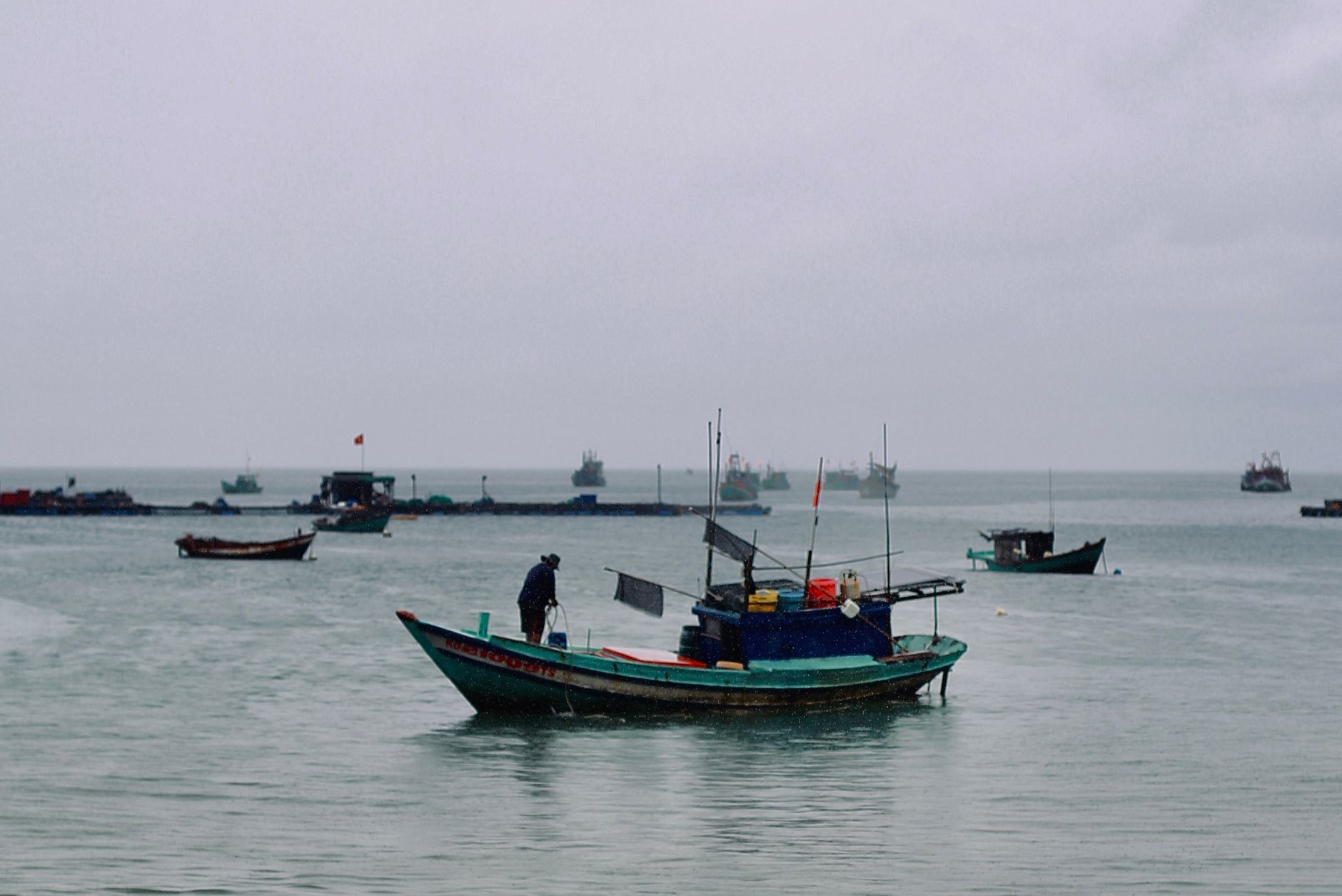
The health of our oceans directly impacts billions, particularly the estimated 3 billion people globally who rely on marine and coastal biodiversity for their livelihoods. Coastal communities, especially in developing nations, are profoundly affected by ocean degradation, facing reduced fish stocks, contaminated waters, and the destruction of protective natural barriers like coral reefs and mangroves. These communities often depend on artisanal fishing for sustenance and income, making them highly vulnerable to overfishing, illegal fishing practices, and the impacts of climate change such as sea-level rise and extreme weather events. The commitments made at the conference aim to bolster the resilience of these populations, ensuring their continued access to vital marine resources and safeguarding their cultural heritage tied to the sea.
Beyond direct human impact, the entire spectrum of marine biodiversity stands to gain or suffer from the success or failure of these ocean conservation efforts. From microscopic plankton forming the base of the food web to majestic whales, every species plays a role in the intricate balance of marine ecosystems. Pollution, habitat destruction, and climate change disrupt these delicate balances, leading to species decline, ecosystem collapse, and a significant loss of biodiversity. The $6.4 billion in pledges targets these threats directly, funding initiatives that establish and manage marine protected areas, restore critical habitats, and mitigate pollution, thereby offering a crucial lifeline to countless species on the brink. The ripple effects of a healthier ocean environment extend far beyond its waters, influencing global climate patterns and atmospheric oxygen levels.
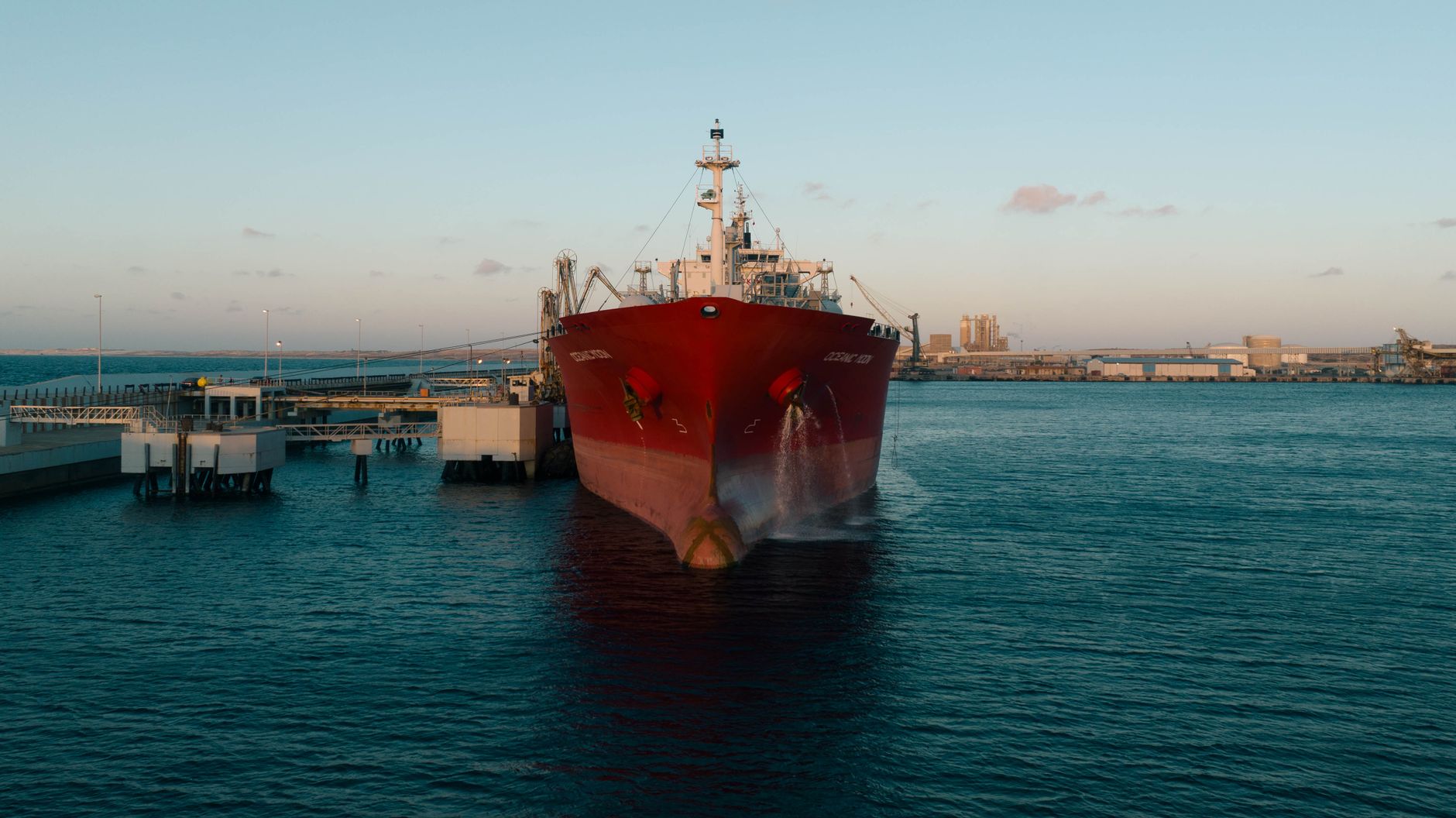
The global economy also has a significant stake in the future of the oceans. Industries such as fishing, tourism, shipping, and aquaculture collectively contribute trillions of dollars to the world's GDP and support millions of jobs. However, the long-term viability of these sectors is increasingly jeopardized by the deteriorating state of marine environments. Unsustainable practices and environmental degradation threaten the very resources upon which these industries depend, potentially leading to economic instability and job losses. The investments announced at the conference are designed to foster a sustainable blue economy, promoting practices that ensure economic growth while preserving ecological integrity. This forward-looking approach seeks to create a win-win scenario where both economic prosperity and environmental stewardship can thrive, benefiting current and future generations.
The Case For
The compelling case for robust ocean action is multifaceted, beginning with the undeniable economic benefits derived from a healthy marine environment. Oceans are not merely vast bodies of water; they are powerful economic engines, supporting industries ranging from fisheries and aquaculture to tourism and shipping. Investing in ocean conservation directly translates into sustainable economic growth, creating jobs, fostering innovation, and ensuring the long-term viability of these crucial sectors. For instance, well-managed marine protected areas can boost fish populations, leading to greater catches in adjacent waters, while ecotourism provides alternative, sustainable revenue streams for coastal communities. The $6.4 billion commitment represents a strategic investment in global prosperity, recognizing that environmental stewardship is a prerequisite for sustained economic development.
Furthermore, the oceans play an indispensable role in regulating the Earth's climate and supporting global biodiversity. They absorb a significant portion of anthropogenic carbon dioxide and heat, mitigating the worst effects of climate change, and produce over half of the oxygen we breathe. Protecting and restoring marine ecosystems, such as mangroves, salt marshes, and seagrass beds, enhances these natural carbon sinks, offering a powerful nature-based solution to climate change. These ecosystems also serve as critical nurseries and habitats for an astonishing array of marine life, safeguarding biodiversity that is essential for ecosystem resilience and human well-being. The pledges made at the conference are vital steps towards preserving these critical ecological functions, ensuring a stable climate and a thriving planet for future generations.
Finally, the urgency of ocean action is underscored by its direct link to global food security and public health. Seafood provides a primary source of protein for over 3 billion people worldwide, and the sustainability of these resources is paramount. Combating illegal, unreported, and unregulated (IUU) fishing, reducing marine pollution, and implementing science-based fisheries management are essential to maintain healthy fish stocks and secure food supplies. Moreover, healthy oceans contribute to human health by providing medicinal resources and regulating disease. The collective commitment of $6.4 billion signifies a global recognition that safeguarding our oceans is not just an environmental imperative but a fundamental pillar of human well-being, economic stability, and planetary health, demanding immediate and sustained investment.
The Case Against
While the $6.4 billion pledge is a significant step, the "case against" or rather, the critical challenges to effective ocean action, are substantial and cannot be overlooked. A primary concern revolves around the actual implementation and enforcement of these commitments. Historically, grand declarations and financial pledges at international conferences have often faced hurdles in translating into tangible, on-the-ground impact due to bureaucratic inefficiencies, lack of local capacity, and insufficient monitoring mechanisms. Without robust accountability frameworks and transparent reporting, there is a risk that a portion of these funds may not reach their intended targets or achieve their stated objectives, leading to a perception of 'greenwashing' rather than genuine progress. This calls for meticulous oversight and a commitment to measurable outcomes.
Another significant challenge lies in the persistent funding gap required to adequately address the scale of ocean degradation. While $6.4 billion is a substantial sum, it represents only a fraction of the estimated trillions needed annually to achieve global ocean sustainability goals, such as those outlined in SDG 14. Many developing nations, particularly those in Africa with vast coastlines and limited resources, struggle to finance essential conservation efforts, surveillance against illegal fishing, and adaptation to climate change impacts. The pledges, while welcome, must be viewed as catalytic investments that need to be significantly scaled up and sustained over the long term, requiring innovative financing mechanisms and greater private sector engagement. Without continuous and sufficient funding, even the most well-intentioned initiatives risk being under-resourced and ultimately ineffective.
Furthermore, geopolitical complexities and conflicting national interests often impede comprehensive ocean governance. Issues such as transboundary pollution, illegal fishing in international waters, and disputes over marine resource exploitation require unprecedented levels of international cooperation and political will. The enforcement of regulations in vast, remote ocean areas remains a daunting task, often hampered by limited naval patrols, inadequate satellite monitoring, and a lack of harmonized legal frameworks across different jurisdictions. Moreover, the economic pressures on nations to exploit marine resources, sometimes unsustainably, can override conservation imperatives. Overcoming these entrenched challenges demands not only financial investment but also sustained diplomatic efforts, strengthened international agreements, and a genuine commitment from all stakeholders to prioritize the long-term health of the ocean over short-term gains.
Policy Questions Answered
Implementation Watch
The true measure of success for the $6.4 billion in pledges will lie not in their announcement, but in their diligent and transparent implementation. Moving forward, the global community must maintain a vigilant "implementation watch" to ensure that these financial commitments translate into tangible, positive impacts on marine ecosystems and coastal communities. This requires establishing clear benchmarks, robust reporting mechanisms, and independent oversight bodies capable of tracking progress and identifying bottlenecks. Without a rigorous framework for accountability, there is a risk that the momentum generated by this historic conference could dissipate, leaving critical ocean challenges unaddressed. The focus must now shift from pledges to performance, with a relentless pursuit of measurable outcomes.
A critical aspect of implementation watch will involve empowering local communities and indigenous groups, who are often the frontline stewards of marine resources. Their traditional knowledge and direct dependence on ocean health make them invaluable partners in conservation efforts. Ensuring that funds and initiatives are designed with their input and benefit them directly will be paramount to achieving sustainable outcomes. Furthermore, fostering greater collaboration between governments, scientific institutions, the private sector, and civil society organizations is essential. This multi-stakeholder approach can leverage diverse expertise and resources, accelerate innovation, and build a stronger collective capacity to tackle complex marine issues that transcend national borders. The urgency of the situation demands a unified and coordinated global response.
Looking ahead, the Our Ocean Conference series will continue to serve as a vital platform for reviewing progress, recalibrating strategies, and mobilizing further action. The next host nations will bear the responsibility of assessing the impact of current pledges and pushing for even bolder commitments. The long-term outlook for ocean health hinges on sustained political will, continuous financial investment, and a global commitment to science-based decision-making. While the challenges are immense, the collective resolve demonstrated at the first African Our Ocean Conference offers a hopeful precedent. It underscores a growing understanding that the health of our oceans is inextricably linked to the well-being of humanity, making effective implementation not just an aspiration, but an absolute necessity for our shared future.















Comments
No comments yet. Be the first to comment!