

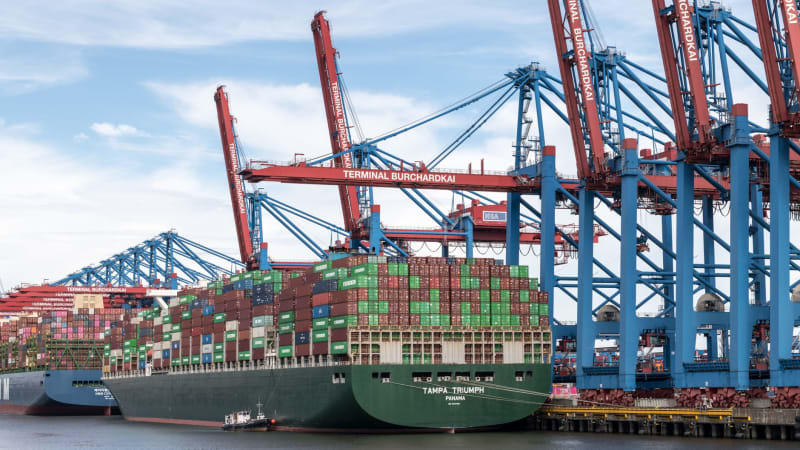
The Story in Brief
- Global trade faces unprecedented disruption as nations increasingly deploy tariffs, fundamentally altering established supply chains and raising costs for businesses and consumers worldwide.
- Intensified global scrutiny on human rights has brought forced labor practices into sharp focus, compelling companies to re-evaluate their entire supply chains for ethical compliance and transparency.
- Long-standing Free Trade Agreements (FTAs) are undergoing significant re-evaluation and renegotiation, signaling a potential shift towards more protectionist or regionally focused trade policies.
- Businesses are grappling with a complex and volatile regulatory environment, navigating new compliance demands, ethical sourcing dilemmas, and the imperative to adapt to rapidly changing market dynamics.
- Consumers are likely to experience the direct consequences of these trade shifts through higher prices for a wide array of imported goods and potentially reduced product availability.
- The confluence of these factors threatens to fragment global markets, hinder economic growth, and exacerbate geopolitical tensions, demanding strategic foresight from policymakers and industry leaders.
The Human Face
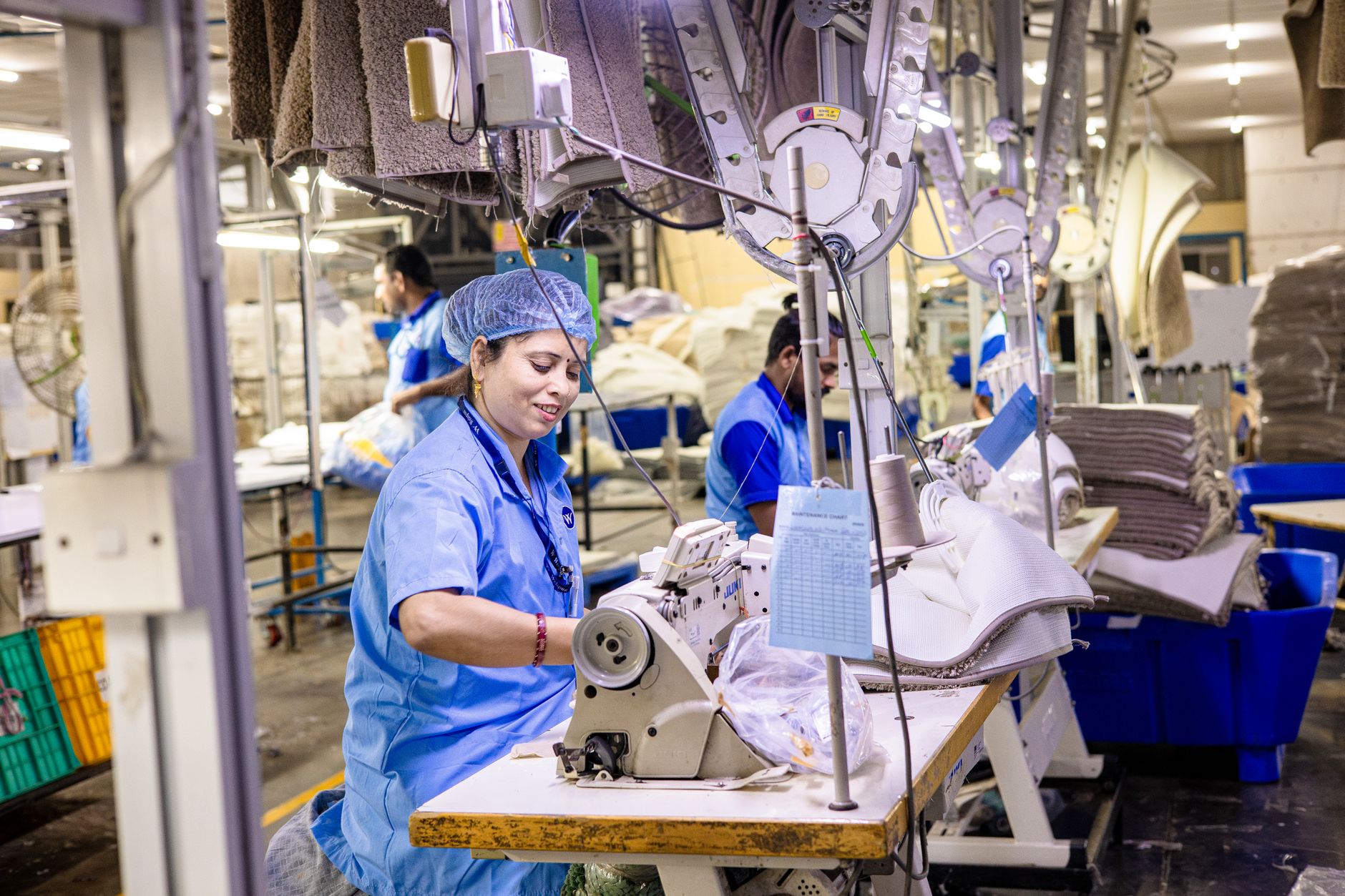
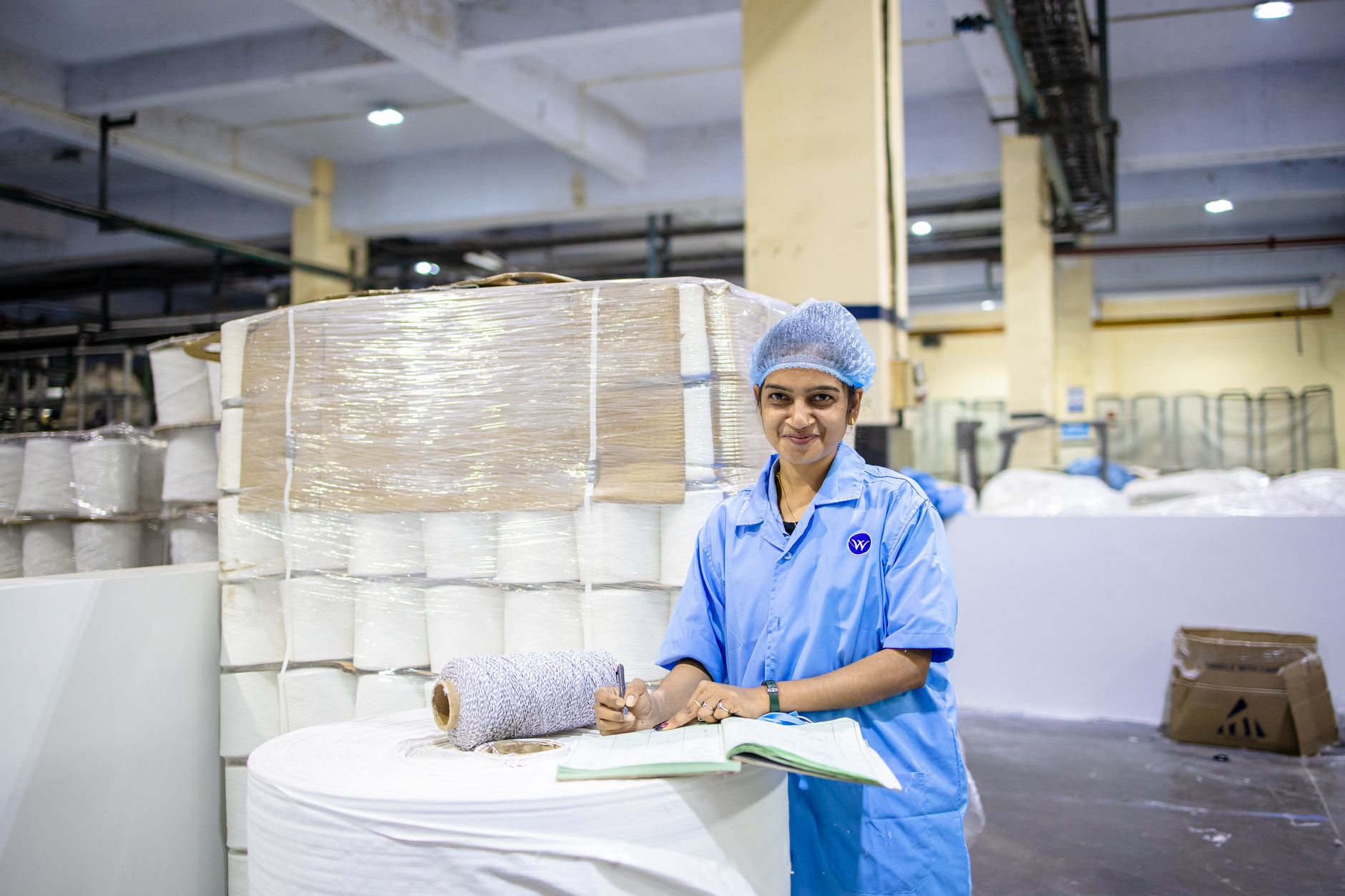
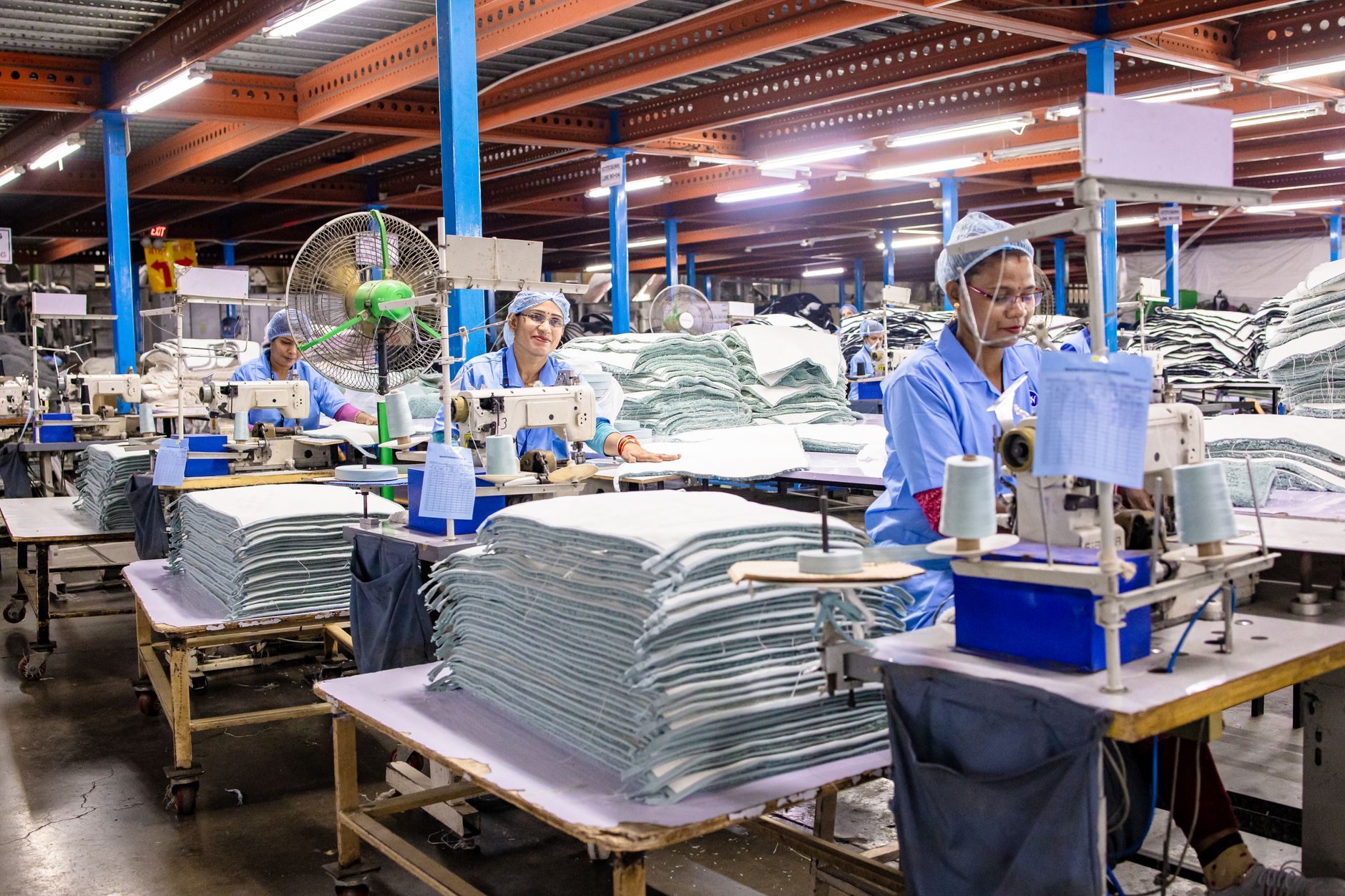
The human cost of these global trade shifts is palpable, directly impacting the livelihoods of countless individuals. Consider the textile worker in Southeast Asia, whose job security hangs precariously as new tariffs make their factory's exports less competitive in key Western markets. This uncertainty isn't just an economic statistic; it translates into sleepless nights, difficult choices about family expenses, and the gnawing fear of unemployment in communities heavily reliant on export-oriented industries. The ripple effect extends far beyond factory gates, destabilizing local economies and eroding the sense of stability for entire populations.
Simultaneously, consumers across developed nations are feeling the pinch as imported goods become more expensive. A parent budgeting for their children's school year might discover that essential items like electronics, clothing, or even everyday household goods now carry a higher price tag due to escalating tariffs. This erosion of purchasing power forces families to make difficult trade-offs, potentially sacrificing quality or quantity, thereby diminishing their overall quality of life. The promise of affordable global goods, once a cornerstone of modern consumerism, is now being challenged by these protectionist measures, creating a tangible burden on household finances.
Beyond economic strain, the specter of forced labor casts a dark shadow over global supply chains, implicating consumers and companies alike in deeply unethical practices. While many consumers strive to make ethical purchasing decisions, the opaque nature of some supply chains makes it incredibly difficult to ascertain the true origins and labor conditions of products. This dilemma places a moral burden on individuals and a significant reputational risk on brands, highlighting the urgent need for greater transparency and accountability throughout the entire production process. The human dignity of exploited workers demands a collective, decisive response from all stakeholders.
How We Got Here
The current surge in protectionist trade policies did not emerge in a vacuum; it represents a significant departure from decades of globalized economic integration. Fueled by rising nationalism, domestic political pressures to protect local industries, and growing concerns over national security, governments worldwide have increasingly weaponized tariffs as a strategic tool. This pivot away from free trade principles reflects a re-evaluation of economic sovereignty, with nations prioritizing internal stability and job creation over the efficiencies of an unfettered global marketplace. This shift began subtly but has accelerated, fundamentally reshaping the rules of international commerce.
Concurrently, the global spotlight on forced labor has intensified dramatically, driven by relentless advocacy from human rights organizations, investigative journalism, and growing consumer awareness. Revelations of egregious labor abuses in various sectors, from apparel to agriculture and technology, have forced companies and governments to confront the ethical quagmire embedded within complex global supply chains. International conventions, once aspirational, are now being more rigorously enforced, and national legislation, such as import bans on goods produced with forced labor, is becoming a powerful deterrent. This heightened scrutiny reflects a collective awakening to the moral imperative of ethical sourcing.
The landscape of Free Trade Agreements (FTAs) has also undergone a seismic shift, moving from expansion to critical re-evaluation and, in some cases, outright renegotiation or withdrawal. Many nations are questioning the perceived benefits and fairness of existing agreements, citing imbalances, inadequate environmental or labor protections, or a desire to reclaim greater national control over trade policy. This era of FTA introspection aims to craft agreements that are more aligned with contemporary national interests and values, potentially leading to a more fragmented, yet perhaps more equitable, system of international trade. The long-term implications for global economic stability remain uncertain.
Why This Cannot Be Ignored
These interwoven trade dynamics pose an existential threat to the stability and efficiency of global supply chains. Businesses, accustomed to predictable international trade routes and consistent regulatory frameworks, now face an unpredictable labyrinth of escalating tariffs, shifting trade agreements, and stringent ethical sourcing demands. This volatility translates directly into increased operational costs, logistical nightmares, and the constant risk of significant disruptions. The ability of companies to deliver goods reliably and affordably is severely compromised, impacting everything from manufacturing schedules to consumer availability and ultimately, global economic growth.
The ethical imperative to eradicate forced labor from global supply chains cannot be overstated. Beyond the severe human rights violations involved, companies found to be complicit face devastating reputational damage, crippling legal penalties, and widespread consumer boycotts. This issue transcends mere compliance; it strikes at the core values of corporate social responsibility and demands a fundamental re-engineering of how goods are sourced and produced. Ignoring this crisis not only perpetuates human suffering but also exposes businesses to unacceptable levels of risk in an increasingly conscious global marketplace.
The future of international cooperation and economic prosperity hinges on how nations navigate these complex trade challenges. The fragmentation of global markets due to protectionist measures and the breakdown of multilateral trade frameworks could stifle innovation, impede economic development, and escalate trade disputes into broader geopolitical confrontations. A stable, predictable, and fair global trading system is not merely an economic convenience; it is a foundational pillar for peace and shared prosperity among nations. The decisions made today will profoundly shape the geopolitical and economic landscape for decades to come.
Possible Paths Forward
Governments possess a critical opportunity to steer global trade towards more sustainable and equitable outcomes by adopting nuanced, targeted trade policies. Instead of broad, sweeping tariffs that often inflict collateral damage, policymakers could focus on specific industries or regions, employing precise measures to address legitimate national interests without unduly disrupting global markets. This approach necessitates robust economic analysis, transparent stakeholder engagement, and sophisticated diplomatic efforts to negotiate mutually beneficial terms and avoid retaliatory cycles. Such strategic precision could mitigate negative impacts while fostering a more resilient and adaptable global trading environment.
For businesses, the path forward demands proactive investment in cutting-edge supply chain auditing and transparency technologies. Merely reacting to crises is no longer sufficient; companies must actively map their entire supply chains, from raw materials to final product, leveraging blockchain and AI to ensure ethical sourcing and prevent forced labor. This commitment to radical transparency not only safeguards against reputational damage and legal repercussions but also builds profound consumer trust, creating a distinct competitive advantage. Ethical sourcing must evolve from a compliance checkbox to a core strategic imperative, embedding human rights into every facet of operations.
International organizations and trade blocs are uniquely positioned to champion the modernization and strengthening of existing Free Trade Agreements, transforming them into frameworks that truly reflect 21st-century values. This involves incorporating robust labor and environmental protections, digital trade provisions, and mechanisms for equitable dispute resolution. Collaborative efforts to update these agreements can foster more balanced and sustainable trade relationships, promoting shared economic growth while upholding universal human rights and ecological stewardship. Such multilateral engagement is crucial to prevent the fragmentation of global commerce and ensure a more inclusive and resilient international economic order.

Questions People Are Actually Asking
What to Watch
- Upcoming trade negotiations and summits: Closely monitor high-level discussions between major economic blocs and nations, as these will dictate future tariff regimes and the scope of new or revised trade agreements.
- New legislative proposals and enforcement actions: Pay attention to government initiatives targeting forced labor in supply chains, including import bans, due diligence laws, and penalties for non-compliance, which will significantly impact corporate responsibility.
- Consumer sentiment and purchasing trends: Observe how consumer awareness of ethical sourcing and price changes influences purchasing decisions, potentially shifting market demand towards more transparent and locally produced goods.
- Corporate earnings reports and supply chain disclosures: Analyze financial reports and public statements from companies, especially those heavily reliant on international trade, for insights into the financial impact of tariffs and their efforts to de-risk supply chains.
- Geopolitical developments and regional conflicts: Stay informed about global political events, as rising tensions or new alliances can swiftly alter trade relations, introduce new sanctions, or create unforeseen disruptions to global commerce.
- Innovations in supply chain technology: Track advancements in blockchain, AI, and other digital tools designed to enhance supply chain transparency, traceability, and ethical compliance, offering solutions to complex sourcing challenges.












Comments
No comments yet. Be the first to comment!