

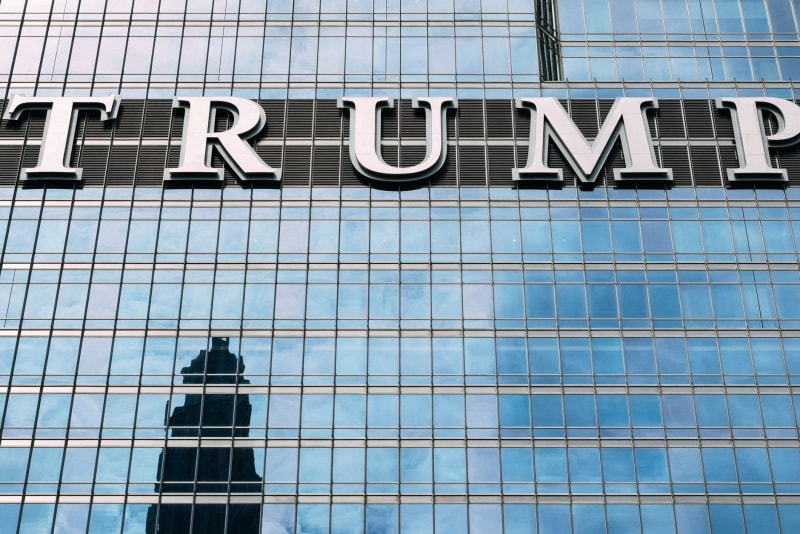
The Story in Brief
- The Trump administration has signaled its intent to implement a significant new round of tariffs, marking a potentially transformative shift in global trade policy.
- These sweeping tariffs are being considered against an unprecedented 60 trading partners, encompassing a vast portion of the world's economic landscape.
- The primary justification for these proposed tariffs stems from ongoing investigations into widespread allegations of forced labor practices within these nations' supply chains.
- Among the targeted nations are major economic powerhouses and key allies, including China, the United Kingdom, and the entire European Union bloc, indicating the broad scope of this policy.
- Analysts warn that this aggressive trade maneuver holds the potential to fundamentally reshape established global trade relations, fostering new alliances and deepening existing economic divides.
- This policy initiative is framed by the administration as a critical component of its broader commitment to upholding human rights globally, specifically targeting exploitative labor conditions.
The Human Face
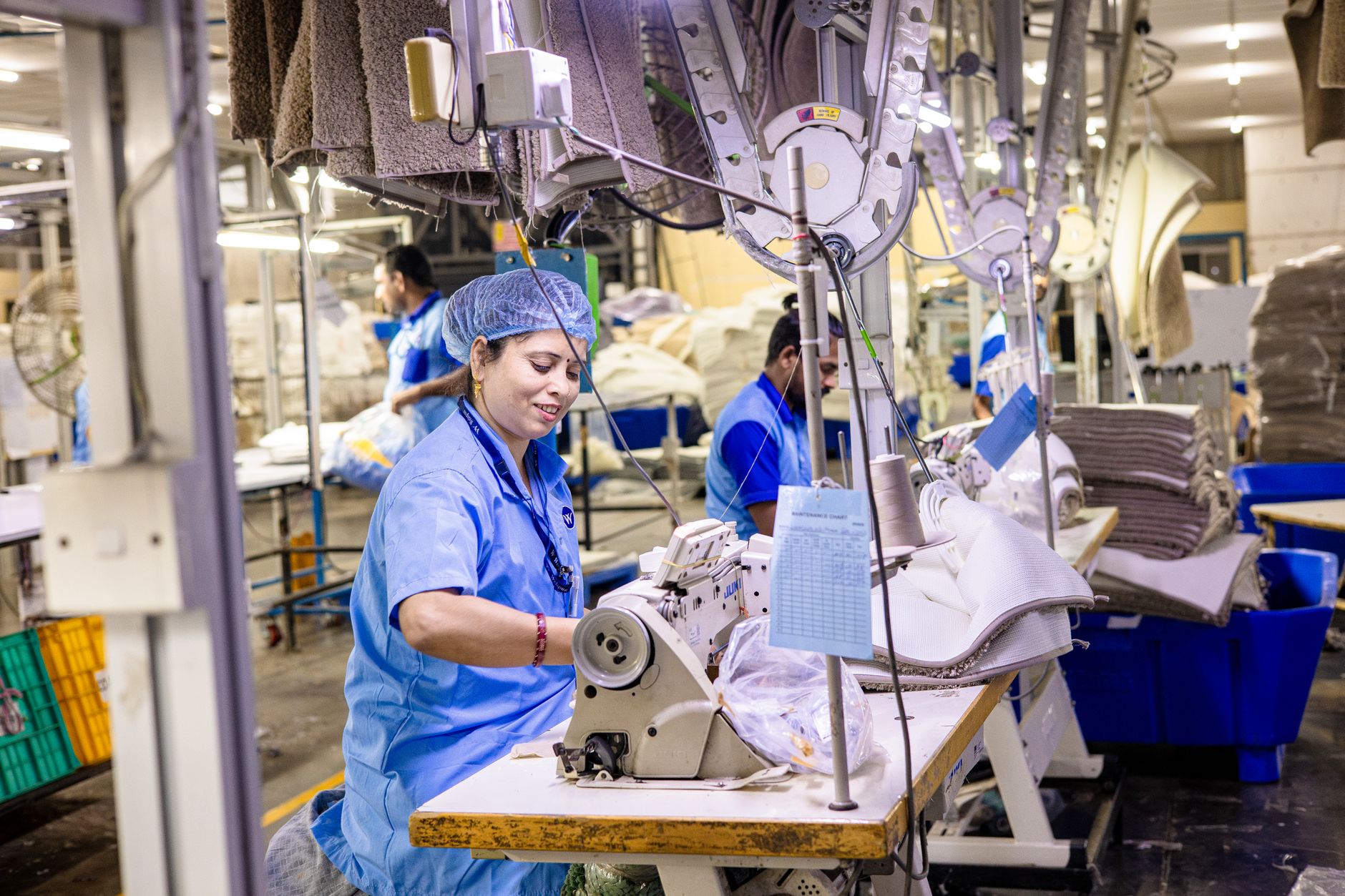
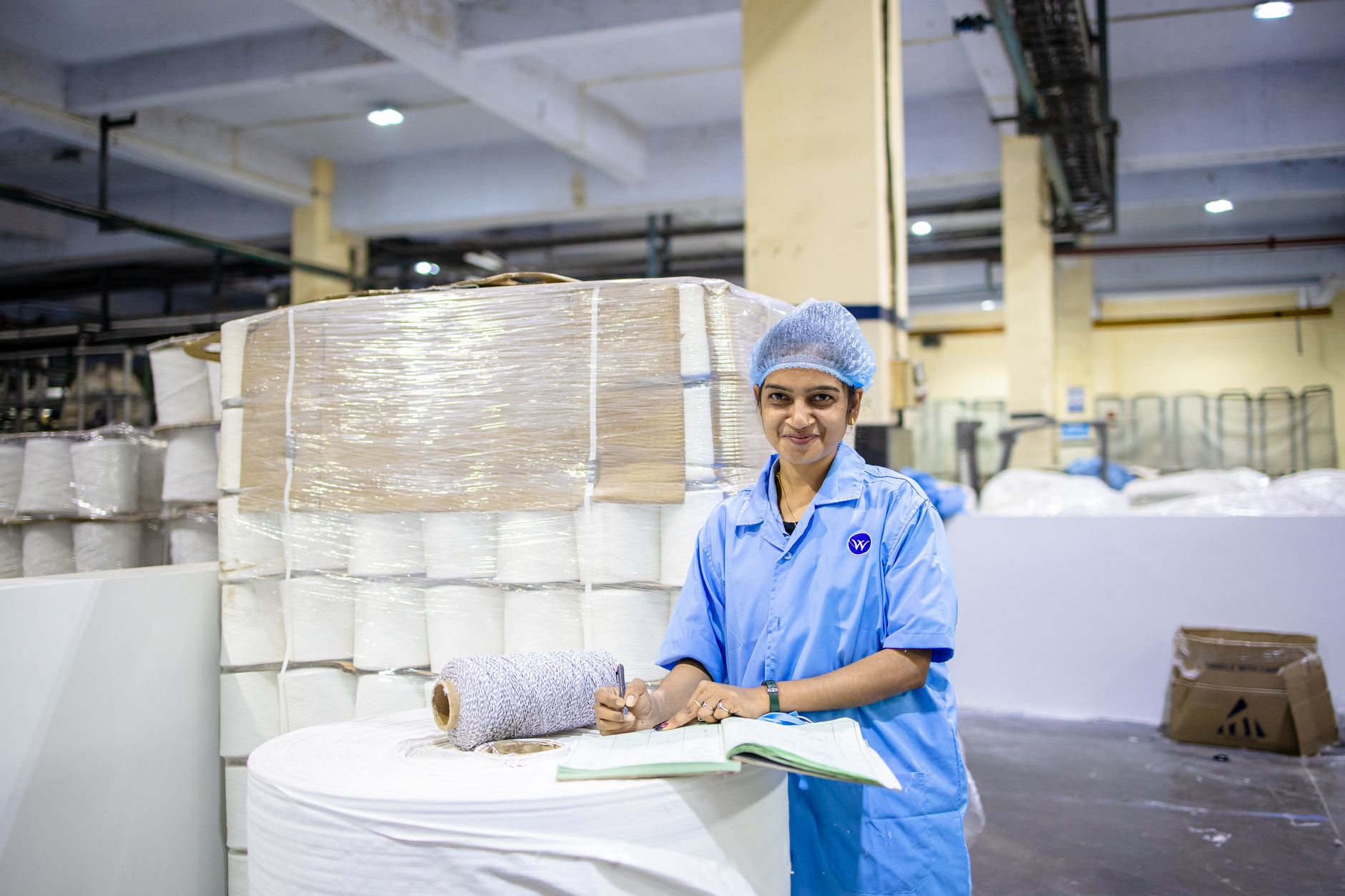
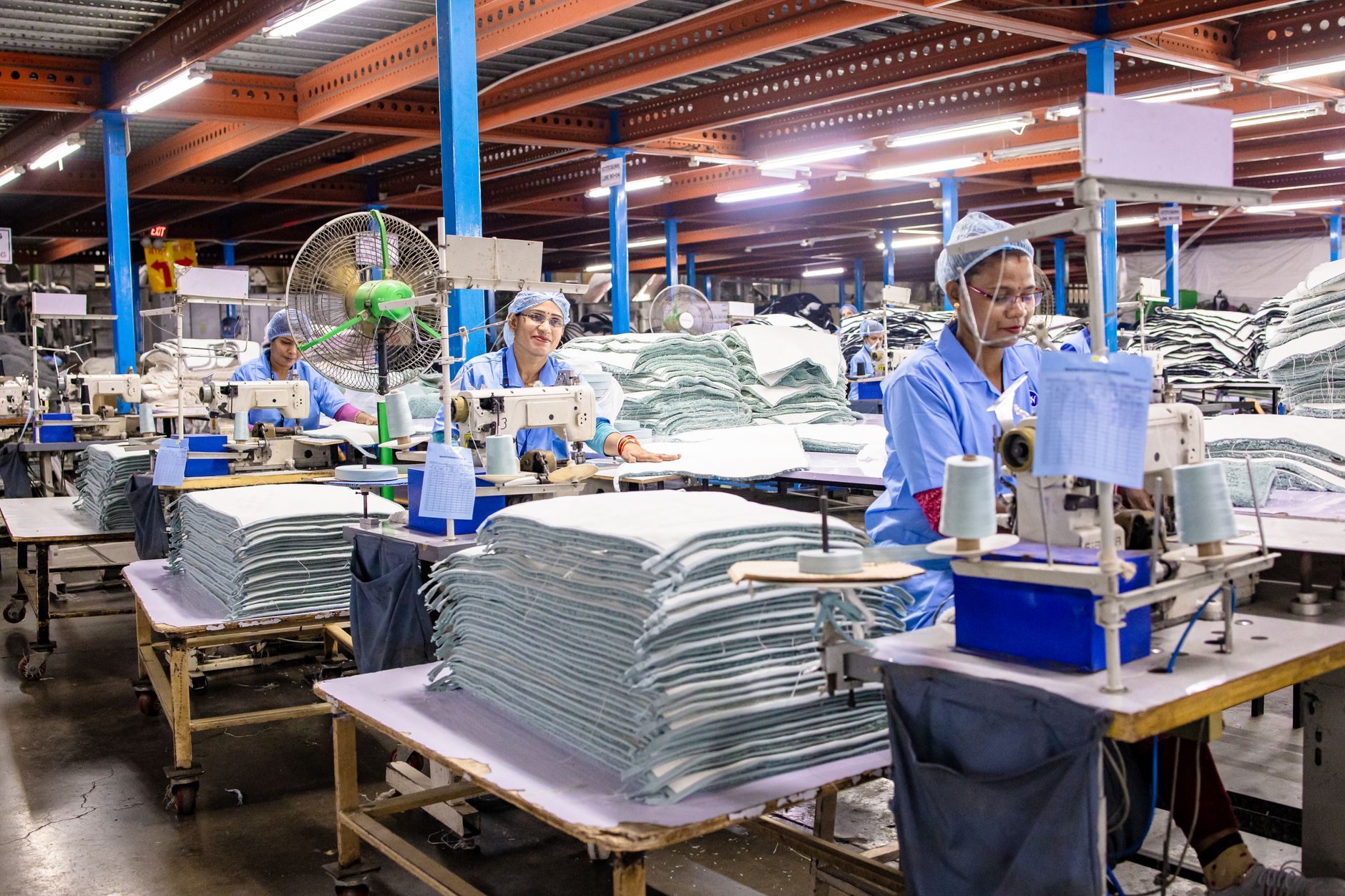
The specter of forced labor casts a long, dark shadow over global supply chains, impacting countless individuals whose fundamental human rights are systematically denied. Workers in various industries, from textiles to electronics, are often trapped in exploitative conditions, facing coercion, debt bondage, and even physical abuse. Their stories, though frequently silenced, highlight the urgent need for robust international oversight and corporate accountability. These individuals, often migrants or vulnerable populations, are at the mercy of opaque systems that prioritize profit over human dignity, making the trade implications of such policies deeply personal and profoundly ethical.
The human cost extends beyond direct exploitation. Families are torn apart, communities destabilized, and the promise of economic advancement turns into a nightmare of servitude. Children, in particular, are disproportionately vulnerable, often forced into hazardous work environments instead of receiving education, perpetuating cycles of poverty and injustice. Understanding these deeply personal narratives is crucial, as the abstract concept of "trade policy" directly translates into tangible suffering and the denial of basic freedoms for millions across the globe.
Furthermore, the pervasive presence of forced labor distorts fair competition, creating an unfair advantage for companies that benefit from such unethical practices. This undermines legitimate businesses striving for ethical sourcing and places immense pressure on global markets. When governments contemplate tariffs based on human rights violations, they are not just engaging in economic leverage; they are implicitly acknowledging the profound moral imperative to protect the most vulnerable and ensure that global commerce does not come at the expense of human dignity.
How We Got Here
The Trump administration has consistently prioritized an 'America First' trade policy, often employing tariffs as a primary tool to address perceived unfair trade practices and protect domestic industries. This approach has led to significant trade disputes, notably with China, over issues ranging from intellectual property theft to market access. The recent focus on forced labor as a justification for tariffs represents an evolution of this strategy, linking economic policy directly to human rights concerns. This shift is partly driven by increasing public awareness and advocacy regarding ethical sourcing and supply chain transparency, pushing governments to take more decisive action against exploitative labor practices globally.
Historically, the U.S. has utilized Section 307 of the Tariff Act of 1930 to prohibit the importation of goods made with forced labor. However, these actions were typically targeted at specific products or companies, offering a more surgical approach. The current proposal to impose broad tariffs across 60 nations signifies a dramatic departure from this, indicating a willingness to use economic leverage on an unprecedented scale to enforce human rights standards. This aggressive stance reflects a growing frustration with the perceived inadequacy of existing international mechanisms to combat widespread labor exploitation effectively.
The political landscape also plays a crucial role in this policy shift. With increasing scrutiny on corporate supply chains and growing consumer demand for ethically produced goods, administrations face pressure to demonstrate tangible action against abuses. This policy can be seen as an attempt to align trade policy with domestic values and international human rights commitments, albeit through a highly contentious economic instrument. The backdrop of geopolitical competition further complicates matters, as trade measures often become intertwined with broader strategic objectives, making the motivations behind such expansive tariff threats multi-layered.
Why This Cannot Be Ignored
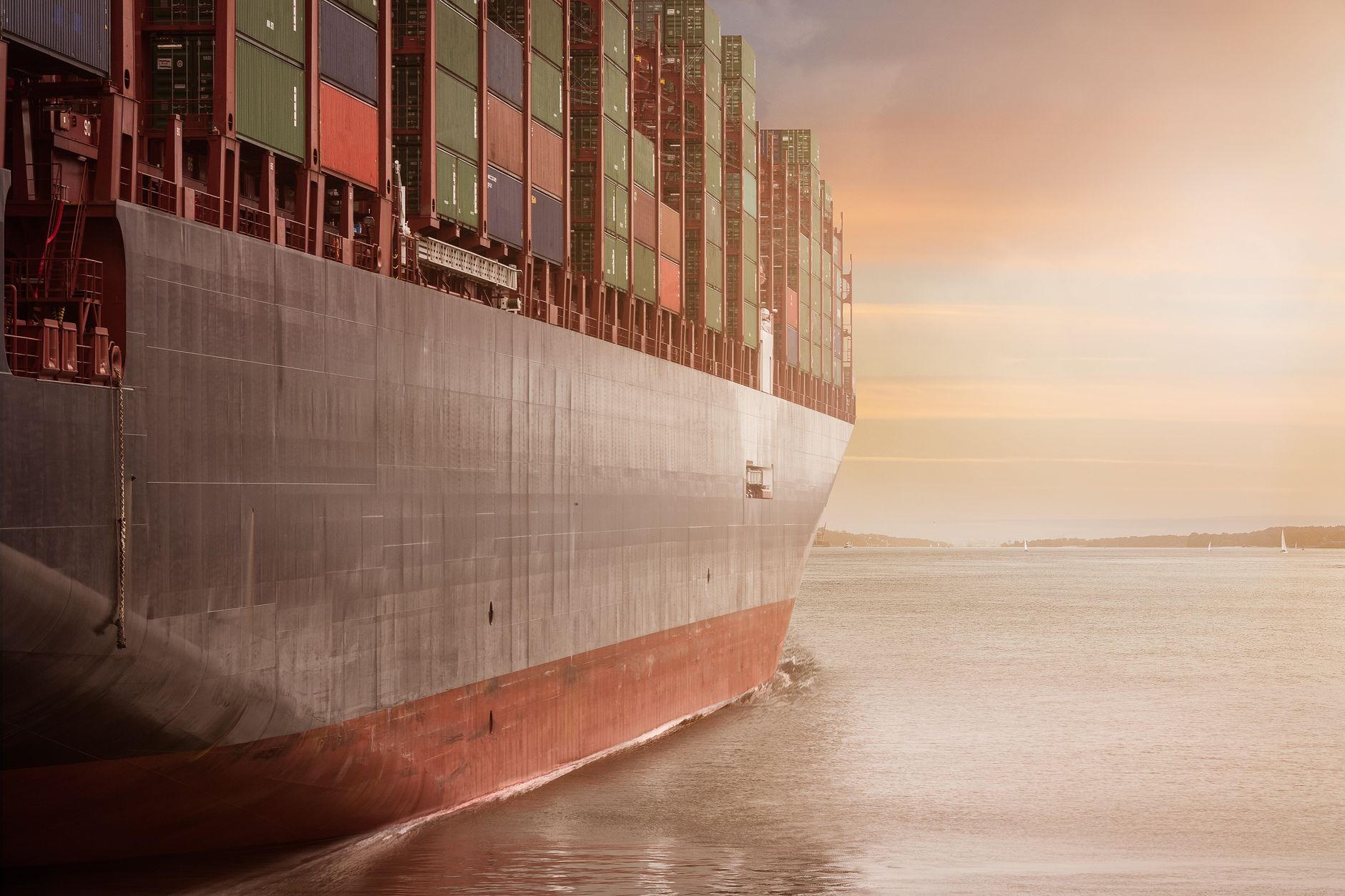
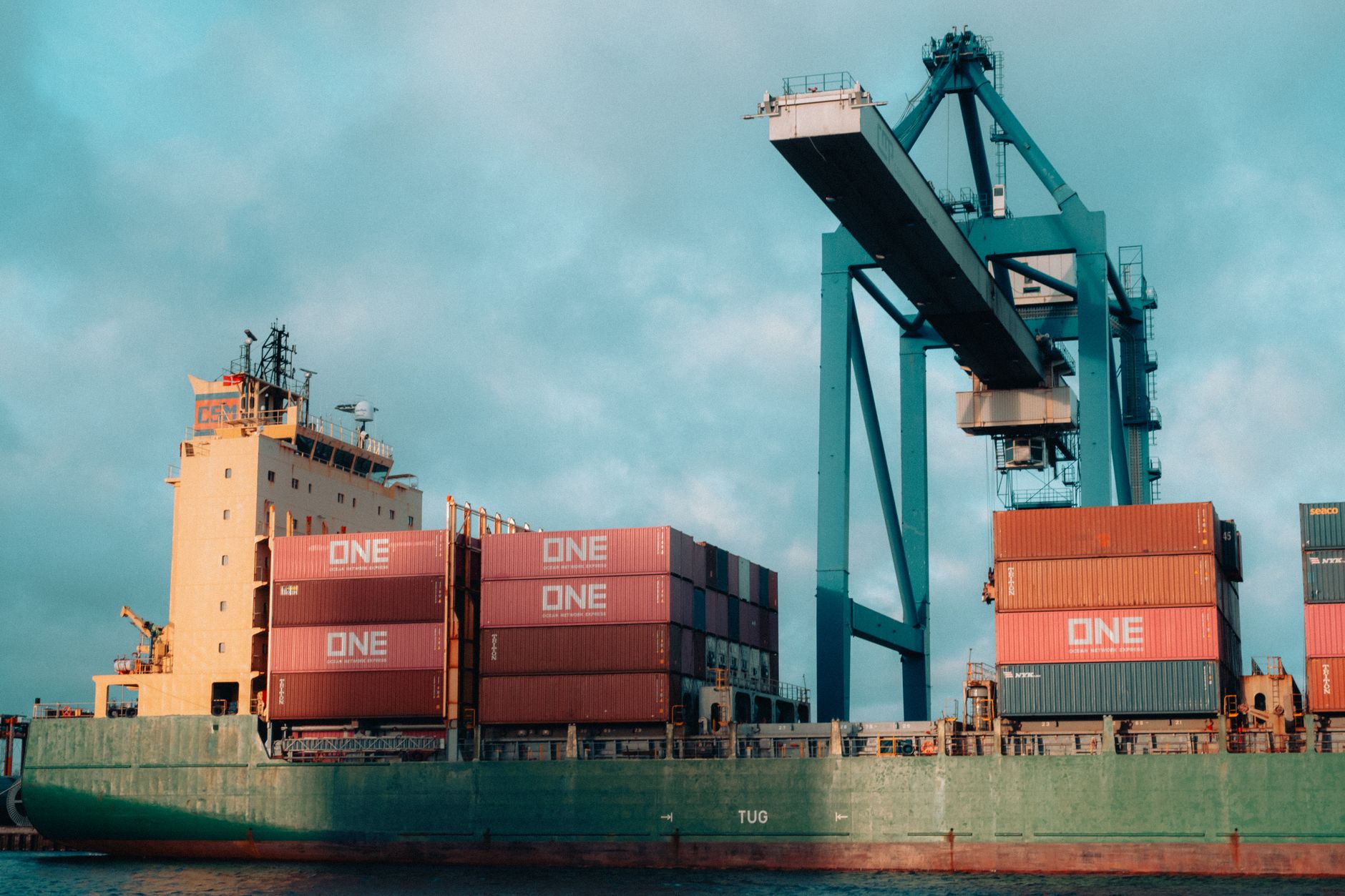
The potential imposition of tariffs on 60 trading partners, including economic giants like China, the UK, and the EU, marks a significant escalation in global trade tensions. Such a broad application of punitive measures, even under the guise of human rights, risks destabilizing international commerce and supply chains on an unprecedented scale. Businesses worldwide could face drastically increased costs, severely disrupted logistics, and significantly reduced market access, potentially leading to widespread layoffs, higher consumer prices, and profound economic uncertainty across numerous sectors.
Moreover, this aggressive move could provoke swift and severe retaliatory tariffs from affected nations, further entangling the global economy in a complex and damaging web of protectionist policies. Such a scenario would not only harm economic growth and international cooperation but could also undermine the very multilateral institutions designed to manage global trade disputes. The ripple effects could extend to currency fluctuations, investor uncertainty, and a general erosion of trust in the stability of the international economic order, making long-term planning incredibly challenging for businesses and governments alike.
Beyond the immediate economic fallout, the policy carries substantial geopolitical risks. Alienating key allies like the UK and EU through broad tariffs, even if well-intentioned on human rights grounds, could strain diplomatic relations and weaken collaborative efforts on other critical global challenges, from climate change to security. It also risks being perceived as unilateral economic coercion, potentially pushing targeted nations closer together in opposition to U.S. trade policy. The long-term implications for global alliances and the future of international governance cannot be overstated, demanding careful consideration of every potential consequence.
Possible Paths Forward
Addressing forced labor requires a multi-faceted approach that extends beyond punitive tariffs, which often carry unintended economic consequences. One highly effective path involves enhanced international cooperation, where nations collaborate on robust monitoring mechanisms, share intelligence to identify and dismantle forced labor networks, and develop common standards for ethical sourcing. This collective action can create a unified front against exploitation, making it harder for perpetrators to operate across borders and ensuring a more consistent global response to human rights abuses in supply chains.
Another crucial avenue is the implementation of comprehensive supply chain due diligence laws, compelling companies to meticulously trace their products from raw materials to final sale, ensuring ethical labor practices at every stage. Such legislation, like those emerging in Europe, shifts the burden of proof onto corporations to demonstrate responsible sourcing, fostering greater transparency and accountability. Furthermore, supporting worker advocacy groups and providing resources for victims of forced labor are vital steps to empower those most affected and foster sustainable change from the ground up, moving beyond top-down mandates.
Diplomatic engagement and targeted sanctions against specific individuals or entities proven to be involved in forced labor can also be highly effective without disrupting broader trade relations. These precise measures allow for accountability without inflicting widespread economic damage on innocent parties or triggering retaliatory trade wars. Ultimately, a combination of these strategies—international collaboration, stringent corporate due diligence, grassroots empowerment, and precise enforcement—offers a more holistic and potentially more effective solution than tariffs alone, aiming to eradicate the root causes of exploitation rather than merely penalizing its symptoms.

Questions People Are Actually Asking
What to Watch
- The official announcement and specific details of any proposed tariffs, including which products and sectors will be targeted and the effective dates.
- Reactions from the targeted 60 trading partners, particularly major economies like China, the EU, and the UK, and whether they announce retaliatory measures or seek diplomatic resolutions.
- The response from international trade organizations, such as the World Trade Organization (WTO), regarding the legality and implications of these tariffs under existing trade agreements.
- The impact on global supply chains, including potential shifts in manufacturing, sourcing strategies by multinational corporations, and changes in consumer prices for various goods.
- Domestic political reactions within the US, especially from industries and consumer groups that might be negatively affected by increased import costs or reduced export opportunities.
- Any further developments in the forced labor probes themselves, including new evidence, reports, or changes in the criteria used by the administration to identify offending practices.









Comments
No comments yet. Be the first to comment!