

Policy Snapshot
- The United States government has formally announced the imposition of significant new tariffs on imported goods originating from specific countries and regions identified for high-risk labor practices.
- These stringent tariffs are precisely engineered to target products and components suspected of being manufactured, in whole or in part, through the egregious use of forced labor, including indentured or child labor.
- This decisive action represents a pivotal component of a much broader, intensified strategy by the US to vigorously combat pervasive human rights abuses embedded within complex global supply chains.
- Companies engaged in importing these specified goods will now face unprecedented levels of scrutiny, alongside the very real prospect of severe financial penalties and substantial reputational damage for non-compliance.
- The overarching policy objective is to robustly protect American workers from unfair competition stemming from exploitative labor practices, while also ensuring consumers do not inadvertently support unethical production.
- While significant, this is not an isolated incident; the US has a historical precedent of leveraging trade tools and economic leverage to address critical human rights issues on the international stage.
The Policy History
For decades, the US has maintained laws prohibiting the import of goods made with forced labor, yet enforcement often proved inconsistent. Recent years, however, have marked a significant and deliberate shift towards a more aggressive stance across various administrations. This renewed and intensified focus is primarily driven by increasing global awareness of widespread forced labor practices, particularly within specific high-risk regions and industries. The current administration has unequivocally prioritized human rights within its trade policy framework, viewing it as both an undeniable moral imperative and an economic necessity to ensure genuinely fair competition in the global marketplace.
The legal bedrock for these assertive actions primarily originates from the Tariff Act of 1930, specifically Section 307, which explicitly bans the importation of goods produced wholly or in part by forced labor, encompassing forced or indentured child labor. Historically, this crucial provision was rarely invoked due to the formidable evidentiary burdens placed on enforcement agencies. Nevertheless, recent legislative enhancements and significantly increased investigative capabilities, notably with the passage of the Uyghur Forced Labor Prevention Act (UFLPA) in 2021, have dramatically strengthened the government's capacity to enforce these vital prohibitions. The UFLPA, in particular, established a groundbreaking rebuttable presumption that all goods manufactured in China’s Xinjiang region are made with forced labor, thereby placing the stringent burden of proof squarely on importers.
This evolution in policy reflects a growing international consensus that forced labor constitutes a grave violation of fundamental human rights and severely distorts global markets. The US approach, particularly through the UFLPA, sets a new precedent by strategically shifting the burden of proof, demanding that importers proactively demonstrate their supply chains are entirely free from exploitation. This proactive stance aims to deter companies from sourcing from high-risk areas without adequate and verifiable due diligence, pushing for greater transparency and accountability across the entire production lifecycle. Such measures are not solely about punitive actions but also about fostering a more ethical and sustainable global trade environment where human dignity is paramount.
Who Is Affected
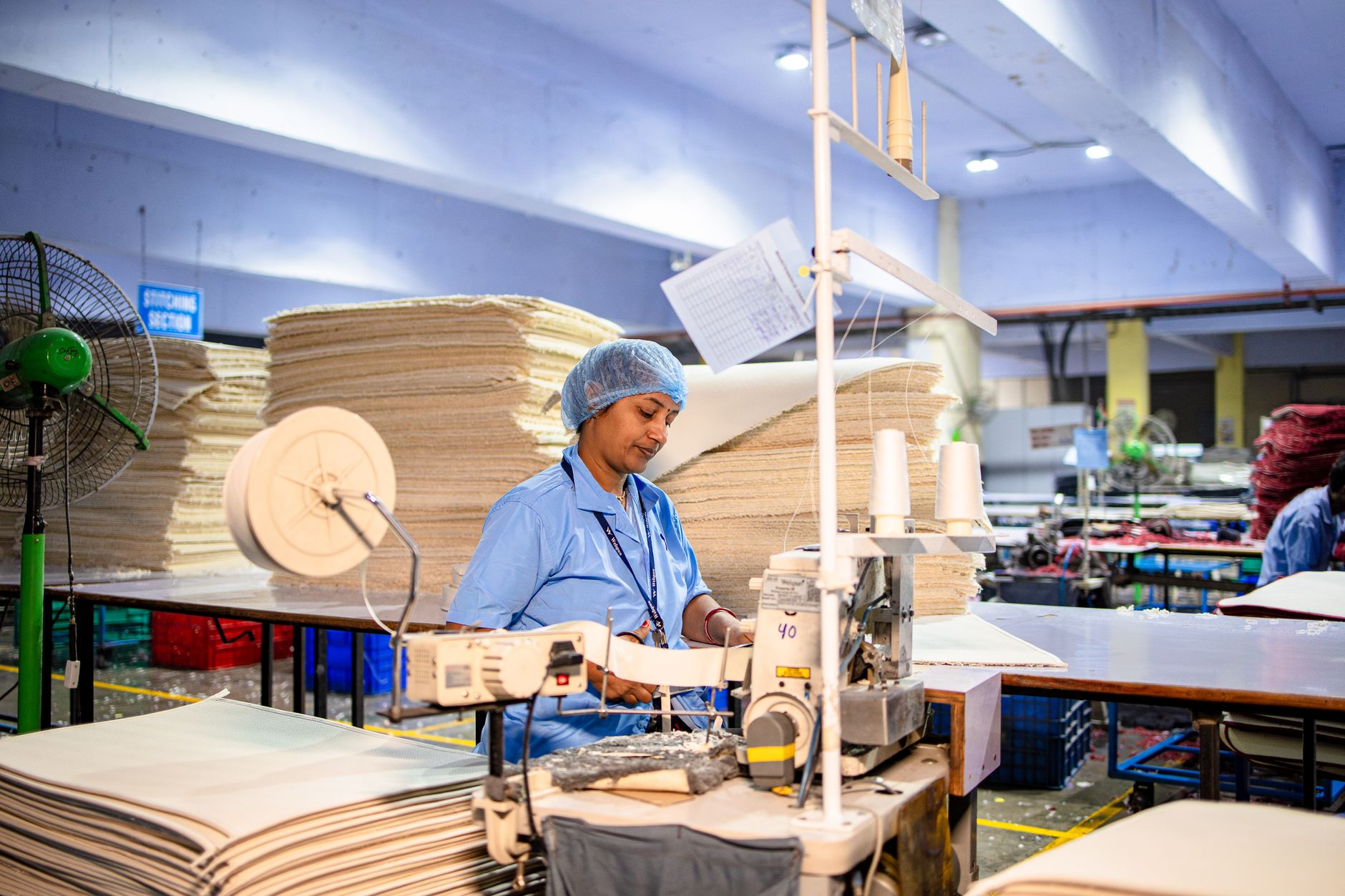
Importers of goods originating from targeted regions or industries are unequivocally and directly affected by these new tariffs. This broad category encompasses not only large multinational corporations navigating complex global supply chains but also smaller businesses that source critical components or finished products internationally. Industries such as textiles, electronics, agriculture, and solar energy are particularly vulnerable to heightened scrutiny due to well-documented risks of forced labor within their intricate supply chains. Companies must now undertake rigorous and continuous due diligence to ensure their products are not tainted by forced labor, or face significant financial penalties, severe supply chain disruptions, and irreparable reputational damage.
Beyond direct importers, consumers are also significantly, albeit indirectly, affected. While the immediate impact might manifest as slightly higher prices for certain goods due to increased compliance costs or necessary shifts in sourcing strategies, the long-term benefit is the cultivation of a more ethical and transparent marketplace. Workers in countries where forced labor is prevalent stand to gain immensely from these policies, as increased pressure from major importing nations can genuinely lead to improved labor conditions and greater respect for human rights. However, a significant risk remains that some businesses might simply shift production to other regions with less stringent scrutiny, potentially displacing workers in targeted areas without fundamentally solving the underlying human rights issues.
The geopolitical landscape is also profoundly affected, as these tariffs can strain trade relations with countries perceived to be enabling forced labor practices. Governments in targeted nations may view these actions as economic coercion or thinly veiled protectionism, potentially leading to retaliatory measures or a strategic reorientation of their trade partnerships. Furthermore, the policy creates a ripple effect across global manufacturing, prompting companies to fundamentally re-evaluate their entire sourcing strategies and potentially accelerate the trend of 'reshoring' or 'friend-shoring' production to countries with more transparent and verifiable labor practices. This complex interplay of economic, ethical, and political factors underscores the far-reaching and multifaceted impact of these new trade enforcement tools.
The Case For
Proponents vehemently argue that these tariffs represent a necessary, potent, and morally imperative tool to combat egregious human rights abuses. By specifically targeting goods demonstrably made with forced labor, the US sends an unequivocal message that such abhorrent practices are utterly unacceptable and will not be tolerated within the global trading system. This robust approach not only steadfastly upholds core American values but also effectively levels the playing field for businesses that genuinely adhere to ethical labor standards, thereby preventing unfair competition from entities that shamelessly exploit vulnerable populations. Ultimately, it actively encourages companies to invest in transparent, verifiable, and responsible supply chains, fostering a more ethical and equitable global economy.
Furthermore, advocates consistently emphasize that decisive economic pressure is often the most effective and direct way to compel meaningful change in regimes or industries that pervasively rely on forced labor. Diplomatic efforts alone, they contend, may prove insufficient, whereas trade sanctions provide a tangible, immediate, and impactful consequence for non-compliance. These tariffs also serve a crucial role in protecting American consumers from inadvertently supporting human rights violations and ensure that the products they purchase align with their ethical expectations and values. The policy powerfully reinforces the fundamental principle that economic prosperity should never come at the expense of inherent human dignity, thereby driving a global shift towards more humane and just production methods.
Beyond the immediate economic impact, these tariffs are strategically viewed as a vital move to strengthen international norms against forced labor globally. By setting an exceptionally high bar for ethical sourcing and supply chain transparency, the US encourages other nations and multilateral organizations to adopt similar robust enforcement mechanisms, thereby forging a more unified global front against exploitation. This collective international action can significantly diminish the economic viability of forced labor practices, making it increasingly difficult for perpetrators to profit from human suffering. Ultimately, the argument posits that these measures are not just about trade policy, but about advancing universal human rights and promoting a fairer, more just global economic order.
The Case Against
Critics contend that while the underlying intent is undeniably noble, tariffs can often be a blunt and indiscriminate instrument with significant unintended consequences. They argue that such measures risk harming innocent workers in targeted regions who are already profoundly vulnerable, potentially leading to widespread job losses or further exacerbating economic hardship without directly addressing the complex root causes of forced labor itself. There's also a pervasive concern that these tariffs could be misconstrued or perceived as protectionist measures rather than genuine human rights interventions, potentially escalating broader trade tensions and severely disrupting global supply chains, which could ultimately increase costs for consumers and businesses alike, undermining the very goal of ethical trade.
Another significant and frequently cited concern revolves around the immense practical challenge of effective enforcement. Identifying and definitively proving forced labor within complex, opaque, and geographically dispersed supply chains is incredibly difficult, often leading to potential misidentification of goods or industries. This inherent difficulty could result in legitimate businesses being unfairly penalized, or conversely, sophisticated bad actors finding ingenious loopholes to circumvent the regulations entirely. Some also worry profoundly that these tariffs might inadvertently push forced labor practices further underground, making them even harder to detect, monitor, and ultimately eradicate, rather than bringing them into the light for remediation. The effectiveness hinges heavily on robust intelligence, transparent verification mechanisms, and international cooperation, which are often difficult to implement on a global scale.
Furthermore, opponents highlight the substantial risk of retaliatory tariffs from affected nations, which could easily trigger broader trade wars and negatively impact US industries, agricultural sectors, and consumers. Such an escalation could undermine the very goal of promoting human rights by destabilizing international cooperation and diverting crucial focus from collaborative, multilateral solutions. There's also the argument that a more effective and sustainable approach might involve increased diplomatic engagement, targeted capacity building in vulnerable regions, and direct aid to support ethical labor practices and worker empowerment, rather than solely relying on punitive trade measures that can have widespread, unpredictable, and often counterproductive economic fallout.

Policy Questions Answered
Implementation Watch
The ultimate success of these new tariffs hinges critically on effective implementation and consistent, rigorous enforcement by US authorities. Customs and Border Protection (CBP) is tasked with the monumental and complex challenge of identifying goods tainted by forced labor within vast and intricate global supply chains. This demanding task requires sophisticated intelligence gathering, advanced data analytics, and robust investigative capabilities. The agency's ability to provide clear, actionable guidance to importers, process appeals efficiently, and adapt swiftly to evolving evasion tactics will be absolutely critical in determining the policy's real-world impact and its credibility on the international stage. Without strong, transparent, and unwavering enforcement, the policy risks becoming merely symbolic.
Industry response and adaptation will also be a paramount factor to watch closely. Companies are already investing heavily in advanced supply chain mapping technologies and comprehensive ethical sourcing initiatives. However, the immense pressure to maintain competitive pricing while simultaneously ensuring full compliance with these new regulations will be profound. The potential for legal challenges, intensive lobbying efforts, and significant shifts in global manufacturing hubs will undoubtedly shape the policy's trajectory and effectiveness. Furthermore, the willingness of international partners to adopt similar measures or collaborate on enforcement will significantly amplify the policy's reach and effectiveness in truly eradicating forced labor from global commerce. The coming months will reveal the true operational challenges and successes.
Looking ahead, the long-term efficacy of these tariffs will depend not just on immediate enforcement, but on their ability to foster systemic, lasting change rather than merely rerouting problematic supply chains. This involves continuous monitoring, agile adaptation to new forms of exploitation, and proactive engagement with international bodies and civil society organizations. The ultimate goal is not merely to block tainted goods but to fundamentally alter the economic incentives that perpetuate forced labor, encouraging a global race to the top in labor standards. The policy's true success will be measured not just by the volume of goods detained, but by a demonstrable reduction in forced labor practices worldwide and the emergence of a more equitable and ethical global economy.











Comments
No comments yet. Be the first to comment!