


Policy Snapshot
- Intensifying global trade tensions, particularly between major economic blocs, are a primary focus, with leaders seeking pathways to de-escalation and fair market practices.
- The accelerating climate crisis demands urgent attention, with discussions centered on ambitious emission reduction targets, renewable energy investments, and climate finance for vulnerable nations.
- Establishing a unified international framework for digital taxation remains a contentious but crucial topic, aiming to ensure tech giants pay their fair share globally and prevent tax havens.
- The precarious status of the Iran nuclear deal (JCPOA) and broader regional security in the Middle East are being reviewed, with leaders deliberating on diplomatic strategies and de-escalation.
- Broader global security challenges, including regional conflicts, cyber warfare threats, and the rise of protectionism, are prompting leaders to reaffirm commitments to multilateral cooperation and stability.
- Addressing global health security and pandemic preparedness, drawing lessons from recent crises to bolster international response mechanisms and vaccine equity, is also a key discussion point.
The Policy History
The G7, or Group of Seven, is an intergovernmental political forum consisting of Canada, France, Germany, Italy, Japan, the United Kingdom, and the United States. Its members are the world's largest IMF-advanced economies and wealthiest liberal democracies; the group is officially organized around shared values of pluralism and representative government. The G7 does not have a formal constitution or a fixed secretariat. Its decisions are not binding, but they carry significant political weight, often setting the agenda for broader international discussions.
Established in 1975 as the G6 (with Canada joining in 1976), the forum emerged from the oil crisis and global economic turmoil, initially focusing on macroeconomic issues. Over the decades, its mandate expanded to encompass a wide array of global challenges, including climate change, development aid, security, and public health. This evolution reflects the increasing interconnectedness of global issues and the recognition that coordinated action among leading economies is essential for effective solutions. The annual summits provide a unique opportunity for leaders to engage in direct, often informal, dialogue.
While its influence has been challenged by the rise of other multilateral bodies like the G20, the G7 still represents a powerful bloc of nations committed to democratic principles and market economies. Its collective GDP accounts for a substantial portion of the global economy, giving its pronouncements considerable sway. The informal nature, while sometimes criticized for lack of accountability, also allows for more flexible and candid discussions, which can be crucial for navigating complex geopolitical landscapes and forging consensus on difficult issues before broader international forums take them up.
Who Is Affected
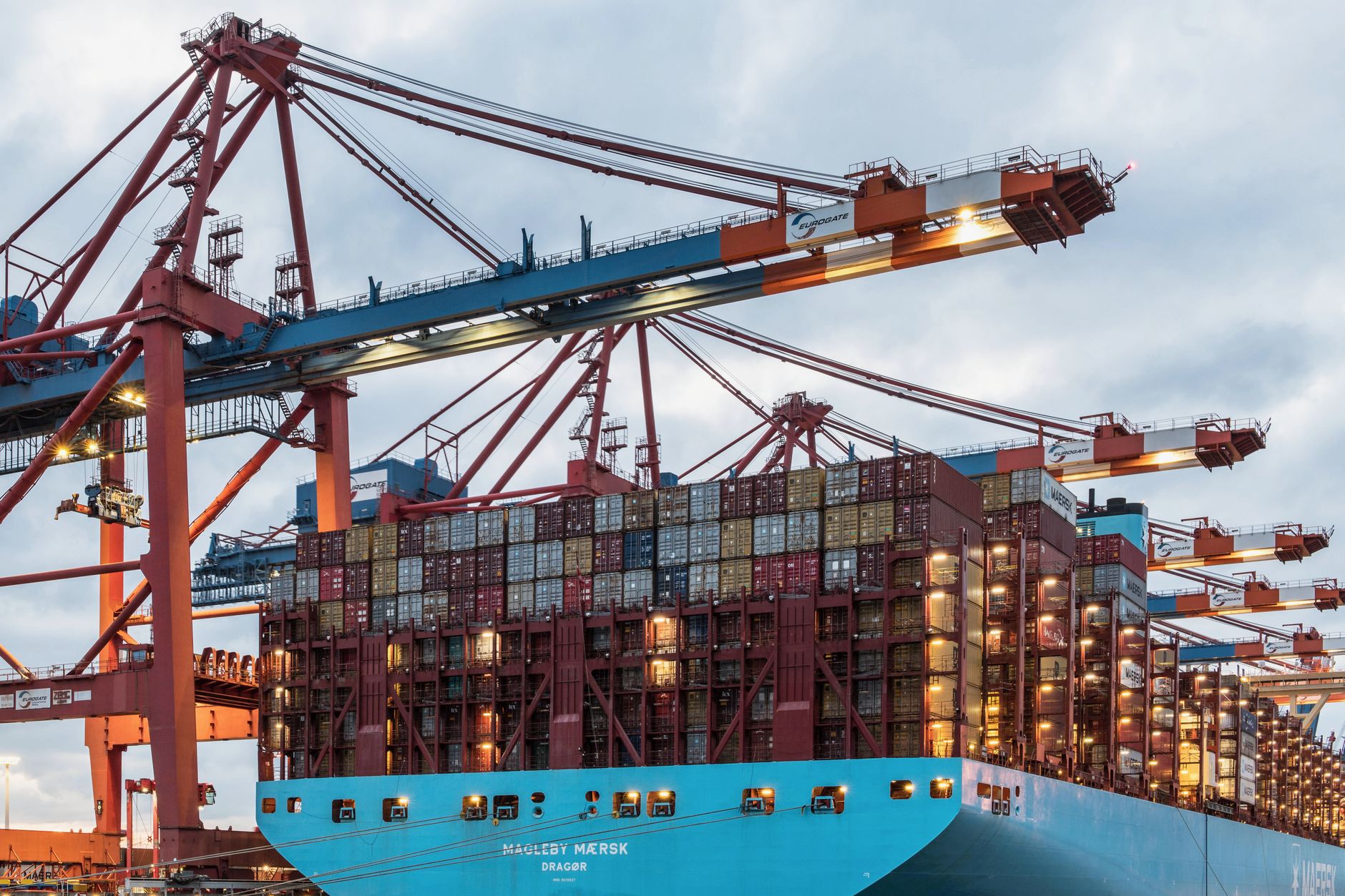
The far-reaching outcomes of G7 summits directly impact billions worldwide, often in ways that are not immediately apparent to the average citizen. Decisions made on global trade policies, for instance, can ripple through supply chains, affecting the cost of goods for consumers, the competitiveness of businesses, and the livelihoods of workers across various industries. Tariffs, trade agreements, and market access rules determined by these leading economies can either stimulate economic growth or lead to significant disruptions, creating winners and losers in the global marketplace.
Beyond economics, climate agreements forged at the G7 dictate environmental regulations, energy policies, and investment in green technologies, profoundly influencing industries and daily life. These policies impact everything from the air we breathe to the stability of coastal communities. Similarly, discussions on global security can determine geopolitical stability, influence humanitarian aid efforts, and even shape the trajectory of regional conflicts. The collective stance of the G7 on issues like cybersecurity or nuclear proliferation carries immense weight, affecting the safety and sovereignty of nations globally.
Developing nations, in particular, often feel the profound ripple effects of G7 economic and aid policies. These decisions can either foster sustainable growth and poverty reduction through targeted investments and debt relief, or exacerbate existing inequalities if their concerns are not adequately addressed. For example, the ongoing discussions on digital taxation could reshape the global economy for tech giants and smaller businesses alike, impacting national tax revenues and potentially altering the landscape of public services in countries reliant on these revenues. Every G7 pronouncement has a tangible, often long-lasting, effect on global equity and stability.
The Case For
Proponents argue that the G7 remains an indispensable forum for coordinating responses to the most pressing global crises. Its members collectively represent a significant portion of global GDP and technological innovation, allowing for unparalleled collective action on issues ranging from economic stability to climate change and security threats. The ability of these leading economies to align on policy directions provides a powerful impetus for broader international cooperation, often setting precedents and generating momentum that other multilateral bodies can then build upon.
The informal nature of the summit is frequently highlighted as a key strength, fostering candid discussions and enabling leaders to build personal rapport and consensus on complex issues without the rigidities and bureaucratic hurdles often found in more formal international bodies. This environment allows for more flexible and responsive decision-making, crucial in an era of rapidly evolving global challenges. It serves as a vital platform for agenda-setting and influencing broader international policy, frequently leading to more comprehensive and impactful solutions when major powers align their strategies.
Furthermore, the G7's capacity to quickly mobilize resources and political will among these leading nations is unparalleled. When faced with global financial crises, health emergencies, or significant geopolitical shifts, the G7 has historically demonstrated its ability to coordinate rapid responses and significant financial commitments. This collective strength provides a crucial bulwark against instability, offering a mechanism for the world's most influential democracies to uphold shared values and address common threats, thereby reinforcing the multilateral system even as it faces increasing strain.
The Case Against
Critics contend that the G7 is an increasingly anachronistic institution, representing a diminishing share of global economic and political power in a rapidly evolving multipolar world. Its exclusivity, comprising only a handful of historically dominant nations, often leads to decisions that do not adequately consider the diverse perspectives or urgent needs of emerging economies and the Global South. This narrow representation can result in policies perceived as self-serving or insufficient to address truly global challenges, thereby undermining its legitimacy and effectiveness on the world stage.
A significant drawback highlighted by detractors is the G7's lack of formal enforcement mechanisms. Commitments made at these high-profile summits are not legally binding, meaning that declarations of intent are not always translated into concrete action or consistent policy implementation by member states. This accountability gap often leads to skepticism about the real-world impact of the G7's pronouncements, with many pledges remaining unfulfilled or significantly delayed, particularly concerning climate finance or development aid targets. The absence of a robust follow-up mechanism diminishes the forum's credibility.
Moreover, the forum has been widely criticized for its perceived inability to effectively address contemporary challenges like rising protectionism, the erosion of multilateralism, and the growing influence of non-G7 powers. Some argue it perpetuates a colonial power dynamic, where a select group dictates terms to the rest of the world, rather than fostering inclusive global governance. This raises fundamental questions about its relevance and efficacy in an era demanding broader, more inclusive international cooperation to tackle complex, interconnected global issues that transcend the interests of a few wealthy nations.

Policy Questions Answered
Implementation Watch
Following the conclusion of the G7 summit, the true measure of its success lies not in the declarations made, but in the diligent implementation of agreed-upon policies by each member state. National governments are tasked with the complex responsibility of translating broad, high-level commitments into specific legislative actions, budgetary allocations, and tangible programs within their domestic frameworks. This crucial phase often faces significant hurdles, including domestic political opposition, bureaucratic inertia, and the challenge of reconciling international pledges with varying national priorities and economic realities.
The process of implementation is rarely straightforward. For instance, ambitious climate targets require substantial investment in new infrastructure and regulatory changes that can face resistance from established industries or local communities. Similarly, commitments to digital taxation reforms demand intricate legal adjustments and international coordination to prevent tax avoidance, a process fraught with technical and political complexities. The effectiveness of the summit's outcomes hinges entirely on the sustained political will and coordinated efforts of individual member nations to follow through on their shared vision, often over extended periods.
Civil society organizations, international watchdogs, and independent media will play a critical role in monitoring member states' adherence to their pledges. Their scrutiny helps ensure transparency and accountability, particularly concerning commitments on climate finance, development aid, trade reforms, and human rights. The public and global community will be closely observing whether the rhetoric of unity and action translates into concrete, measurable progress on the ground. Without robust follow-up mechanisms and a genuine commitment to action, the G7's declarations risk remaining mere aspirations rather than catalysts for meaningful global change.














Comments
No comments yet. Be the first to comment!