
Key Takeaways
- The French Open 2026 is entering its critical stages, with top seeds and dark horses alike navigating a progressively challenging draw.
- Several unexpected upsets have already reshaped the landscape, creating opportunities for new contenders to emerge and make a deep run.
- Key matchups in the upcoming rounds promise intense rivalries and high-stakes tennis, captivating fans worldwide with their dramatic potential.
- Player performance on clay this season has been a significant indicator, with those showing consistent form more likely to succeed.
- Injuries and fatigue are becoming increasingly significant factors as the tournament progresses, potentially influencing the outcome of pivotal matches.
- The remaining players represent a diverse mix of seasoned champions and rising stars, all vying for a coveted Grand Slam title.
Background
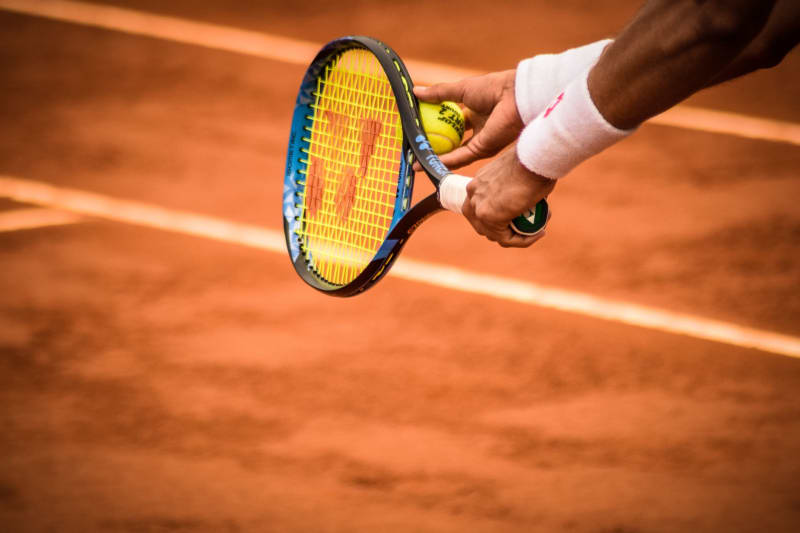
The French Open, a jewel in the Grand Slam crown, returns to Roland Garros with its iconic red clay courts setting the stage for athletic brilliance and intense competition. For 2026, the tournament has seen a vibrant display of skill and determination from players across the globe, all aiming to etch their names into tennis history. The early rounds, often characterized by predictable outcomes and dominant performances from established stars, have this year delivered a surprising number of upsets, injecting an element of unpredictability into the proceedings. This shift from the norm has created a palpable buzz, as fans and analysts alike are recalibrating their predictions and eagerly anticipating how the latter stages of the tournament will unfold. The unique challenges posed by clay – the slower ball speed, the demanding physicality, and the strategic nuances required – continue to test the mettle of every competitor, ensuring that only the most resilient and adaptable players will advance.
Roland Garros, with its hallowed grounds and demanding clay surface, has once again become the epicenter of the tennis world. The 2026 edition has so far lived up to its reputation for producing dramatic narratives and showcasing the pinnacle of clay-court prowess. As the initial rounds conclude, the field of competitors has been significantly winnowed, leaving behind a collection of elite athletes who have demonstrated exceptional form and mental fortitude. The transition from hard courts or indoor surfaces to the unique demands of Parisian clay often proves to be a significant hurdle for many, but the players who have navigated this shift successfully are now poised to make their mark. The history of this tournament is replete with stories of underdog triumphs and legendary battles, and the 2026 iteration is already building its own compelling chapter, promising further excitement as the competition intensifies.
The strategic importance of the French Open within the tennis calendar cannot be overstated. It represents a unique challenge, demanding a specific skill set and a high level of physical conditioning that differs significantly from other Grand Slams. The slower bounce of the clay court favors players with exceptional topspin, strong defensive capabilities, and the stamina to endure lengthy, grueling rallies. For 2026, the tournament has provided a platform for both established champions to reaffirm their dominance and for emerging talents to announce their arrival on the grandest stage. The early stages have already witnessed thrilling encounters, with many matches going the distance, highlighting the competitive spirit and the sheer will to win that defines professional tennis at this elite level. The journey through the draw is a test of endurance, strategy, and sheer grit, with each match presenting a new puzzle to solve.
Why It Matters
The French Open holds a special place in the hearts of tennis aficionados and players alike, serving as the premier clay-court Grand Slam event on the international calendar. For the athletes competing in 2026, reaching the latter stages of Roland Garros signifies more than just tournament progression; it represents a chance to cement their legacy, earn significant ranking points, and challenge for one of the sport's most coveted titles. The unique characteristics of the clay surface demand a distinct set of skills, often separating true all-court players from those who specialize in faster conditions. A strong performance here can dramatically alter a player's season trajectory, boost their confidence for future tournaments, and capture the attention of a global audience that eagerly follows the drama unfolding on the Parisian clay. The implications extend beyond individual success, influencing the broader narrative of the tennis season and setting the tone for upcoming major events.
For the fans, the French Open 2026 offers a compelling spectacle of athleticism, strategy, and raw emotion. The distinctive red clay provides a visually stunning backdrop for the intense battles that unfold, with every drop shot, powerful groundstroke, and lunging volley contributing to the drama. The tournament serves as a crucial barometer of a player's form and adaptability, especially on a surface that demands patience and resilience. Witnessing the world's best navigate the challenges of Roland Garros, from the physical toll of long rallies to the mental fortitude required to close out matches, provides an unparalleled viewing experience. Furthermore, the potential for upsets and the emergence of new stars add an element of surprise that keeps the tournament fresh and engaging, ensuring that every match holds the possibility of becoming a historic moment in tennis.
The significance of the French Open extends into the strategic landscape of professional tennis. A player's success or failure on the clay courts of Roland Garros can have profound effects on their ranking, their seeding in future tournaments, and their overall career trajectory. For many, particularly those who may not excel on faster surfaces, this event represents their best opportunity to capture a Grand Slam title. Therefore, the stakes are incredibly high, not just for the players involved but also for the sport's ecosystem, including coaches, sponsors, and governing bodies. The narratives that emerge from the French Open – the underdog triumphs, the epic comebacks, the dominance of clay-court specialists – shape the public perception of the sport and inspire the next generation of tennis talent, making its outcomes critically important.
Ground Reality
As the French Open 2026 progresses, the reality on the ground at Roland Garros is one of intense physical and mental battles, with the iconic clay courts demanding peak performance from every competitor. The slower pace of the ball and the higher bounce characteristic of this surface necessitate a different strategic approach compared to hard courts, favoring players with exceptional stamina, powerful topspin, and superior defensive skills. Many matches have already stretched into grueling, multi-set affairs, testing the endurance and resilience of even the fittest athletes. The unpredictable nature of clay, where a single misstep or a moment of lost concentration can prove costly, means that players must remain focused from the first point to the last. The physical toll is immense, with players often seen visibly fatigued, highlighting the sheer effort required to succeed on this demanding surface.
The current state of the French Open 2026 draw reveals a landscape where established hierarchies are being challenged, and emerging talents are making significant inroads. While top seeds have largely navigated their early-round encounters, several unexpected results have injected drama and uncertainty into the tournament. The conditions at Roland Garros – the unique clay surface, the specific atmospheric elements, and the pressure of a Grand Slam – often act as a great equalizer, pushing players to their absolute limits. Victories are hard-earned, often requiring players to dig deep and find solutions to complex tactical problems presented by their opponents. The sheer volume of rallies and the physical exertion involved mean that recovery between matches is paramount, and those who manage their energy levels effectively often gain a crucial advantage as the tournament progresses.
Observing the French Open 2026 unfold reveals the profound impact of the clay court surface on player performance and match dynamics. Unlike the faster, more predictable bounces of hard courts, the Parisian clay demands a high degree of patience, tactical acumen, and exceptional footwork. Players are forced to grind out points, engage in extended rallies, and often rely on their defensive capabilities to stay in the match. This reality means that physical conditioning is not just important; it is absolutely critical. Athletes who have meticulously prepared their bodies for the rigors of clay-court tennis are visibly thriving, while those who haven't are struggling to keep pace. The mental fortitude required to maintain focus through lengthy exchanges and to cope with the pressure of crucial moments is equally vital, making each match a true test of a player's all-around game.
What Experts Are Saying
Tennis analysts are closely scrutinizing the performances at the French Open 2026, with many noting the evolving dynamics of the draw. Commentators have highlighted the exceptional form of certain top seeds, emphasizing their mastery of clay-court tactics and their physical readiness for the demanding nature of Grand Slam tennis. However, there's also a significant buzz surrounding several dark horses who have shown impressive resilience and tactical nous in their early matches. Experts are particularly impressed by the players who have managed to adapt quickly to the unique challenges of Roland Garros, demonstrating effective use of spin, strategic court positioning, and the mental toughness required to navigate grueling rallies. The consensus is that the tournament is shaping up to be a fiercely competitive affair, with multiple players possessing a genuine chance to lift the trophy.
The strategic nuances of clay-court tennis are a frequent topic of discussion among tennis pundits covering the French Open 2026. Experts are dissecting the game plans of the remaining contenders, analyzing how they are utilizing the slower surface to their advantage. There's a particular focus on the importance of physicality and endurance, with many analysts pointing out that the players who have invested heavily in their fitness regimes are showing a clear edge in longer matches. Furthermore, the mental aspect of playing on clay is being emphasized; the ability to remain patient, composed, and resilient through extended rallies is seen as a critical differentiator. The unpredictability of the draw, with several notable upsets, has led to lively debates about potential finalists and the overall narrative of the tournament.
Leading tennis commentators are expressing a mix of admiration and anticipation regarding the French Open 2026. Many are praising the high level of play and the compelling storylines emerging from the early rounds, noting that the tournament is living up to its Grand Slam billing. There's a particular emphasis on the resurgence of certain veteran players who are demonstrating that experience on clay remains a significant asset, while simultaneously acknowledging the impressive performances of younger talents who are making bold statements. The consensus among experts is that the remaining matches promise to be thrilling encounters, filled with tactical battles and displays of exceptional skill. The unique atmosphere of Roland Garros, combined with the high stakes, is creating a captivating spectacle for fans worldwide.
Frequently Asked Questions
What Happens Next
As the French Open 2026 moves into its decisive phases, the focus sharpens on the remaining contenders and the escalating intensity of the competition. The upcoming rounds promise a series of high-stakes matchups, pitting seasoned champions against hungry challengers, and testing the mental and physical mettle of every player left in the draw. Fans can anticipate grueling rallies, strategic battles, and potentially dramatic upsets as athletes vie for a coveted spot in the semifinals and beyond. The unique demands of the clay surface will continue to play a significant role, favoring those who have best adapted their game and maintained their physical conditioning throughout the tournament. Each match represents a crucial step towards the ultimate goal: lifting the Musketeers' Trophy.
The path forward for the remaining players at Roland Garros involves navigating increasingly difficult opponents and managing the mounting pressure that accompanies the latter stages of a Grand Slam. Quarterfinal and semifinal matches are expected to be fiercely contested, showcasing the pinnacle of clay-court tennis. Spectators can look forward to seeing how the top seeds respond to the challenges posed by determined underdogs and how emerging talents handle the pressure of performing on the grandest stage. The physical toll of the tournament will become more pronounced, making recovery and strategic energy management critical factors in determining who ultimately advances. The narrative of the French Open 2026 is far from settled, with potential for further surprises and memorable performances.
Looking ahead, the French Open 2026 is poised for a thrilling conclusion. The remaining matches will undoubtedly provide captivating displays of skill, determination, and sportsmanship. As the draw continues to thin, the true contenders will emerge, showcasing their ability to perform under immense pressure on the iconic red clay. Fans can expect a series of compelling narratives to unfold, whether it's a veteran seeking one last major title, a young star solidifying their place among the elite, or an unexpected hero making a Cinderella run. The strategic battles between players, adapted to the unique demands of the surface, will be a key element to watch as the tournament heads towards its climactic final weekend.














Comments
No comments yet. Be the first to comment!