
At a Glance
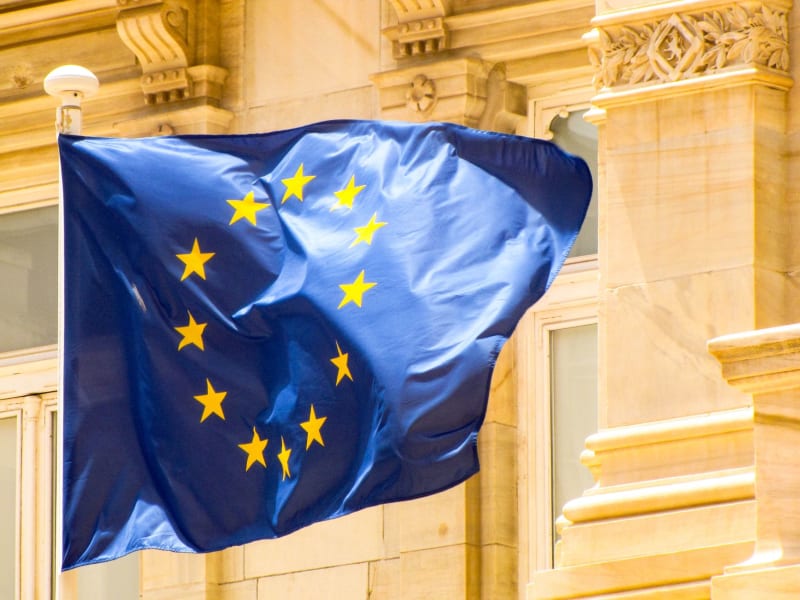
- The European Union has formally announced its 21st comprehensive sanctions package, marking a significant escalation in economic pressure against the Russian Federation.
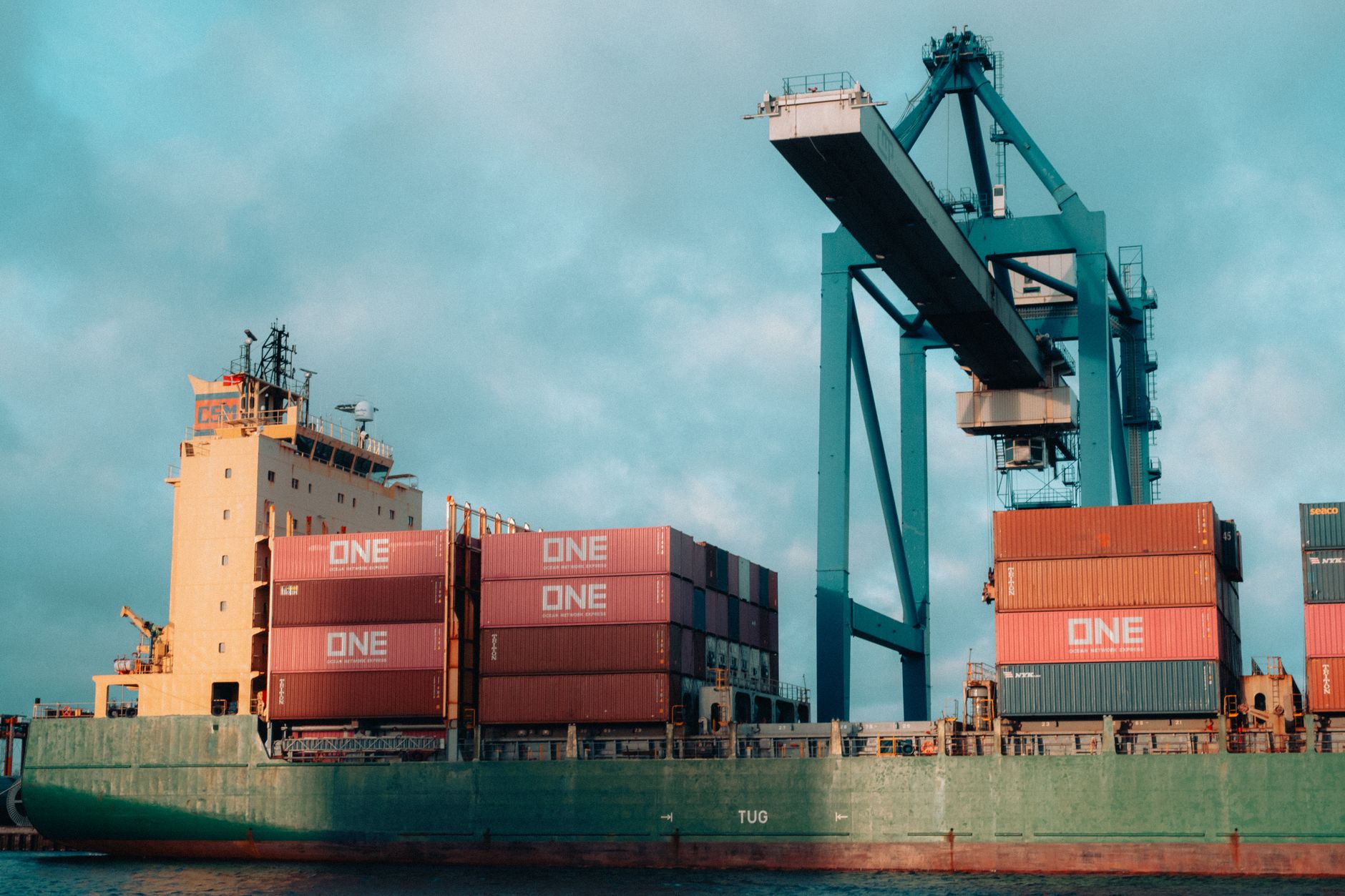
- This latest round of punitive measures specifically targets critical pillars of the Russian economy, including its vital energy sector, core financial institutions, and extensive international trade networks.
- The overarching objective is to further cripple Russia's economic capacity, thereby diminishing its ability to fund and sustain its ongoing military aggression in Ukraine.
- This package builds upon a robust foundation of twenty prior sanction rounds, demonstrating the EU's unwavering commitment to sustained economic pressure and isolation.
- New restrictions are expected to include expanded export controls on dual-use goods and technology, alongside additional prohibitions on services crucial for Russia's industrial base.
- Member states reached a consensus after intense negotiations, underscoring the political will within the bloc to maintain a united front against Kremlin policies despite potential economic repercussions.
The Record
The European Union has consistently imposed sanctions on Russia since its full-scale invasion of Ukraine, demonstrating an unwavering commitment to leveraging economic tools against aggression. These measures have incrementally tightened the economic noose, targeting various sectors from individual oligarchs and key decision-makers to critical state-owned enterprises and strategic industries. Each successive package has sought to address loopholes, expand the scope of restrictions, and enhance enforcement mechanisms, reflecting an evolving and adaptive strategy designed to maximize economic pressure while meticulously minimizing unintended collateral damage to EU economies and global markets.
This 21st package builds upon a formidable foundation of extensive restrictions already in place, which include comprehensive bans on Russian oil and coal imports, the exclusion of numerous key Russian banks from the SWIFT international payment system, and the freezing of substantial Russian central bank assets held abroad. The cumulative effect of these sanctions has been undeniably significant, though Russia has demonstrated a degree of resilience, partly due to high global energy prices, the redirection of trade flows to non-sanctioning countries, and internal economic adjustments. Nevertheless, the EU's commitment remains steadfast, signaling a long-term strategy to systematically erode Russia's economic base.
The strategic intent behind these continuous sanction packages extends beyond immediate economic disruption; it aims to fundamentally alter Russia's long-term economic trajectory and its capacity for future military adventurism. By targeting critical sectors like advanced technology, finance, and energy, the EU seeks to degrade Russia's industrial capabilities, limit its access to crucial Western components, and ultimately diminish its geopolitical influence. This sustained pressure is designed to make the cost of its current policies unsustainable, forcing a re-evaluation of its aggressive stance on the international stage and upholding the principles of international law.
Who Knew and When
Discussions surrounding the 21st sanctions package have been actively underway for several weeks, involving intense deliberations among EU member states, the European Commission, and various expert committees. Diplomatic sources indicated that reaching a consensus required navigating complex national interests and economic dependencies, particularly concerning the precise scope and specific targets within the highly sensitive energy and financial sectors. Member states with stronger pre-existing economic ties to Russia or particular dependencies on certain commodities often voice legitimate concerns about the potential 'boomerang effect' of such measures, necessitating meticulous calibration and robust impact assessments for each new restriction to ensure unity.
The public announcement of the package came swiftly after these exhaustive internal deliberations concluded, with the European Commission officially detailing the new measures and their intended impact. While the general direction of increasing economic pressure on Russia has been unequivocally clear for many months, the precise details of each successive package are typically kept under strict wraps until formal adoption and publication. This strategic secrecy is vital to prevent preemptive actions by targeted entities, such as asset transfers or re-routing of trade, thereby ensuring maximum impact and effectiveness upon the moment of implementation.
Furthermore, intelligence agencies and economic analysts within the EU have been continuously monitoring Russia's adaptation strategies to previous sanctions, informing the design of new measures. This proactive intelligence gathering ensures that subsequent packages are not merely reactive but are instead strategically designed to close emerging loopholes and target new vulnerabilities identified in the Russian economy. The iterative nature of these sanctions reflects a dynamic and intelligence-driven approach, constantly adjusting to Russia's attempts to circumvent restrictions and maintain its economic stability amidst unprecedented international pressure.
Voices from the Ground
Ukrainian officials and civil society representatives have consistently amplified their calls for stronger, more comprehensive sanctions, articulating a profound sense of urgency and moral imperative. They vehemently emphasize that every day without decisive, overwhelming economic action allows Russia to continue its unprovoked aggression, causing immense human suffering and destruction. Their arguments frequently highlight that while existing sanctions have been impactful, they have not yet fully crippled Russia's ability to finance its war machine. Calls for a complete and total embargo on all Russian energy exports and the unequivocal exclusion of every Russian bank from global financial systems remain prominent, reflecting a deep-seated desire for immediate and overwhelming economic pressure to end the conflict.
Within Russia, the multifaceted impact of international sanctions is felt distinctly across various segments of society, though often obscured by state-controlled narratives. While the government vigorously attempts to project an image of resilience, self-sufficiency, and economic stability, reports from independent media outlets, economic analysts, and anecdotal evidence suggest growing difficulties for businesses heavily dependent on Western technology, crucial supply chains, or international markets. Ordinary citizens, particularly in urban centers, face tangible challenges such as rising inflation, reduced access to a diverse range of imported goods, and limitations on international travel and financial services, though state propaganda frequently attributes these hardships to Western aggression rather than internal economic mismanagement or the consequences of geopolitical choices.
Conversely, some voices within the EU, particularly from industries heavily reliant on Russian resources or markets, express concerns about the potential for economic blowback. While generally supportive of the broader objective, these stakeholders often advocate for targeted measures that minimize disruption to European supply chains and energy security. Their perspective underscores the delicate balance the EU must strike: maintaining a united and impactful front against Russia while safeguarding the economic well-being of its own member states and citizens, a challenge that becomes more complex with each successive sanctions package.
The Debate
The efficacy and ethical appropriateness of sanctions against Russia remain a subject of intense and ongoing debate among policymakers, leading economists, and seasoned international relations experts. Proponents of the sanctions regime argue passionately that these measures constitute a crucial, non-military tool to exert immense pressure, systematically deplete Russia's war chest, and ultimately compel a fundamental change in its aggressive behavior. They frequently point to the long-term erosion of Russia's economic base, its increasing isolation from vital global markets, and the significant technological setbacks as compelling evidence of the sanctions' cumulative success, even if immediate battlefield impacts are not always instantaneously visible or directly attributable.
Critics, however, contend that sanctions, particularly broad-based ones, often carry significant unintended consequences. These can include disproportionately harming innocent civilian populations, potentially driving targeted regimes closer to alternative geopolitical allies, or even paradoxically strengthening their resolve and fostering a 'siege mentality.' Some economists further suggest that sanctions can inadvertently lead to the development of a 'fortress economy,' encouraging self-sufficiency and autarky at the expense of global integration, thereby making future re-engagement more challenging. There is also considerable concern about the potential for sanctions to exacerbate existing global energy and food crises, impacting developing nations and vulnerable populations disproportionately, thus raising humanitarian and ethical dilemmas.
Furthermore, the debate extends to the question of whether sanctions are truly a deterrent or merely a punitive measure. While they undeniably impose costs, their ability to fundamentally alter a determined regime's strategic calculus is often questioned. Experts also discuss the challenges of enforcement, the emergence of shadow economies, and the constant need to adapt sanctions to counter circumvention tactics. This ongoing dialectic underscores the complex nature of economic statecraft and the continuous evaluation required to ensure that sanctions remain a potent and ethically justifiable tool in international relations, rather than simply a symbolic gesture.
Your Questions Answered
What Accountability Looks Like
Accountability for Russia's egregious actions, from the unequivocal perspective of the European Union, is primarily sought through a multi-pronged strategy encompassing severe economic pressure and comprehensive international isolation. The meticulously crafted sanctions regime is specifically designed to hold Russia directly responsible for its flagrant violations of international law, its unprovoked aggression against Ukraine, and its systematic undermining of European security. This is achieved by systematically dismantling its economic capabilities, severely limiting its access to global markets and advanced technologies, and diminishing its influence on the global stage. This strategic approach aims to make the cost of continued aggression prohibitively high, compelling a fundamental change in behavior rather than resorting to direct military confrontation.
Beyond these impactful economic measures, the pursuit of accountability also involves vigorous efforts to meticulously gather and document evidence of potential war crimes, crimes against humanity, and other grave violations of international law committed during the conflict. The EU actively supports various international initiatives, including those by the International Criminal Court and ad hoc tribunals, to document atrocities, identify perpetrators, and ensure that those responsible are eventually brought to justice. While sanctions address the financial and strategic aspects of state accountability, these legal processes are absolutely crucial for addressing individual responsibility for the most serious violations of human rights and international humanitarian law, ensuring a comprehensive path to justice.
The long-term vision for accountability also encompasses the potential for reparations and reconstruction efforts in Ukraine, with discussions ongoing about utilizing frozen Russian assets for this purpose. This signifies a commitment not only to punishing past transgressions but also to rebuilding what has been destroyed and providing restitution to victims. The EU's stance underscores a holistic view of accountability, combining immediate economic pressure with future legal consequences and restorative justice, aiming to establish a precedent against unprovoked aggression and uphold the international rules-based order.







Comments
No comments yet. Be the first to comment!