

At a Glance
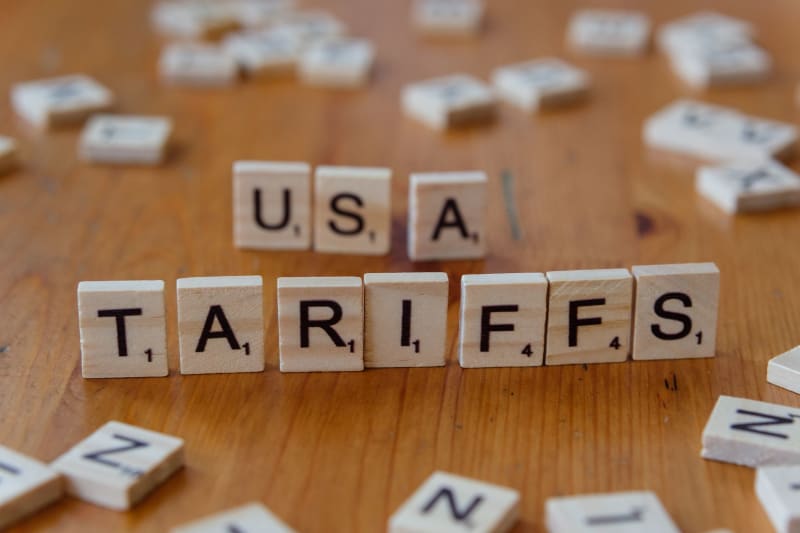
- New tariff proposals are actively being considered, poised to significantly reshape international trade dynamics and domestic economic stability across multiple key sectors.
- U.S. businesses, particularly those reliant on global supply chains, are expressing deep concern over potential cost increases and market access restrictions, forcing strategic reassessments.
- Consumers face the imminent threat of higher prices on a wide array of imported goods, exacerbating existing inflationary pressures and impacting household budgets nationwide.
- Policymakers are under intense scrutiny as they weigh the purported benefits of protectionism against the undeniable risks of retaliatory measures and economic slowdowns.
- Key industries, including manufacturing, technology, and agriculture, are actively lobbying against broad tariff applications, fearing severe disruptions to their competitiveness and export markets.
- The global economic landscape is bracing for increased volatility, with potential trade wars threatening to undermine international cooperation and disrupt established commercial relationships.
The Record
The previous administration's aggressive implementation of tariffs on a wide array of goods, predominantly from China, marked a significant departure from decades of free-trade policies. These measures were primarily justified as tools to safeguard domestic industries, reduce burgeoning trade deficits, and compel trading partners to address perceived unfair trade practices. While some sectors, like steel and aluminum, initially reported a degree of relief from foreign competition, the broader economic impact remained a subject of intense debate and mixed outcomes, laying the groundwork for current policy considerations.
Analysis of the initial tariff rounds revealed a complex tapestry of winners and losers. While certain domestic manufacturers saw a temporary boost, many U.S. companies reliant on imported components faced sharply increased input costs, eroding profit margins and sometimes leading to price hikes for consumers. Export-oriented industries, particularly agriculture, bore the brunt of retaliatory tariffs from countries like China, resulting in significant market losses and demands for government compensation. This intricate web of effects underscores the difficulty in isolating the precise economic consequences of such broad-brush trade policies.
The enduring legacy of these past tariff actions continues to shape the current political and economic discourse. Policymakers are now grappling with the lessons learned, balancing the desire for industrial protection and national security with the imperative to maintain competitive global supply chains and avoid escalating trade conflicts. The effectiveness of tariffs as a strategic economic lever remains a contentious issue, influencing the cautious yet determined approach of the current administration as it contemplates its own suite of trade interventions.
Who Knew and When
Whispers of potential new tariff expansions began circulating through Washington D.C. and key industry circles as early as January 2026, long before any official announcements. These initial discussions, often held behind closed doors between administration officials and select trade representatives, focused on identifying vulnerable sectors and assessing the political feasibility of renewed protectionist measures. The early signals were subtle, but astute observers in the capital recognized a distinct shift in rhetoric, indicating a renewed appetite for aggressive trade policy interventions.
By March, these informal discussions solidified into more concrete warnings for specific industries. Trade associations and major corporations received discreet briefings from government liaisons, advising them to prepare for potential disruptions and to model the impact of various tariff scenarios. This pre-emptive communication allowed some businesses to begin contingency planning, exploring alternative supply chains or adjusting pricing strategies. However, the lack of public transparency during this phase sparked frustration among smaller businesses and those without direct access to government channels, leaving many unprepared for the impending policy shifts.
The administration's intent became unequivocally clear in April when senior officials made a series of public statements confirming a comprehensive review of existing tariff structures and an openness to expanding them. These pronouncements, often delivered with an emphasis on national security and domestic job creation, sent immediate shockwaves through global markets and prompted a flurry of activity among economists and policy analysts. The confirmation of a proactive stance on trade policy effectively signaled the end of a brief period of relative calm, ushering in an era of heightened uncertainty for international commerce.
Voices from the Ground
On the ground, small and medium-sized enterprises (SMEs) are already feeling the acute strain of anticipated tariff hikes. Many operate with razor-thin margins and rely heavily on a globalized supply chain for essential components and raw materials. The prospect of increased import duties translates directly into higher operational costs, which these businesses often find impossible to absorb without passing them onto consumers or, worse, facing significant profitability challenges that could threaten their very existence. This uncertainty creates a climate of hesitation, stifling investment and expansion plans across the SME sector.
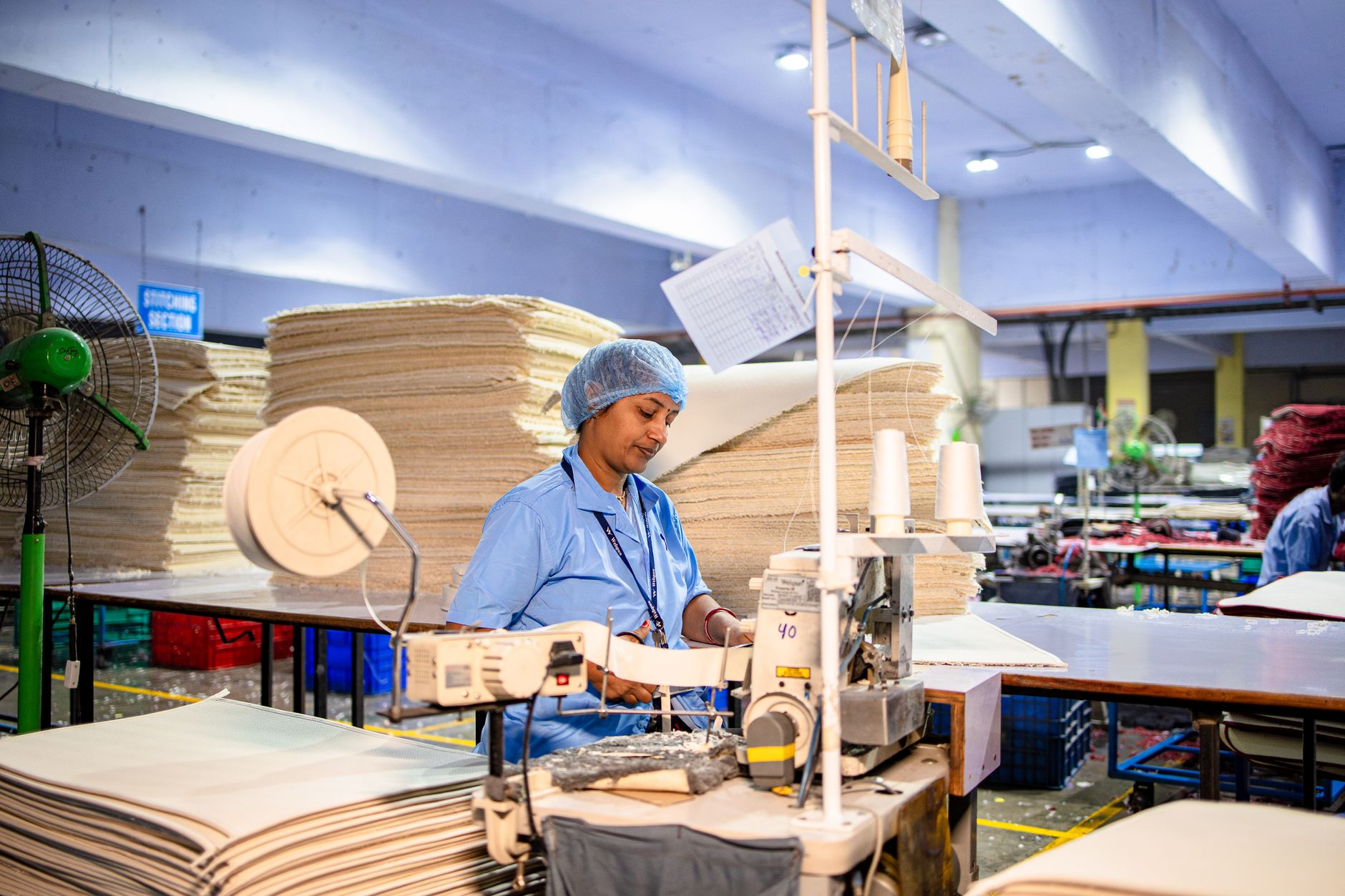
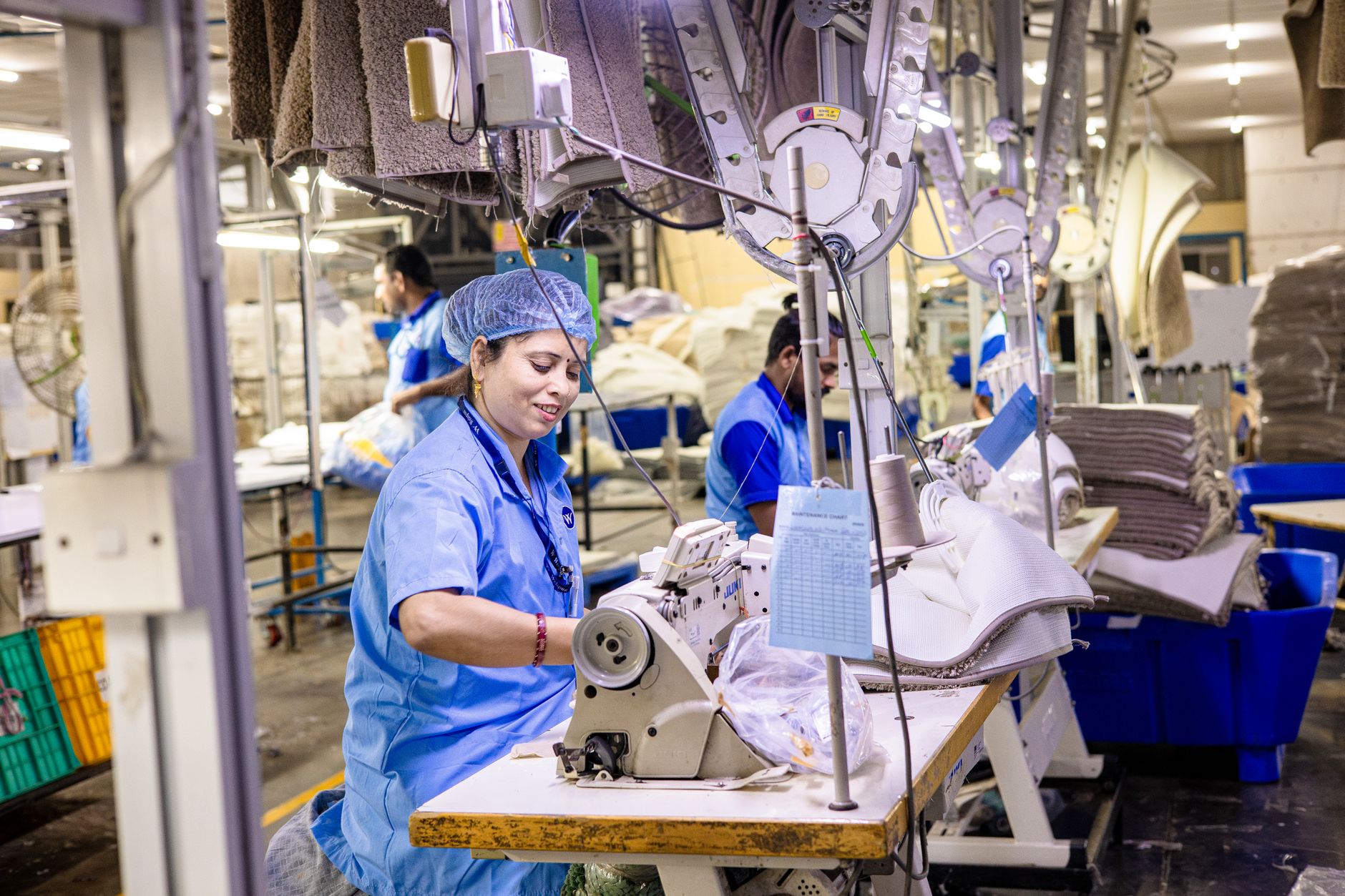
Larger corporations, while possessing greater resources, are not immune to the impending disruptions. Many are actively exploring costly and time-consuming reshoring or nearshoring options, a strategic pivot that involves relocating manufacturing or sourcing closer to home. However, this process is fraught with logistical complexities, significant capital expenditure, and the challenge of finding skilled labor domestically. The shift is not merely an economic decision but a fundamental re-evaluation of global operational strategies, driven by a desire to mitigate future tariff risks and enhance supply chain resilience, albeit at a substantial upfront cost.
For the average American consumer, the most tangible impact of these trade policies is already manifesting in their daily lives. Higher import costs are steadily translating into increased retail prices for a vast array of goods, from electronics and apparel to household appliances and even certain food items. This adds another layer of inflationary pressure to an already strained economy, eroding purchasing power and forcing households to make difficult budgetary choices. The sentiment among manufacturers, while cautiously optimistic about domestic protection, is deeply concerned about potential retaliatory tariffs from trading partners, which could further destabilize export markets and ultimately harm the very industries tariffs aim to protect.
The Debate
Proponents of the proposed tariffs champion them as a vital tool for safeguarding American jobs, bolstering national security, and leveling the playing field against perceived unfair trade practices. They argue that strategic tariffs can incentivize domestic production, reduce reliance on foreign adversaries for critical goods, and force trading partners to adhere to international trade norms. This perspective often highlights the long-term benefits of a robust domestic industrial base, even if it entails short-term economic adjustments and potentially higher consumer costs, framing it as an investment in national resilience and economic sovereignty.
Conversely, opponents vehemently contend that tariffs are a self-defeating policy, ultimately harming American consumers and exporters while risking global trade wars. Their arguments center on the idea that tariffs act as a regressive tax, raising prices for everyday goods and disproportionately affecting lower-income households. Furthermore, they warn that retaliatory tariffs from other nations could cripple U.S. export industries, particularly agriculture and high-tech manufacturing, leading to job losses and diminished international competitiveness. Many economists also point to historical evidence suggesting that tariffs rarely achieve their stated goals without significant collateral damage.
The academic and policy debate remains sharply divided, with economists offering conflicting projections on the long-term efficacy and consequences of widespread tariff implementation. Some models suggest limited overall economic impact, while others forecast significant GDP reductions and inflationary spikes. The core disagreement often revolves around whether tariffs are a blunt instrument, prone to unintended consequences, or a strategic, surgical tool capable of achieving specific geopolitical and economic objectives in a complex global economy. This intellectual chasm underscores the profound uncertainty facing businesses and consumers as these policies are debated and potentially enacted.

Your Questions Answered
What Accountability Looks Like
True accountability for tariff policies demands rigorous, transparent, and continuous data analysis. Government agencies, independent economic think tanks, and industry associations must meticulously track a wide array of economic indicators, including import/export volumes, consumer price indices, employment figures in affected sectors, and overall GDP growth. This comprehensive monitoring is essential to move beyond anecdotal evidence and provide a clear, evidence-based assessment of whether the stated goals of tariffs—such as job creation, deficit reduction, or national security enhancement—are genuinely being achieved, and crucially, at what precise cost to other segments of the economy and the broader public.
Holding policymakers accountable means directly correlating policy implementation with measurable outcomes. It requires establishing clear, quantifiable metrics *before* tariffs are enacted and then consistently reporting on progress against those benchmarks. If tariffs are intended to protect specific industries, are those industries demonstrably growing, hiring, and investing more? If the aim is to reduce trade deficits, is there a clear and sustained improvement in the balance of trade? Without such clear-cut evaluation criteria and transparent reporting, the public and affected businesses are left without the necessary information to assess the true efficacy and wisdom of these significant economic interventions.
Ultimately, accountability extends beyond mere economic statistics to the broader societal impact. It involves understanding the ripple effects on consumer purchasing power, the competitiveness of export-oriented businesses, and the stability of international trade relations. Public discourse must be informed by unbiased analysis, allowing for a nuanced understanding of trade-offs rather than simplistic narratives. Policymakers must be prepared to adjust or repeal policies that fail to deliver on their promises or inflict undue harm, demonstrating a commitment to data-driven governance rather than ideological rigidity. This commitment to transparency and adaptability is paramount for navigating the complex terrain of global trade policy responsibly.













Comments
No comments yet. Be the first to comment!