
Key Takeaways
- The United States has implemented a significant new package of sanctions, specifically targeting several state-owned Cuban entities deemed crucial to the island's economic infrastructure and financial operations.
- These punitive measures are explicitly designed to increase economic pressure on the Cuban government, aiming to compel changes in its domestic policies and its international alliances, particularly concerning Venezuela.
- Analysts widely anticipate that these expanded sanctions will exacerbate existing economic hardships for the Cuban populace, potentially leading to shortages and a further decline in living standards across the island.
- The international community's response remains divided, with some nations supporting the U.S. stance on human rights and democracy, while others express deep concern over the humanitarian implications and the principle of national sovereignty.
- The imposition of these new restrictions casts a long shadow over the already fragile relationship between the U.S. and Cuba, signaling a potential return to more confrontational diplomatic postures rather than engagement.
- Experts are closely monitoring the potential for the Cuban government to implement countermeasures or seek stronger alliances with other nations, thereby creating a complex and unpredictable geopolitical landscape in the Caribbean.
Background
The relationship between the United States and Cuba has been historically fraught with tension, marked by a comprehensive economic embargo initiated in the early 1960s. This embargo, one of the longest-standing in modern history, was a direct response to the Cuban Revolution and the nationalization of American assets. Over the decades, various U.S. administrations have adjusted the intensity and scope of these restrictions, oscillating between periods of heightened pressure and attempts at diplomatic rapprochement, reflecting shifting geopolitical priorities and domestic political considerations within the U.S.
Recent years saw a brief, historic thaw under the Obama administration, which restored diplomatic ties and eased some travel and trade restrictions, sparking hopes for a new era of engagement. However, this period of normalization proved short-lived. The subsequent U.S. administration swiftly reversed many of these policy changes, citing concerns over human rights abuses in Cuba, the island's support for the Maduro regime in Venezuela, and its alleged role in regional destabilization. This reversal set the stage for a renewed policy of maximum pressure, culminating in the latest round of targeted sanctions.
The current administration's rationale for these new sanctions is rooted in a stated commitment to promoting democracy and human rights in Cuba, alongside a desire to cut off financial lifelines to what it perceives as an oppressive regime. By targeting key state-owned enterprises, Washington aims to disrupt the Cuban government's revenue streams and its ability to fund its operations, both domestically and abroad. This strategy seeks to isolate the Cuban economy further, hoping that increased internal pressure will ultimately lead to significant political reforms and a shift away from its socialist economic model.
Why It Matters
These new sanctions carry profound implications for the already struggling Cuban economy and its citizens. By targeting entities central to the island's financial and commercial operations, the U.S. aims to choke off vital revenue streams, making it increasingly difficult for Cuba to import essential goods like food, medicine, and fuel. This economic constriction directly translates into heightened scarcity and inflated prices for ordinary Cubans, exacerbating daily hardships and potentially leading to a humanitarian crisis if not carefully managed. The ripple effect on public services, infrastructure, and the nascent private sector could be devastating.
Beyond the immediate economic impact, these measures significantly complicate the geopolitical landscape of the Caribbean and Latin America. Cuba has historically played a pivotal role in regional dynamics, and increased U.S. pressure could push the island nation to strengthen alliances with other global powers, such as China or Russia, potentially leading to a more complex and confrontational regional environment. This could also embolden other nations to challenge U.S. influence, creating a broader diplomatic standoff that extends beyond the bilateral relationship.
Furthermore, the sanctions reignite a contentious debate within U.S. foreign policy circles regarding the effectiveness and ethics of such punitive economic measures. Critics argue that sanctions often harm the civilian population more than the targeted regime, potentially entrenching authoritarian rule rather than undermining it. Proponents, however, maintain that economic pressure is a necessary tool to force policy changes and uphold democratic values. The outcome of these latest sanctions will undoubtedly inform future U.S. approaches to countries deemed adversaries, making this a critical case study in international relations and humanitarian impact.
Ground Reality
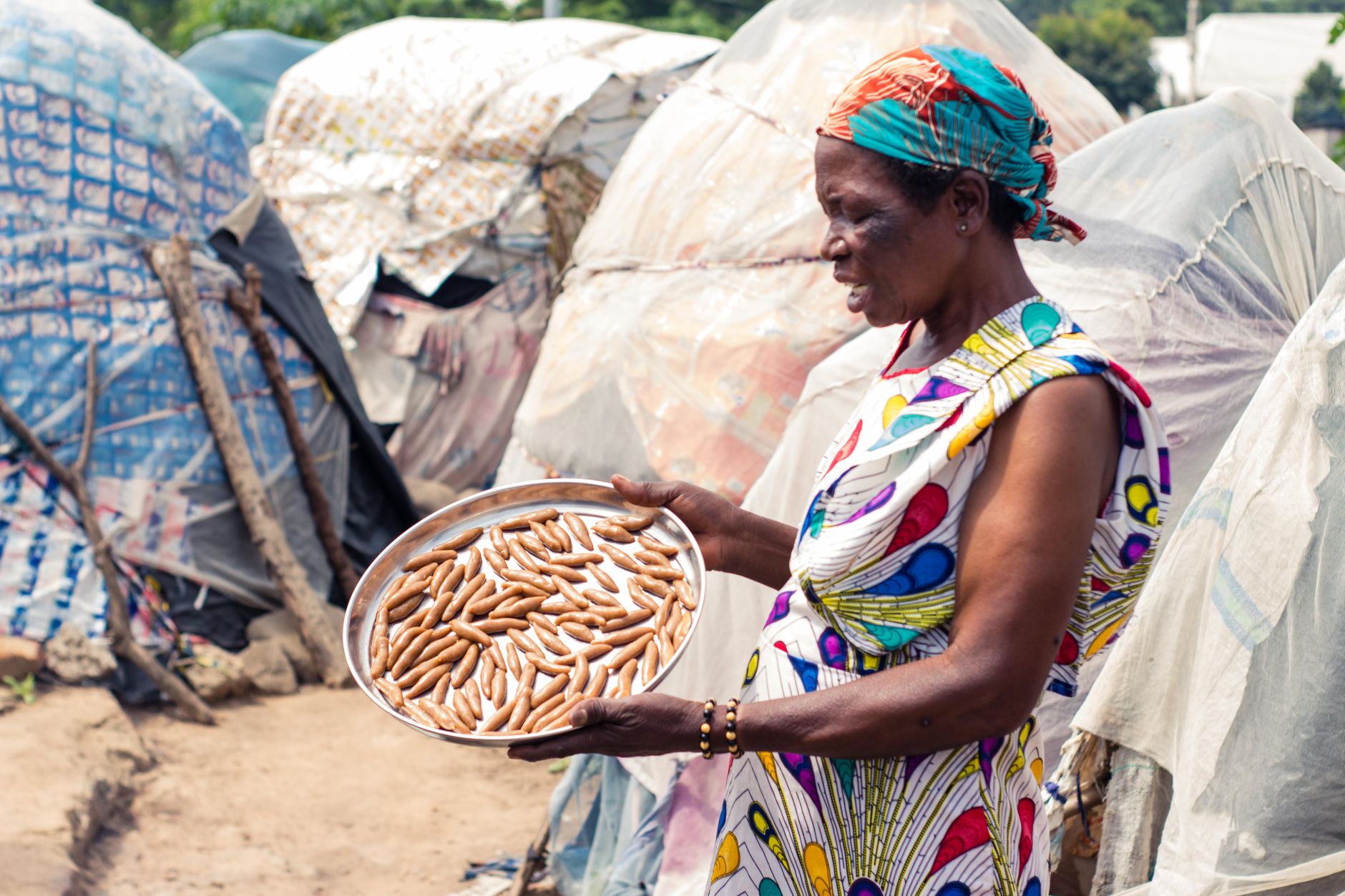
On the ground in Cuba, the immediate impact of these new sanctions is likely to be felt acutely by the general populace, who already contend with chronic shortages and a challenging economic environment. State-owned enterprises are deeply integrated into every facet of daily life, from food distribution and transportation to energy and tourism. Restricting their access to international finance and trade means fewer resources for these critical services, leading to longer queues for basic necessities, reduced public services, and a further erosion of purchasing power for average citizens. The scarcity of foreign currency will also make it harder for the government to invest in essential infrastructure or even maintain existing facilities.
The Cuban government, accustomed to navigating decades of U.S. embargo, will undoubtedly frame these sanctions as an act of aggression and an attempt to undermine its sovereignty, using it to rally domestic support. Historically, such external pressures have often led to increased internal control and a reinforcement of the existing political structure rather than a loosening. While the government will likely seek alternative trade partners and financial avenues, the immediate challenge will be mitigating the direct impact on its citizens and maintaining social stability amidst increased economic strain.
For Cuba's burgeoning private sector, which has seen some limited growth in recent years, these sanctions present a complex and often contradictory challenge. While the sanctions primarily target state entities, the overall chilling effect on foreign investment, banking relationships, and supply chains inevitably spills over, making it harder for small businesses to import goods, access capital, or even process international payments. This indirect pressure stifles the very economic diversification that many international observers believe could lead to greater prosperity and, eventually, political openness. The hope for a vibrant independent economy is further dimmed by these broad restrictions.
What Experts Are Saying
Experts on U.S.-Cuba relations are largely divided on the efficacy of these intensified sanctions. Many argue that a strategy of "maximum pressure" rarely achieves its stated goals of regime change or significant policy shifts, often instead leading to increased suffering among the civilian population and entrenching the targeted government. Dr. Elena Rodriguez, a Latin American studies scholar, notes, "Decades of embargo have shown us that isolating Cuba tends to strengthen the government's narrative of external aggression, rather than fostering internal dissent that leads to democratic reforms. These new sanctions risk repeating that cycle."
Conversely, some analysts contend that sustained economic pressure is the only viable method to compel a totalitarian regime to alter its behavior, particularly when diplomatic avenues have proven ineffective. Dr. Mark Thompson, a former State Department official, suggests, "While the humanitarian concerns are valid, ignoring the Cuban government's actions, particularly its support for authoritarian regimes like Venezuela, is not an option. These targeted sanctions aim to reduce the regime's capacity to project power and repress its own people, forcing a reevaluation of its strategic priorities." This perspective emphasizes the long-term strategic objectives over immediate humanitarian impacts.
There's also a significant discussion among economists regarding the specific design of these sanctions. Some argue that broadly targeting state-owned enterprises, which are deeply intertwined with the daily lives of Cubans, is counterproductive. They advocate for more precise, individual-based sanctions against specific officials implicated in human rights abuses or corruption, which might minimize civilian harm while still exerting pressure. However, others counter that the pervasive nature of state control in Cuba makes such surgical strikes nearly impossible without impacting the broader economy, presenting a difficult dilemma for policymakers.
Frequently Asked Questions
What Happens Next
In the immediate aftermath of these sanctions, observers anticipate a period of heightened economic strain within Cuba. The government will likely scramble to find alternative sources of finance and trade, potentially deepening its reliance on allies like China and Russia, which could further complicate U.S. foreign policy objectives in the region. Domestically, authorities will face the difficult task of managing public discontent arising from increased shortages and economic hardship, possibly leading to tighter internal controls and a reinforcement of the state's narrative against external aggression.
Looking ahead, the trajectory of U.S.-Cuba relations remains highly uncertain. These sanctions signal a clear commitment from the current U.S. administration to a policy of maximum pressure, suggesting that further punitive measures could be on the horizon if Cuba does not alter its course. This approach leaves little room for diplomatic engagement or a return to the normalization efforts seen in previous years, potentially locking both nations into a prolonged period of confrontation and mutual distrust. The impact on regional stability and international alliances will be a key area to watch.
The long-term implications extend beyond the immediate economic and political spheres. The sanctions will undoubtedly fuel ongoing debates about humanitarian aid and the role of international organizations in mitigating the impact on the Cuban people. There will be increased scrutiny on how these measures affect access to essential goods and services, prompting calls from human rights groups and international bodies for a reevaluation of policies that disproportionately affect civilians. The global community will be watching closely to see if these sanctions achieve their intended policy outcomes or merely exacerbate an already dire humanitarian situation.









Comments
No comments yet. Be the first to comment!