
What We Know
- The United States military executed precision retaliatory strikes against multiple facilities utilized by Iranian-backed militia groups in Syria and Iraq, directly responding to a recent attack on a commercial vessel near the Strait of Hormuz.
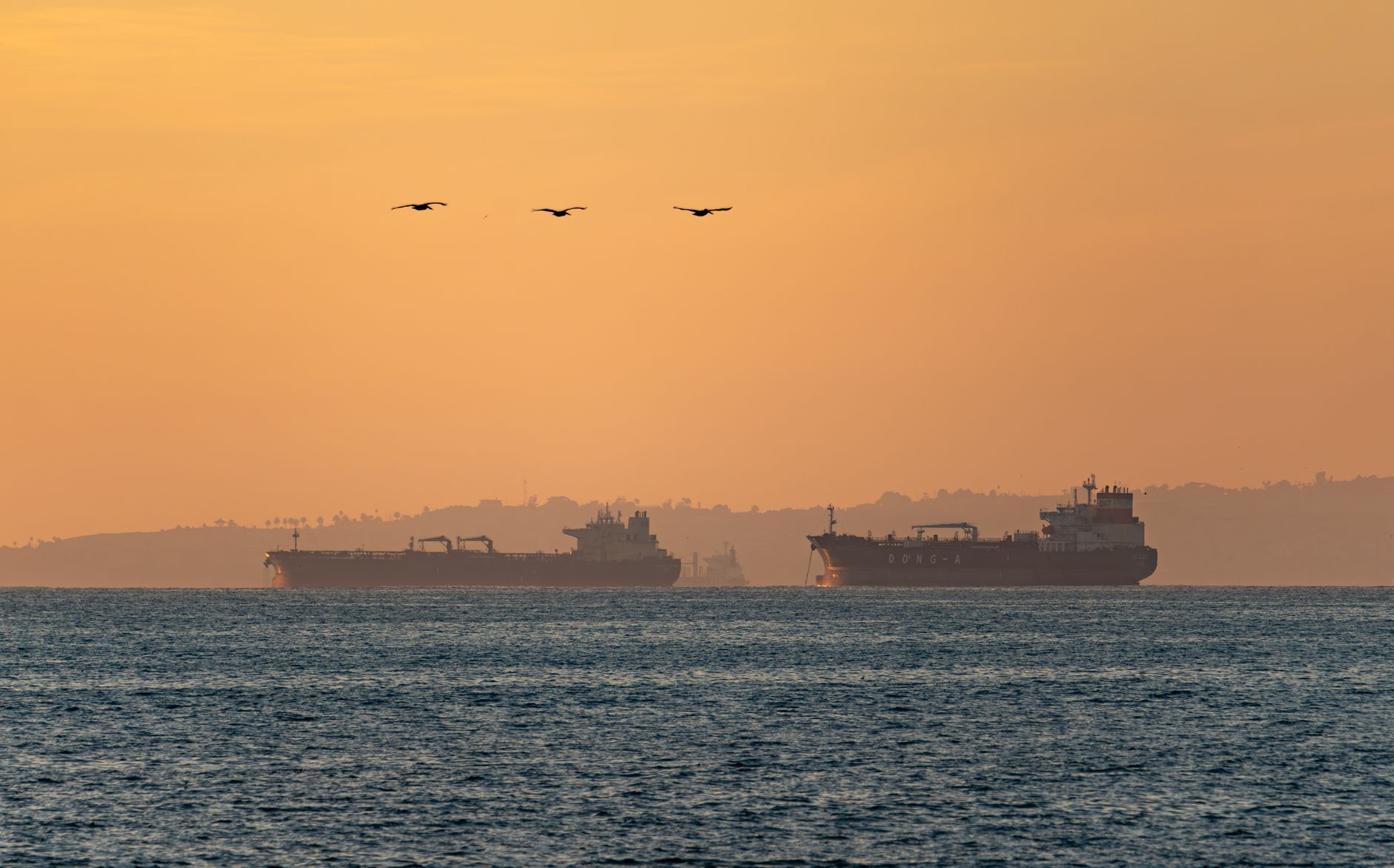
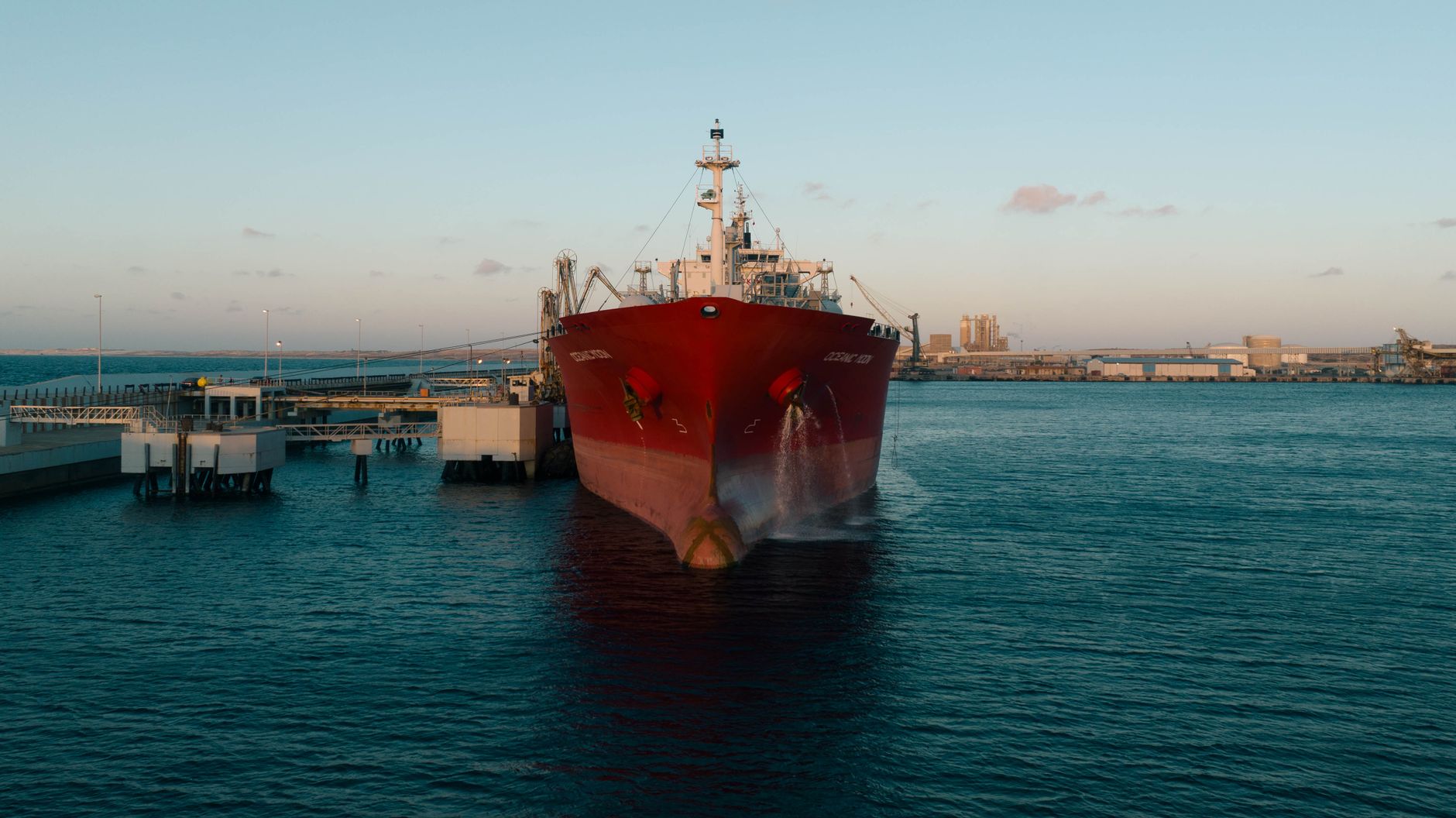
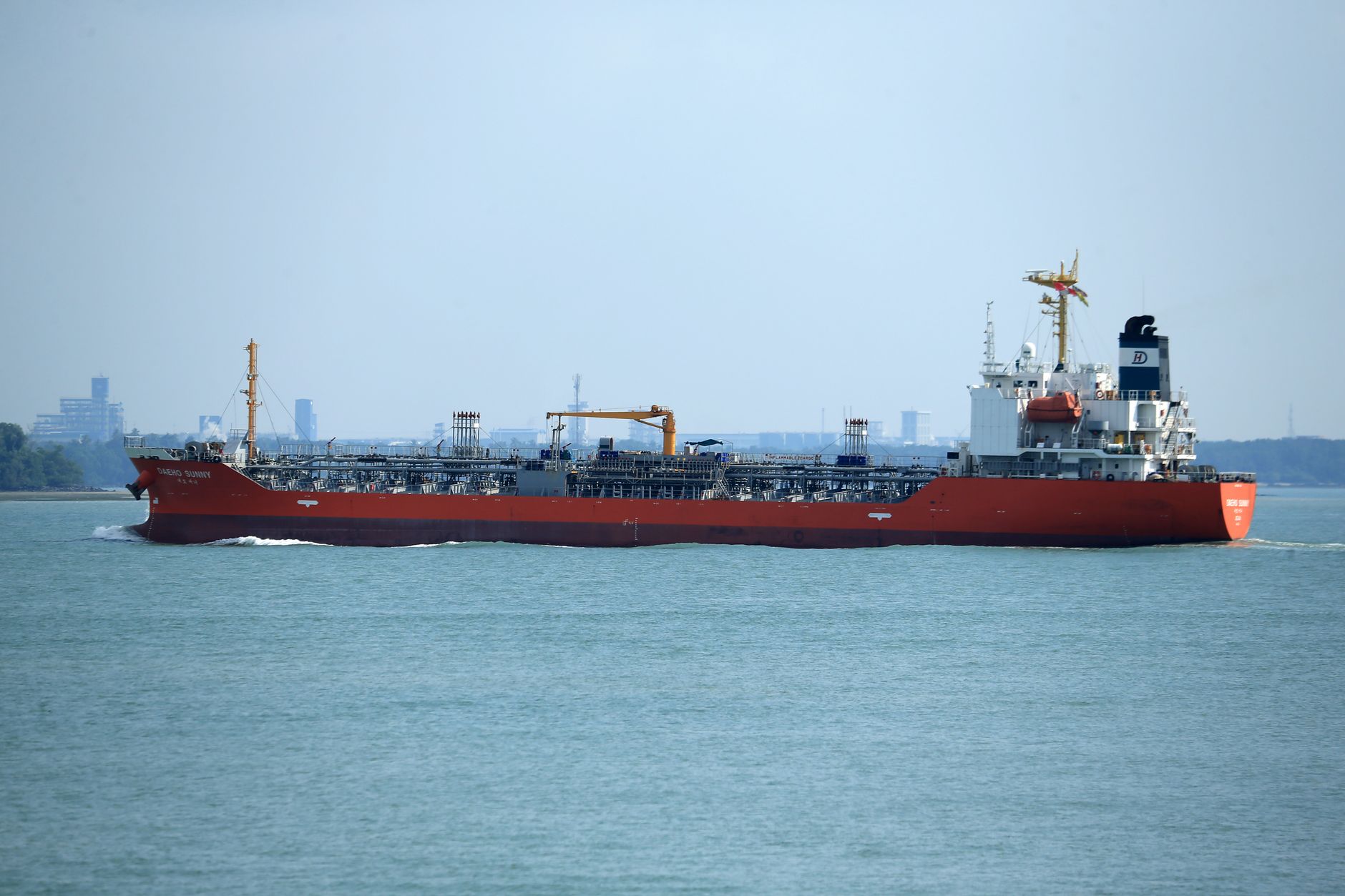
- These targeted strikes were a direct consequence of an unmanned aerial vehicle (UAV) attack on the M/V Chem Pluto, a Liberian-flagged, Japanese-owned chemical tanker, which occurred approximately 200 nautical miles off the coast of India.
- U.S. intelligence assessments have unequivocally attributed the initial attack on the commercial vessel to an Iranian-launched drone, significantly raising the stakes in an already volatile maritime region.
- Iran has vehemently denied any direct involvement in the M/V Chem Pluto incident, yet it openly acknowledges and supports various proxy groups operating across the Middle East, often implicated in regional destabilization efforts.
- The immediate aftermath of the U.S. strikes has seen a palpable increase in regional tensions, with calls from international bodies for de-escalation and a cautious monitoring of potential counter-responses from Tehran or its allies.
- Global energy markets have reacted with concern, as the Strait of Hormuz remains a critical chokepoint for a substantial portion of the world's oil supply, making any disruption a potential economic crisis.
What We Do Not Know Yet
- The precise and verifiable extent of damage inflicted by the U.S. retaliatory strikes on the targeted Iranian-backed militia facilities remains unclear, with conflicting reports emerging from various sources regarding casualties and operational impact.
- The specific nature and timing of Iran's potential counter-response, if any, are still unknown, leaving regional actors and international observers in a state of heightened anticipation regarding future escalations.
- The long-term ramifications for global crude oil prices and the broader energy market are yet to be fully assessed, as sustained instability in the Strait of Hormuz could trigger significant economic repercussions worldwide.
- Whether other regional powers, beyond the immediate U.S.-Iran dynamic, will be drawn into this escalating conflict, either through direct intervention or increased proxy activities, is a critical unanswered question.
- The full scope of intelligence that definitively linked Iran to the M/V Chem Pluto attack has not been publicly disclosed, leading to ongoing debate and scrutiny regarding the justification for the U.S. military response.
- The diplomatic pathways for de-escalation and the potential for international mediation efforts to prevent a wider conflict are currently uncertain, highlighting the precariousness of the current geopolitical landscape.
Background
The Strait of Hormuz, a narrow waterway connecting the Persian Gulf to the open ocean, stands as the world's most vital chokepoint for oil transit, with approximately one-fifth of global petroleum consumption passing through its waters daily. This strategic significance has historically made it a flashpoint for geopolitical tensions, particularly between Iran and Western powers. For decades, the region has been plagued by a series of maritime incidents, including tanker attacks, seizures, and near-misses, often attributed to Iran or its proxies, all contributing to an environment of persistent instability and heightened military readiness among international naval forces.
Recent years have seen a marked increase in these provocative actions, fueled by a complex interplay of factors including the collapse of the Iran nuclear deal (JCPOA), stringent U.S. sanctions, and Iran's expanding regional influence through various non-state actors. Tehran views its control or influence over the Strait as a strategic leverage point against perceived adversaries, particularly the United States and its Gulf allies. This dynamic has created a precarious balance, where any incident, no matter how isolated, carries the potential to ignite a broader regional confrontation with far-reaching global implications for trade and security.
The latest attack on a commercial vessel, the M/V Chem Pluto, near the Strait of Hormuz, represents a dangerous escalation in this already fraught environment. While Iran denies direct involvement, the U.S. and its allies have consistently pointed to Tehran's pattern of behavior and its support for groups capable of such operations. This incident, therefore, is not an isolated event but rather another chapter in a long-running saga of maritime insecurity and strategic brinkmanship that directly threatens the free flow of international commerce and the stability of a region critical to global energy supplies.
Why It Matters
The immediate ramifications of these escalating tensions are profound, primarily impacting global energy security. The Strait of Hormuz is not merely a shipping lane; it is the circulatory system of the world's oil supply. Any significant disruption, whether through direct conflict or sustained threats, could trigger a sharp spike in crude oil prices, leading to increased fuel costs for consumers and businesses worldwide. This economic vulnerability underscores why the international community views stability in this region as paramount, as even minor incidents can send ripples of uncertainty through global financial markets and supply chains.
Beyond economics, the U.S. retaliatory strikes carry significant geopolitical weight, signaling Washington's unwavering commitment to protecting international shipping and deterring further aggression. This firm stance aims to re-establish deterrence in a region where Iran and its proxies have grown increasingly emboldened. However, such actions also risk miscalculation, potentially drawing the United States into a deeper and more protracted conflict. The delicate balance of power in the Middle East means that every military action, no matter how justified, has the potential to unravel existing diplomatic efforts and ignite a wider regional conflagration.
Furthermore, the current situation highlights the fragility of international norms regarding freedom of navigation and the protection of commercial shipping. If attacks on civilian vessels become normalized, it sets a dangerous precedent for maritime trade globally, impacting insurance costs, shipping routes, and ultimately, the cost of goods for consumers. The international community must therefore address these threats not only to protect immediate economic interests but also to uphold the foundational principles of safe and secure global commerce, preventing a descent into a lawless maritime environment.
Timeline of Events
- **December 23, 2023:** The M/V Chem Pluto, a Liberian-flagged, Japanese-owned chemical tanker, is struck by a suspected drone approximately 200 nautical miles off the coast of India, causing a fire but no casualties and limited structural damage.
- **December 24, 2023:** U.S. Central Command (CENTCOM) issues a statement attributing the attack to an Iranian-launched one-way attack drone, condemning the action as a direct threat to maritime security and international commerce.
- **December 25, 2023:** Iran's Foreign Ministry publicly denies any involvement in the attack on the M/V Chem Pluto, dismissing the U.S. accusations as baseless and an attempt to shift blame for regional instability.
- **December 26, 2023:** High-level diplomatic consultations commence between the U.S. and its allies, including Japan and India, to assess the implications of the attack and coordinate a potential response to ensure regional stability.
- **December 27, 2023:** The United States launches precision retaliatory strikes against multiple facilities in Iraq and Syria used by Iranian-backed militia groups, stating these actions are a direct response to the attack on the commercial vessel.
- **December 28, 2023:** International bodies, including the United Nations, issue calls for immediate de-escalation from all parties involved, expressing deep concern over the escalating military actions and their potential to destabilize the broader Middle East.

Rapid-Fire Q&A
What Is Coming
- Intensified diplomatic efforts by international powers, including the United Nations and European Union, to engage both the U.S. and Iran in dialogue aimed at preventing further military escalation and restoring stability to the critical maritime region.
- The potential for further retaliatory actions from Iran or its proxy groups, possibly targeting U.S. interests, allied shipping, or regional infrastructure, creating a dangerous cycle of tit-for-tat military exchanges.
- Increased scrutiny and debate within the international community regarding the legality and proportionality of the U.S. strikes, with some nations calling for greater transparency and adherence to international law in military responses.
- A likely increase in military presence and surveillance by international naval forces in the Strait of Hormuz and surrounding waters, aimed at deterring future attacks on commercial shipping and ensuring freedom of navigation.
- Continued volatility in global energy markets, with oil prices remaining sensitive to every development in the Middle East, potentially leading to sustained higher costs for consumers and businesses worldwide.
- A renewed focus on regional alliances and security pacts, as nations in the Middle East and beyond reassess their strategic positions and partnerships in light of the escalating U.S.-Iran confrontation.











Comments
No comments yet. Be the first to comment!