
Policy Snapshot
- The United States launched targeted retaliatory strikes against specific sites within Iran, marking a significant escalation in ongoing regional tensions.
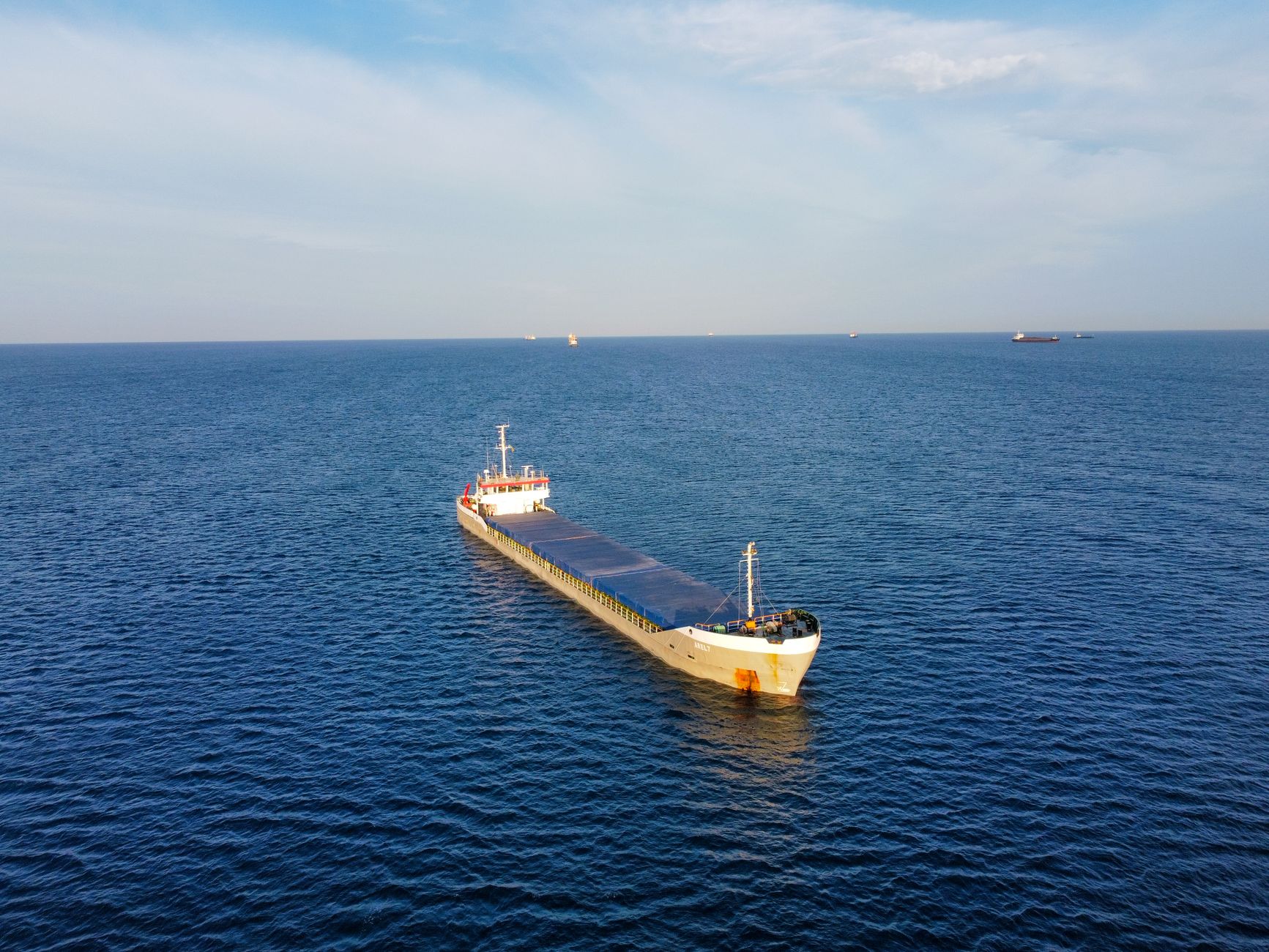
- These strikes were a direct response to a drone attack on a commercial cargo ship in the Gulf of Oman, an incident the U.S. attributes to Iranian-backed forces.
- The drone attack on the cargo vessel caused substantial damage but, fortunately, resulted in no reported casualties among the crew members.
- Former President Trump characterized the drone attack as a clear violation of an existing, albeit broadly defined, ceasefire agreement, intensifying the political rhetoric surrounding the incident.
- The U.S. administration stated its actions were intended to deter further aggression and protect international shipping lanes, emphasizing the principle of freedom of navigation.
- International bodies and allied nations have expressed deep concern over the escalating hostilities, urging all parties to exercise restraint and pursue diplomatic solutions to de-escalate the volatile situation.
The Policy History
The latest U.S. military action against Iran is not an isolated event but rather the newest chapter in a long-standing narrative of geopolitical friction and proxy conflicts that have plagued the Middle East for decades. Tensions between Washington and Tehran have consistently simmered, often boiling over into direct or indirect confrontations, particularly concerning Iran's nuclear program, its regional influence, and the security of vital maritime routes. Previous administrations have grappled with how to contain Iran's ambitions, oscillating between diplomatic engagement, such as the Joint Comprehensive Plan of Action (JCPOA), and robust sanctions regimes coupled with military deterrence. This complex history underscores the deeply entrenched distrust and strategic competition that defines their relationship, making any new incident a potential flashpoint for wider conflict.
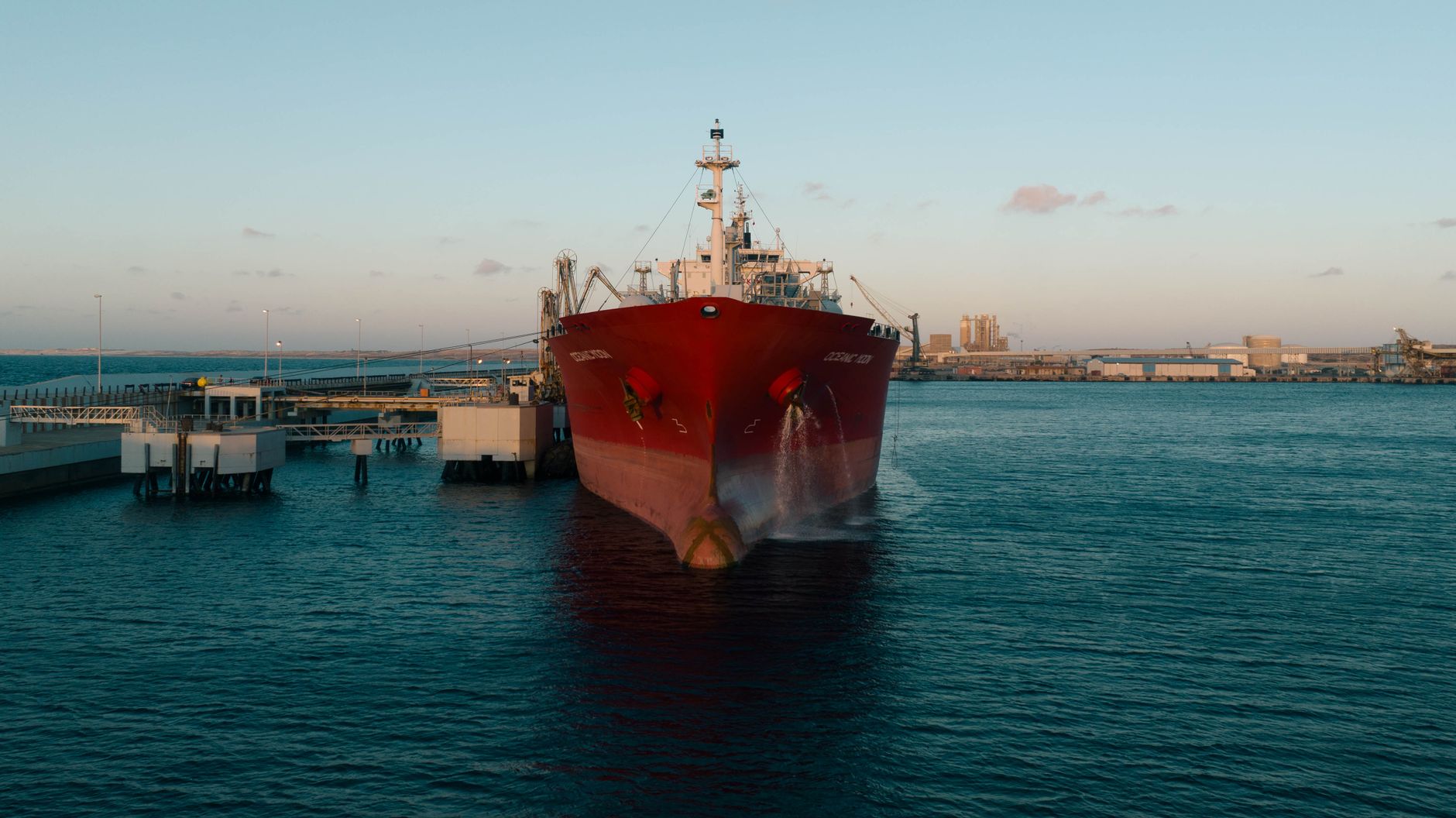
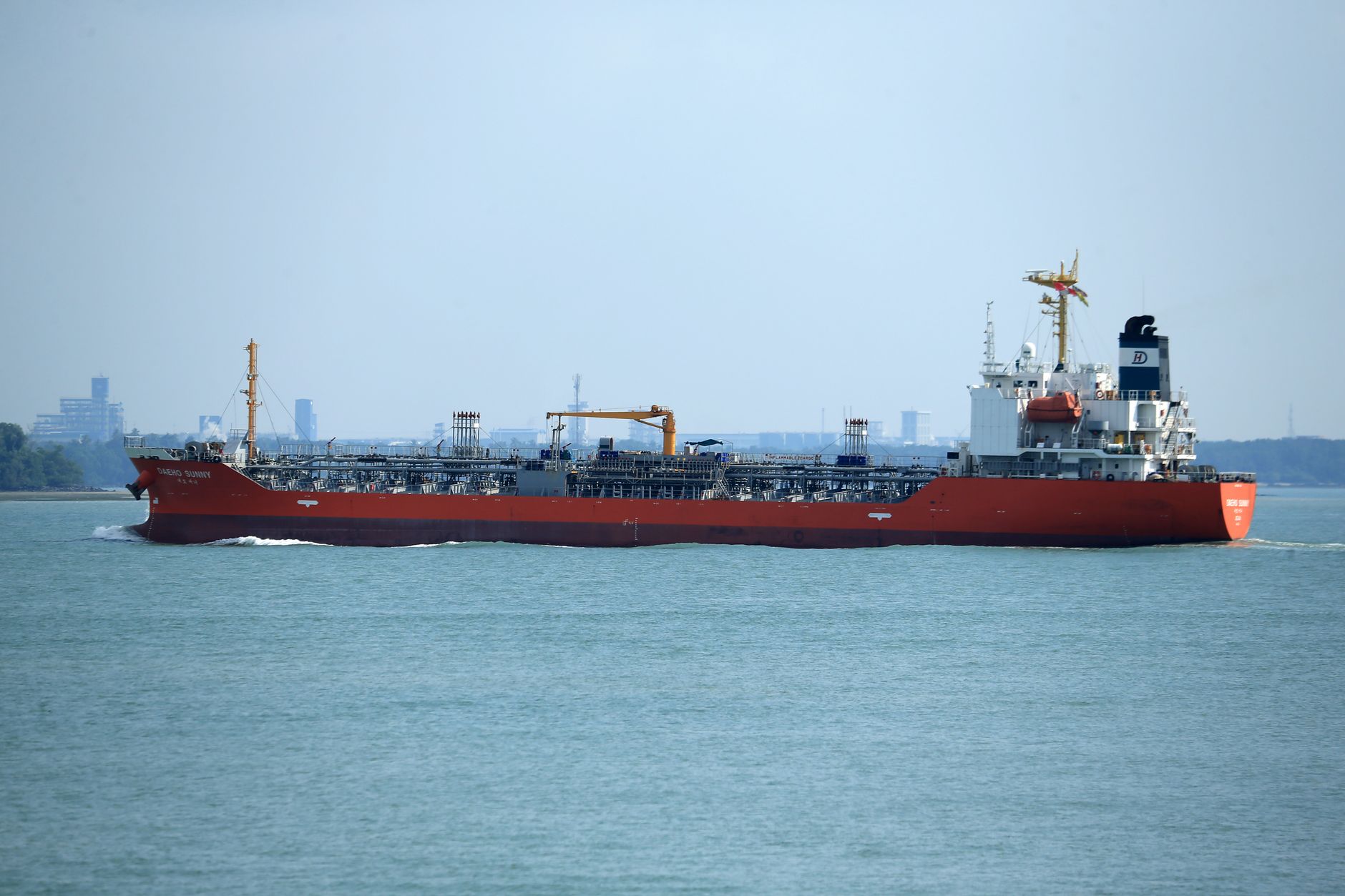
The immediate catalyst for the U.S. response was a drone attack on a commercial cargo ship navigating the critical waters of the Gulf of Oman. This incident, which caused significant damage to the vessel, represents a direct threat to global commerce and the principle of free navigation through international waters. Such attacks disrupt supply chains, inflate insurance costs, and create an atmosphere of severe instability for maritime trade, which is the backbone of the global economy. The U.S. intelligence community swiftly attributed the drone strike to Iranian-backed proxies, viewing it as a deliberate act of aggression designed to challenge international norms and project power within the region. The precision and target selection of the attack suggested a sophisticated capability, raising alarms about the evolving nature of threats in the Persian Gulf.
Following the drone attack, the U.S. government issued a strong condemnation, quickly moving to implement its stated policy of swift retaliation against perceived Iranian aggression. The strikes were framed as a necessary measure to restore deterrence and send an unequivocal message that attacks on international shipping would not be tolerated. Former President Trump's assertion that the drone attack violated a 'ceasefire' adds a layer of complexity to the justification, referencing an informal understanding or broader de-escalation efforts rather than a formal, documented agreement. This claim, while politically charged, highlights the perceived breach of trust and the U.S. determination to respond decisively to actions it deems destabilizing, further solidifying a hawkish stance against Iranian regional activities.
Who Is Affected
The immediate parties directly impacted by this escalation are, first and foremost, the United States and Iran. The U.S. military personnel involved in the retaliatory strikes face inherent risks, while Iran's military and strategic assets become direct targets, potentially incurring significant losses. Beyond the military, the populations of both nations are indirectly affected by the heightened tensions, with increased rhetoric potentially fueling nationalist sentiments and diverting resources from domestic priorities. The crews of commercial vessels operating in the Gulf region, regardless of their nationality, also bear a substantial burden, facing increased danger and uncertainty as maritime security deteriorates, leading to anxieties about their safety and livelihoods in these critical waterways.
Regionally, the ripple effects of this conflict are profound and widespread. U.S. allies in the Gulf, such as Saudi Arabia, the UAE, and Bahrain, find themselves on the front lines of an escalating confrontation, potentially facing retaliatory actions from Iran or its proxies. The stability of these nations is intrinsically linked to regional security, and any disruption can have far-reaching economic and social consequences. Moreover, the vital Strait of Hormuz, a choke point for a significant portion of the world's oil supply, becomes even more precarious. Disruptions here could send shockwaves through global energy markets, impacting prices and availability, and creating economic instability across the entire Middle East and beyond, affecting millions of citizens.
Globally, the implications are also significant. International shipping companies and insurers face increased costs and risks, which are inevitably passed on to consumers through higher prices for goods. The incident challenges international maritime law and the principle of freedom of navigation, prompting calls for greater international cooperation to secure vital trade routes. Diplomatic efforts by the United Nations and various international powers become more urgent, as they strive to de-escalate the situation and prevent a wider conflict that could draw in other nations. The global community watches with bated breath, understanding that a full-blown conflict between the U.S. and Iran could destabilize the entire international order and trigger humanitarian crises on an unprecedented scale.
The Case For
Proponents of the U.S. retaliatory strikes argue that decisive action is absolutely essential to re-establish deterrence and safeguard international maritime security. Allowing unprovoked attacks on commercial shipping to go unanswered would, in this view, embolden aggressive actors and set a dangerous precedent, inviting further acts of piracy and state-sponsored terrorism in critical trade arteries. A strong, immediate response demonstrates resolve and communicates a clear red line, signaling that the U.S. will not tolerate threats to global commerce or its allies' interests. This firm stance is seen as crucial for maintaining stability in a volatile region where perceived weakness can quickly lead to greater aggression and widespread destabilization, potentially impacting global economic flows.
Furthermore, a key argument for the strikes centers on the protection of freedom of navigation, a cornerstone of international law and global trade. The Gulf of Oman and the Strait of Hormuz are indispensable passageways for a substantial portion of the world's oil and gas shipments. Any disruption or threat to these routes has immediate and severe economic repercussions worldwide. By targeting those responsible for the drone attack, the U.S. aims to uphold this fundamental principle, ensuring that commercial vessels can traverse international waters without fear of aggression. This is not merely about U.S. interests, but about preserving a global common good that benefits all nations dependent on secure maritime trade routes for their economic prosperity and stability.
Finally, the U.S. response is often framed as a necessary measure to protect its regional allies and prevent Iran from expanding its influence through malign activities. Many Gulf states view Iran's actions as a direct threat to their sovereignty and economic stability. By acting decisively, the U.S. reinforces its commitment to these partnerships and reassures its allies that it will stand with them against aggression. This show of force is intended to curb Iran's regional adventurism, dismantle its capacity to project power through proxies, and ultimately contribute to a more secure and predictable Middle East. The argument posits that inaction would only undermine U.S. credibility and leave allies vulnerable, potentially leading to a more chaotic and dangerous regional landscape.
The Case Against
Critics of the U.S. retaliatory strikes warn of the severe risk of uncontrolled escalation, potentially plunging the Middle East into a wider, more devastating conflict. Military actions, even those intended as limited responses, often trigger unpredictable counter-responses, creating a dangerous cycle of violence that can be exceedingly difficult to de-escalate. There is a tangible fear that such strikes could provide Iran with a pretext for further aggression, either directly or through its extensive network of proxies, against U.S. assets, personnel, or allied nations in the region. This tit-for-tat dynamic could quickly spiral out of control, drawing in other regional and international actors and transforming a localized incident into a full-scale regional war with catastrophic humanitarian and economic consequences.
Furthermore, questions regarding the legality and proportionality of the U.S. strikes have been raised by international legal experts and some diplomatic circles. Critics argue that while the drone attack on the cargo ship was a serious incident, the extent of the U.S. military response might exceed what is considered proportionate under international law, particularly if the intelligence linking Iran directly to the attack is not unequivocally presented and accepted. There are concerns that such actions could undermine international norms and the authority of multilateral institutions designed to resolve disputes peacefully. A lack of clear, universally accepted justification for the strikes could further destabilize the international legal framework and set a problematic precedent for future interventions.
Another significant concern revolves around the potential for unintended consequences and the long-term impact on diplomatic efforts. Military action, even if successful in the short term, can harden positions, make future negotiations more challenging, and alienate potential mediators. Critics argue that a diplomatic approach, perhaps involving international arbitration or sanctions combined with dialogue, could have been pursued more vigorously before resorting to military force. Such an approach might have offered a path to de-escalation without risking the lives of military personnel or innocent civilians, and without further entrenching the cycle of animosity that has characterized U.S.-Iran relations for so long. The human cost of conflict, both direct and indirect, is a powerful argument against rapid military intervention.
Policy Questions Answered
Implementation Watch
In the immediate aftermath of the U.S. strikes, the world is closely monitoring Iran's official and unofficial reactions. Any direct military response from Tehran, or actions by its proxy forces in the region, would signal a dangerous escalation and could trigger further retaliatory cycles. Attention is also focused on the rhetoric emanating from Iranian leadership, looking for clues about their strategic intentions and whether they seek to de-escalate or further confront. Similarly, the responses from key regional players, including Saudi Arabia, Israel, and other Gulf states, are crucial, as their alignment or condemnation will significantly shape the geopolitical landscape and influence the trajectory of the conflict. The initial hours and days following such an event are critical in determining whether a fragile peace can be maintained or if the region is indeed headed towards a more profound crisis.
Beyond military and political reactions, economic indicators are under intense scrutiny. Global oil prices, shipping insurance rates, and stock markets will reflect the perceived stability or instability of the Middle East. Any significant spikes in oil prices or disruptions to maritime trade routes would indicate a deepening crisis with global economic ramifications. Diplomatic channels will also be working overtime, with international organizations like the UN Security Council likely to convene emergency sessions. The effectiveness of these diplomatic efforts in fostering de-escalation and preventing further military action will be a key measure of the international community's ability to manage this volatile situation. The actions of major powers like China and Russia, and their influence on both the U.S. and Iran, will also be closely watched.
Looking ahead, the U.S. administration's subsequent policy statements and actions will be critical in defining the long-term implications of these strikes. Will there be a clear articulation of future red lines, or will the approach remain ambiguous? The commitment of international allies to support U.S. efforts, or conversely, to push for de-escalation, will also shape the strategic environment. The potential for a new diplomatic initiative, perhaps brokered by a neutral third party, cannot be entirely ruled out, though the current climate makes it challenging. Ultimately, the 'implementation watch' extends to assessing whether these retaliatory strikes achieve their stated goal of deterrence, or if they inadvertently pave the way for a more prolonged and dangerous period of confrontation in one of the world's most strategically vital regions.











Comments
No comments yet. Be the first to comment!