
Policy Snapshot
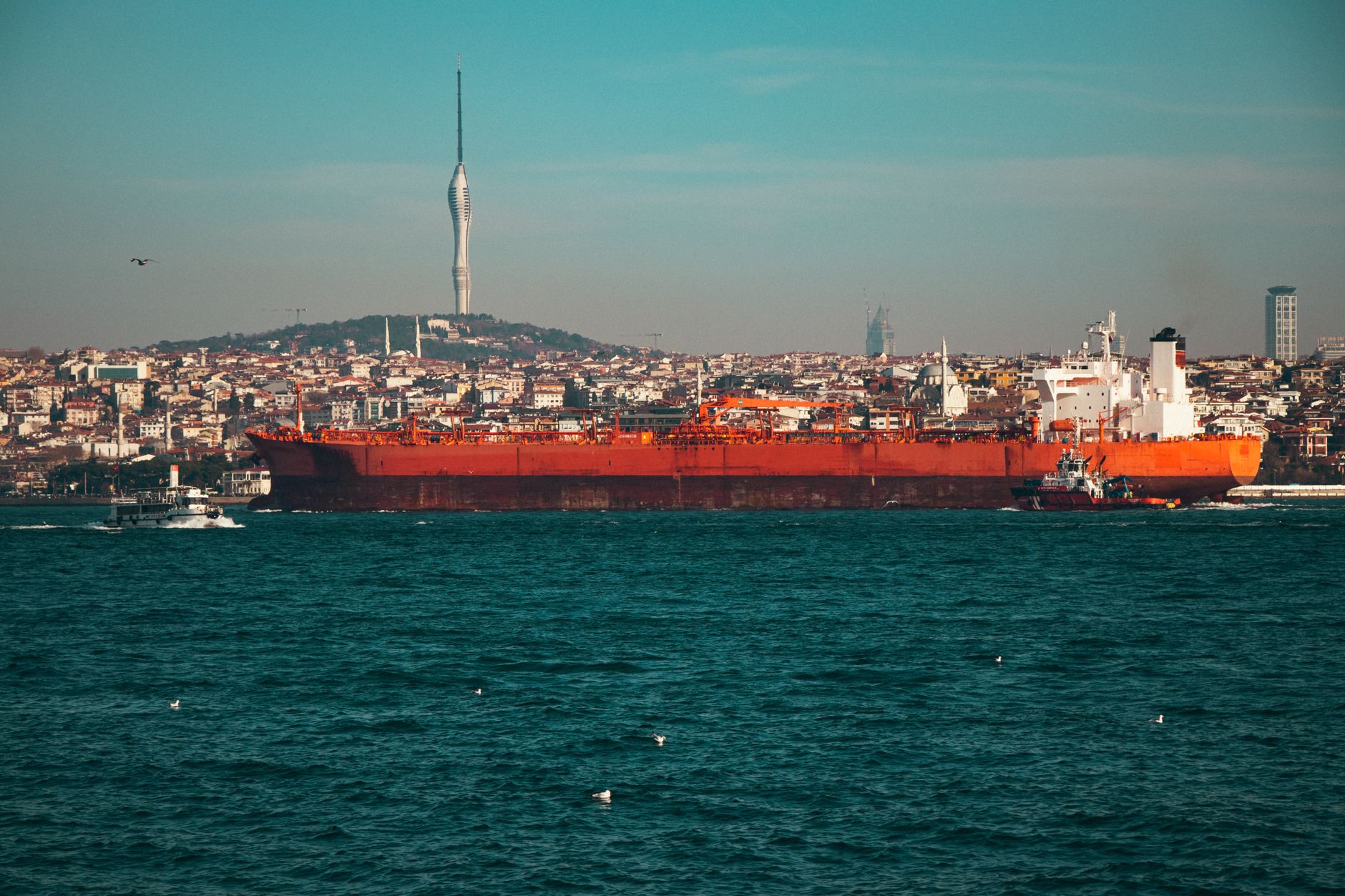
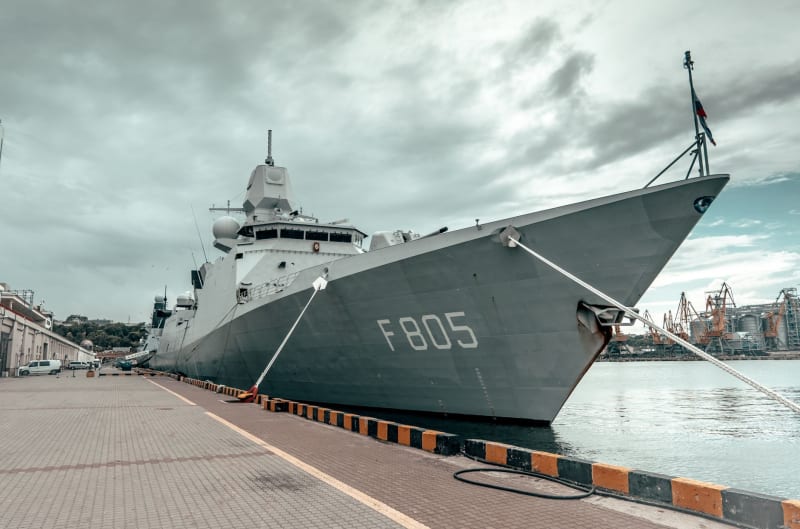
- The United States has initiated targeted military strikes within the strategically vital Strait of Hormuz, marking a significant escalation in regional tensions and a direct response to perceived Iranian aggression and destabilizing actions.
- These decisive military actions by the US come in the wake of grave accusations that Iran deliberately violated a recently established, albeit fragile, ceasefire agreement, thereby jeopardizing delicate peace efforts and regional stability.
- The primary objective of these retaliatory strikes is to unequivocally deter any further Iranian aggression and to safeguard the integrity of international shipping lanes, which are absolutely critical for the uninterrupted flow of global commerce and energy supplies.
- Conversely, Iran vehemently denies any violation of the ceasefire terms, condemning the US military action as an unwarranted act of aggression and a blatant breach of sovereignty, openly threatening severe retaliatory measures.
- In response to the escalating crisis, numerous international bodies and allied nations are urgently appealing for immediate de-escalation and a swift return to diplomatic negotiations, expressing profound fears of a potential wider regional conflict.
- Global oil prices have experienced a dramatic and immediate surge following this rapid escalation of tensions in the critical Middle East region, directly impacting international economies and raising concerns about energy security worldwide.
The Policy History
Tensions between the US and Iran have been simmering for decades, often centered around Iran's nuclear program and its regional influence. The Strait of Hormuz, a critical chokepoint for global oil shipments, has frequently been a flashpoint for these tensions. Recent diplomatic efforts had led to a fragile ceasefire, intended to de-escalate military posturing and allow for renewed negotiations on broader security concerns.
The current crisis erupted when the US accused Iran of deploying fast-attack craft near international shipping in violation of the ceasefire terms. While specific details of the alleged violation remain disputed, the US swiftly responded with military force, citing the need to protect its assets and ensure freedom of navigation. This rapid escalation underscores the precarious nature of the regional security environment and the inherent risks of miscalculation in such a volatile area. The international community watches with bated breath as the situation teeters on the brink of wider conflict, highlighting the profound fragility of peace in the Gulf.
Historical precedents show that even minor incidents in the Strait of Hormuz can quickly spiral into significant international crises, with far-reaching geopolitical and economic repercussions. The economic implications, particularly for global energy markets, are profound, as the Strait is a conduit for a substantial portion of the world's oil supply. The international community is now grappling with how to prevent a full-scale conflict while addressing the underlying grievances and security concerns of both nations, a diplomatic tightrope walk that demands extreme caution and strategic foresight to avoid catastrophic outcomes.
Who Is Affected
The most immediate and profound impact falls upon the populations of Iran and the United States, who face the direct consequences of potential military conflict and severe economic instability. Iranian citizens, already grappling with the crippling effects of long-standing international sanctions and a struggling economy, could see their living conditions further deteriorate dramatically, while American military personnel and their families bear the immense burden of deployment, psychological stress, and the very real threat of combat. The human cost of any sustained conflict would be immeasurable, affecting countless lives, displacing communities, and creating a generation scarred by war.
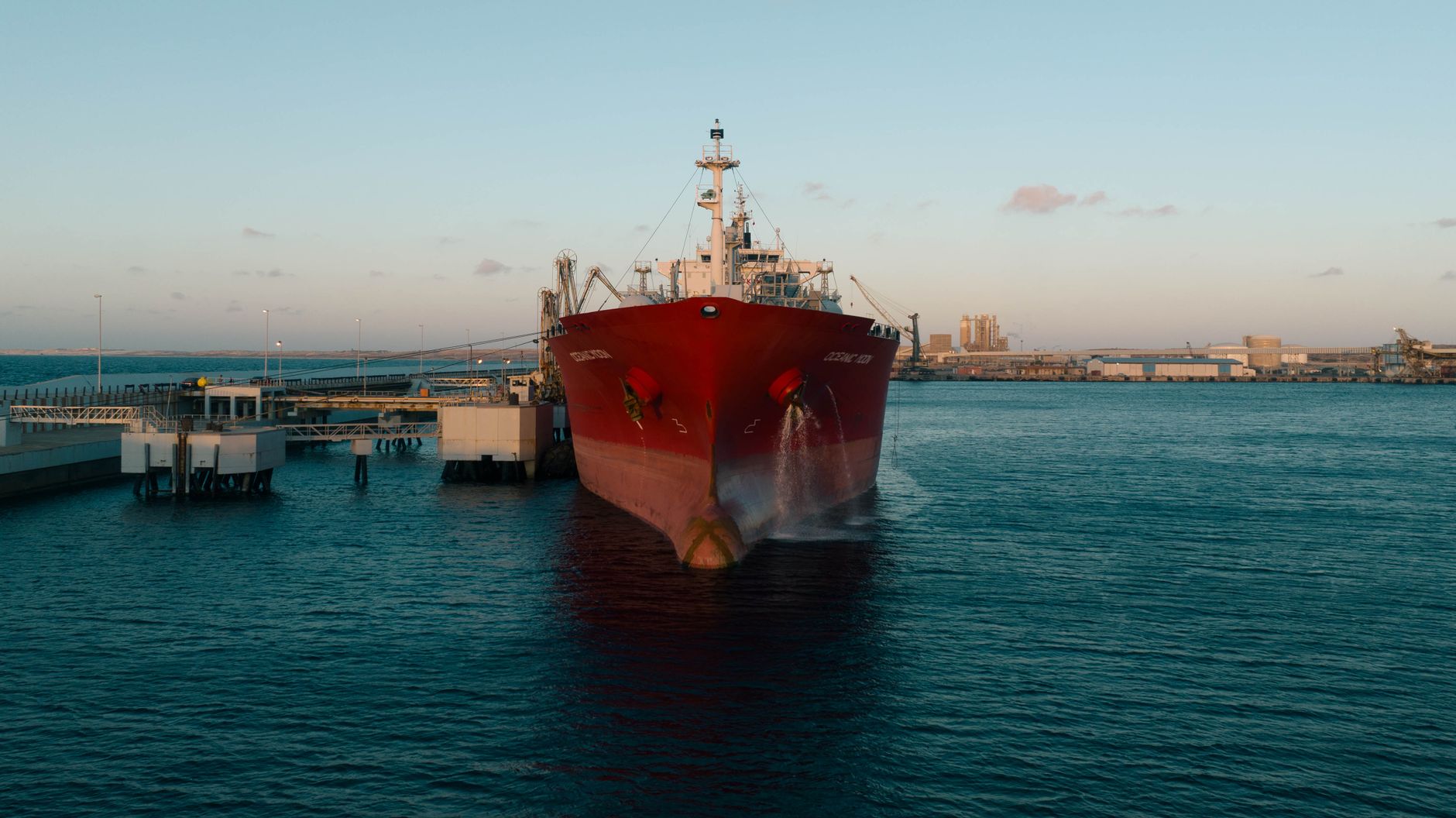
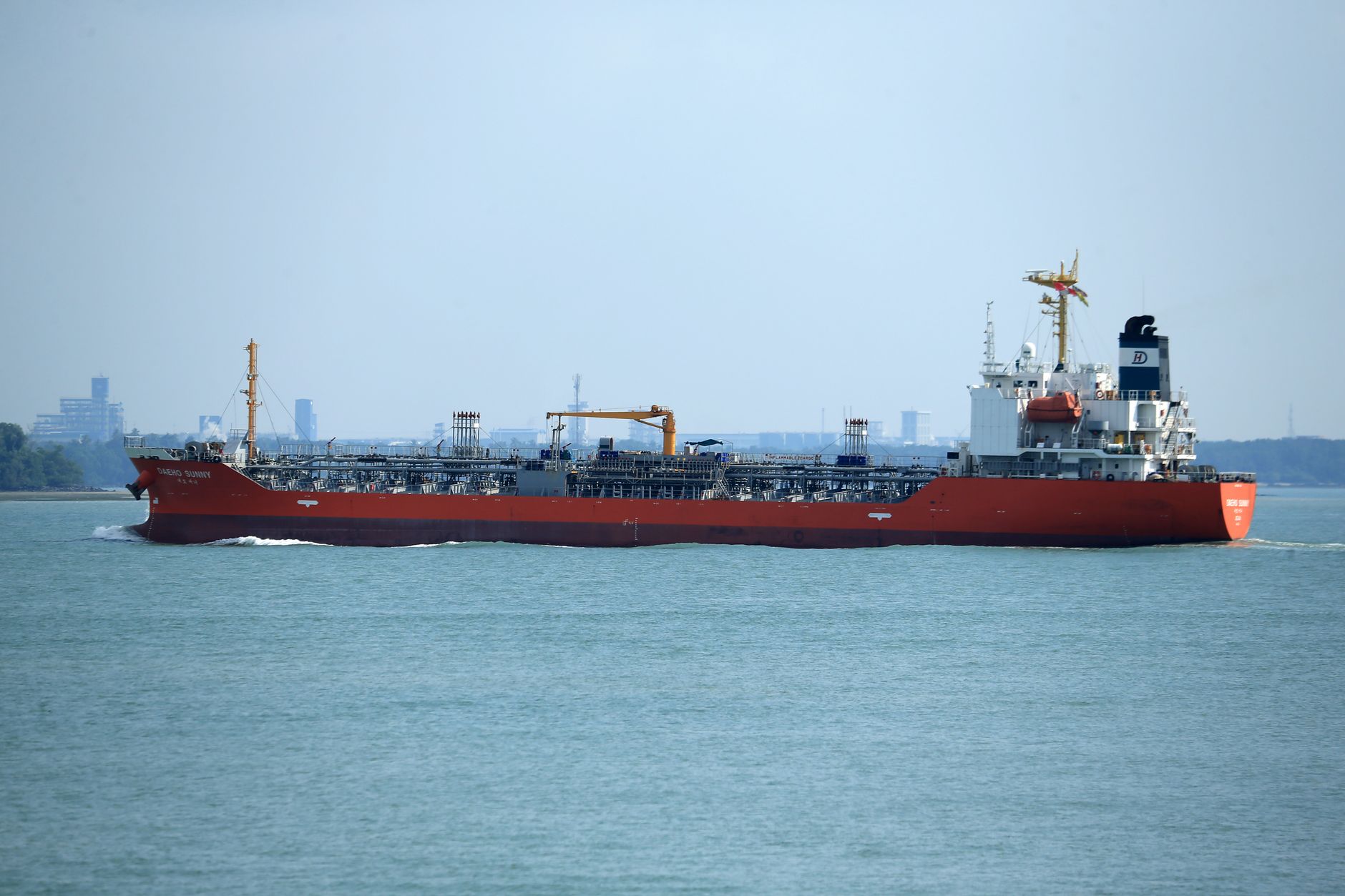
Global energy markets are also significantly affected, experiencing immediate and volatile shifts. The Strait of Hormuz is an indispensable conduit for approximately one-fifth of the world's total oil consumption, making it a critical artery for international trade. Any disruption, even a perceived threat, triggers immediate and sharp spikes in oil prices, impacting consumers, industries, and national economies worldwide. This pervasive instability creates ripple effects across global economies, threatening potential recessions, increasing the cost of living for billions, and undermining economic recovery efforts post-pandemic.
Regional allies and adversaries, including Saudi Arabia, Israel, and various Gulf states, find themselves on high alert, caught in the crosshairs of escalating tensions. The current escalation risks drawing these nations into a wider, devastating conflict, further destabilizing an already volatile and war-torn region. Moreover, international shipping companies and their dedicated crews face heightened risks, potentially leading to exorbitant increases in insurance premiums, significant rerouting of vital cargo, and severe disruptions to global supply chains and international trade, exacerbating existing economic vulnerabilities.
The Case For
Proponents of the US strikes assert that a firm and decisive military response was absolutely essential to uphold the sanctity of international law and to effectively deter any further Iranian provocations. They contend that allowing Iran to violate a ceasefire agreement without immediate and robust consequence would not only embolden Tehran to pursue more aggressive actions but also severely undermine the credibility of future diplomatic efforts and international agreements. The strikes, therefore, serve as an unambiguous signal that the United States is prepared to protect its strategic interests and ensure the unimpeded safety and freedom of navigation through vital international shipping lanes.
From this strategic perspective, the US action is viewed as a necessary and proportionate measure designed to maintain regional stability and prevent Iran from asserting unchecked dominance over the critical Strait of Hormuz. Supporters firmly believe that demonstrating unwavering resolve through calibrated military action is the only viable way to compel Iran to adhere to established international norms and honor its agreements. This proactive approach aims to restore a crucial balance of power in the region and preempt future, potentially larger, escalations by clearly establishing and enforcing unequivocal red lines that Iran must not cross.
Furthermore, advocates suggest that these targeted strikes were meticulously planned to minimize collateral damage while maximizing the strategic message conveyed to Iran. By focusing precisely on specific military targets directly linked to the alleged violations, the US aims to degrade Iran's capacity for aggression and its ability to threaten maritime security without inadvertently initiating a broader, more destructive conflict. This carefully calibrated response is perceived as a strategic imperative to protect global trade routes and safeguard the security of allied nations in the region, ultimately ensuring the free and secure flow of international commerce and energy resources.
The Case Against
Critics vehemently argue that the US strikes carry an immense risk of a dangerous and uncontrollable escalation, potentially igniting a full-scale, devastating war across the entire Middle East. They contend that military action, even if initially targeted, can easily be misconstrued, miscalculated, or lead to unforeseen and catastrophic consequences, inevitably pushing both sides closer to an irreversible and tragic conflict. Diplomacy, they passionately suggest, should always remain the paramount tool for resolving such incredibly sensitive international disputes, with military force reserved strictly as an absolute last resort, only when all other avenues have been exhaustively explored and failed.
Opponents also gravely highlight the horrific potential for widespread civilian casualties and an exacerbated humanitarian crisis should the conflict expand beyond its current scope. The region is already incredibly fragile, with millions of innocent people displaced, suffering from ongoing conflicts, and facing dire humanitarian conditions. A new, large-scale war involving major global powers would undoubtedly exacerbate these existing issues exponentially, creating a humanitarian catastrophe of unprecedented scale and human suffering. They emphasize the profound moral imperative to prioritize immediate de-escalation and pursue every conceivable avenue for peaceful resolution, protecting innocent lives above all else.
Moreover, some astute analysts question the veracity, proportionality, and timing of the US claims regarding Iran's alleged ceasefire violation. They argue that the swift and decisive military response may have been premature, potentially undermining crucial trust and making future, desperately needed negotiations even more difficult and fraught with suspicion. This perspective suggests that the strikes could ultimately be counterproductive, hardening Iran's already defiant stance and leading to a prolonged period of intense instability rather than achieving any semblance of lasting peace or regional security. Such actions risk a cycle of retaliation that serves no one's long-term interests.
Policy Questions Answered
Implementation Watch
The immediate implementation of US policy involves maintaining a significantly heightened military presence throughout the Persian Gulf and the critical Strait of Hormuz, coupled with intensified surveillance operations to meticulously monitor all Iranian activities. This unwavering vigilance is absolutely crucial to effectively enforce perceived red lines and to deter any further provocations or aggressive maneuvers from Tehran. The US military is undoubtedly reviewing its rules of engagement and refining contingency plans to respond to any future incidents swiftly, decisively, and proportionally, thereby ensuring the robust protection of international waters and the vital interests of allied nations in the volatile region.
Economically, the US administration will be closely monitoring global oil markets for any signs of instability and actively engaging with international allies to mitigate potential supply disruptions. This includes vital discussions about the strategic release of national oil reserves and the exploration of alternative, albeit challenging, shipping routes, given the Strait's unparalleled geographical importance. The long-term implementation of this policy will likely focus on reinforcing existing alliances in the region, strengthening security partnerships, and potentially imposing further targeted sanctions on Iran, contingent upon Tehran's future actions and the ultimate outcome of ongoing diplomatic efforts.
Diplomatically, the policy implementation demands a delicate and intricate balance of demonstrating unwavering strength and resolve while simultaneously keeping crucial channels open for negotiation and dialogue. The United States will likely continue to engage robustly with international partners to forge a united front against perceived Iranian aggression, while concurrently signaling a clear willingness to return to comprehensive talks if Iran genuinely demonstrates a credible commitment to de-escalation and adherence to international norms. The ultimate success of this multifaceted policy hinges precariously on its ability to effectively deter further conflict without inadvertently provoking a wider, uncontrollable regional war, a strategic tightrope walk fraught with immense geopolitical challenges and high stakes.












Comments
No comments yet. Be the first to comment!