

The Numbers
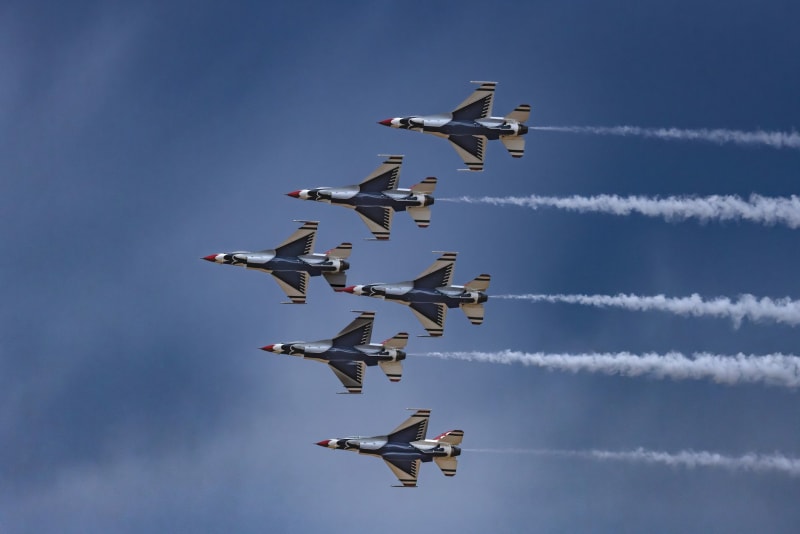
- U.S. Airstrikes: The recent wave of retaliatory U.S. military airstrikes targeted at least five distinct facilities across Iraq and Syria, specifically hitting command and control centers, weapons depots, and training facilities utilized by Iran-backed militia groups.
- Casualties Reported: Initial reports indicate a significant number of casualties among the targeted militia forces, though precise figures remain contested and are subject to ongoing verification by various independent and governmental sources.
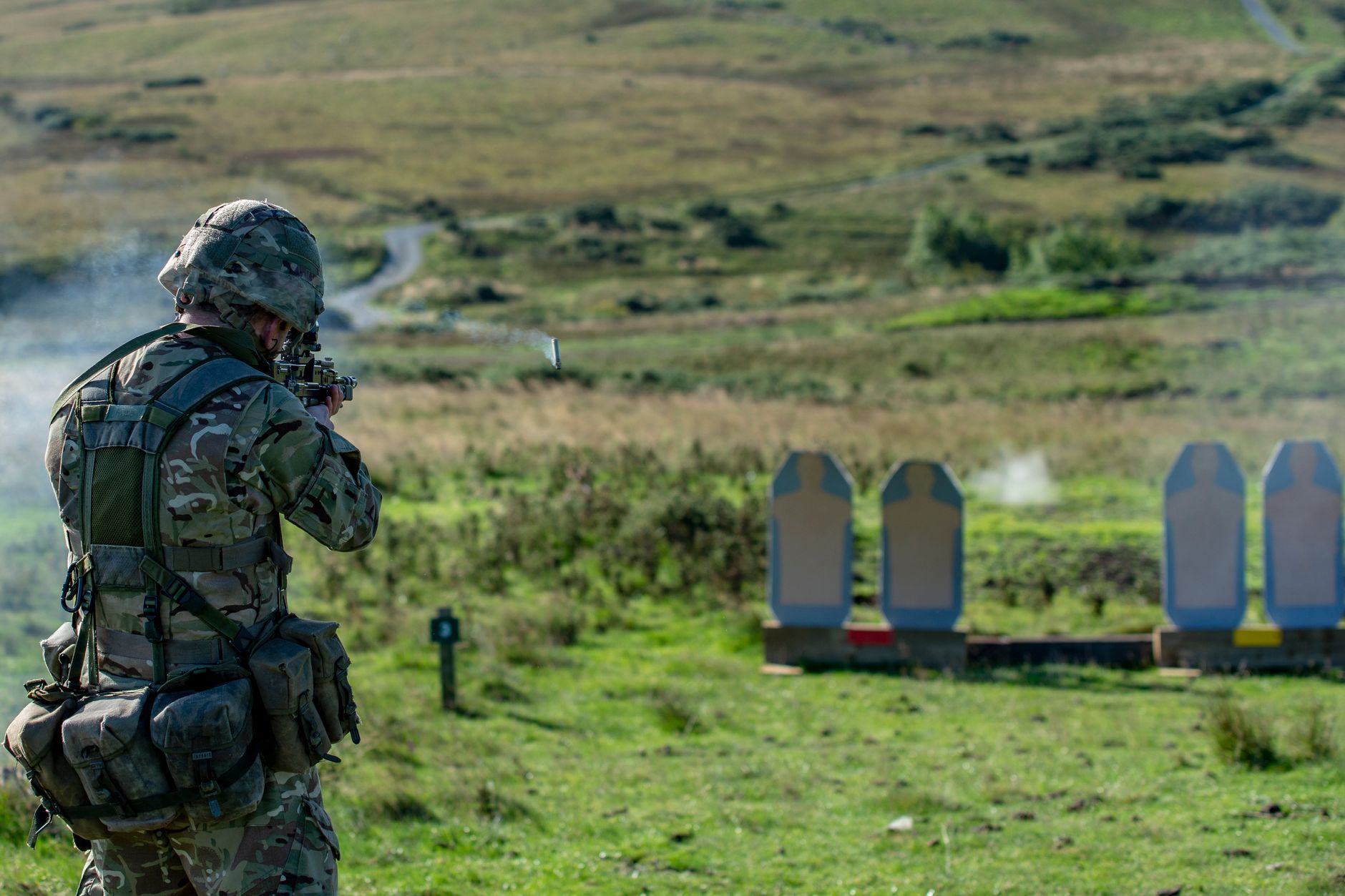
- Regional Troop Presence: The United States maintains a substantial military presence across the Middle East, with thousands of troops stationed in key strategic locations, underscoring its enduring commitment to regional security and counter-terrorism operations.
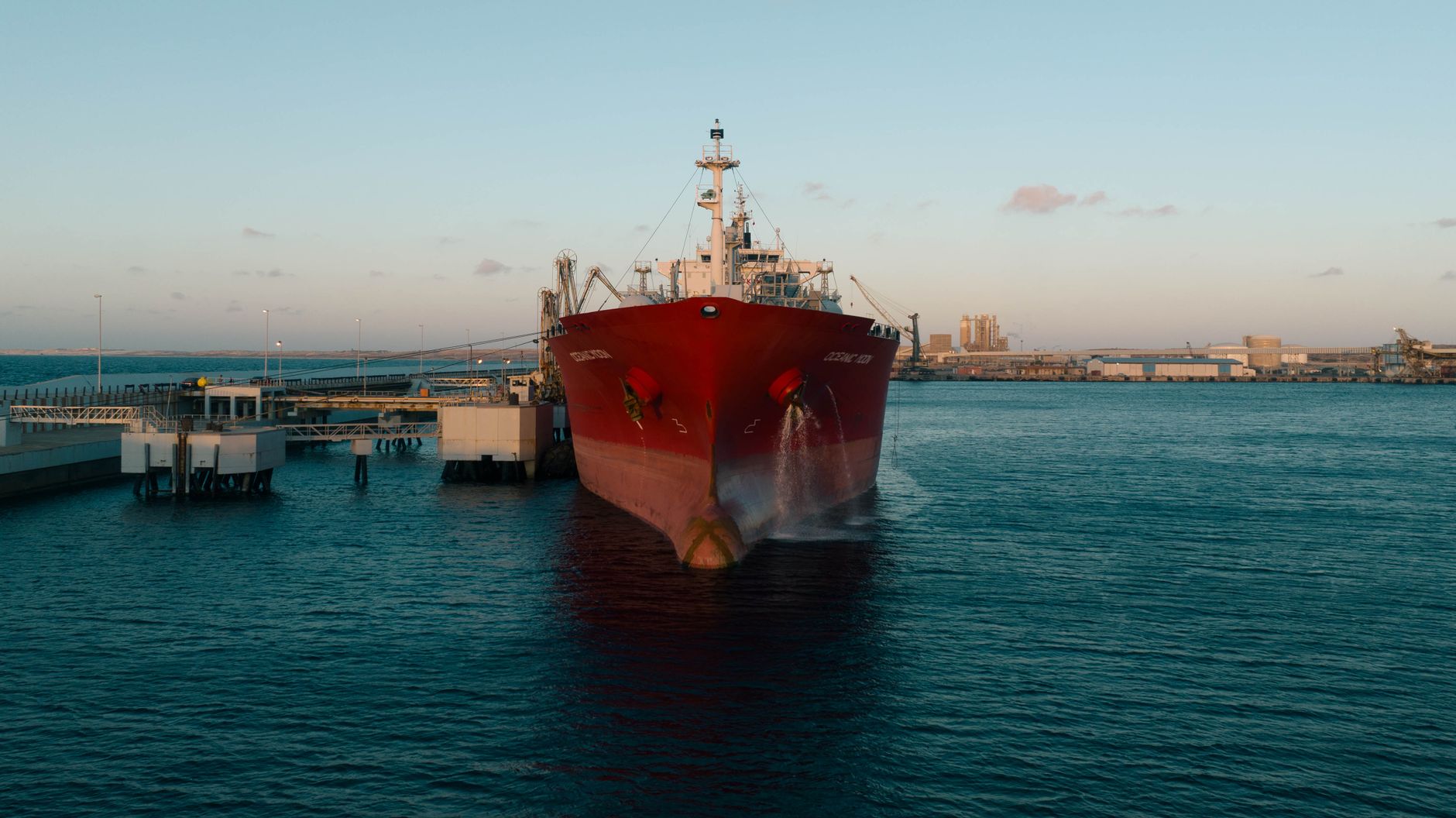
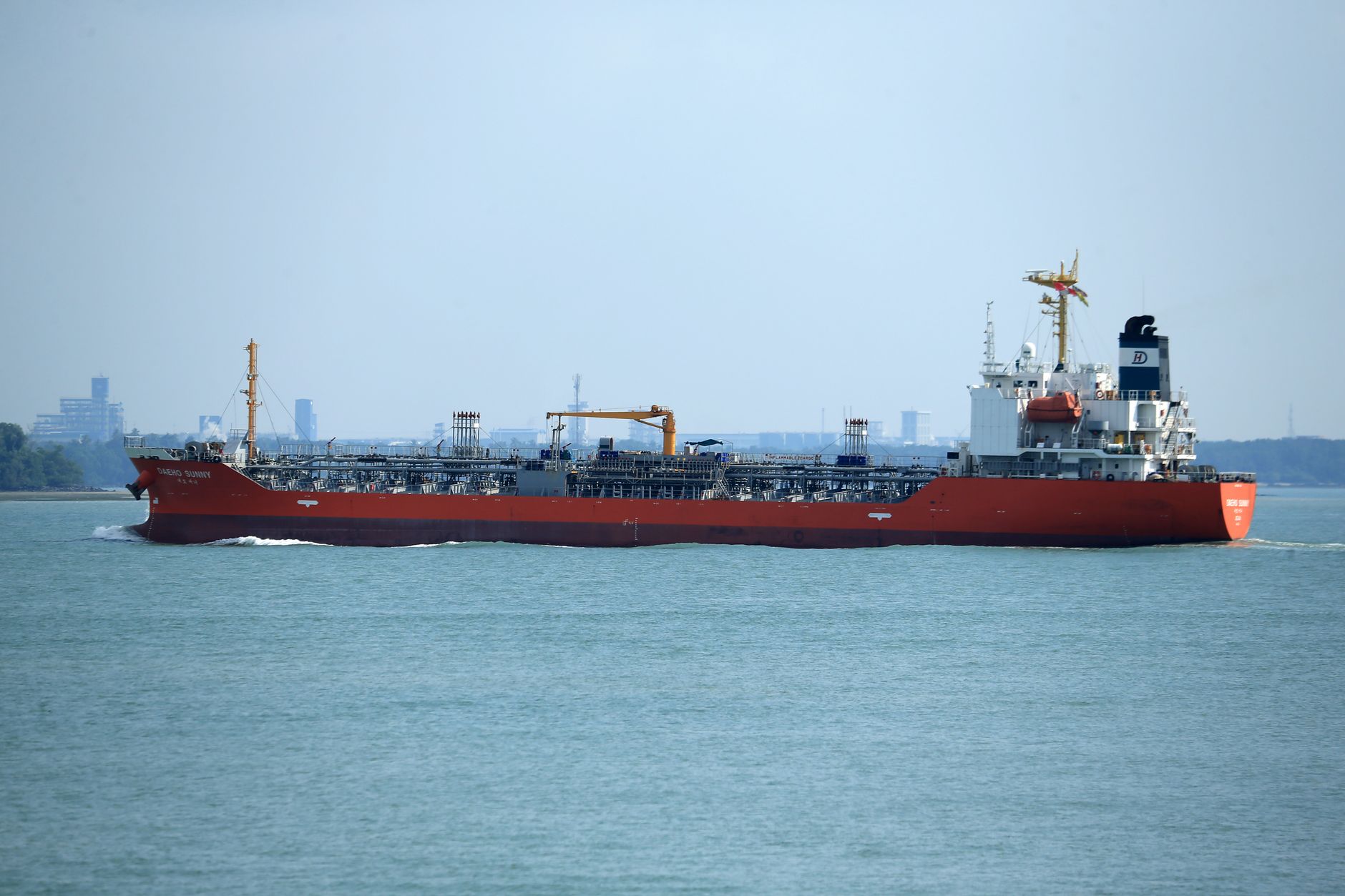
- Economic Impact: Global oil prices experienced a noticeable uptick in the immediate aftermath of the strikes, reflecting heightened market anxieties over potential disruptions to vital shipping lanes and energy supplies in the Persian Gulf region.
- Iranian Sanctions: Iran continues to grapple with severe economic sanctions re-imposed by the U.S. following its withdrawal from the JCPOA, significantly impacting its oil exports, financial sector, and overall economic stability.
- Militia Strength: Estimates suggest that Iran-backed militias, such as Kata'ib Hezbollah and others, command tens of thousands of fighters across Iraq and Syria, posing a formidable and persistent challenge to regional stability and sovereign governance.
- Defense Spending: Both the U.S. and Iran allocate substantial portions of their national budgets to defense, with the U.S. maintaining the world's largest military expenditure, dwarfing Iran's capabilities but not its regional influence.
Context Check
The latest escalation in the volatile U.S.-Iran relationship was directly triggered by a series of escalating attacks on U.S. and coalition forces in Iraq and Syria. Specifically, a rocket attack on an Iraqi military base hosting American troops resulted in the death of a U.S. contractor and injuries to several service members. This particular incident, attributed by U.S. intelligence to Kata'ib Hezbollah, a powerful Iran-backed militia, crossed a critical threshold, prompting Washington to declare a need for decisive retaliation. The pattern of these attacks, often involving sophisticated rocket and drone systems, underscores a deliberate and calculated strategy by these proxy groups to challenge American presence and influence in the region, pushing the boundaries of acceptable engagement.
In response, the U.S. military launched precision airstrikes against five facilities controlled by Kata'ib Hezbollah in Iraq and Syria. These targets included weapons storage facilities, command and control nodes, and other strategic sites deemed essential to the militia's operational capabilities. The Pentagon explicitly stated that these strikes were defensive in nature, aimed at deterring future attacks and protecting American personnel. This measured, yet firm, response signals a clear message from Washington that aggression against its forces will not go unanswered, attempting to re-establish a deterrent posture that some analysts argue had eroded over time due to a perceived lack of forceful retaliation for previous provocations.
Adding a sharp edge to the military action, President Trump issued a stark warning to Iran, asserting that if it continues to escalate tensions, it 'may cease to exist.' This provocative statement, delivered via social media, immediately amplified the gravity of the situation, suggesting a potential for even more severe consequences should Iran or its proxies continue their hostile actions. Such rhetoric, while characteristic of the Trump administration's approach to foreign policy, inevitably raises alarm bells globally, highlighting the precarious balance of power in the Middle East and the profound risks associated with miscalculation or unchecked escalation between two nuclear-capable adversaries.
Background
The animosity between the United States and Iran is deeply rooted in decades of complex geopolitical dynamics, stretching back to the 1979 Islamic Revolution that overthrew the U.S.-backed Shah. This pivotal event transformed Iran from a key American ally into a staunch adversary, fundamentally altering the regional power balance. Subsequent events, including the Iran hostage crisis, Iran-Iraq War, and perceived Iranian sponsorship of terrorism, cemented a relationship characterized by mistrust, proxy conflicts, and ideological opposition. This historical baggage continues to heavily influence every interaction, making de-escalation inherently challenging and fraught with historical grievances on both sides.
A brief period of relative rapprochement emerged with the 2015 Joint Comprehensive Plan of Action (JCPOA), commonly known as the Iran nuclear deal, which saw Iran agree to curb its nuclear program in exchange for sanctions relief. However, the Trump administration's unilateral withdrawal from the JCPOA in 2018, labeling it a 'terrible deal,' reignited tensions and re-imposed crippling economic sanctions. This move was widely criticized by European allies but lauded by regional rivals like Saudi Arabia and Israel, who viewed the deal as insufficient in addressing Iran's broader destabilizing activities. The collapse of the deal removed a key diplomatic channel and significantly elevated the risk of military confrontation.
Beyond its nuclear ambitions, Iran's regional influence is primarily projected through a network of proxy forces and allied non-state actors, including Hezbollah in Lebanon, various Shiite militias in Iraq, the Houthis in Yemen, and elements supporting the Assad regime in Syria. These groups serve as critical instruments of Iranian foreign policy, allowing Tehran to exert power and challenge U.S. and allied interests without direct military engagement. The U.S. views these proxy activities as a direct threat to regional stability and its own personnel, leading to a cycle of retaliatory actions and counter-actions that define the current state of conflict. The recent U.S. airstrikes are a direct response to this ongoing shadow war.
Winners and Losers
In the immediate aftermath of such escalations, regional stability invariably emerges as a significant loser. The delicate balance of power in the Middle East is further jeopardized, increasing the likelihood of miscalculation or unintended consequences that could spiral into a broader conflict. Countries like Iraq, caught between the U.S. and Iranian spheres of influence, face immense internal pressure and risk becoming a primary battleground for proxy warfare, undermining their fragile sovereignty and reconstruction efforts. The constant threat of military action deters foreign investment, disrupts trade, and exacerbates existing humanitarian crises, creating a climate of pervasive uncertainty for millions of ordinary citizens.
Paradoxically, hardline factions within both the U.S. and Iran often perceive themselves as winners in periods of heightened tension. In Iran, the Revolutionary Guard Corps and other conservative elements can leverage external threats to consolidate power, suppress dissent, and justify increased military spending. Similarly, in the U.S., a more aggressive stance might be championed by those advocating for maximum pressure and regime change. Furthermore, the global arms industry frequently benefits from such instability, as nations in the region and beyond seek to bolster their defenses, leading to increased sales and contracts for military hardware and surveillance technology.
The global economy, particularly the energy sector, also stands to lose from sustained U.S.-Iran friction. Disruptions to oil shipments through the Strait of Hormuz, a critical chokepoint, could send shockwaves through international markets, impacting consumers worldwide. Diplomatic efforts, which are already strained, suffer significant setbacks as channels for dialogue become even more restricted. International bodies and allies attempting to mediate or de-escalate the situation find their influence diminished, as both sides dig in. The long-term consequences could include a more militarized region, a further erosion of international law, and a deeper entrenchment of hostile narratives, making future reconciliation increasingly difficult.
Analyst Perspectives
Many foreign policy analysts are divided on the effectiveness of the recent U.S. airstrikes as a deterrent. Some argue that a forceful response was absolutely necessary to re-establish American credibility and send an unequivocal message that attacks on U.S. personnel will not be tolerated. They contend that a failure to respond would have emboldened Iran and its proxies, leading to further provocations. This school of thought emphasizes the importance of demonstrating resolve to prevent a perceived weakness from being exploited. However, critics counter that such actions, while satisfying a need for immediate retaliation, often fail to address the root causes of the conflict and may instead fuel a dangerous cycle of escalation, making future de-escalation even more challenging.
A significant concern among experts is the inherent risk of unintended escalation. While the U.S. aims for 'proportional' responses, the definition of proportionality can differ wildly between adversaries. Analysts point out that Iran, through its proxies, has a demonstrated capacity to respond asymmetrically, targeting U.S. interests or allies in ways that are difficult to predict or directly attribute. This 'tit-for-tat' dynamic could easily spiral out of control, particularly in a region already rife with multiple overlapping conflicts and heavily armed non-state actors. The lack of direct communication channels between Washington and Tehran further exacerbates this risk, increasing the potential for miscalculation and misinterpretation of intentions.
Beyond immediate reactions, experts are scrutinizing the long-term U.S. strategy towards Iran. Some argue for a comprehensive diplomatic approach that includes re-engagement on a revised nuclear deal and addressing regional security concerns through multilateral talks. Others advocate for sustained maximum pressure, believing that economic sanctions and military deterrence will eventually force a change in Iranian behavior or even regime. The current approach, characterized by intermittent military strikes coupled with economic strangulation, is seen by some as lacking a clear end-game, potentially leading to perpetual low-intensity conflict rather than a resolution. A coherent and sustainable strategy, they contend, is urgently needed to navigate this complex and perilous geopolitical landscape.

Key Questions Explained
The Outlook
The immediate outlook remains highly volatile, characterized by a precarious balance between deterrence and the risk of further escalation. Both the U.S. and Iran are currently engaged in a high-stakes game of brinkmanship, each testing the other's resolve while attempting to avoid an all-out war. Further retaliatory actions, whether direct or through proxies, cannot be ruled out, especially as both sides feel compelled to demonstrate strength to their domestic audiences and regional allies. The coming weeks will be critical in determining whether a new equilibrium of deterrence can be established or if the cycle of violence will intensify, demanding urgent diplomatic interventions from international actors.
Despite the military posturing, diplomatic avenues, however constrained, remain the most viable path to de-escalation. However, the current environment presents immense challenges for any meaningful dialogue. The U.S. insists on maximum pressure, while Iran demands the lifting of sanctions and a return to the nuclear deal's terms. Bridging this chasm requires significant political will from both sides and robust mediation from third parties, potentially European nations or the United Nations, who possess the trust to facilitate indirect negotiations. Without a clear diplomatic off-ramp, the risk of miscalculation leading to a broader conflict will persist, casting a long shadow over regional security.
In the long term, the ongoing U.S.-Iran confrontation is set to reshape the geopolitical landscape of the Middle East. It will likely deepen existing alliances and rivalries, further empowering non-state actors and exacerbating humanitarian crises. The region may witness a sustained period of low-intensity conflict, characterized by cyber warfare, proxy attacks, and economic sabotage, rather than a decisive military confrontation. The ultimate resolution, if one is to be found, will require a comprehensive approach that addresses not only nuclear proliferation but also regional security concerns, economic grievances, and the legitimate aspirations of the diverse populations caught in the crossfire of this enduring rivalry. The path ahead is fraught with peril and uncertainty.










Comments
No comments yet. Be the first to comment!