
What We Know
- The United States and Israel are actively engaged in a sophisticated, multi-front covert campaign targeting Iran, encompassing cyberattacks, intelligence gathering, and precision strikes against key military and nuclear infrastructure.
- Iran continues to accelerate its nuclear enrichment program, significantly reducing its 'breakout time' for weapon-grade material, while simultaneously bolstering its network of regional proxies, including Hezbollah, Hamas, and various Iraqi militias, to project power and destabilize adversaries.
- Geopolitical tensions have reached unprecedented levels, characterized by a complex web of direct military skirmishes, indirect proxy confrontations, and a pervasive atmosphere of mistrust that could easily spiral into a full-scale regional conflict.
- Despite numerous attempts, international diplomatic efforts to de-escalate the volatile situation have largely faltered, with major powers struggling to find common ground or exert sufficient influence to curb the escalating aggression from all sides.
- Both Washington and Jerusalem have publicly and privately reiterated their unwavering commitment to preventing Iran from acquiring nuclear weapons, signaling a potential willingness to employ military force if diplomatic avenues prove entirely ineffective.
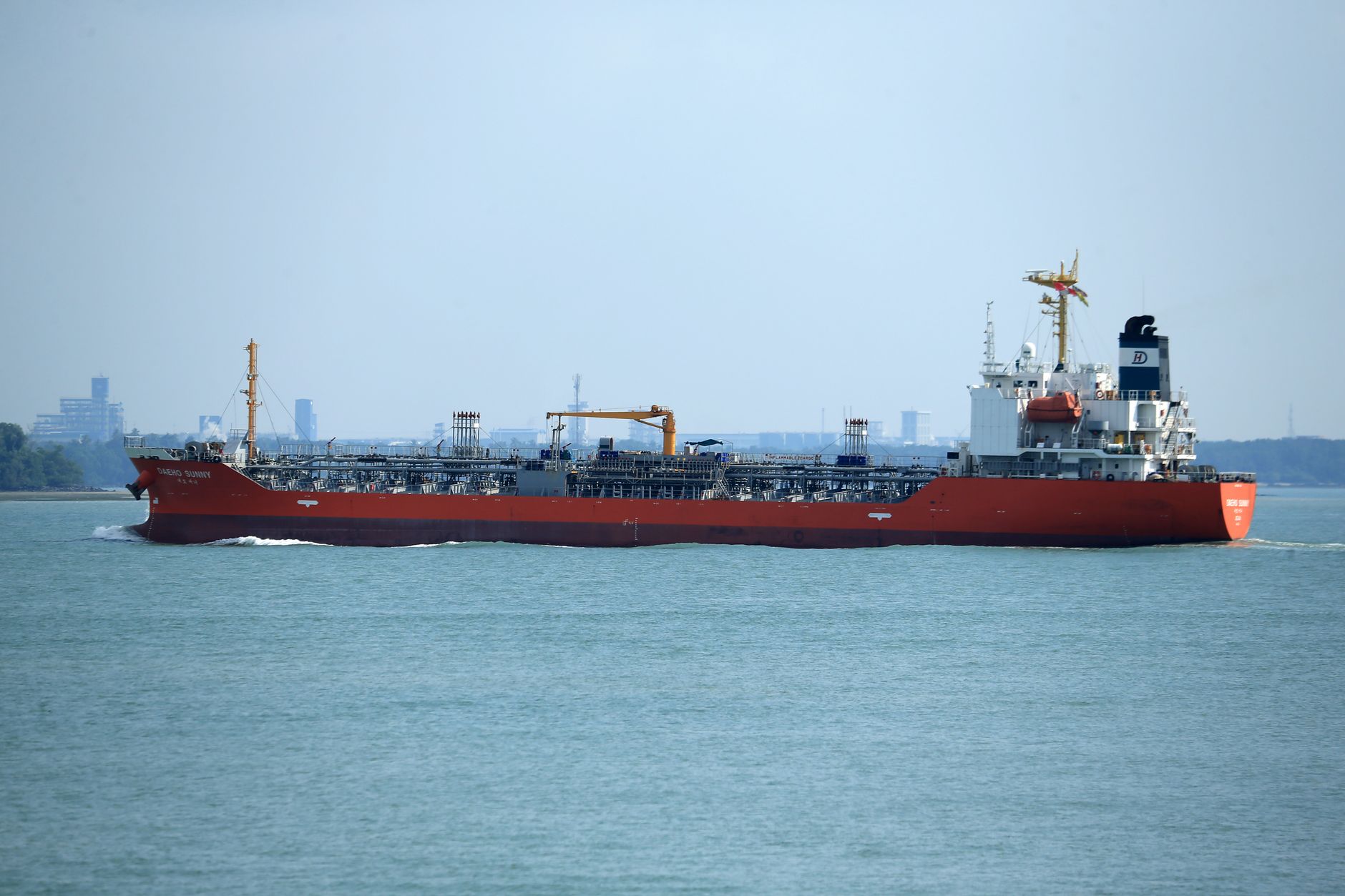
- The ongoing maritime incidents in the Persian Gulf and Red Sea, including attacks on commercial shipping and oil tankers, are widely attributed to Iranian-backed entities, further exacerbating economic anxieties and threatening vital global trade routes.
What We Do Not Know Yet
- The precise 'red lines' that would unequivocally trigger a direct, full-scale military conflict between Iran and its adversaries remain dangerously ambiguous, leaving room for miscalculation and rapid escalation in an already volatile region.
- The true depth and operational scope of intelligence sharing and strategic coordination between the United States and Israel regarding their anti-Iran activities are largely unknown, though analysts suspect a highly integrated approach.
- Iran's strategic calculus for future retaliatory actions against perceived aggressions remains opaque, making it difficult for international observers to predict whether responses will be asymmetric, direct, or further leverage its extensive proxy network.
- While a major conflict would undoubtedly disrupt global oil markets, the precise magnitude and duration of price spikes, supply chain interruptions, and overall economic fallout are difficult to quantify without knowing the scale of any potential hostilities.
- The long-term efficacy of current sanctions regimes in compelling Iran to alter its nuclear and regional policies is still a subject of intense debate, with some arguing they merely entrench hardliners while others believe they are essential pressure tools.
- Whether a viable diplomatic off-ramp or a renewed international agreement can be forged to de-escalate the crisis and constrain Iran's nuclear ambitions without resorting to military action is a critical unknown, with prospects appearing increasingly dim.
Background
The current perilous standoff between the United States, Israel, and Iran is deeply rooted in decades of profound animosity and ideological clashes, stretching back to the 1979 Iranian Revolution. Iran's consistent pursuit of a robust nuclear program, ostensibly for peaceful energy purposes but widely suspected of harboring military dimensions, has been a primary driver of international concern. This ambition, coupled with its overt support for various regional proxy groups, has fundamentally reshaped the geopolitical landscape of the Middle East, creating an enduring climate of suspicion and potential conflict. The international community has long grappled with the challenge of containing Iran's influence and preventing nuclear proliferation, often with limited success, leading to the current high-stakes environment.
A pivotal turning point in this protracted saga occurred in 2018 when the United States unilaterally withdrew from the Joint Comprehensive Plan of Action (JCPOA), the landmark nuclear agreement designed to curb Iran's nuclear activities in exchange for sanctions relief. This decision, driven by the Trump administration's belief that the deal was insufficient, ushered in a renewed era of 'maximum pressure' sanctions aimed at crippling Iran's economy and forcing it to renegotiate a more stringent agreement. Instead, Iran responded by progressively scaling back its commitments under the JCPOA, accelerating uranium enrichment, and intensifying its regional activities, effectively dismantling the fragile diplomatic framework that had once offered a pathway to de-escalation. This aggressive posture from both sides has only deepened the mistrust and narrowed the window for peaceful resolution.
Israel, perceiving Iran's nuclear ambitions and regional proxy network as an existential threat, has adopted an increasingly assertive and often overt strategy of pre-emptive action. For years, Israel has conducted numerous covert operations, including targeted assassinations of Iranian nuclear scientists, sophisticated cyberattacks on Iranian infrastructure, and repeated airstrikes against Iranian-linked targets in Syria and Lebanon. These actions, often carried out with tacit or explicit US support, are designed to degrade Iran's capabilities and disrupt its strategic objectives. However, this aggressive posture, while intended to deter, also carries the inherent risk of provoking a direct and devastating response from Tehran, pushing the region closer to an all-out conflagration that could have catastrophic consequences far beyond its immediate borders. The cycle of action and reaction continues to tighten, making a peaceful resolution increasingly elusive.
Why It Matters
The escalating US-Israeli shadow war with Iran carries the profound risk of igniting a full-scale regional conflict, a scenario that would unleash unimaginable devastation across the Middle East. Such a war would inevitably draw in multiple state and non-state actors, creating a chaotic and unpredictable battlefield with immense human cost and widespread displacement. Beyond the immediate humanitarian catastrophe, a major conflict in this critical region would severely disrupt global energy markets, sending oil prices skyrocketing and triggering a worldwide economic recession. The Strait of Hormuz, a vital chokepoint for a significant portion of the world's oil supply, would likely become a flashpoint, further exacerbating the economic fallout and impacting economies far removed from the conflict zone. The interconnectedness of global markets means that instability here reverberates everywhere.
Perhaps the most alarming consequence of a full-blown confrontation is the heightened risk of nuclear proliferation. Should Iran feel cornered or perceive an existential threat, its leadership might accelerate efforts to develop a nuclear weapon, triggering a dangerous arms race in an already volatile region. This would fundamentally alter the global security landscape, making the world a far more perilous place. Concurrently, the humanitarian implications are staggering; millions could be displaced, critical infrastructure destroyed, and access to essential services severely hampered. The long-term societal and psychological scars of such a conflict would persist for generations, destabilizing entire nations and creating fertile ground for extremist ideologies to flourish, further complicating future peace efforts.
Beyond the immediate regional impact, the crisis significantly challenges the credibility and influence of the United States on the global stage. A failure to manage this escalation could be perceived as a weakness, emboldening other revisionist powers and undermining international norms. Furthermore, the conflict strains alliances and deepens existing geopolitical fault lines, making coordinated responses to other global challenges, from climate change to pandemics, even more difficult. The potential for a prolonged, intractable conflict would divert immense resources and attention, hindering progress on critical domestic and international agendas. Ultimately, the stakes are not merely regional; they encompass global stability, economic prosperity, and the very architecture of international security, making this a crisis that truly cannot be ignored by any nation.
Timeline of Events
- July 2015: The Joint Comprehensive Plan of Action (JCPOA), a landmark international agreement, is signed between Iran and the P5+1 nations, aiming to curb Iran's nuclear program in exchange for sanctions relief, marking a brief period of diplomatic optimism.
- May 2018: The United States, under the Trump administration, unilaterally withdraws from the JCPOA, reimposing severe economic sanctions on Iran and initiating a 'maximum pressure' campaign, fundamentally altering the diplomatic trajectory.
- January 2020: A US drone strike in Baghdad assassinates Qassem Soleimani, commander of Iran's Quds Force, dramatically escalating tensions and prompting Iranian missile attacks on US bases in Iraq, bringing the two nations to the brink of war.
- Throughout 2023-2024: Israel significantly intensifies its airstrikes against alleged Iranian military targets and weapons convoys in Syria, often leading to retaliatory actions by Iranian-backed militias, signaling a deepening of the covert conflict.
- Late 2022-Present: Reports indicate a substantial acceleration of Iran's uranium enrichment activities, with the International Atomic Energy Agency (IAEA) expressing grave concerns over the country's growing stockpile of near-weapons-grade enriched uranium.
- October 2023 Onwards: Following the Hamas attack on Israel, regional proxy groups, many supported by Iran, intensify their operations against US interests and Israeli targets, further entangling the US-Israeli-Iran dynamic within the broader Middle East conflict.
Rapid-Fire Q&A
What Is Coming
- Expect a continued and likely intensified escalation of covert operations, including sophisticated cyberattacks targeting critical infrastructure and clandestine intelligence missions, as both sides seek to gain strategic advantage without triggering overt warfare.
- The Middle East is poised for even greater regional instability, with proxy conflicts in Yemen, Iraq, Syria, and Lebanon likely to intensify, further destabilizing fragile states and exacerbating humanitarian crises across the Levant.
- While international diplomatic efforts will persist, their effectiveness in de-escalating the core tensions or forging a new comprehensive agreement remains highly questionable, suggesting a prolonged period of geopolitical deadlock.
- The ever-present danger of miscalculation or an unintended incident spiraling out of control could lead to direct military engagement between major powers, a catastrophic scenario with global implications for peace and economic stability.
- Increased pressure on global energy markets is highly probable, as any significant disruption in the Persian Gulf region, whether through attacks on shipping or infrastructure, will inevitably cause price volatility and supply chain anxieties worldwide.
- The international community will face growing pressure to formulate a more cohesive and effective strategy to address Iran's nuclear ambitions and regional assertiveness, potentially leading to new alliances or a re-evaluation of existing security frameworks.










Comments
No comments yet. Be the first to comment!