

At a Glance
- The global landscape is undergoing a profound transformation, with economic power increasingly eclipsing traditional military might as the primary determinant of international influence and geopolitical leverage.
- Nations now wield significant global influence not through sheer military force, but through their market dominance, control over critical supply chains, and technological innovation capabilities.
- The meteoric economic rise of nations like China serves as a compelling case study, demonstrating how robust economic growth and strategic market penetration translate directly into enhanced global standing.
- Traditional military alliances, while still important for security, are finding their relevance challenged by the complex web of economic interdependencies and trade agreements that now define international cooperation.
- Cutting-edge technological innovation, from AI to advanced manufacturing, has become a pivotal driver of these new power dynamics, granting significant advantage to nations leading in these critical sectors.
- Developing nations are strategically leveraging sustained economic growth and participation in global trade networks to gain unprecedented diplomatic and geopolitical leverage on the world stage.
The Record
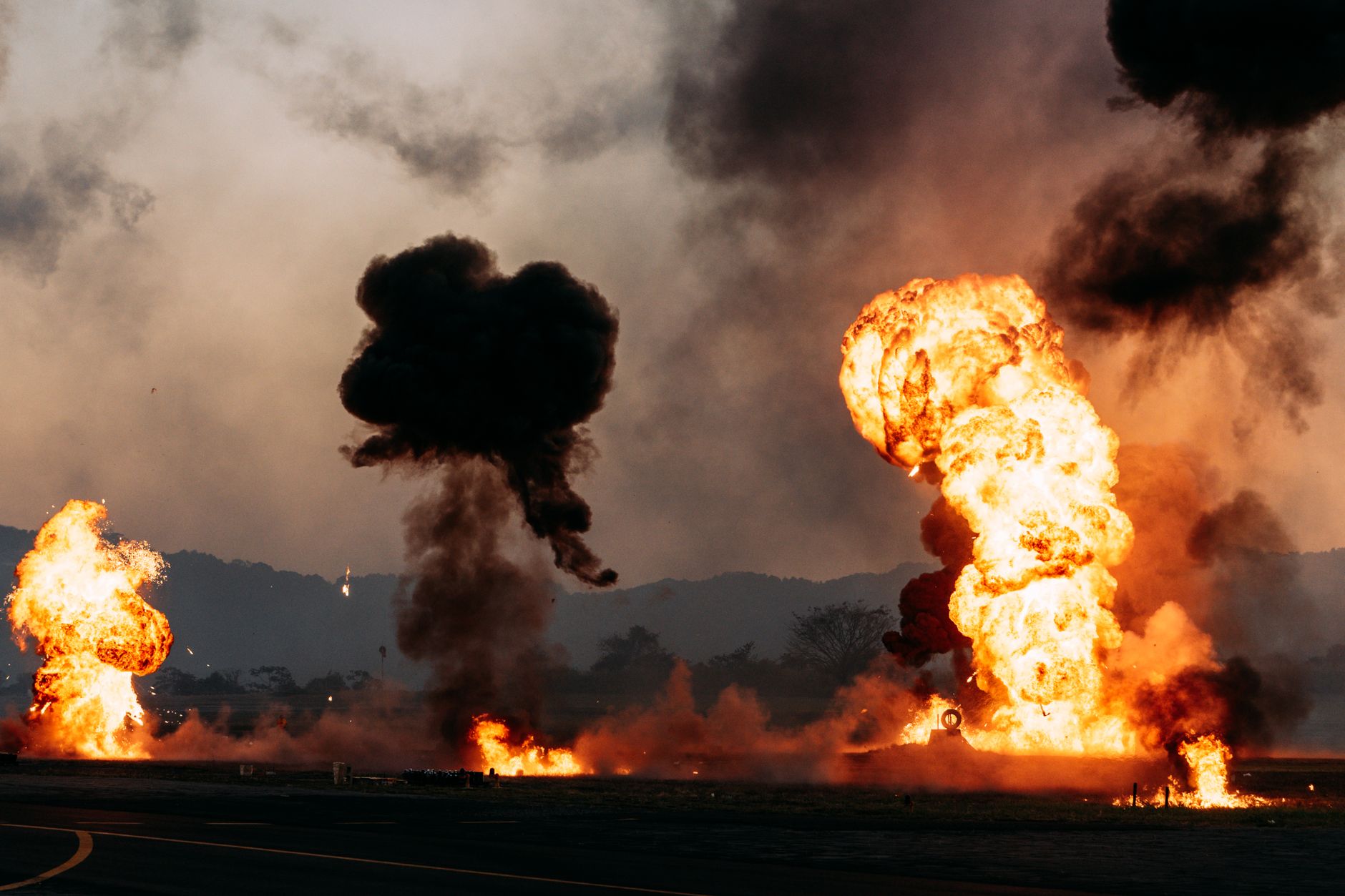
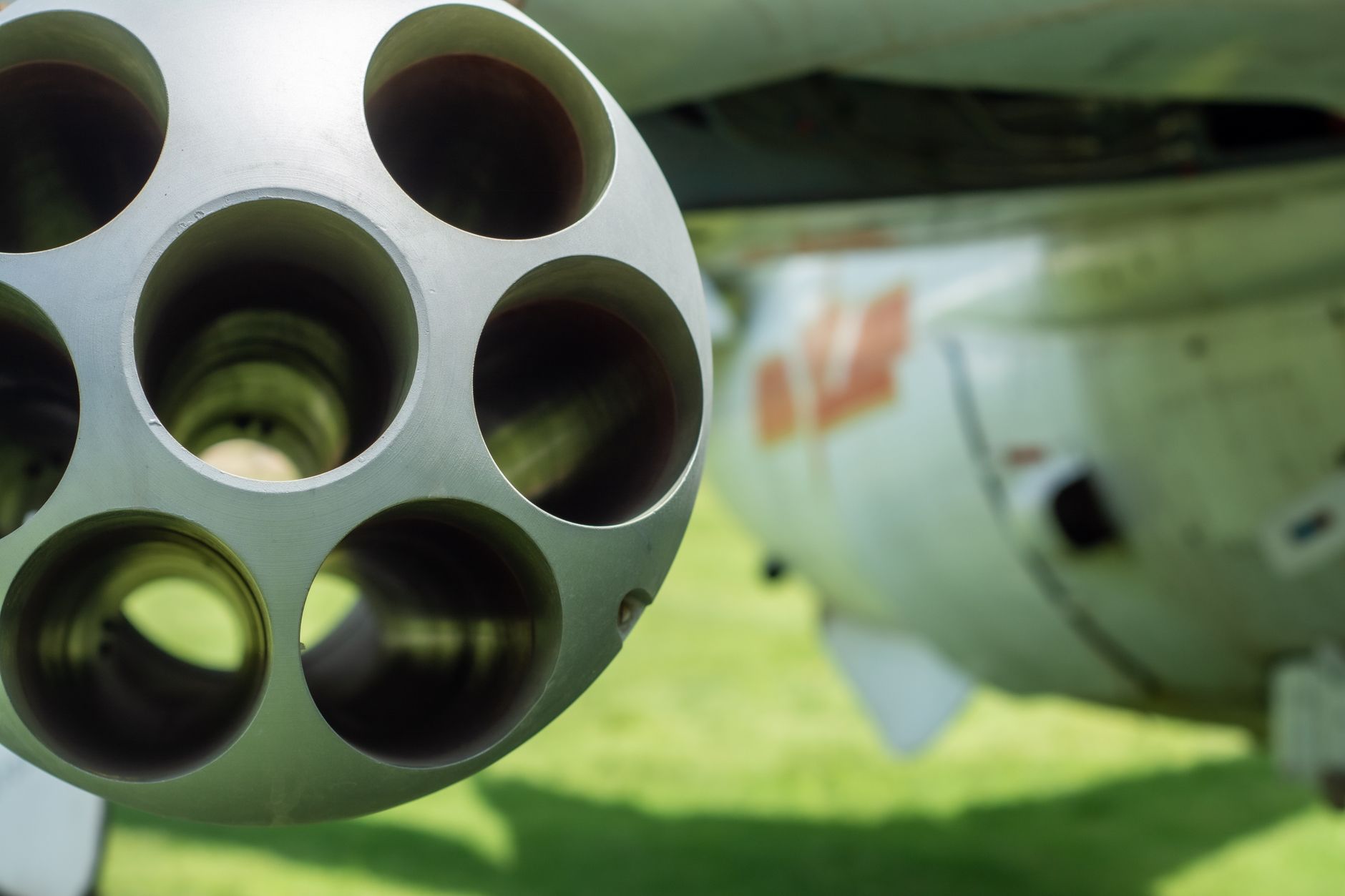
For millennia, the crucible of global power was forged in military might. Empires ascended and crumbled based on the sheer strength of their armies and navies, a paradigm that endured for centuries, culminating dramatically in the Cold War. During this era, two superpowers engaged in a tense, protracted struggle for dominance, primarily through an unprecedented military build-up and a series of proxy conflicts. The unequivocal ability to project overwhelming force across continents was then the ultimate, undisputed measure of national might and international influence, dictating alliances and shaping geopolitical boundaries.
Yet, the late 20th and early 21st centuries ushered in a subtle, yet profoundly transformative shift. An era of unprecedented economic interdependence dawned, characterized by flourishing global trade and intricately intertwined financial markets. Nations increasingly recognized that targeted economic sanctions and strategic market leverage could prove as potent, if not more effective, than direct military interventions. This strategic pivot redirected global focus away from territorial conquest towards aggressive market penetration and securing control over critical global supply chains, fundamentally redefining the traditional understanding of power and influence on the world stage.
In the contemporary geopolitical landscape, a nation's Gross Domestic Product, its unparalleled technological prowess, its strategic command over vital global trade routes, and its unwavering financial stability are now the undisputed true indicators of its international standing. While military might undeniably retains its critical importance for national defense and ensuring regional stability, it no longer unilaterally dictates global leadership with the same absolute authority it once did. The capacity to foster groundbreaking innovation, to attract significant foreign investment, and to proactively shape global economic norms now confers far greater and more enduring influence on the world stage than mere colossal military expenditure.
Who Knew and When
For several decades, astute economists and visionary political scientists have meticulously tracked and analyzed this evolving trend. Early, prescient warnings began to surface in the aftermath of the Soviet Union's collapse, signaling a profound transition from a bipolar military standoff to an increasingly multipolar economic landscape. Influential think tanks and esteemed academic institutions worldwide subsequently published numerous seminal papers, consistently highlighting the burgeoning importance of 'soft power' and the undeniable strategic advantage offered by economic leverage in international relations, long before it became mainstream discourse.
Concurrently, government intelligence agencies globally were not oblivious to this seismic shift. Classified reports from the 1990s and early 2000s increasingly underscored the critical significance of economic espionage, intricate trade negotiations, and fierce technological competition as paramount areas of national security interest. These emerging concerns were placed squarely alongside, and sometimes even above, traditional military threats. Consequently, influential policy advisors began to vigorously advocate for comprehensive national strategies that unequivocally prioritized sustained economic growth and the relentless pursuit of technological supremacy as the new bedrock of national power.
Despite these expert insights, the full, far-reaching implications of this paradigm shift were not always immediately comprehended by the general public, nor even by certain entrenched political leaders. The enduring allure of grand military parades and colossal defense budgets frequently overshadowed the more subtle, yet profoundly insidious, accumulation of economic power. It required monumental global economic upheavals, such as the devastating 2008 financial crisis or the undeniable, meteoric rise of China as an undisputed economic superpower, for the stark reality of this new, evolving power dynamic to truly resonate and become undeniable for a broad spectrum of observers and policymakers alike.
Voices from the Ground
Small business owners operating within developing nations frequently bear the immediate and often devastating brunt of global economic shifts. When major world powers engage in contentious trade disputes or implement protectionist policies, it is their fragile supply chains that are catastrophically disrupted, their nascent markets that become dangerously volatile, and their very livelihoods that are irrevocably jeopardized. These entrepreneurs often articulate a profound sense of powerlessness against such colossal, distant forces, poignantly highlighting how seemingly abstract economic decisions made in far-off capitals profoundly dictate their daily operations, stifle their growth, and cast long shadows over their future prospects.
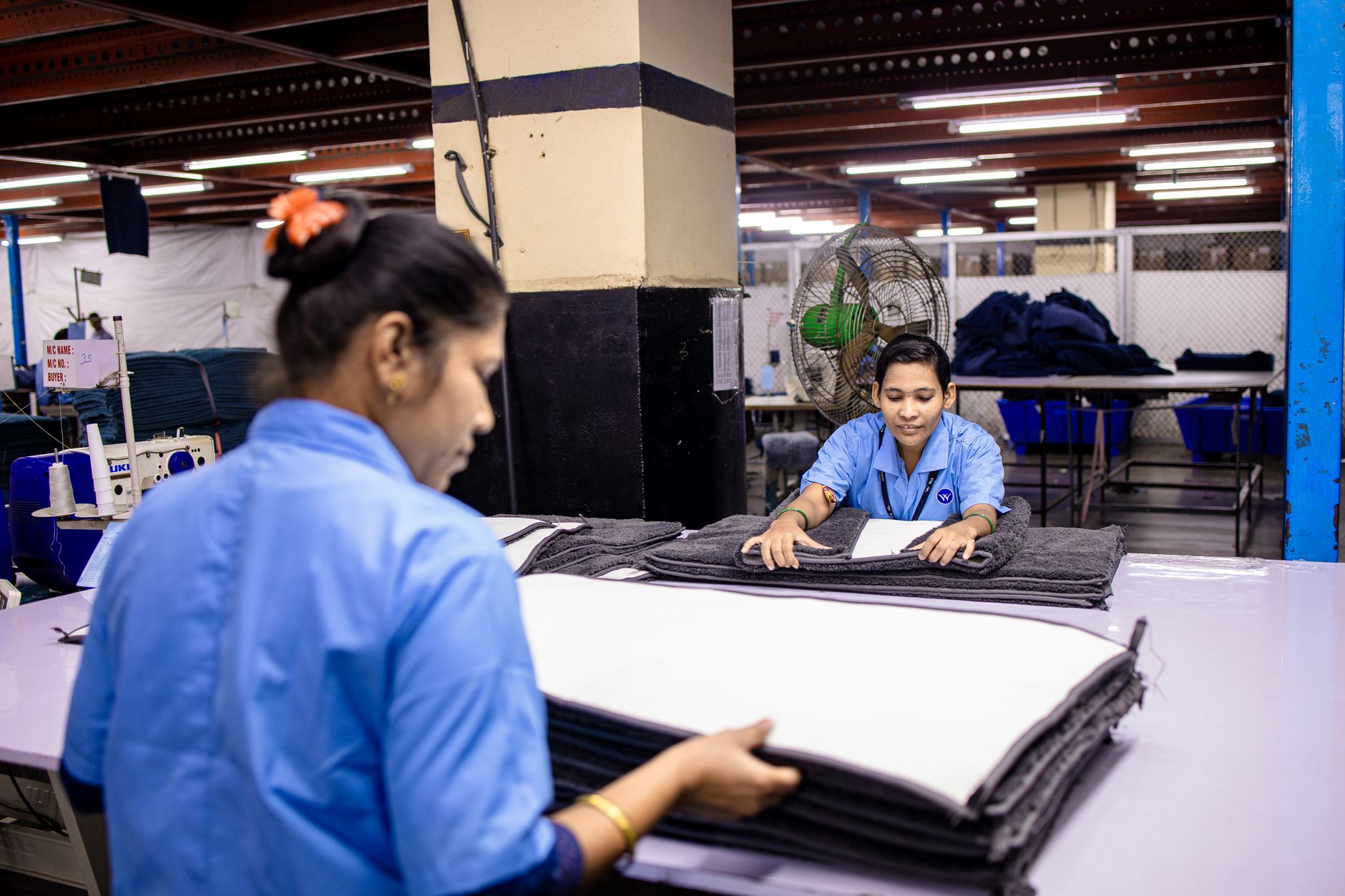
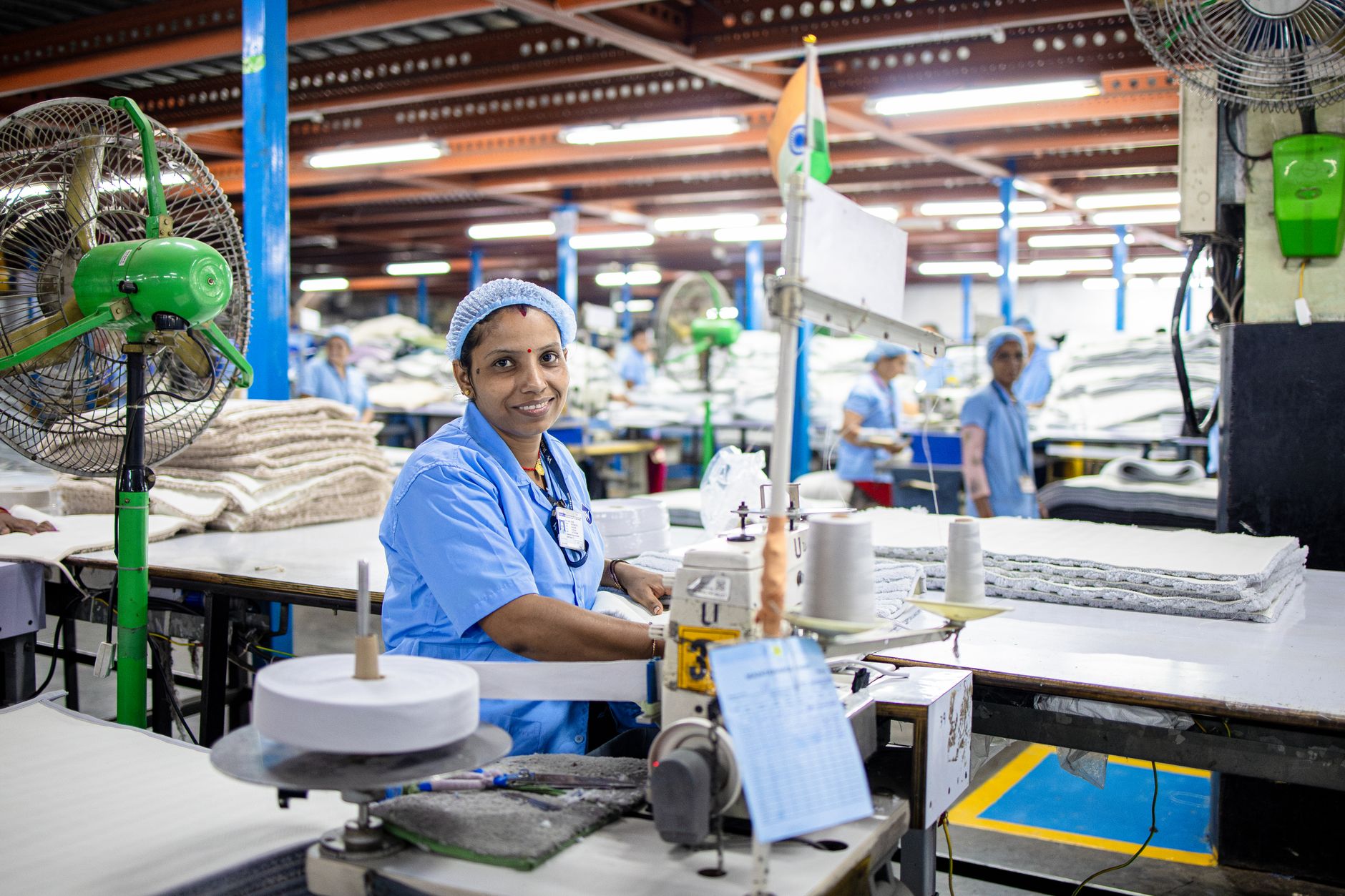
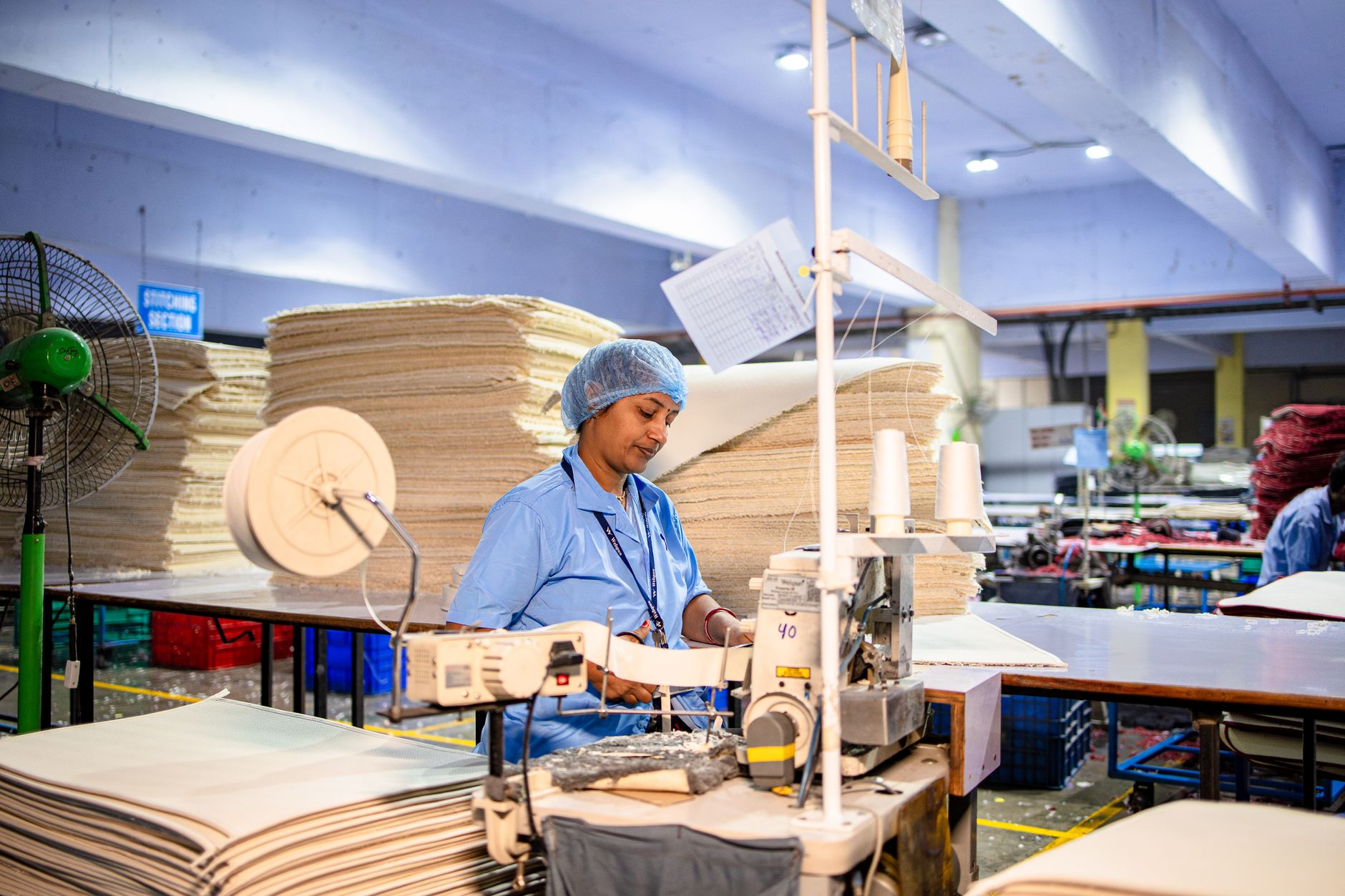
Similarly, workers within the traditional manufacturing sectors of developed nations have vociferously voiced deep-seated concerns. The inexorable shift towards highly globalized supply chains and the emergence of massive manufacturing hubs in lower-cost economies have directly resulted in significant job losses and pervasive economic anxiety across numerous Western countries. These displaced individuals often express a profound conviction that their respective governments have unequivocally prioritized the abstract benefits of global economic integration over the tangible imperative of domestic job security, fostering a palpable sense of betrayal and profound economic disenfranchisement within their communities.
Conversely, a vibrant cohort of entrepreneurs and innovators within burgeoning emerging markets frequently articulate a narrative of unprecedented new opportunities. The spectacular rise of economic powerhouses such as China and India has not only unveiled vast, untapped markets but has also cultivated an environment ripe for rapid technological adoption and innovation. For these forward-thinking individuals, economic globalization is perceived not as an existential threat, but rather as an indispensable pathway to unparalleled prosperity, empowering them to robustly compete on a truly global scale and significantly uplift their communities through relentless innovation, strategic trade, and sustained economic development.
The Debate
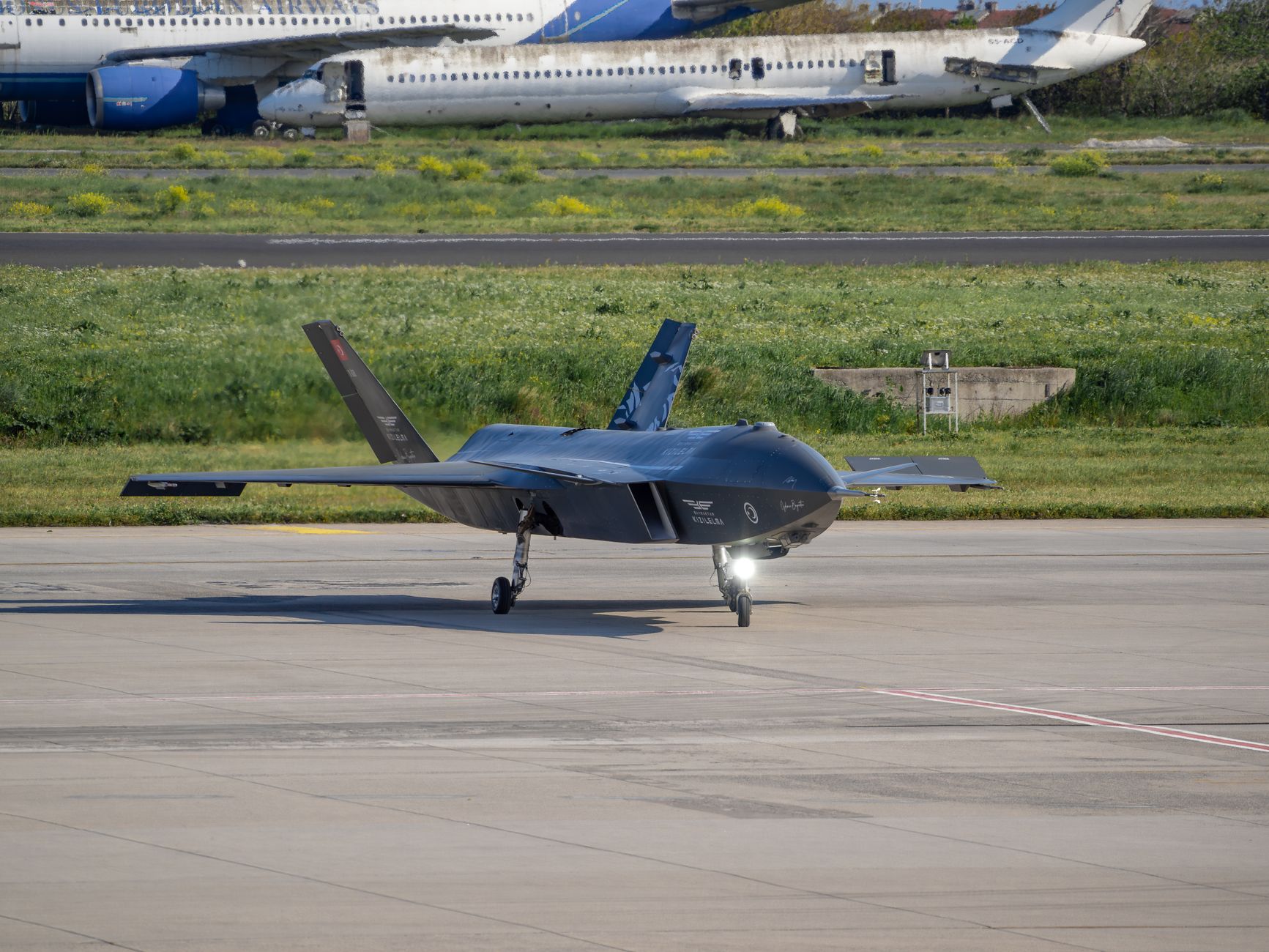
The central, enduring debate concerning this profound economic power shift fundamentally questions whether it truly diminishes the indispensable role of military might. One prominent school of thought staunchly asserts that robust military strength remains the ultimate, non-negotiable guarantor of national sovereignty and an absolutely necessary instrument for safeguarding vital economic interests globally. Proponents of this view frequently cite ongoing regional conflicts, persistent geopolitical tensions, and the continuous need for deterrence as irrefutable evidence that 'hard power' is unequivocally far from obsolete. They contend that economic influence, however substantial, can only extend its reach so far without the formidable backing of credible, decisive defense capabilities.
Conversely, a significant opposing perspective posits that the intricate web of global economic interdependence renders large-scale military conflict increasingly irrational, prohibitively costly, and ultimately self-defeating. Adherents to this view argue compellingly that the profound interconnectedness of global markets inherently creates a powerful, intrinsic disincentive for war, as any major armed conflict would inevitably devastate not only the direct belligerents but also unleash catastrophic repercussions across the entire global economy. For them, sophisticated economic leverage, targeted sanctions, and meticulously negotiated trade agreements represent the new, preferred weapons of choice, capable of achieving complex strategic objectives without resorting to direct, destructive military confrontation.
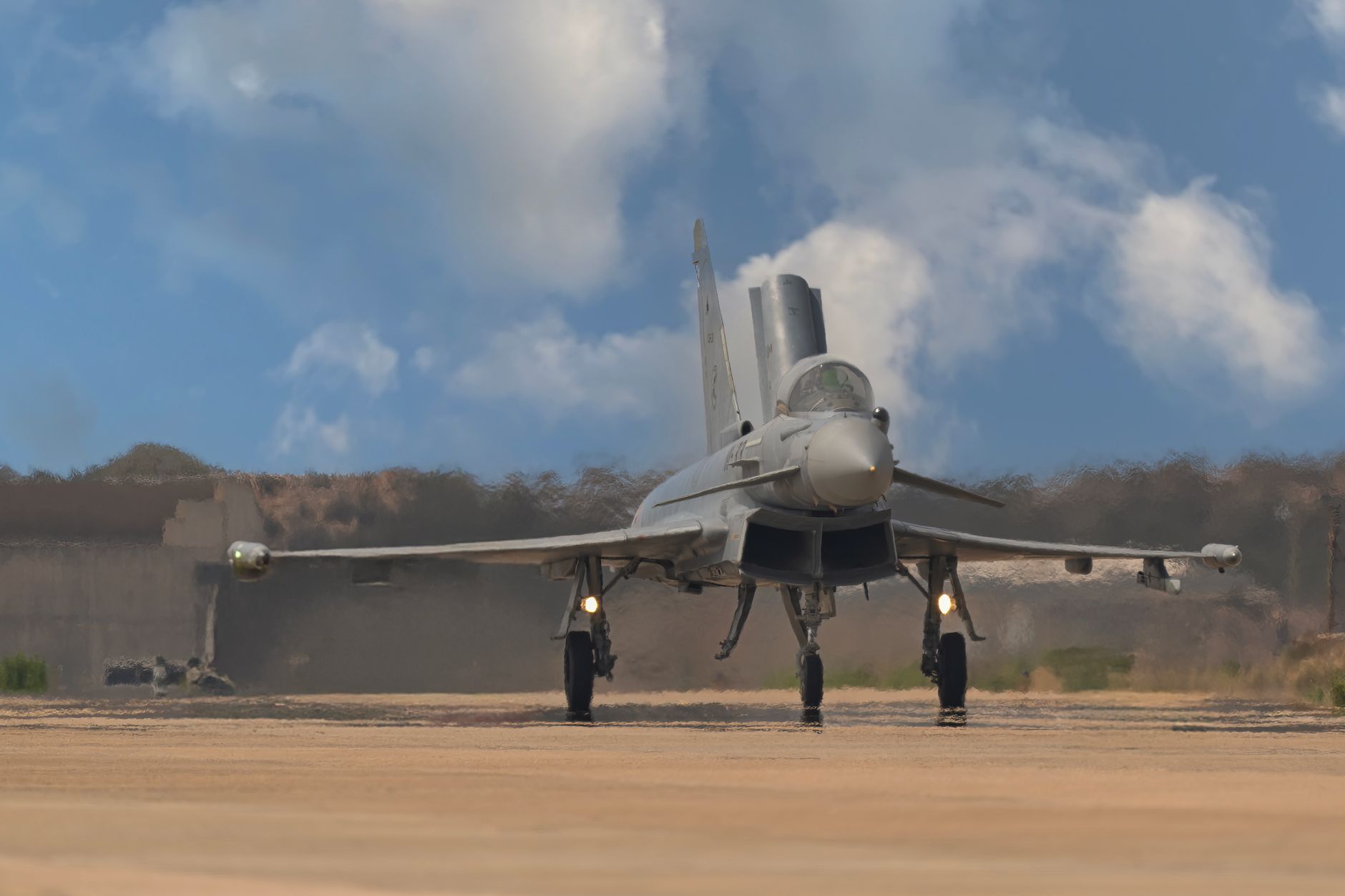
A more nuanced, third perspective advocates for a sophisticated hybrid model, wherein military and economic power are recognized as inextricably linked and interdependent forces. This integrated view posits that robust economic strength serves as the foundational bedrock, providing the essential resources and technological capacity for sustained military investment and modernization. Simultaneously, a formidable military establishment is crucial for protecting vital economic assets, securing critical trade routes, and projecting stability necessary for economic prosperity. In this comprehensive interpretation, the two forms of power are emphatically not mutually exclusive but rather profoundly mutually reinforcing, compelling nations to strategically strive for a meticulously balanced approach to optimally maximize their multifaceted global influence and security in an ever-complex world.

Your Questions Answered
What Accountability Looks Like
In this rapidly evolving new era of economic hegemony, the very concept of accountability for global actions undergoes a fundamental, unsettling shift. When strategically imposed economic sanctions inadvertently trigger severe humanitarian crises in vulnerable nations, the question of who bears true responsibility becomes acutely complex and morally ambiguous. Similarly, when unforeseen supply chain disruptions lead to widespread, debilitating shortages of essential goods across continents, identifying which specific nations or multinational corporations should bear the brunt of the blame becomes an intricate challenge. The traditional lines of accountability blur significantly as power diffuses across increasingly complex global networks of trade, finance, and technology, rendering it exceptionally difficult to precisely pinpoint responsibility for adverse outcomes and ensure justice.
International organizations and meticulously crafted multilateral agreements are undeniably crucial in attempting to establish viable frameworks for accountability within this complex economic landscape. Esteemed institutions such as the World Trade Organization (WTO), the International Monetary Fund (IMF), and the United Nations (UN) diligently endeavor to set global norms, mediate contentious disputes, and promote fair practices. However, their ultimate effectiveness and legitimate authority frequently hinge upon the explicit willingness of major economic powers to conscientiously adhere to agreed-upon rules and uphold international law. Without robust, universally accepted enforcement mechanisms, unchecked economic might can regrettably and easily override fundamental ethical considerations or established international legal precedents, leaving smaller, less powerful nations dangerously vulnerable to exploitation and coercion.
Ultimately, ensuring genuine accountability within the intricate economic realm demands a concerted global effort towards vastly greater transparency, the establishment of stronger, more equitable international governance structures, and an unwavering commitment from leading nations to practice truly responsible economic statecraft. This imperative transcends merely pursuing narrow national economic interests; it necessitates a profound consideration of the broader, far-reaching global impact of their trade policies, significant investment decisions, and rapid technological advancements. Without such a collective, ethical commitment, the relentless pursuit of unchecked economic dominance risks irrevocably creating a world that is demonstrably less equitable, significantly more volatile, and ultimately less secure, where the most powerful entities dictate terms with alarming impunity and minimal consequence for their actions.











Comments
No comments yet. Be the first to comment!