
The Numbers
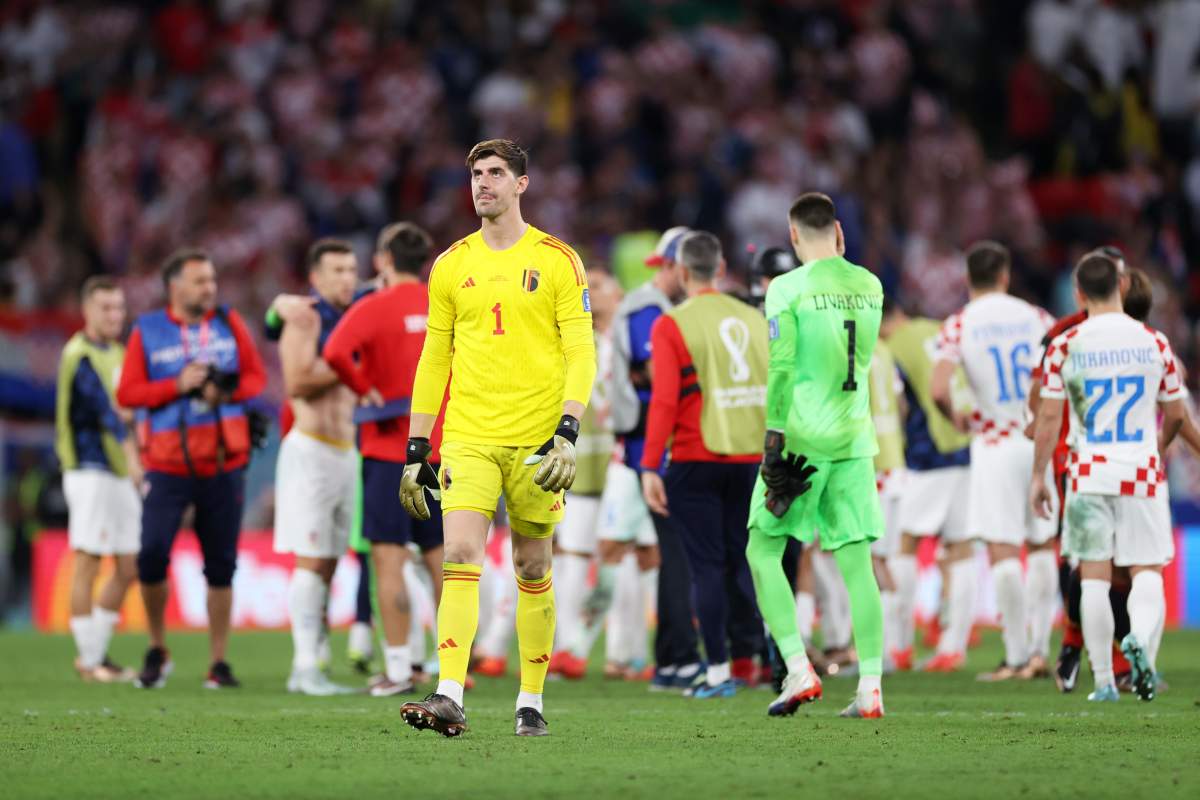
- Croatia boasts a strong recent record in competitive matches, having reached the World Cup final in 2018 and the semi-finals in 2022, demonstrating consistent high-level performance on the international stage.
- Belgium, despite a golden generation of players, has faced challenges in converting immense talent into major tournament victories, with their best performance being a third-place finish in the 2018 World Cup.
- The head-to-head record between these two nations is closely contested, with previous encounters often decided by narrow margins, highlighting the tactical parity and competitive intensity when they meet.
- Key players like Luka Modrić for Croatia and Kevin De Bruyne for Belgium are crucial to their teams' offensive strategies, contributing significantly to both goal-scoring and chance creation in recent seasons.
- Both teams have shown a propensity for strong defensive organization in crucial matches, often relying on experienced backlines and disciplined midfield structures to stifle opposition attacks and control game tempo.
- Recent form leading into this friendly will be a significant indicator; teams often use these matches to fine-tune tactics and assess player fitness, making the immediate past performance a vital statistical point.
Context Check
This international friendly between Croatia and Belgium transcends a mere exhibition match; it serves as a critical barometer for both nations as they navigate the complex landscape of European football. For Croatia, a team that has consistently punched above its weight, this fixture offers a chance to test their enduring tactical discipline and the veteran leadership of Luka Modrić against a Belgium side brimming with individual brilliance. The Croatian squad, known for its resilience and ability to perform under pressure, will look to solidify their reputation as a formidable force, potentially exposing any lingering weaknesses in the Belgian setup. The tactical nuances and the psychological edge gained from such a high-profile encounter can have a lasting impact on team morale and future performance in more significant competitions.
Belgium, on the other hand, enters this match with a sense of urgency to prove their mettle on the global stage. While possessing arguably one of the most talented generations of footballers in their history, their trophy cabinet remains conspicuously empty. This friendly provides an invaluable opportunity for manager Domenico Tedesco to experiment with formations, integrate emerging talent, and foster greater cohesion within the squad. The pressure to deliver results is immense, and a strong showing against a respected opponent like Croatia could inject the confidence needed to overcome past disappointments. The strategic battle on the pitch will be fascinating, with Belgium likely aiming to leverage their individual attacking prowess against Croatia's organized defense.
The historical context of this fixture adds another layer of intrigue. Encounters between Croatia and Belgium have often been tightly contested affairs, characterized by strategic chess matches and moments of individual brilliance. Neither side has historically dominated the other, suggesting that this friendly could be a closely fought contest where fine margins will likely decide the outcome. Fans and analysts alike will be scrutinizing player matchups, tactical adjustments, and the overall team performance, looking for clues about each nation's readiness for upcoming qualification campaigns and major tournaments. The result, while not carrying tournament points, carries significant weight in terms of momentum and psychological advantage.
Background
Croatia's footballing journey is a testament to resilience and tactical acumen. Since gaining independence, the nation has consistently produced world-class talent, culminating in their remarkable run to the 2018 FIFA World Cup final and a commendable third-place finish in 2022. This sustained success is built upon a foundation of strong domestic leagues, excellent youth development, and a national team culture that emphasizes unity, hard work, and the inspirational leadership of veterans like Luka Modrić. Their tactical flexibility, often employing a compact midfield and quick transitions, makes them a difficult opponent for any team. This friendly represents a continuation of their strategy to remain competitive against top-tier opposition, testing their systems and player readiness.
Belgium's 'golden generation' has captivated the football world for over a decade, producing an array of globally recognized stars such as Kevin De Bruyne, Romelu Lukaku, and Eden Hazard (though his role has evolved). Despite this unprecedented talent pool, the Red Devils have yet to secure a major international trophy, leading to questions about their ability to perform under the ultimate pressure. Their attacking flair and individual brilliance are undeniable, but questions often arise regarding defensive solidity and tactical cohesion during crucial moments. Under new leadership, this friendly is a crucial step in redefining their identity and building a more cohesive unit capable of translating potential into tangible success.
The history between Croatia and Belgium in competitive and friendly matches has been relatively balanced, often characterized by tactical battles rather than one-sided affairs. Both teams possess strong midfield engines and capable forwards, making for intriguing matchups across the pitch. Previous encounters have showcased the importance of set-pieces, midfield control, and defensive organization in determining the outcome. This friendly provides an opportunity to add another chapter to their rivalry, with both managers keen to assess their squads' capabilities against a familiar yet challenging opponent, potentially influencing future tactical approaches and player selections.
Winners and Losers
The primary 'winner' from this encounter will undoubtedly be the neutral fan, treated to a high-caliber match between two European footballing giants. Beyond the spectators, the team that emerges victorious, or at least performs exceptionally well, will gain a significant psychological boost. For Croatia, a win or a strong performance could reaffirm their status as perennial contenders and validate their tactical approach against a star-studded Belgian side. It would underscore the continued effectiveness of their experienced core and the depth of their squad, boosting confidence for future challenges. Such a result would reinforce their reputation for consistency and competitive spirit.
Belgium, regardless of the result, has the potential to be a 'winner' if they showcase improved tactical cohesion, integrate new talent effectively, or demonstrate a more resilient defensive structure. A convincing performance, even in a loss, could signal positive progress under new management and provide valuable insights for further development. Conversely, a poor showing or a continuation of previous struggles could highlight areas of concern, potentially leading to a 'loser' status in terms of momentum and public perception, especially if key players underperform or tactical flaws are exposed.
The 'losers' in this scenario are less about the teams themselves and more about the potential for missed opportunities. A team that fails to adapt tactically, suffers from individual errors, or fails to capitalize on scoring chances could be seen as falling short. Furthermore, any team that sustains significant injuries to key players during the match would face a considerable setback. The pressure to perform in these high-profile friendlies means that underperformance can be scrutinized heavily, making tactical rigidity or a lack of competitive drive a clear negative outcome for either side involved.
Analyst Perspectives
Football analysts are keenly observing how Belgium's new management will attempt to blend their wealth of attacking talent with a more robust defensive framework. The consensus is that while individual brilliance can win games, sustained success in major tournaments requires tactical discipline and a cohesive team unit. Many experts believe that Belgium's 'golden generation' might be entering its final phase, making this friendly a crucial opportunity to build chemistry and find a winning formula before key players age further. The focus will be on how effectively players like De Bruyne are utilized and whether the team can impose its will consistently, rather than relying solely on moments of individual magic.
Croatia's tactical setup, often characterized by midfield control and disciplined pressing, is frequently lauded by pundits. Analysts point to their ability to adapt to different opponents and their knack for grinding out results even when not at their best. The enduring influence of Luka Modrić is seen as a significant asset, providing leadership and dictating play. However, questions linger about the long-term succession plan for key positions and whether the squad possesses the same explosive pace as in previous years. Experts are watching to see if younger talents can step up and contribute significantly, ensuring Croatia remains a top-tier force.
The strategic battle between the dugouts is also a major point of discussion. How will each manager approach the game? Will Belgium take risks to showcase attacking flair, or will they prioritize defensive solidity against a tactically astute Croatian side? Conversely, will Croatia look to absorb pressure and hit on the counter, or will they aim to control possession? Analysts suggest that the team that can successfully impose its tactical identity while effectively neutralizing the opponent's strengths will likely come out on top. The effectiveness of substitutions and in-game adjustments could prove decisive in what is expected to be a closely contested friendly.
Key Questions Explained
The Outlook
The outlook for this Croatia vs. Belgium friendly points towards a highly competitive and tactically engaging encounter. Both teams possess the quality and experience to produce moments of brilliance, but their contrasting styles—Croatia's disciplined structure versus Belgium's individual flair—are likely to create a fascinating strategic battle. The result may hinge on which team can impose its game plan more effectively and minimize unforced errors. Given their historical matchups, a narrow victory for either side or a hard-fought draw appears to be the most probable outcome, with both managers keen to glean as much information as possible about their squads.
From Belgium's perspective, this match is an opportunity to showcase progress and build confidence. A strong performance could signal a turning point for their 'golden generation,' demonstrating that they can function as a cohesive unit capable of overcoming top opposition. For Croatia, the goal is to maintain their reputation as a consistently strong international side, proving that their veteran core can still compete at the highest level and that their tactical system remains effective. The enduring quality of players like Modrić ensures they will always be a threat, regardless of the opponent's pedigree.
Ultimately, this friendly serves as a crucial stepping stone. For Belgium, it's about finding the right formula to finally achieve major tournament success. For Croatia, it's about continuing their legacy of consistent performance and proving their enduring strength on the international stage. Regardless of the scoreline, the insights gained from this high-stakes matchup will be invaluable as both nations look towards future challenges, aiming to refine their strategies and solidify their positions as formidable forces in European football.











Comments
No comments yet. Be the first to comment!