


Policy Snapshot
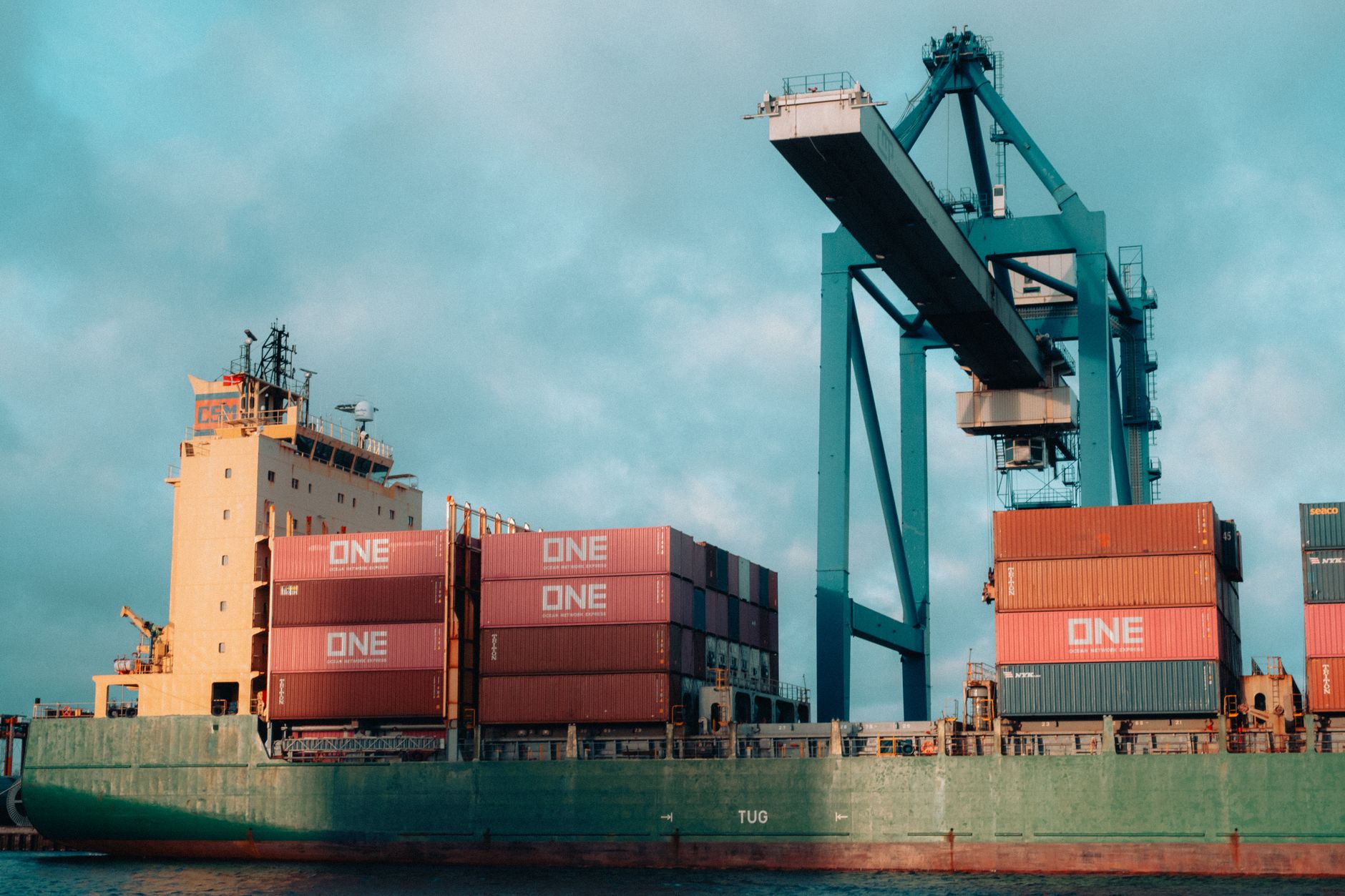
- Canada recorded a significant trade surplus, reaching unprecedented levels, primarily driven by robust export performance and a favorable global economic environment. This surplus underscores a powerful rebound in key sectors.
- This impressive surplus is widely interpreted as a direct consequence of the de-escalation of previous trade tensions and the strategic recalibration of Canada's international trade policies.
- The contentious Section 232 US tariffs on Canadian steel and aluminum, which caused considerable disruption, are now largely considered resolved, fostering renewed confidence in cross-border commerce.
- Canadian exports to the United States have demonstrated a strong and sustained rebound, indicating a restoration of critical supply chains and market access for numerous industries.
- Strategic diversification efforts by the Canadian government, aimed at reducing reliance on any single trading partner, are showing tangible early successes in new and emerging markets.
- Improved global commodity prices, particularly in energy and raw materials, have also played a crucial role in bolstering Canada's export revenues and contributing substantially to the overall trade balance.
The Policy History
The trade relationship between Canada and the United States has historically been one of the world's most robust and integrated, characterized by vast cross-border supply chains and shared economic interests. However, this dynamic faced unprecedented challenges during the previous US administration, which initiated a series of protectionist measures. These included the imposition of Section 232 tariffs on steel and aluminum imports from Canada, justified on national security grounds. This unilateral move was met with strong opposition from Ottawa, leading to swift retaliatory tariffs on various US goods, escalating into a period marked by considerable uncertainty and tension that impacted numerous industries on both sides of the border.
The core of the dispute revolved around the interpretation of free trade agreements and national economic sovereignty, with Canada consistently arguing that its steel and aluminum industries posed no threat to US national security and were, in fact, integral to North American supply chains. The tariffs severely disrupted established supply lines, significantly increased costs for manufacturers, and created a pervasive climate of unpredictability for businesses operating within the highly integrated North American market. Negotiations to resolve these complex issues were protracted and often contentious, reflecting the deep divisions in trade philosophy between the two nations during that specific political era, leaving a lasting impact on trade policy discussions.
Despite the significant friction, both nations eventually found common ground, leading to the eventual lifting of the tariffs and a renewed commitment to open trade under the renegotiated North American trade agreement. This resolution was critical not only for the affected industries but also for restoring broader economic confidence and diplomatic stability. The experience served as a stark reminder of the delicate balance required in international trade relations and the profound economic consequences when that balance is disrupted, prompting Canada to re-evaluate its trade diversification strategies.
Who Is Affected
Canadian manufacturers, particularly those within the vital steel and aluminum sectors, bore the immediate and significant brunt of the US tariffs. They faced increased operational costs, severely reduced market access to their largest customer, and intense pressure to find alternative buyers or absorb substantial financial losses, threatening viability for many. Similarly, numerous US industries reliant on Canadian raw materials or components, such as automotive and construction, also experienced severe disruptions and higher input costs, impacting their competitiveness and profitability. Ultimately, consumers on both sides of the border potentially faced higher prices for goods incorporating these essential materials, demonstrating the widespread economic reach of these trade disputes.
Beyond the direct economic impacts on specific industries, the prolonged trade tensions also severely strained diplomatic relations between two historically close allies, creating an atmosphere of mistrust. Businesses that had long operated with the assumption of seamless cross-border trade found themselves navigating complex new regulatory landscapes, unpredictable political rhetoric, and significant uncertainties regarding future market access. Small and medium-sized enterprises (SMEs) were particularly vulnerable, often lacking the extensive resources and financial buffers necessary to adapt quickly to such sudden and drastic shifts in trade policy, leading to potential closures or significant downsizing.
The ripple effects extended throughout the entire logistics and transportation industries, which had to recalibrate routes, storage, and strategies in response to altered trade flows and increased border scrutiny. Port authorities, trucking companies, and rail operators all felt the squeeze, highlighting the profound interconnectedness of the North American economy and how even targeted tariffs can have cascading consequences across diverse sectors. Furthermore, investor confidence in the stability of the North American trading bloc was shaken, prompting a re-evaluation of investment strategies and potentially delaying crucial capital expenditure.
The Case For
Proponents of the recent trade surplus and the successful resolution of tariff disputes vehemently emphasize the critical re-establishment of predictable and stable trade relations. The systematic removal of punitive tariffs has unequivocally allowed Canadian industries to fully regain their competitive edge in the lucrative US market, leading directly to significantly increased export volumes and, consequently, a robust and record-setting trade surplus. This impressive economic performance not only demonstrates the inherent resilience and adaptability of Canadian businesses but also validates the effectiveness of sustained diplomatic efforts to de-escalate trade tensions, reinforcing the long-held belief that free and fair trade ultimately benefits both economies profoundly.
The current positive economic indicators strongly suggest a promising trajectory for Canadian exports, which is absolutely crucial for sustained job creation, technological innovation, and overall national economic growth. A strong and consistent trade surplus provides Canada with enhanced economic stability and greater fiscal flexibility, enabling strategic investments in vital domestic infrastructure, essential social programs, and cutting-edge research and development initiatives. Furthermore, the nation's demonstrated ability to navigate and ultimately overcome such significant trade challenges powerfully reinforces Canada's esteemed position as a reliable, stable, and attractive trading partner on the global stage, actively drawing further foreign investment and strengthening crucial international alliances.
This period marks a significant and welcome return to normalcy and renewed economic confidence, not just for large corporations but for countless small and medium-sized enterprises that rely on cross-border trade. The restoration of trust and predictability in the North American trade environment allows businesses to plan for the long term, invest in expansion, and innovate without the constant threat of sudden policy shifts. This stability is a powerful catalyst for economic prosperity, fostering an environment where industries can thrive, create more jobs, and contribute more effectively to the national economy, solidifying Canada's economic standing.
The Case Against
Critics argue that while the immediate trade surplus is undoubtedly a positive economic indicator, it does not fully erase or compensate for the long-term, insidious damage inflicted by the preceding trade war. The prolonged period of intense uncertainty and protectionist threats forced many businesses to fundamentally reconsider and often reconfigure their global supply chains, leading to some permanent shifts away from an over-reliance on cross-border dependence. Furthermore, the underlying vulnerabilities in the bilateral trade relationship, particularly the persistent potential for future unilateral actions by the US, regrettably remain. This suggests that the current stability, while welcome, might prove to be inherently fragile, and a return to protectionist policies by future administrations could swiftly undo recent gains, leaving Canadian industries exposed once more to significant risks.
Some astute analysts also point out that the impressive surplus might be partially attributed to broader global economic shifts and external factors rather than solely to the resolution of specific tariffs. Significant fluctuations in global commodity prices, shifts in international demand patterns, and various other macroeconomic factors inherently play a substantial role in determining national trade balances. Therefore, attributing the entire surplus exclusively to the 'end' of the trade war might be an oversimplification, potentially masking deeper structural issues or persistent external dependencies that could still pose considerable risks to Canada's long-term economic stability. A more nuanced and comprehensive perspective is absolutely needed to understand the true, multifaceted drivers of this recent economic performance.
Moreover, the psychological impact on businesses and investors, having endured a period of such profound unpredictability, should not be underestimated. Even with tariffs lifted, the memory of trade weaponization can foster a cautious approach to investment and expansion, potentially hindering optimal economic growth. The cost of adapting to and then unwinding these trade barriers, both financially and in terms of lost opportunities, represents a lingering burden. This perspective suggests that while the visible wounds may be healing, the scars of the trade war could influence strategic decisions for years to come, advocating for stronger, more binding international trade frameworks.

Policy Questions Answered
Implementation Watch
Monitoring the long-term effects of the trade dispute resolution is absolutely crucial for understanding its full impact. While the immediate economic indicators are undeniably positive, sustained growth and stability will depend on several complex factors, including the continued stability of global supply chains, the maintenance of constructive diplomatic relations with key partners, and the proactive avoidance of future protectionist policies from any nation. Businesses are now intensely focused on not only rebuilding lost market share but also optimizing their operational strategies within the renewed and more predictable trade framework. Governments, for their part, are keen to ensure that the mechanisms for dispute resolution established in new agreements are robust enough to prevent similar conflicts from escalating in the future, thereby fostering a more secure and resilient global trading environment.
Future trade policy in Canada will likely place a heightened emphasis on strategic diversification and enhanced economic resilience. Canada is actively exploring new trade agreements and diligently strengthening existing ones with a broader array of international partners beyond the United States, aiming to significantly reduce any over-reliance on a single market. This strategic shift is a direct and profound lesson learned from the recent trade tensions, unequivocally highlighting the critical importance of cultivating a diversified export base to mitigate inherent risks and ensure economic stability. Furthermore, there is an increased national focus on supporting domestic industries to enhance their inherent competitiveness and foster innovation, ensuring they are better equipped to navigate the intricate complexities of global trade dynamics and adapt swiftly to evolving market conditions.
The government and industry leaders are also closely observing the enforcement of existing trade agreements to ensure fair play and prevent non-tariff barriers from emerging. This vigilant oversight is essential to protect Canadian interests and maintain the integrity of the international trading system. Investing in advanced manufacturing, green technologies, and digital infrastructure is also part of a broader strategy to future-proof the Canadian economy against potential shocks and ensure long-term prosperity. This forward-looking approach aims to solidify Canada's position as a leader in sustainable and innovative global trade.
















Comments
No comments yet. Be the first to comment!