

At a Glance
- The century-old Jones Act, officially the Merchant Marine Act of 1920, strictly mandates that all goods transported by water between U.S. ports must be carried on American-built, American-owned, and American-crewed vessels, fundamentally shaping domestic maritime commerce.
- Escalating geopolitical tensions in the Strait of Hormuz, a critical global energy choke point, pose an imminent threat to a significant portion of the world's oil and gas supply, potentially triggering widespread economic instability and price surges.
- This confluence of the Jones Act and the Hormuz crisis directly impacts U.S. energy security, raising concerns about the nation's capacity to efficiently redistribute domestic oil and refined products amidst international disruptions and heightened demand.
- A contentious debate is intensifying over the necessity and wisdom of temporarily waiving the Jones Act during severe energy crises or national emergencies to alleviate potential bottlenecks and mitigate soaring transportation costs for vital resources.
- The core tension lies between upholding the Jones Act's protectionist measures, designed to bolster the domestic maritime industry, and the imperative of ensuring robust national security and economic resilience in the face of unpredictable global energy shocks.
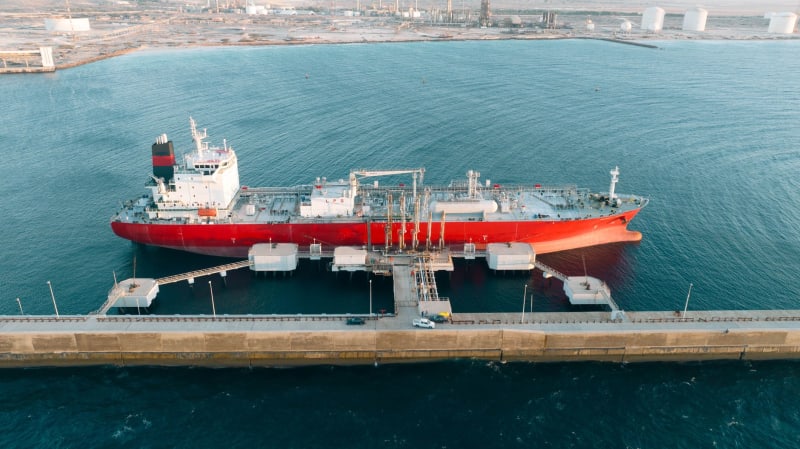
- Experts warn that the limited availability of Jones Act-compliant tankers could severely impede the rapid movement of critical energy supplies from U.S. production hubs to consumption centers, exacerbating shortages and inflating consumer prices.
- Non-contiguous U.S. territories and states, including Puerto Rico, Hawaii, and Alaska, are particularly vulnerable, as they already face elevated shipping costs under the Jones Act, which would be further amplified by any major global energy disruption.
The Record
The Jones Act, officially known as the Merchant Marine Act of 1920, stands as a foundational federal statute governing maritime commerce within the United States. Its core mandate requires that all goods transported by water between U.S. ports must be carried exclusively on U.S.-flagged vessels. These ships must be constructed in American shipyards, owned by U.S. citizens, and crewed predominantly by U.S. citizens. The original intent behind this legislation was unequivocally clear: to foster and sustain a robust American merchant marine and shipbuilding industry, thereby ensuring a vital naval auxiliary force readily available during times of war or national emergency, safeguarding strategic interests and economic independence.
For over a century, the application of the Jones Act has remained largely consistent, cementing its role in the nation's logistical framework. However, its economic ramifications and ongoing strategic necessity have consistently fueled vigorous debate. Critics frequently highlight its restrictive nature, arguing that it inherently limits competition within domestic shipping, subsequently driving up transportation costs for a wide array of goods. This economic burden is particularly pronounced in non-contiguous states and territories such as Hawaii, Alaska, and Puerto Rico, which are disproportionately reliant on maritime transport for essential supplies, facing significantly higher prices for everyday necessities due to these regulations.
Conversely, staunch proponents of the Jones Act vigorously defend its continued relevance, emphasizing its indispensable contribution to national security. They contend that the act is crucial for maintaining a skilled, readily deployable maritime workforce and a domestic shipbuilding capacity that is vital for defense readiness. These advocates argue that any significant weakening or repeal of the act would compromise America's strategic maritime capabilities, making the nation more susceptible to foreign influence and less prepared to respond effectively to geopolitical challenges. The tension between economic efficiency and national defense remains central to the act's enduring controversy.
Who Knew and When
The inherent volatility and strategic significance of the Strait of Hormuz have been a well-documented geopolitical flashpoint for many decades. International relations experts, energy analysts, and policymakers across the globe have long understood the strait's unparalleled critical role in global energy markets, recognizing that a staggering one-fifth of the world's total oil supply, alongside a substantial portion of its liquefied natural gas, transits through this exceptionally narrow and vulnerable waterway daily. The potential for disruption, whether from regional conflicts, piracy, or state-sponsored aggression, has consistently been a top-tier concern, driving extensive contingency planning by major global powers and international energy organizations.
Historical events, ranging from the 'Tanker War' in the 1980s to more recent maritime incidents and seizures, have repeatedly underscored the strait's fragility and the immediate, far-reaching consequences of any major interruption. These episodes have served as stark reminders of how quickly geopolitical tensions can escalate into direct threats to global energy flows, with cascading effects on international oil prices, supply chains, and economic stability worldwide. Consequently, the vulnerabilities inherent in this critical choke point are not new revelations but rather deeply entrenched considerations in strategic defense and energy policy planning for virtually every major economy.
What has gained more acute attention in recent years, however, is the specific and complex interplay between a potential Hormuz crisis and the Jones Act's implications for U.S. domestic energy distribution. As the United States has transitioned into a major energy producer, the logistical challenges of moving its own oil and refined products within its borders, particularly if foreign-flagged tankers are restricted during an international crisis, have become a pressing concern. Experts have increasingly warned about the potential for domestic bottlenecks and inflated costs, highlighting how a global energy shock could expose and exacerbate existing vulnerabilities within America's own protected maritime shipping system, turning a foreign crisis into a domestic energy dilemma.
Voices from the Ground
Across the United States, from the bustling refineries of the Gulf Coast to the energy-dependent consumers in the Northeast, the specter of energy supply disruptions and significant price hikes looms large, amplified by global instability. Refiners, who are crucial players in the nation's energy infrastructure, frequently voice profound concern over the severely limited availability of Jones Act-compliant tankers. This scarcity creates persistent logistical bottlenecks, making the efficient transportation of crude oil and refined products across U.S. waters an arduous and often prohibitively expensive endeavor. The domestic market, designed for efficiency, instead faces artificial constraints that can undermine its responsiveness to demand shifts.
This inherent inefficiency often compels refiners to resort to more costly and circuitous transportation alternatives, such as relying heavily on pipelines or rail, which may not always be optimally routed or possess sufficient capacity. In some extreme scenarios, the restrictions even force the paradoxical situation where U.S.-produced crude is exported, only for refined products to be imported back into the country on foreign vessels, effectively bypassing the Jones Act's intent but at a significant economic cost. This undermines the very efficiency and self-sufficiency that a robust domestic energy sector should ideally provide, creating unnecessary vulnerabilities in the supply chain.
For residents in non-contiguous U.S. regions, including Puerto Rico, Hawaii, and Alaska, the Jones Act is not a theoretical policy debate but a tangible daily burden, already translating into significantly higher costs for virtually all essential goods, including fuel. A major crisis in the Strait of Hormuz would not merely exacerbate these existing economic pressures; it could potentially lead to critical shortages of vital supplies and trigger further, unsustainable inflation. Small businesses, which operate on thin margins and are profoundly dependent on affordable, consistent energy supplies, are particularly vulnerable, fearing that escalating transportation costs will erode their profitability, forcing agonizing decisions regarding operational viability, staffing levels, and ultimately, their very survival.
The Debate
The long-standing debate surrounding the Jones Act invariably intensifies and becomes more urgent during periods of national emergency, economic strain, or heightened geopolitical instability. Proponents of the act steadfastly argue that it serves as an indispensable cornerstone of national security, providing the bedrock for a robust domestic maritime industry and ensuring a continuously trained, readily deployable seafaring workforce. This workforce and fleet, they contend, are absolutely critical for supporting military operations, facilitating humanitarian aid, and maintaining strategic logistical independence during times of conflict or crisis, making the act a vital component of America's defense posture.
These advocates further assert that any temporary or permanent waiver of the Jones Act, even in an emergency, would fundamentally undermine this critical national infrastructure. Such a move, they argue, risks making the United States unduly dependent on foreign vessels and crews, which could introduce significant security risks, compromise operational control, and create profound economic vulnerabilities in the long run. They also emphasize the act's crucial role in sustaining American jobs within the shipbuilding and shipping sectors, arguing that these industries are essential for both economic stability and strategic self-reliance, justifying the protective measures.
Conversely, a growing chorus of opponents counters that the Jones Act, while perhaps well-intentioned in 1920, has evolved into an outdated and counterproductive protectionist measure. They argue it demonstrably inflates costs, stifles healthy competition, and severely hinders the nation's ability to respond efficiently and effectively to modern crises, particularly those impacting critical energy supplies. These critics frequently point to the alarmingly limited number of available Jones Act-compliant vessels as a critical bottleneck, asserting that temporary waivers are not merely desirable but absolutely essential to prevent severe economic disruption, mitigate shortages, and ensure the timely delivery of vital resources during genuine emergencies. The fundamental tension in this debate thus pivots on balancing the perceived benefits of protectionism against the undeniable costs to economic efficiency and national resilience.
Your Questions Answered
What Accountability Looks Like
True accountability in the complex intersection of the Jones Act and national energy security demands a multi-faceted approach, starting squarely with policymakers. They bear the profound responsibility of ensuring that the nation's energy infrastructure and logistical capabilities are not only robust but also sufficiently agile to withstand both unpredictable domestic and severe international shocks. This necessitates a continuous, rigorous assessment of the adequacy and readiness of the Jones Act-compliant fleet, moving beyond entrenched dogma to critically evaluate its real-world performance. Strategic waivers, rather than being seen as a capitulation, must be considered as vital tools when national interests are unequivocally at stake, preventing rigid adherence to policy from inadvertently creating dangerous vulnerabilities.
Furthermore, the domestic maritime industry itself must be held accountable for its role in this critical equation. This includes a clear expectation for substantial, ongoing investment in a modern, efficient, and sufficiently sized fleet that is genuinely capable of meeting national demands, particularly during times of crisis. Relying solely on protectionist measures without commensurate investment in capacity and technological advancement risks creating a complacent industry that cannot adequately serve the nation's needs. Accountability here means demonstrating a proactive commitment to readiness and innovation, rather than simply benefiting from legislative safeguards without delivering optimal service and capacity.
Finally, the American public holds a crucial stake in demanding unwavering transparency and demonstrable efficiency from both government and industry. This public oversight is essential to ensure that policies, even those ostensibly designed for national security, do not inadvertently create undue economic hardships, exacerbate existing inequalities, or critically undermine the nation's ability to respond effectively to emergencies. This necessitates a continuous, objective evaluation of the Jones Act's actual impact versus its stated benefits, especially as global energy dynamics rapidly shift and new, complex threats emerge. The ultimate goal must be to optimally strike a delicate balance between strategic protectionism and unyielding national resilience, safeguarding the nation's long-term welfare and economic stability.













Comments
No comments yet. Be the first to comment!