

At a Glance
- Your comprehensive medical history holds surprising implications for your children's neurological development, underscoring the need for proactive health management.
- Understanding the intricate link between maternal health conditions and fetal brain formation is paramount for ensuring optimal cognitive outcomes for future generations.
- Cardiopulmonary Resuscitation (CPR) is a critical emergency skill that empowers individuals to provide immediate life-saving assistance during cardiac arrest events.
- Acquiring CPR certification equips you with the confidence and competence to act decisively when every second counts, potentially saving a loved one's life.
- The accessibility and quality of healthcare data directly impact our ability to research and understand complex health issues affecting both adults and children.
- Advancements in medical technology and data sharing protocols are paving the way for more personalized and effective health interventions across all age groups.
The Record
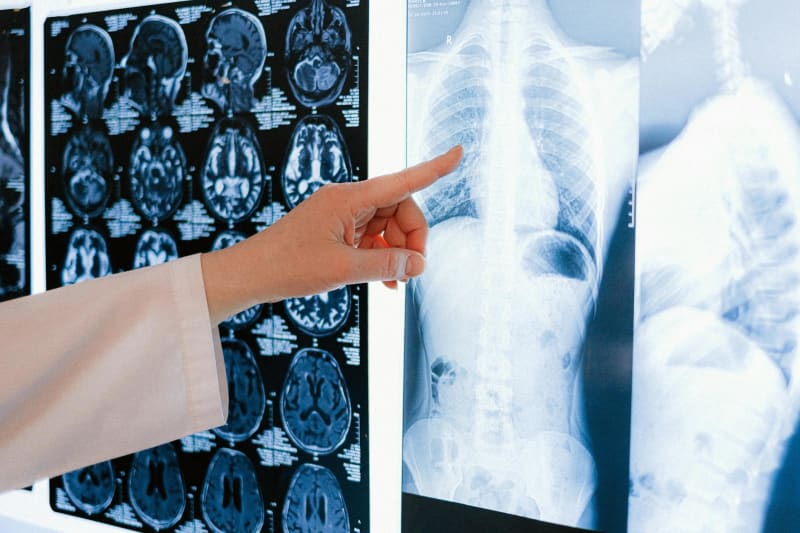
The intricate tapestry of your personal health journey, meticulously documented in your medical records, extends its influence far beyond your own well-being. Emerging research illuminates a profound and often overlooked connection between the health conditions detailed in these records and the developmental trajectory of your children's brains. Conditions such as gestational diabetes, preeclampsia, or even chronic stress, if present during pregnancy and documented in your history, can significantly impact fetal neurodevelopment. These records serve as a critical, albeit often underutilized, resource for understanding potential risks and implementing targeted interventions early on, safeguarding the cognitive future of the next generation. Ignoring the wealth of information contained within these documents is akin to navigating complex health challenges blindfolded, missing crucial opportunities for preventative care and informed decision-making.
Furthermore, the accessibility and interoperability of these medical records are not merely administrative conveniences; they are foundational pillars for advancing medical science and public health. When data is fragmented, siloed, or difficult to access, it hampers the ability of researchers to identify patterns, correlations, and causal links between various health factors and developmental outcomes. This lack of comprehensive data hinders the development of evidence-based guidelines and personalized treatment plans. The potential for leveraging aggregated, anonymized medical data to unlock breakthroughs in understanding neurological disorders, developmental delays, and even the long-term effects of environmental exposures is immense. Therefore, the way we manage, store, and share medical records directly influences our collective capacity to protect and enhance the health of future generations.
The imperative to understand and act upon the information within medical records is amplified by the stark reality of emergency situations. Consider the critical need for Cardiopulmonary Resuscitation (CPR). In instances of sudden cardiac arrest, immediate chest compressions can double or even triple the chances of survival. Yet, a significant portion of the population remains untrained or hesitant to perform this life-saving procedure. The availability of accurate, up-to-date medical information, including allergies, pre-existing conditions, and emergency contacts, can be invaluable to first responders and medical professionals when treating an unresponsive individual. This underscores a dual responsibility: maintaining our own health records diligently and acquiring the skills necessary to respond effectively when faced with a medical crisis.
How We Got Here
The journey to understanding the profound impact of parental health on offspring development has been a gradual evolution, marked by increasing scientific rigor and technological advancement. Initially, medical understanding focused primarily on immediate genetic predispositions, with less emphasis placed on the complex interplay of environmental factors and maternal health during gestation. However, decades of epidemiological studies, coupled with breakthroughs in imaging technologies and molecular biology, have progressively revealed the intricate pathways through which maternal conditions can influence fetal brain architecture and function. This shift has necessitated a re-evaluation of prenatal care, emphasizing holistic maternal well-being as a cornerstone for healthy child development, moving beyond mere absence of disease to the presence of optimal health.
Simultaneously, the digital revolution has transformed the landscape of medical record-keeping. From handwritten charts to sophisticated Electronic Health Records (EHRs), the capacity to store, retrieve, and analyze vast amounts of patient data has grown exponentially. This digital transformation, while offering unprecedented opportunities for research and improved patient care, has also introduced challenges related to data security, privacy, and interoperability. The evolution from paper to digital has been driven by a desire for efficiency, accuracy, and the potential for data-driven insights, but it has also highlighted the critical need for robust data governance frameworks to ensure that this information serves its intended purpose without compromising patient confidentiality or exacerbating health disparities.
The recognition of CPR as a vital public health intervention has also evolved significantly. Early resuscitation techniques were often limited in scope and effectiveness. However, rigorous scientific research, particularly following major cardiac events and advancements in emergency medical services, has refined CPR protocols, emphasizing the critical role of early defibrillation and high-quality chest compressions. Public awareness campaigns and standardized training programs, pioneered by organizations like the American Heart Association, have been instrumental in disseminating these life-saving skills. This has transformed CPR from a specialized medical procedure to an accessible skill that empowers ordinary citizens to become first responders, drastically improving survival rates in out-of-hospital cardiac arrests.
Why It Matters
The implications of understanding the link between your medical records and your child's brain development are profound and far-reaching. For parents-to-be and those planning a family, this knowledge empowers proactive health management. It means recognizing that conditions like hypertension, autoimmune disorders, or even nutritional deficiencies, meticulously logged in your medical history, can carry risks for fetal neurodevelopment. Armed with this information, individuals can work more closely with healthcare providers to manage these conditions effectively before and during pregnancy, potentially mitigating long-term cognitive challenges for their children. This proactive approach shifts the paradigm from reactive treatment to preventative care, prioritizing the foundational health of the next generation.
Beyond individual families, this understanding is crucial for public health initiatives and medical research. Aggregated, anonymized data from medical records can reveal population-level trends and risk factors associated with various neurodevelopmental outcomes. This insight is vital for allocating resources, designing targeted interventions, and informing public health policies aimed at improving maternal and child health across diverse communities. Without accessible and comprehensive medical data, identifying and addressing these systemic issues becomes significantly more challenging, potentially leaving vulnerable populations without the support they need to ensure healthy development for their children.
The importance of CPR proficiency cannot be overstated in the context of immediate crisis response. Cardiac arrest can strike anyone, anywhere, at any time, often without warning. In these critical moments, the presence of a bystander trained in CPR can be the decisive factor between life and death. Prompt initiation of chest compressions can maintain vital blood flow to the brain and other organs until professional medical help arrives. This skill transcends age and background, offering every individual the power to make a tangible difference in an emergency. Neglecting to acquire this fundamental life-saving skill leaves individuals, families, and communities more vulnerable when faced with sudden, life-threatening medical events.

Your Questions Answered
What Happens Next
The path forward necessitates a multi-pronged approach focused on individual empowerment and systemic improvement. For individuals, the immediate action is to proactively engage with their healthcare providers to review and understand their medical records, particularly concerning any conditions that could impact future pregnancies or child development. Concurrently, seeking out and completing a certified CPR training course is an essential step. This involves identifying reputable organizations and scheduling time for the training, ensuring that this critical skill is acquired and maintained. Furthermore, advocating for better data privacy and interoperability within healthcare systems can contribute to more comprehensive research and improved public health outcomes.
Healthcare systems and policymakers have a critical role to play in facilitating these advancements. This includes investing in robust and secure EHR systems that promote seamless data sharing between providers while safeguarding patient privacy. Developing clearer guidelines and public awareness campaigns about the link between maternal health and child neurodevelopment is crucial. For CPR, expanding access to affordable and convenient training programs, particularly in underserved communities, is paramount. Encouraging employers to offer CPR training as part of workplace wellness initiatives and integrating basic life support education into school curricula can significantly increase the number of trained individuals.
The future hinges on leveraging the power of information and preparedness. Continued research into the complex interactions between parental health, environmental factors, and child development will refine our understanding and lead to more targeted interventions. Technological advancements in data analytics and AI will play a significant role in identifying at-risk populations and predicting potential health challenges. On a personal level, maintaining a commitment to lifelong learning regarding health and safety, including regular CPR refreshers and staying informed about personal health management, will build more resilient individuals and communities capable of navigating health crises effectively.













Comments
No comments yet. Be the first to comment!